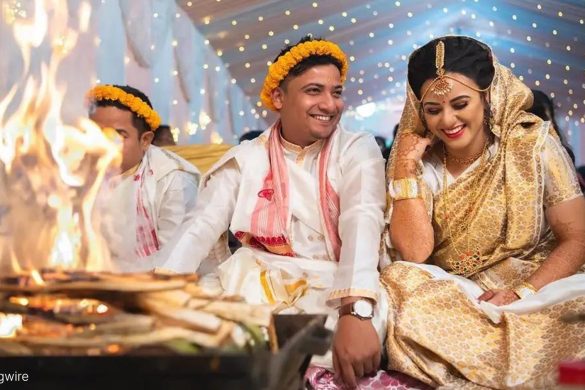
Indian weddings bring families together through a series of deeply emotional and colorful events. Among the many beautiful rituals, the Chuda ceremony holds a very special place in the hearts of the brides. It marks a deeply emotional milestone right before the main wedding day.
If you want to learn more about Uttar Pradesh wedding traditions, you are in the right place. This pre-wedding ritual celebrates the bond between a bride and her maternal family. It surrounds her with blessings, love, and protection as she prepares to step into a new life.
This comprehensive guide explores the rich cultural significance of the Chuda ceremony. We will walk you through the traditional practices and beautiful family moments that define this event. Finally, we will show you how to find the perfect celebration outfits through the stunning Aza Fashions ethnic wear collections.
What is the Chuda Ceremony?
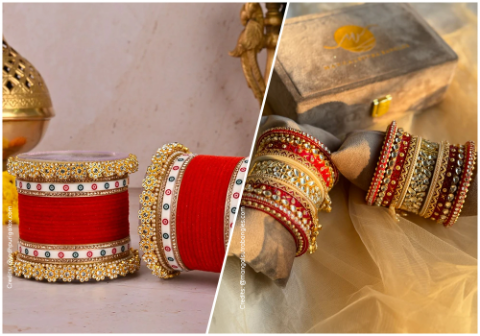
The Chuda ceremony revolves around a set of traditional wedding bangles. The word "Chuda" specifically refers to this beautiful set of red and white bangles. Historically, these bangles were made from ivory, but modern sets use safe, high-quality plastic or resin.
This beautiful event takes place on the morning of the wedding day, or sometimes the day before. It is an intimate gathering hosted at the bride's home. Close family members, relatives, and friends come together to bless the bride.
While many people associate this ritual strictly with Punjabi weddings, it plays a massive role in Uttar Pradesh wedding traditions as well. Families across North India embrace this beautiful custom. The core focus remains the same across regions: honoring the bride and showering her with heartfelt blessings.
The Deep Cultural Significance
Every Indian wedding ritual carries a deep spiritual meaning, and the Chuda ceremony is no different. These bright bangles symbolize prosperity, fertility, and a happy married life. Wearing them is a proud declaration of a woman's new status as a married bride.
This ceremony also highlights the role of the bride's maternal family. In Indian culture, the maternal uncle (Mama) and aunt (Mami) hold a very special place. They are the ones who formally gift and place the bangles on the bride's wrists. This gesture shows that the bride's extended family fully supports her and promises to protect her in her new journey.
Furthermore, the ceremony creates a protective shield around the bride. The prayers chanted during the event seek to ward off any negative energy or bad luck. It gives the bride a moment of calm, spiritual grounding before the grand chaos of the main wedding events begins.
Traditional Practices of the Ceremony
Families follow a specific set of traditional practices to ensure the bangles carry the highest level of blessings. Here is a step-by-step look at how a traditional Chuda ceremony unfolds.
Purifying the Bangles
Before the bride can wear the bangles, they must undergo a purification process. The family places the entire set of red and white bangles into a large bowl. They fill this bowl with milk and fresh rose petals.
This milk bath serves two purposes. First, it spiritually purifies the bangles, removing any negative energy. Second, it softens the bangles slightly, making it easier for the family to slide them onto the bride's wrists. Family members gather around the bowl, touching the bangles and whispering their personal prayers for the bride's happiness.
The Role of the Maternal Uncle
Once the bangles sit in the milk bath, a priest usually conducts a short prayer (puja). After the prayers, the bride's maternal uncle steps forward. He and his wife take the bangles from the milk and gently slide them onto the bride's wrists.
This is often one of the most emotional moments of the entire wedding week. Tears flow freely as the uncle blesses his niece. Traditionally, the bride is not allowed to see the bangles while they are being put on. She keeps her eyes closed or looks away.
Covering the Bangles
After the uncle places all the bangles on her wrists, family members wrap them in a clean, white cloth. Sometimes, they use red cloth embroidered with gold threads. The bride must not look at her own Chuda until she is fully dressed in her bridal outfit.
The elders believe that if the bride looks at the bangles too soon, she might accidentally cast an "evil eye" on her own happiness. The cloth remains tied around her wrists throughout the rest of the morning preparations. She only reveals the bright bangles when she makes her final bridal entry.
Tying the Kalire
Right after the bangles are covered, the family performs the Kalire ceremony. Kalire are beautiful, umbrella-shaped metal ornaments covered in gold or silver polish. The bride's sisters, cousins, and friends tie these dangling ornaments to her new bangles.
These ornaments symbolize wealth and endless happiness. Once all the Kalire is tied, the bride performs a fun ritual with her unmarried friends. She shakes her wrists over their heads. If a piece of the Kalire falls on someone's head, tradition says that person will be the next one to get married!
Finding the Perfect Attire with Aza Fashions
The Chuda ceremony is an intimate morning event. Therefore, the dress code leans toward bright, comfortable, and traditional outfits. Because the bride sits for prayers and rituals, she needs an outfit that allows her to move easily.
Finding the right balance between comfort and bridal elegance is crucial. Aza Fashions ethnic wear offers an incredible selection of designer outfits perfectly suited for this emotional morning.
Beautiful Outfits for the Bride
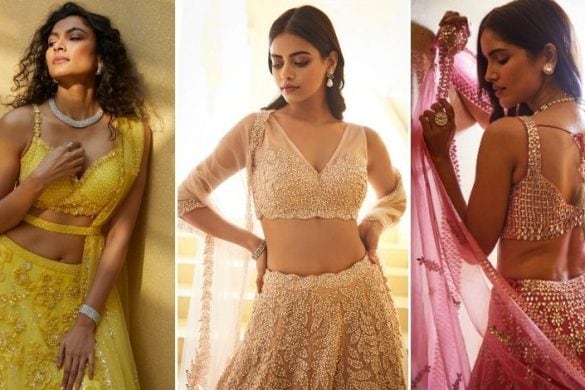
For the bride, this ceremony calls for vibrant, joyous colors. Bright yellow, soft peach, vibrant orange, and Rani pink are the most popular choices. These colors look stunning in morning light and photograph beautifully against the milk and rose petal setup.
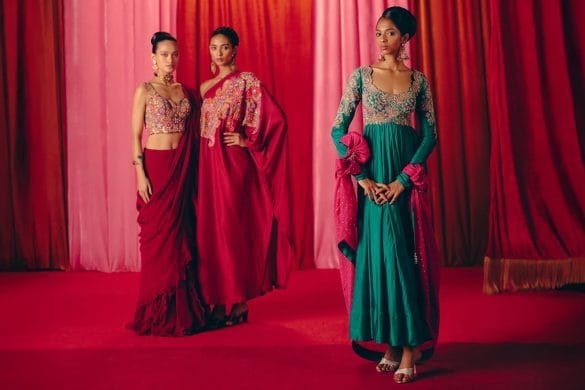
Many brides choose to wear a heavily embroidered Salwar Kameez or a comfortable Anarkali suit. Aza Fashions features stunning designer pieces crafted from breathable fabrics like georgette, crepe, and pure cotton silk. You want a fabric that feels soft against the skin, especially since the morning involves water, milk, and turmeric paste from other rituals.
If you prefer a more dramatic silhouette, a lightweight lehenga is a fantastic option. Look for outfits with intricate thread work or subtle mirror details. Avoid overly heavy zari work or stiff fabrics, as you will save those grand elements for your main wedding lehenga later in the evening.
Elevating the Look with Bridal Accessories
Your morning look requires the perfect finishing touches. Since your wrists will soon be covered in red and white bangles, you should keep your other jewelry minimal and elegant.
Explore the stunning collection of bridal accessories available at Aza Fashions. A delicate floral jewelry set is highly popular for morning rituals. You can wear a beautiful floral necklace, matching earrings, and a simple Maang Tikka. If you prefer metal jewelry, a lightweight Kundan choker or a simple Polki necklace adds just the right amount of sparkle without overwhelming your daytime look.
Remember to choose accessories that will not get tangled in your new Kalire. Keep your rings simple, and let the beautiful new bangles take center stage on your hands.
Coordinated Looks for the Family
The mother of the bride, sisters, and aunts also need beautiful outfits for this special gathering. Aza Fashions ethnic wear provides endless options for the entire family.
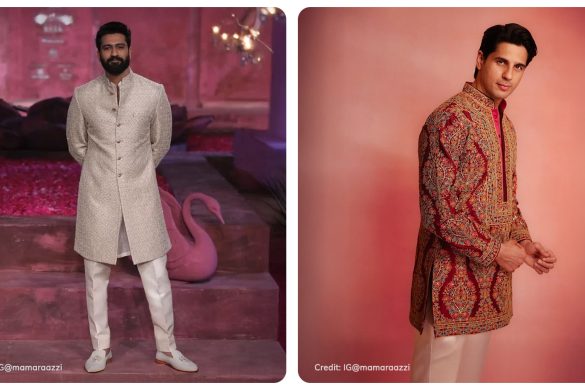
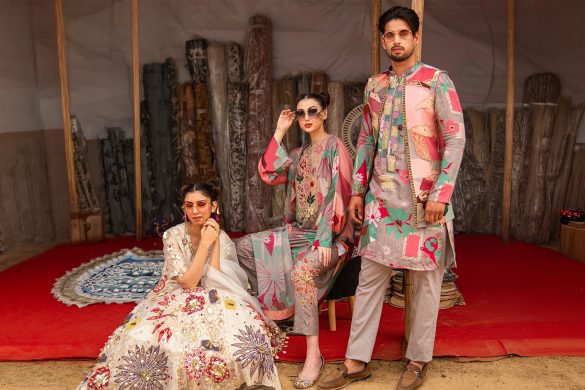
For the maternal uncle and aunt, coordinating outfits show a beautiful sense of family unity. The aunt might choose a rich Banarasi silk saree in a festive tone, while the uncle can wear a matching silk Kurta set. Sisters and bridesmaids can explore pastel designer suits or elegant draped sarees that allow them to move quickly while helping the bride.
Final Thoughts on the Celebration
The Chuda ceremony is a beautiful reminder of what Indian weddings are truly about. It is not just about the grand party or the massive guest list. It is about the quiet, emotional moments shared with the people who raised you and loved you from the very beginning.
By honoring Uttar Pradesh wedding traditions, families create lasting memories. The bright red bangles serve as a constant reminder of the love and protection surrounding the bride. Long after the wedding day passes, many brides choose to wear their Chuda for several months as a tribute to their maternal family's blessings.
As you plan your wedding wardrobe, remember to give these morning rituals the attention they deserve. When you feel comfortable and beautiful in your attire, you can fully immerse yourself in the emotional weight of the ceremony. Explore the extensive collections at Aza Fashions to find the perfect traditional outfits and bridal accessories for your unforgettable wedding journey.