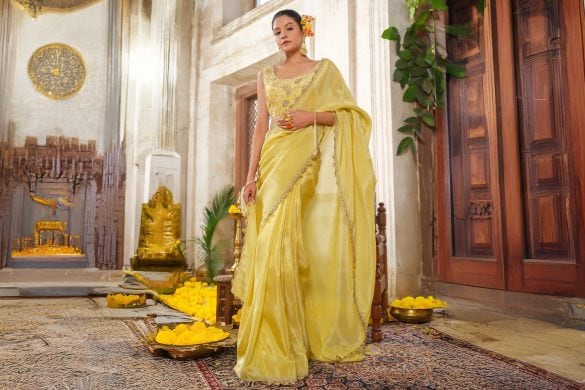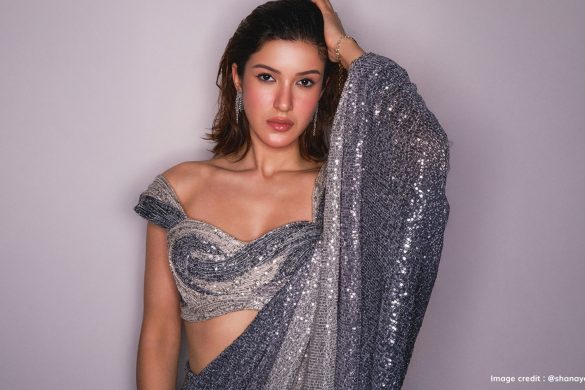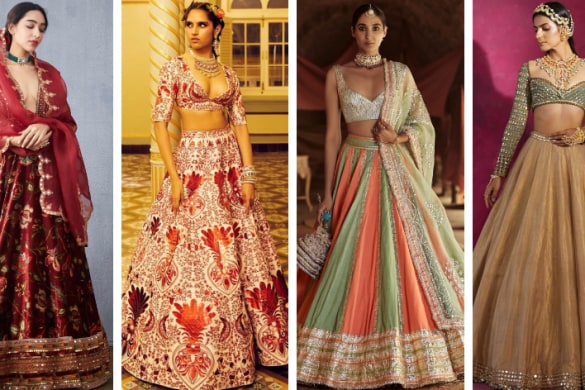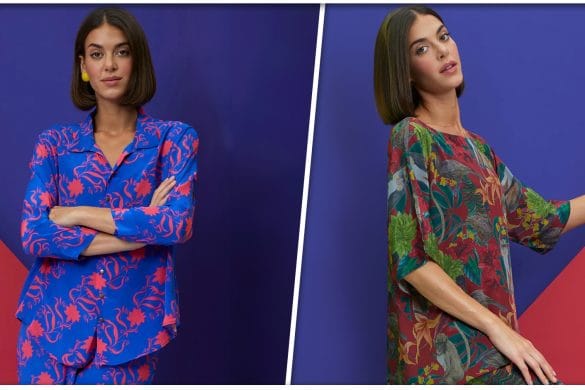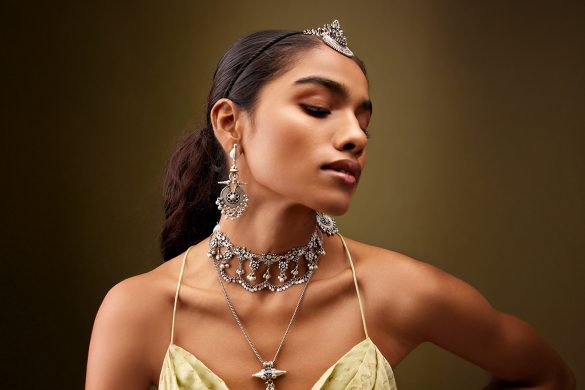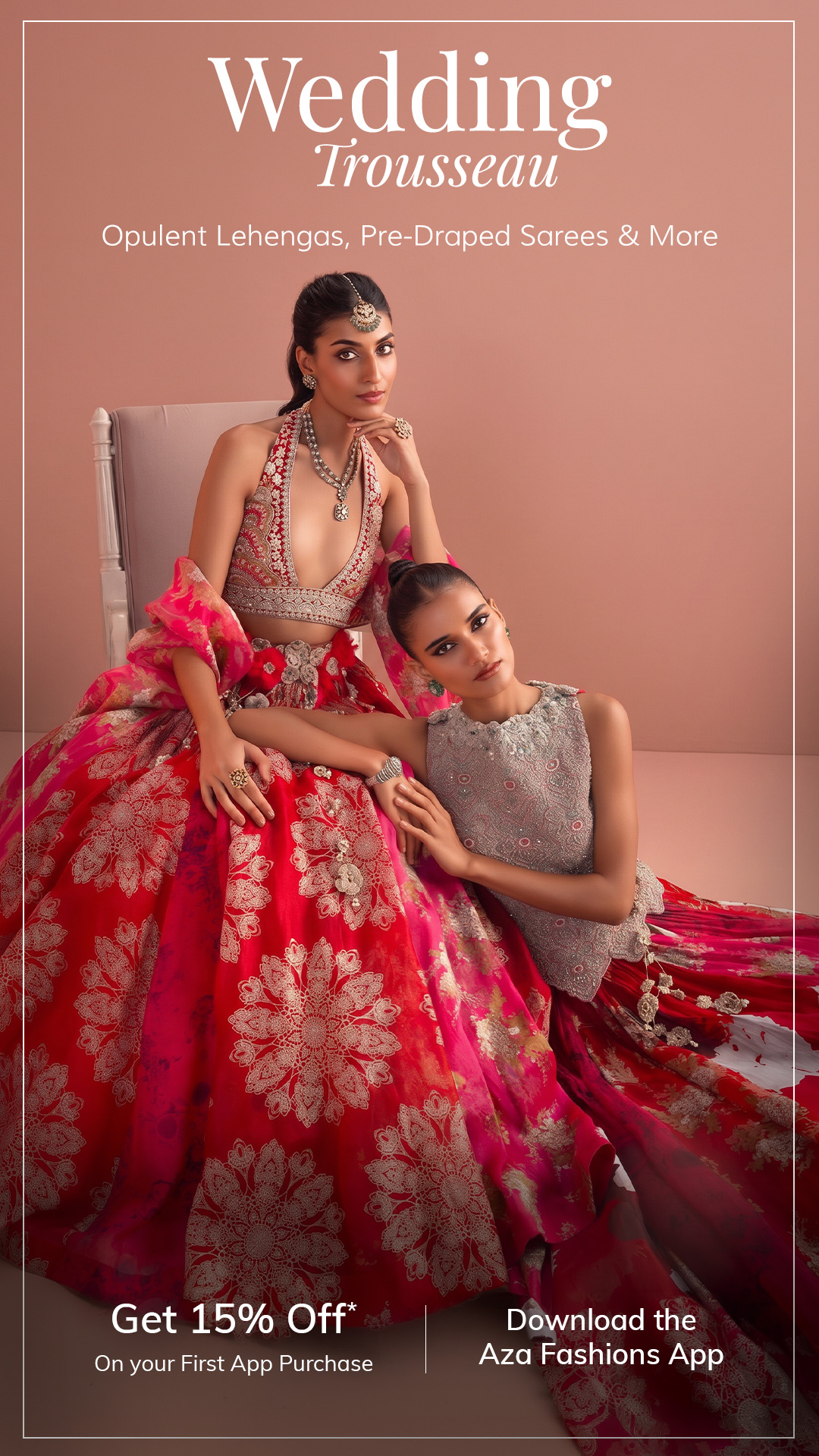
What happens when a culture stops looking outward for what comes next and starts looking inward instead? Indian fashion is finding the answer in its own archive. The saree is being sharpened with modern tailoring, brocade is moving beyond occasionwear, heirloom embroidery is appearing on unexpected silhouettes, and traditional jewellery is becoming an everyday signature. Heritage is being reworked with a distinctly contemporary eye.
For years, Indian fashion was framed through the tension between tradition and modernity. That distinction is beginning to feel dated. Designers are now drawing freely from India’s vast visual vocabulary, mixing it with global influences and creating a fashion language that feels rooted, relevant and entirely its own.
India, in the Global Fashion Vocabulary
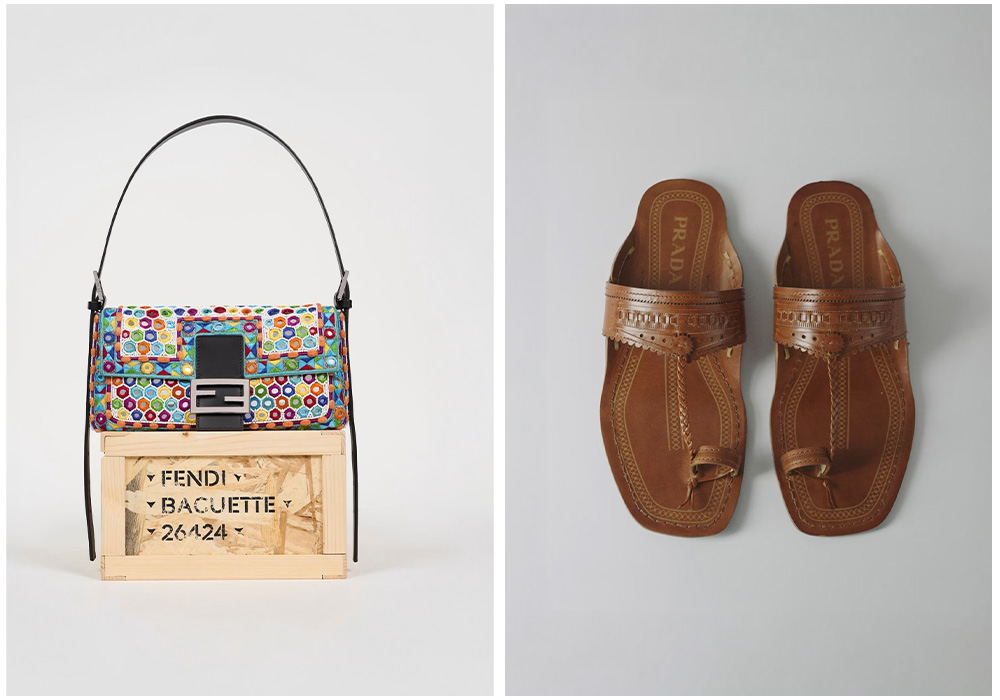
Indian craftsmanship is finding a confident place in global luxury. Dior’s long-standing collaboration with Mumbai-based Chanakya, Prada’s Kolhapuri chappal project and Fendi’s embroidered Baguette show how Indian craft is shaping international design.
This influence is becoming even more visible on global runways. Sabyasachi returned to New York Fashion Week with Bengal Byzantine Broadway, bringing Indian craftsmanship into a contemporary luxury wardrobe. At Paris Fashion Week, Tilfi’s Banarasi textiles appeared on the Matières Fécales runway. Gundi Studios showcased chikankari, hand-painted silks and layered craft, while Lara Raj made sindoor a fashion statement. Gaurav Gupta strengthened his presence in Paris with a new permanent address, and AKIOK explored Indian embroidery and embellishment across a range of contemporary designs.
Beyond the runway, cultural exchanges are shaping everyday style. The fascination with the “Scandinavian scarf” echoes the dupatta’s long-standing place in South Asian dressing. Indian craft is no longer seen simply as heritage. It is becoming a global design language. Perhaps the question is no longer how Indian fashion can go global, but how much of global fashion already speaks in an Indian accent.
The New Indian Cool
There was a time when looking global meant looking Western. A certain silhouette, a certain label, a certain idea of modernity.
That mood is changing.
Today, a brocade jacket can sit with denim. A saree can be styled with a sculptural blouse. Traditional jewellery can become an everyday signature rather than something reserved for a wedding invitation.
This is not nostalgia. It is a new kind of confidence. The Indian consumer is not choosing between the local and the global anymore. The wardrobe is becoming the meeting point. And that cultural ease is beginning to shape what Indian fashion looks like next.
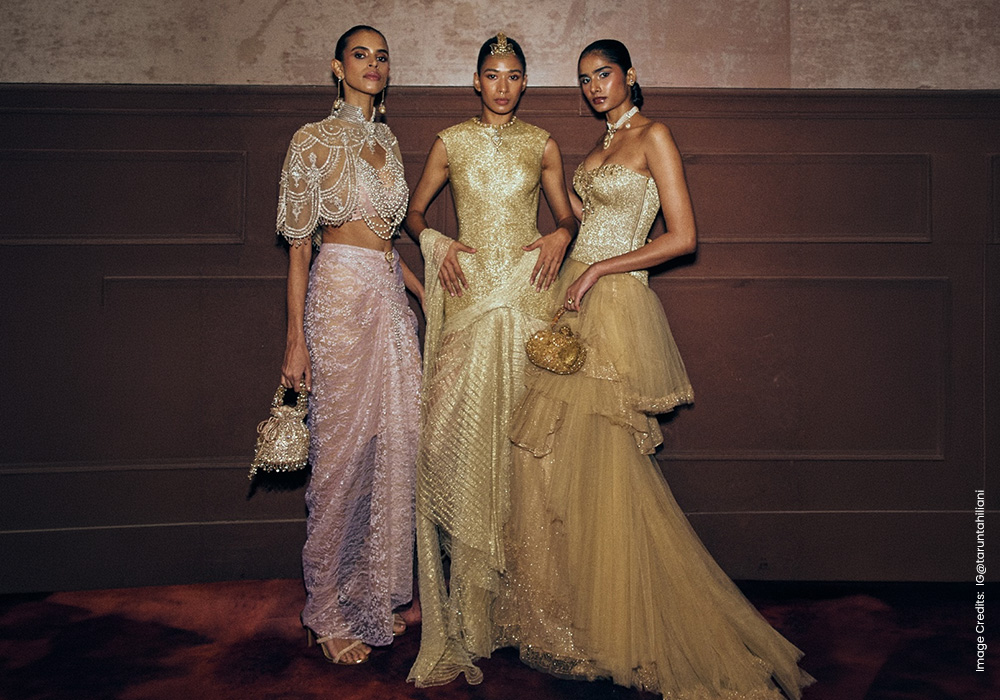
Four Trends Shaping the New Global Indian
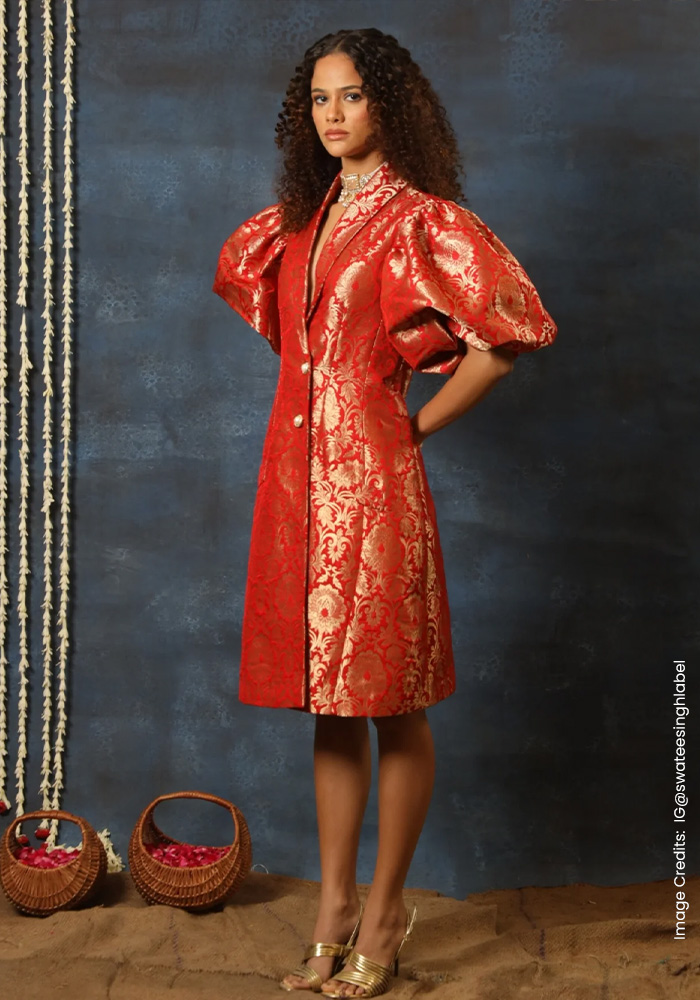
01. Confluence of Cultures
The new Indian wardrobe is being built at the intersection of cultures. Denim meets lehenga, bandhani becomes a corset, brocade takes the shape of a Western dress, and Indian embroidery finds itself on sharply tailored separates. Designers such as Ritu Kumar, Urvashi Kaur, Sarabh Khanijou and Vivek Karunakaran are moving heritage techniques into unfamiliar territory, proving that Indian craft does not need a traditional silhouette to feel rooted. It is a more instinctive way of dressing, where Indian and global references exist without needing to explain themselves.
02. The New Consciousness
In a fashion cycle addicted to newness, wearing something repeatedly starts to feel almost radical. The saree, Patola, Banarasi, handloom and intricate embroidery have always understood the appeal of longevity, but their versatility feels newly relevant. A saree changes with its blouse; an embroidered jacket shifts with its styling, and jewellery moves from occasionwear into the everyday. The conversation is moving beyond buying less for the sake of it towards valuing pieces that can be worn more, styled differently and kept for longer. The new luxury is not having more. It is having pieces that keep giving.
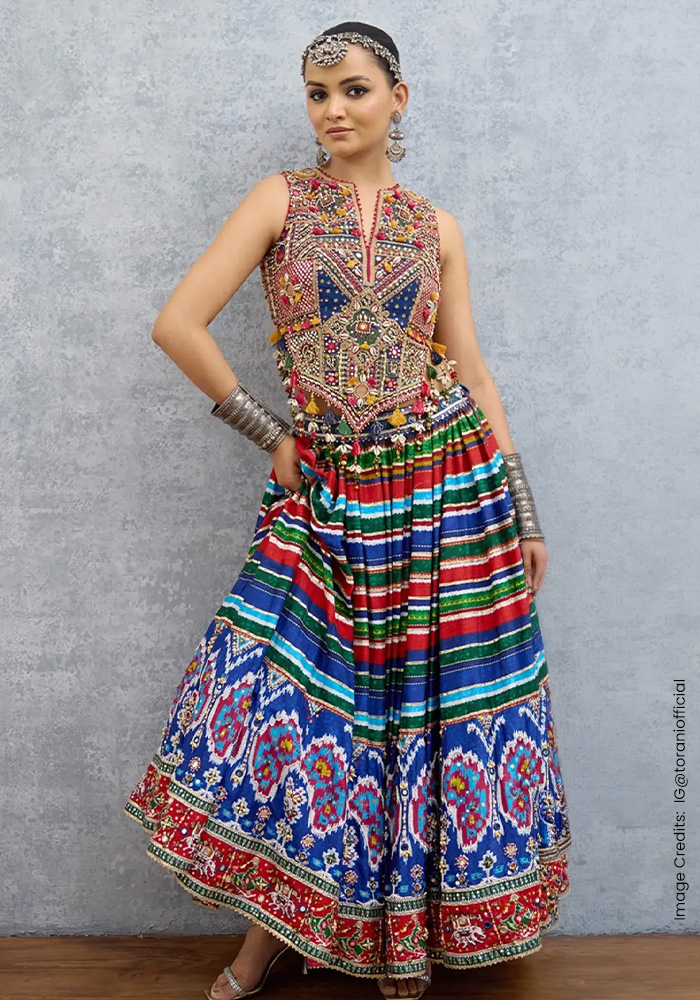
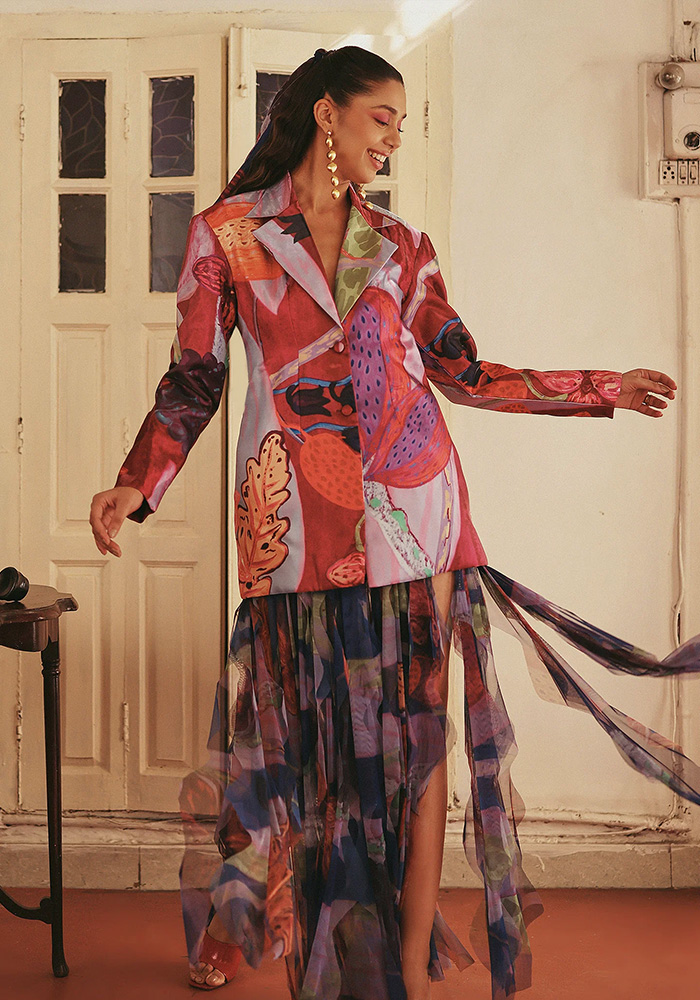
03. A Brighter State of Mind
Fashion embraces a more expressive and optimistic mood, where whimsical details, fluid silhouettes and dreamlike colors come together to create a sense of freedom and escapism. Indian designers like Saaksha & Kinni and Zip by Payal & Zinal are drawing inspiration from art, nature, travel and cultural influences, translating them into playful prints, unexpected textures and silhouettes that feel refreshingly imaginative. The result is clothing that goes beyond the ordinary, inviting a sense of wanderlust and allowing personal style to feel more spontaneous, joyful and free.
04. Androgynous by Design
The idea that certain clothes belong to certain genders is becoming increasingly irrelevant. Fluid drapes, oversized proportions, relaxed tailoring and shared silhouettes are opening up Indian dressing to a more instinctive relationship with clothes. Designers such as Sarabh Khanijou, Vivek Karunakaran, Dhruv Kapoor and Antar-Agni are challenging familiar ideas of proportion and presentation, creating pieces that move freely between traditionally masculine and feminine codes. What emerges is not a new category of clothing, but fewer categories altogether.
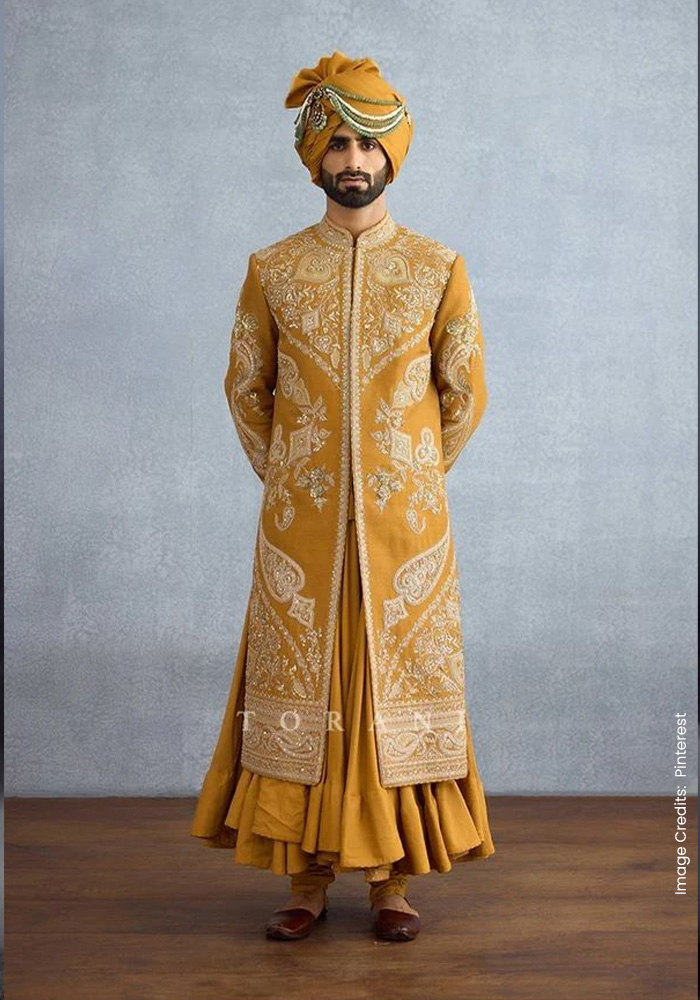
The Global Indian, Rewritten
Put these shifts together, and a larger picture emerges. Indian fashion is becoming more experimental without becoming less rooted. More global without becoming less Indian. Tradition gets reinterpreted rather than repeated.
The Global Indian is not a single aesthetic. It is a way of looking at fashion: knowing where you come from, borrowing liberally from everywhere else and seeing no contradiction in doing both.
Perhaps that is what comes next. Not Indian fashion going global, but the world becoming increasingly fluent in its language.