

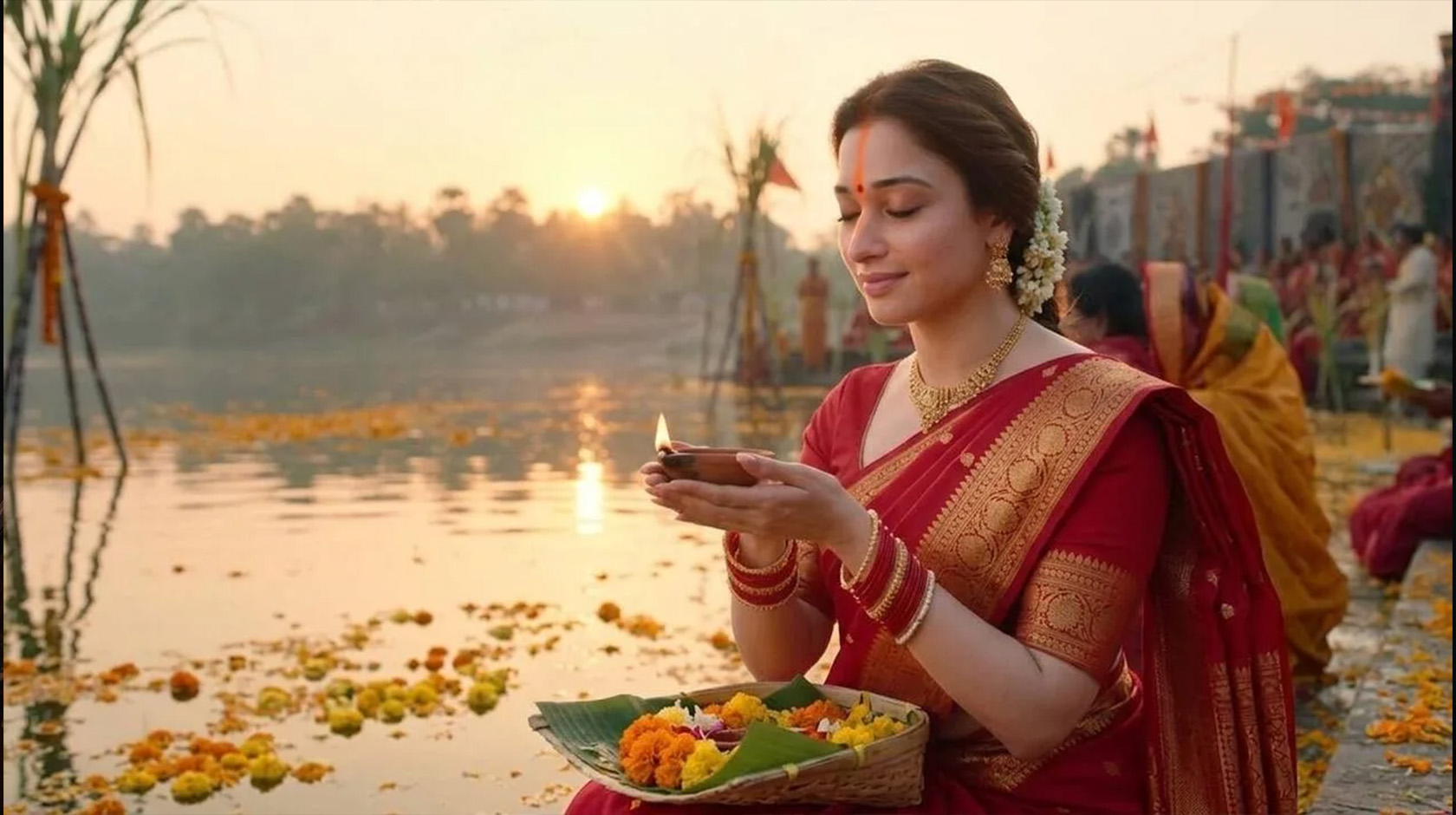
Chhath Puja begins when much of the world is still asleep. At the ghats, the air carries the scent of fresh fruits, the rustle of sugarcane and the quiet prayers of devotees waiting for the sun. Then the horizon begins to glow, turning the water gold and bringing every shade of red, orange, yellow and green into sharper focus. Few festivals connect clothing so closely with nature, faith and the changing light of the day. The colours worn for Chhath Puja draw from the world around the rituals: vermilion sindoor, ripe harvests, green fields and the saffron glow of sunrise. Each shade has its own visual character, making traditional sarees and simple festive outfits feel especially meaningful at the ghat.
But which colours work best for Chhath Puja, and how can you wear them without losing the simplicity the occasion calls for? From auspicious reds and regal maroons to harvest-inspired greens, sunlit oranges and turmeric yellows, here is your guide to five colours that bring tradition and personal style together.
1. Red: A Timeless Symbol of Faith
Red is the heartbeat of the ghat. It’s the colour of sindoor, of the bridal trousseau, and of a woman’s promise to her family’s wellbeing, carried through a 36-hour nirjala vrat.

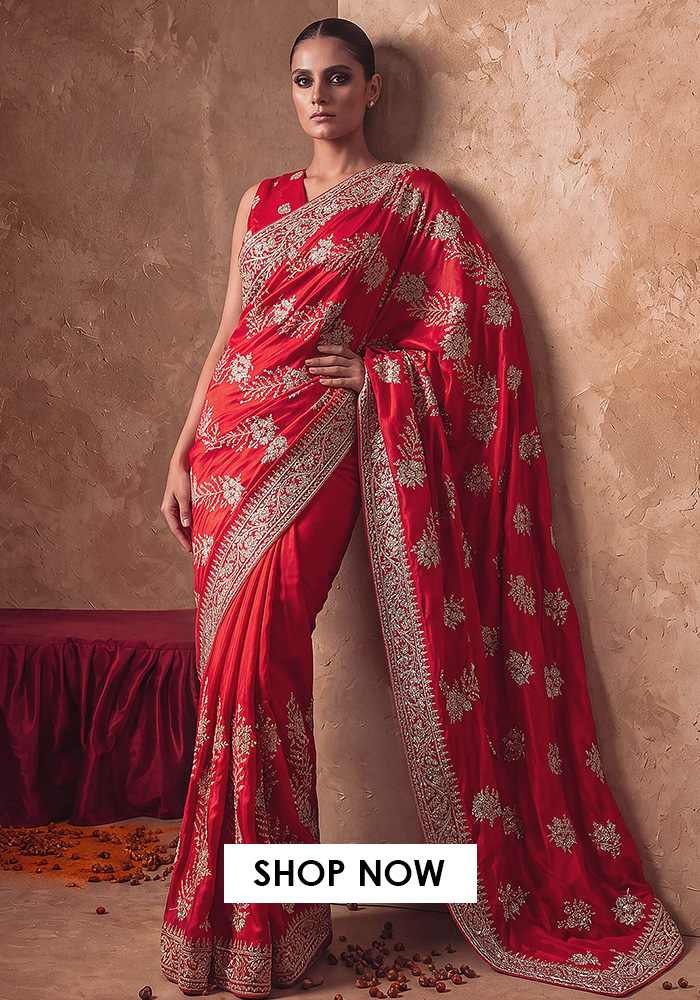
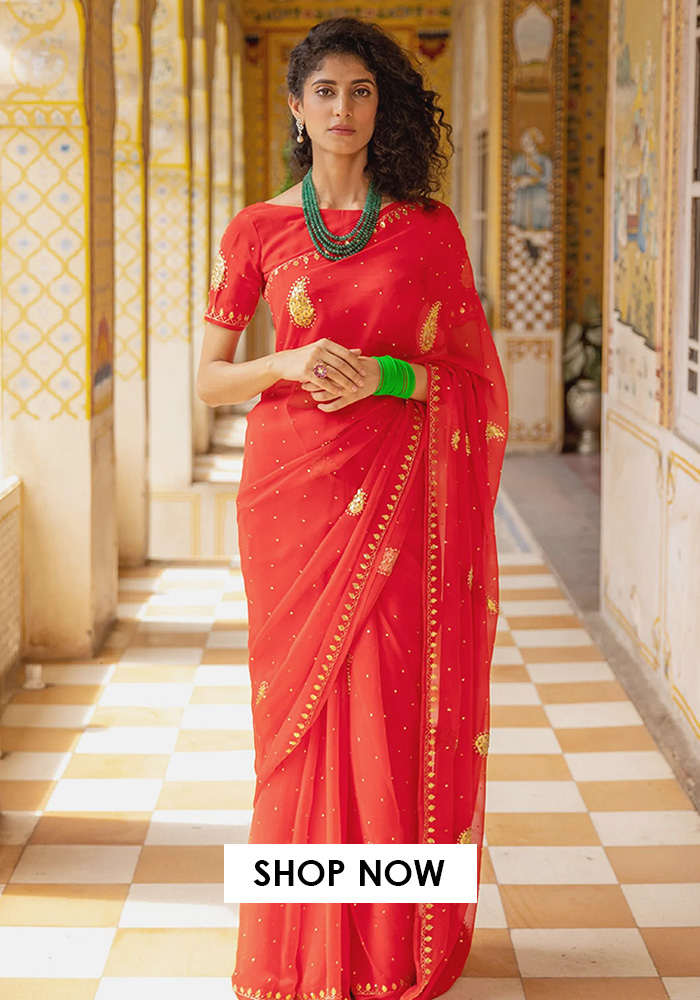
Think pure silk, cotton-silk, and handloom weaves in a deep, saturated vermilion. Banarasi sarees with zari borders catch the low light beautifully, glinting like sun on river ripples. Choose fabrics that breathe, because you’ll be standing in them for a long time.
2. Yellow: Golden Hues for Auspicious Beginnings
Yellow is the colour of haldi and the sun’s own warmth, and it signals purity and new beginnings. It’s the lightest, brightest note in the palette, and it photographs like a dream in morning light.
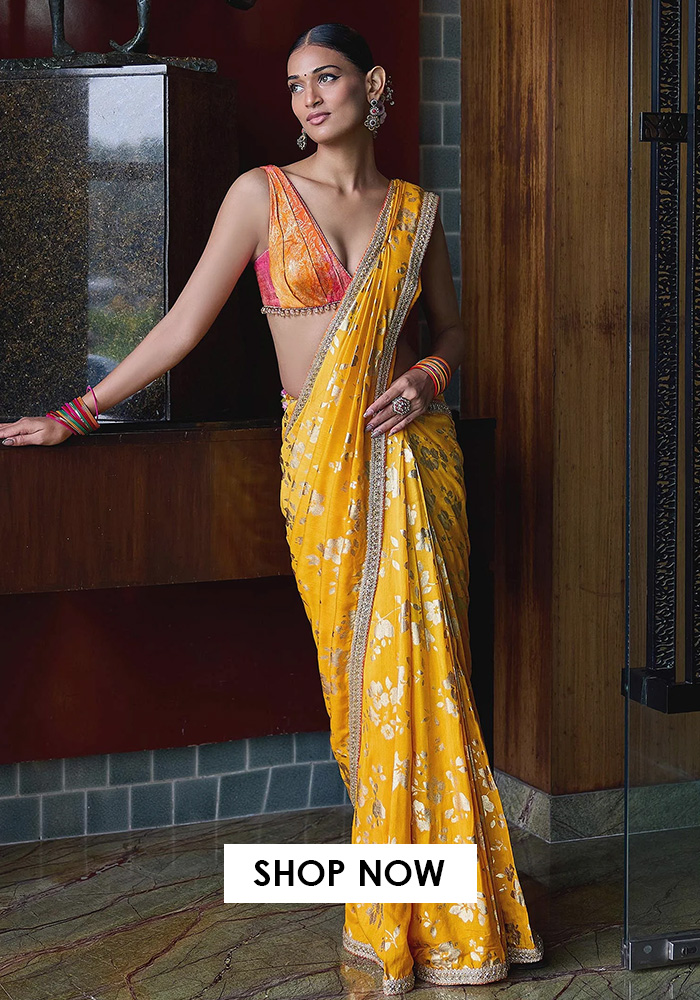
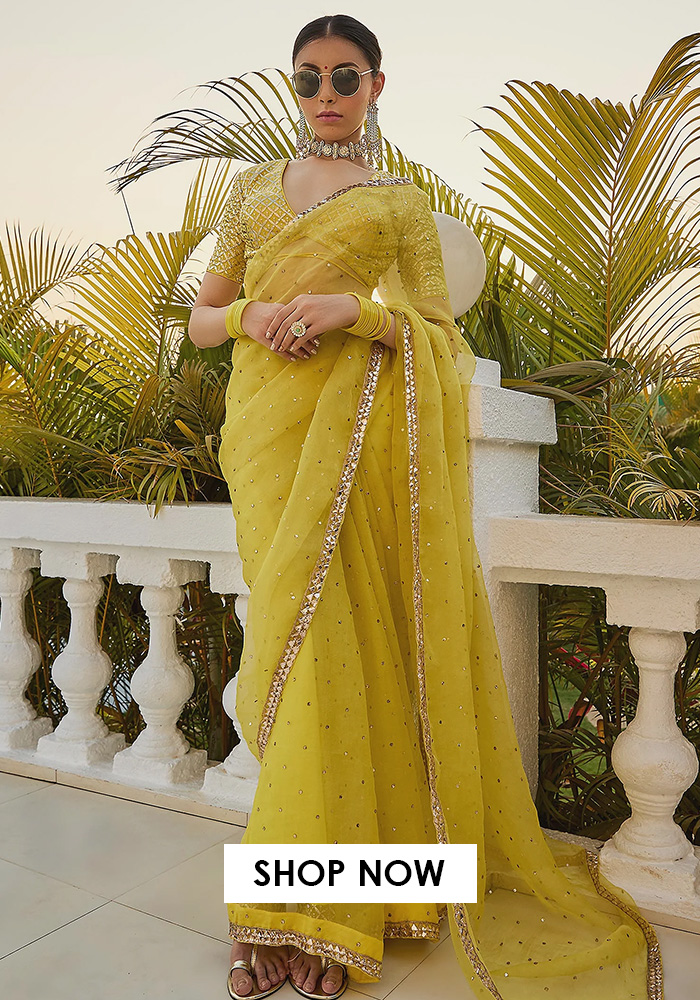
Mustard, turmeric, and marigold yellows work best in cotton, chanderi, and soft silks. Pair them with a red or green border for contrast, or go tonal with gold zari for a glowing, monochrome look.
3. Green: Inspired by Nature and Abundance
Green is the quiet hero of Chhath. It belongs to the sugarcane stalks leaning against the ghat, the banana leaves, and the fields that feed the offerings. It’s the colour of fertility, abundance, and gratitude for harvest.
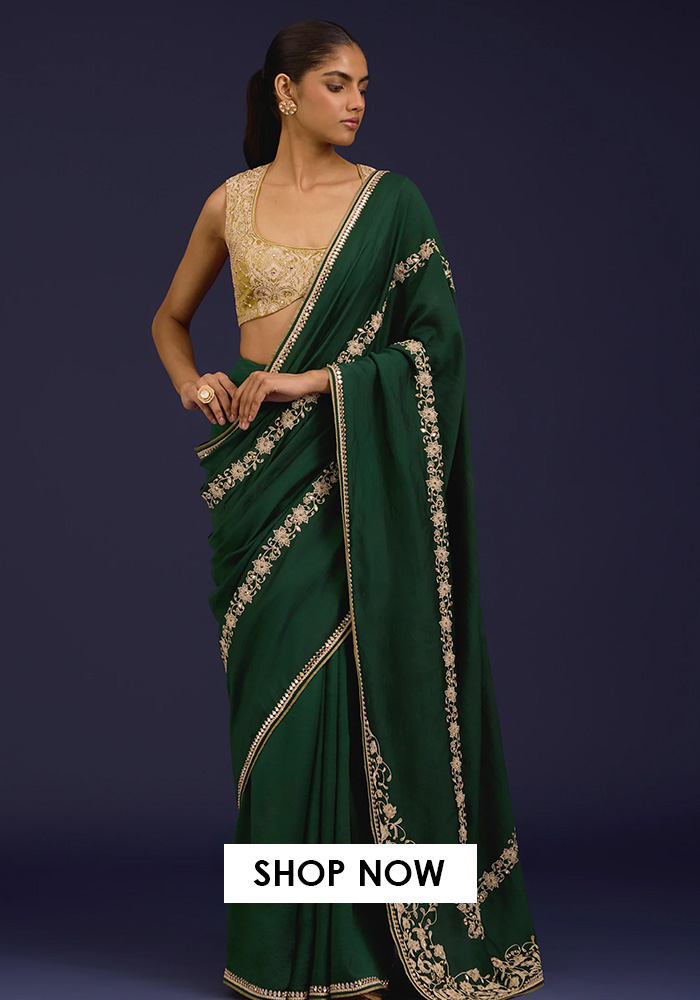
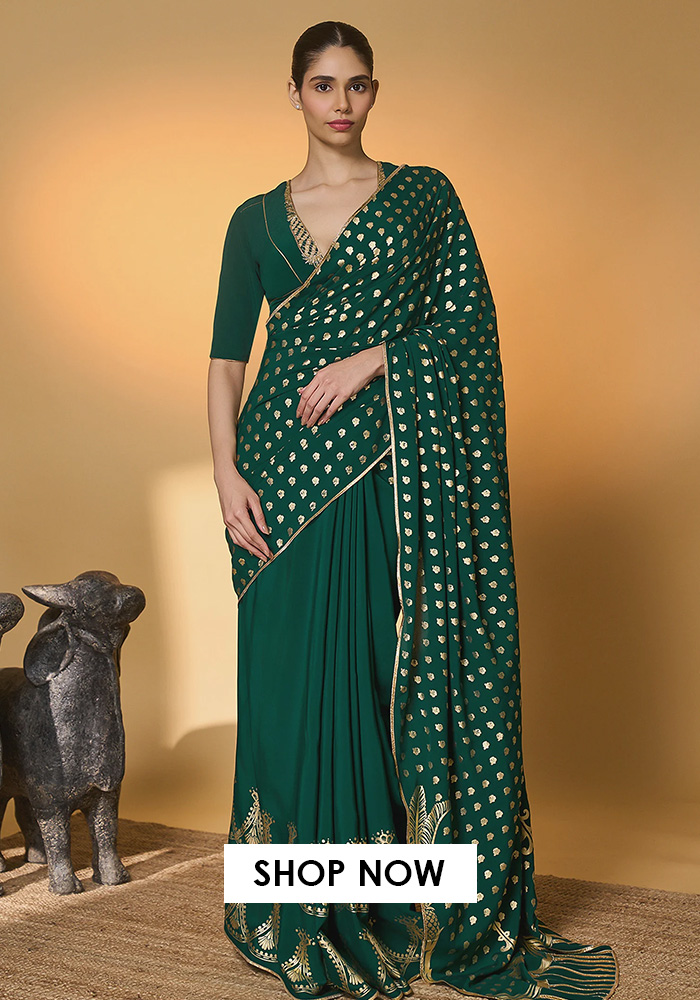
Bottle greens, parrot greens, and mossy bandhani all sit beautifully against the red-and-orange sea around them. A green saree with a contrasting red border is a classic move, a field with a sunrise stitched along its edge.
4. Maroon: The Deeper Side of Tradition
Maroon is red with its voice lowered. It’s the shade of the evening arghya, when the sun is a dull coin slipping behind the water and the whole ghat hushes.
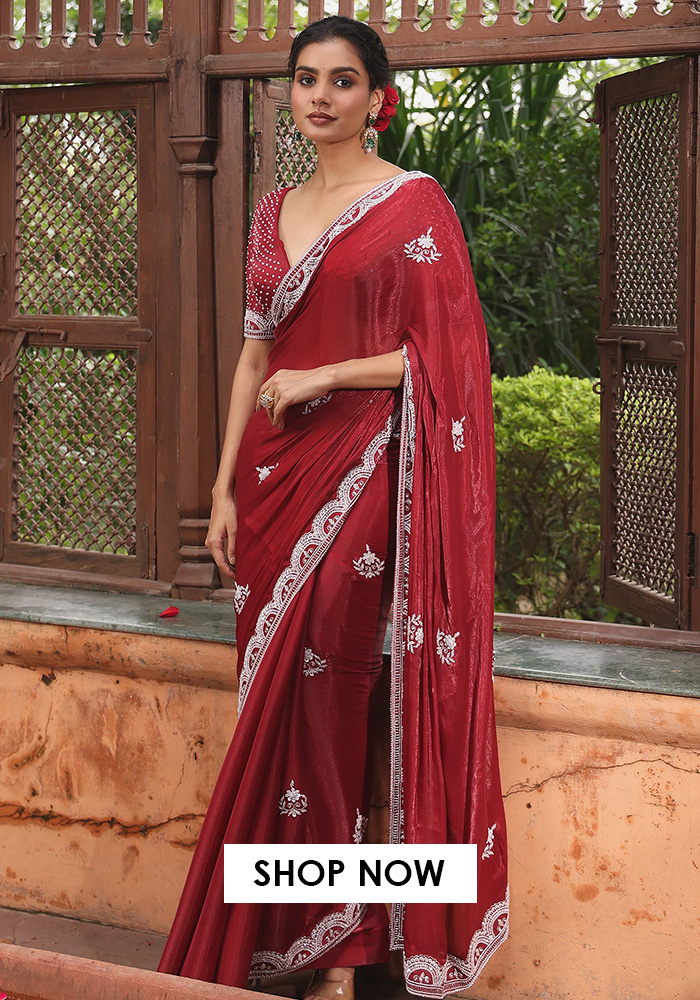
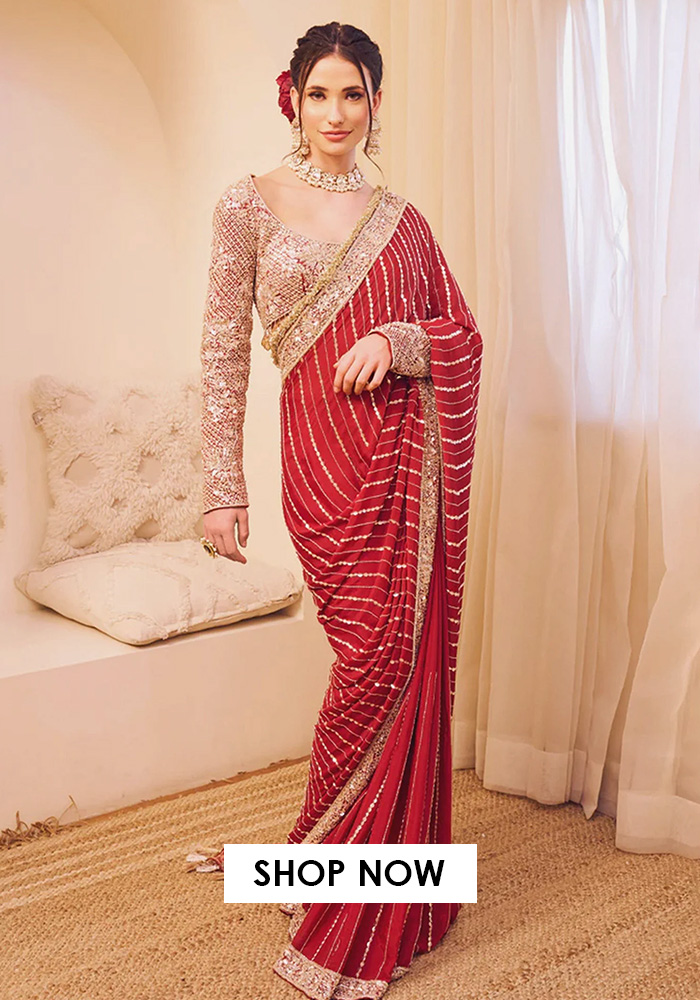
It’s also the most forgiving colour for long ritual days, with a richness that reads regal without trying. Maroon silks with antique gold borders, or a heavy-weave Kanjeevaram, feel like heirlooms even when new. Pair with gold jhumkas and a wide sindoor line, and the look is complete.
5. Orange: Wearing the Colours of Sunrise
Orange is the point of it all. The ritual builds toward the moment the morning sun clears the horizon, and orange is that moment, worn.
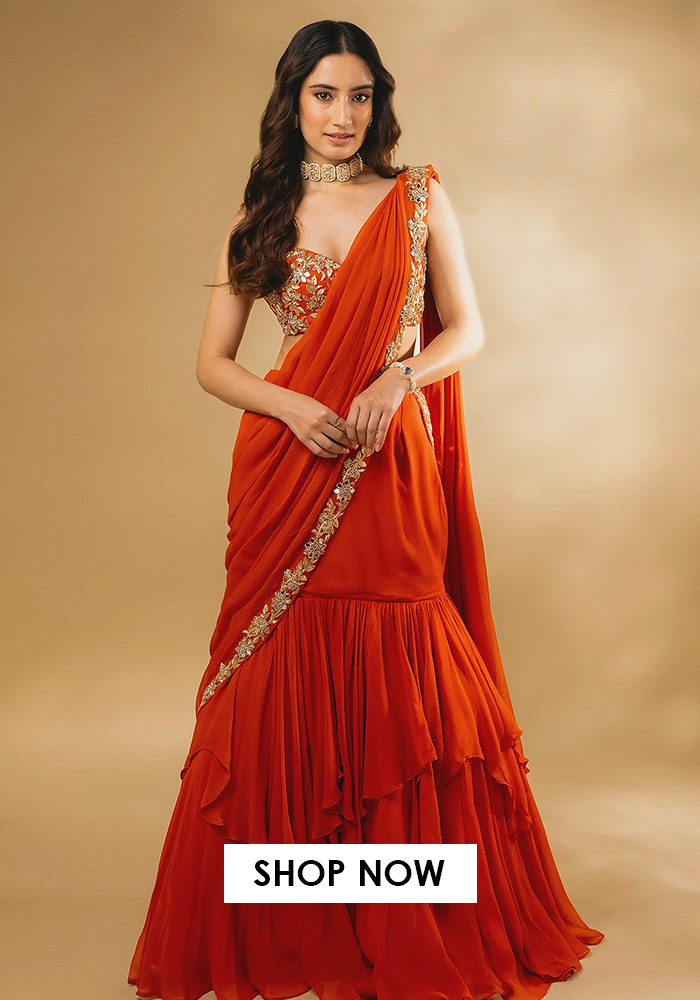
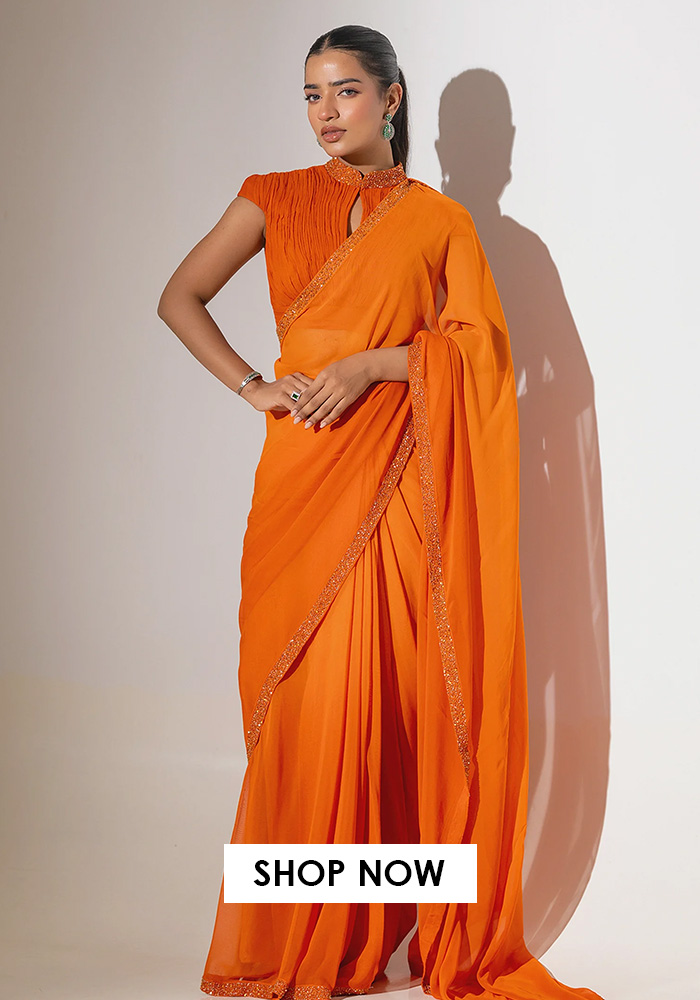
It’s also the shade of sindoor, which in many Bihar and Purvanchal traditions is applied long, from nose to forehead, as a statement of devotion. A marigold-to-saffron saree, a tangerine bandhani, or a burnt-orange suit with tonal embroidery makes you look like you walked out of the dawn itself.
How to Wear the Palette
You don’t have to pick just one. The most striking Chhath looks play two colours against each other: a maroon saree with a green border, a yellow drape with orange accents, or a red base with a green blouse.
Keep embellishment restrained and let fabric do the work. Chhath rewards simplicity, devotion, and dressing that moves well in water, wind, and long hours.