
An engagement ring carries a lot of weight for something so small. It's meant to symbolize forever, sure, but before you get to the sentimental part, there's a more practical question worth answering: what kind of diamond do you actually want sitting on that finger for the rest of your life?
That question has gotten more interesting in recent years. Lab-grown diamonds have entered the conversation in a real way, giving couples a genuine choice between two stones that look alike but come from entirely different places. This piece walks through what separates lab-grown diamonds from natural ones, breaks down the 4Cs that shape a diamond's character, and explores the engagement ring silhouettes, from the eternal solitaire to something a little more unexpected, that let your diamond do the talking.
The Diamond Decision
Diamond origin used to be a non-question. Now it's one of the first things couples discuss when ring shopping. The lab-grown vs natural diamond debate isn't about one being "better" than the other. It's about what matters most to you: budget, rarity, environmental footprint, or tradition. Getting familiar with both options makes the rest of the ring shopping process a lot easier.
A New Kind of Sparkle
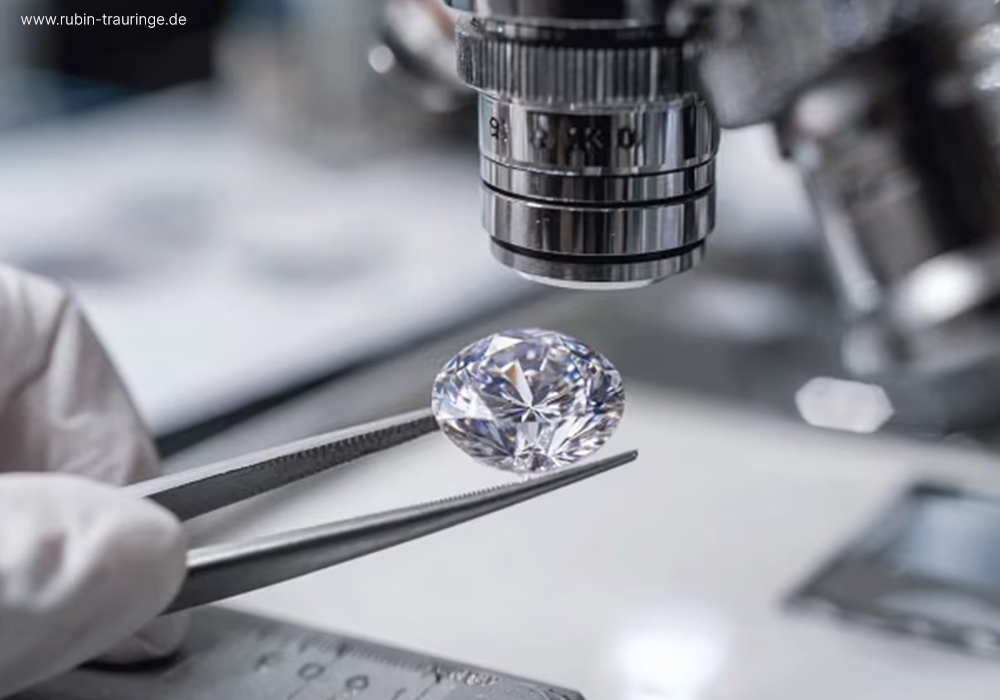
Lab-grown diamonds are real diamonds. That surprises people the first time they hear it. They're grown in controlled environments using one of two methods, High Pressure High Temperature or Chemical Vapor Deposition, both of which replicate the natural conditions that form diamonds underground. The result is a stone with the same chemical composition, crystal structure, and optical properties as a natural diamond.
The difference lies in timeline. What takes the earth billions of years to produce, a lab can grow in a matter of weeks. Visually, a trained gemologist needs specialized equipment to tell a lab-grown diamond apart from a natural one. To the naked eye, they're identical.

The Original Classic
Natural diamonds form deep in the earth's mantle, under intense heat and pressure, over the course of one to three billion years. Volcanic activity eventually brings them closer to the surface, where they're mined. That timeline alone explains part of their appeal. Every natural diamond is a small geological archive, formed long before human history began.
This origin story is part of why natural diamonds have held their place in fine jewelry for centuries. They're finite. Once a natural diamond is mined, that's it. No more can be made. That scarcity has shaped their cultural and financial value for generations.
Two Origins, One Iconic Stone
Here's the side-by-side that most people actually want.
Origin and formation: Natural diamonds form underground over billions of years. Lab-grown diamonds are created in controlled lab settings over weeks.
Appearance: Both are visually identical to the naked eye, sharing the same brilliance, fire, and hardness.
Rarity: Natural diamonds are finite resources. Lab-grown diamonds can be produced on demand, which affects how each is perceived and valued.
Price: Lab-grown diamonds typically cost 20 to 40 percent less than natural diamonds of comparable size and quality, making them appealing for couples who want a bigger stone within the same budget.
Certification: Reputable lab-grown and natural diamonds should both come with certification from an independent grading lab, clearly stating the diamond's origin along with its 4Cs.
Resale: Natural diamonds have historically held resale value better than lab-grown diamonds, though this is an evolving area as lab-grown diamonds become more mainstream.
Neither option is inherently the right choice. It comes down to what you're looking for: heritage and scarcity, or size and value.
The Four Cs Still Matter
No matter which diamond origin you choose, the 4Cs determine how a diamond actually looks and performs.
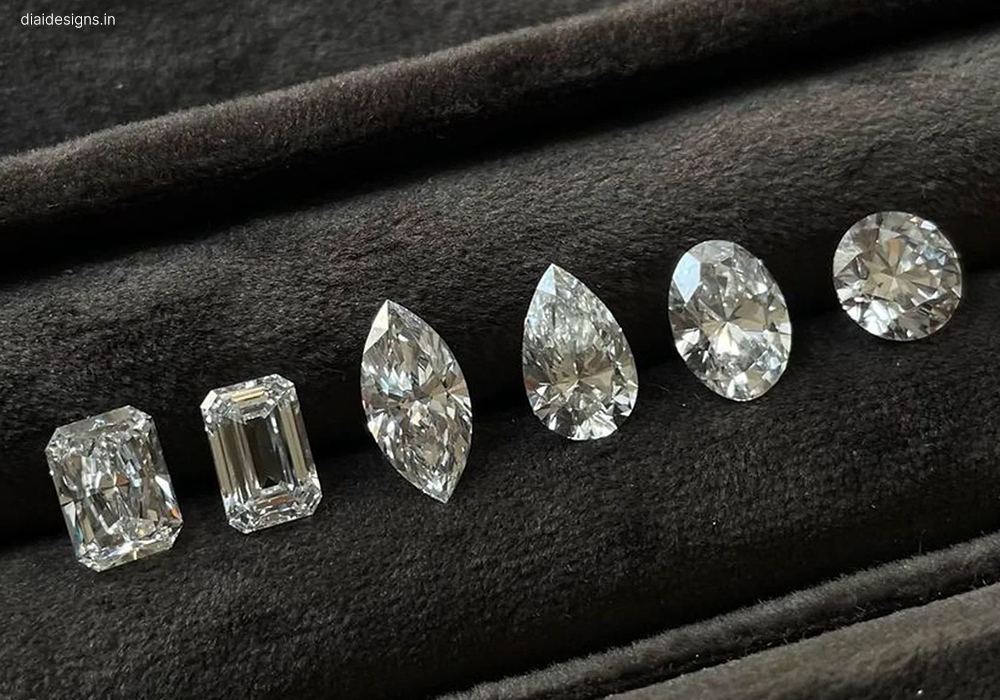
Cut refers to how well a diamond's facets interact with light. A well-cut diamond reflects light beautifully, regardless of its origin. This has the biggest impact on sparkle.
Color is graded on a scale from D (colorless) to Z (noticeable color). Colorless diamonds are considered the most valuable, though warmer tones have their own appeal in certain settings.
Clarity measures internal and external imperfections, known as inclusions and blemishes. Fewer imperfections generally mean a higher clarity grade, though many inclusions are invisible without magnification.
Carat is simply the diamond's weight, not its size. Two diamonds of the same carat weight can look different in size depending on how they're cut.
Understanding the 4Cs gives you a shared language for comparing diamonds, whether you're looking at lab-grown or natural stones.
Once you know your diamond, the next decision is just as personal: the silhouette it sits in.

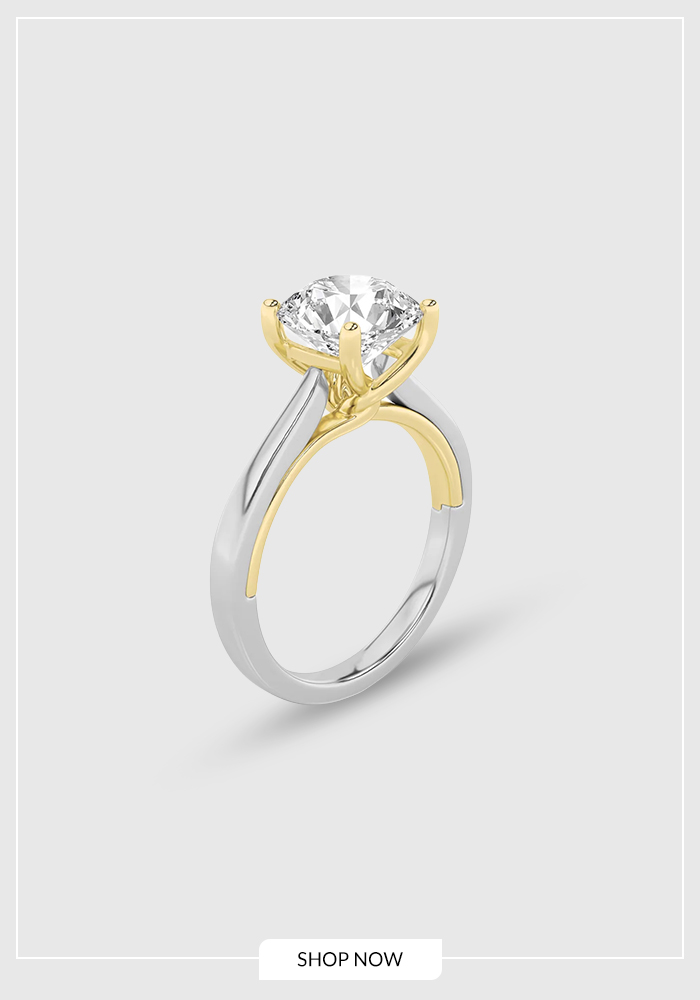
The Solitaire, Always
There's a reason the solitaire has never gone out of style. One diamond, one band, no distractions. It's the ring equivalent of a well-tailored blazer: simple, but only because everything unnecessary has been removed. Araiya's solitaire designs lean into this restraint, using clean, elevated settings that let the center diamond, lab-grown or natural, be the entire story.
The Halo Effect
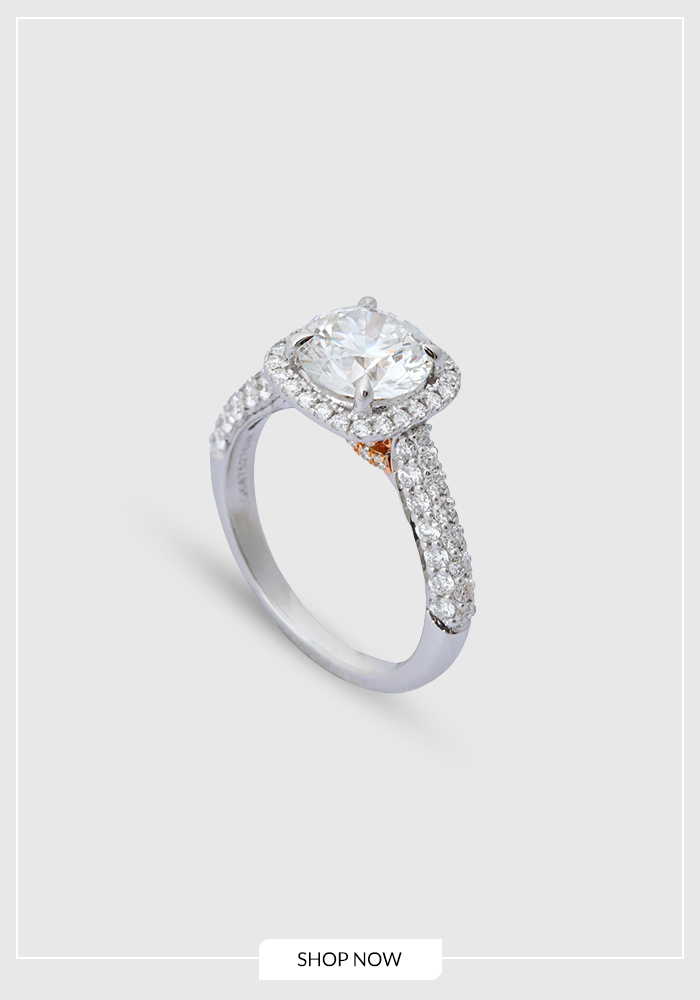
A halo engagement ring surrounds the center stone with a ring of smaller diamonds, creating the illusion of a larger, more luminous centerpiece. It's a style built for maximum sparkle without necessarily increasing carat weight, which makes it a popular choice for those balancing budget with visual impact. Araiya's halo settings frame the center diamond in a way that amplifies its brilliance from every angle.
Three Stones, One Story
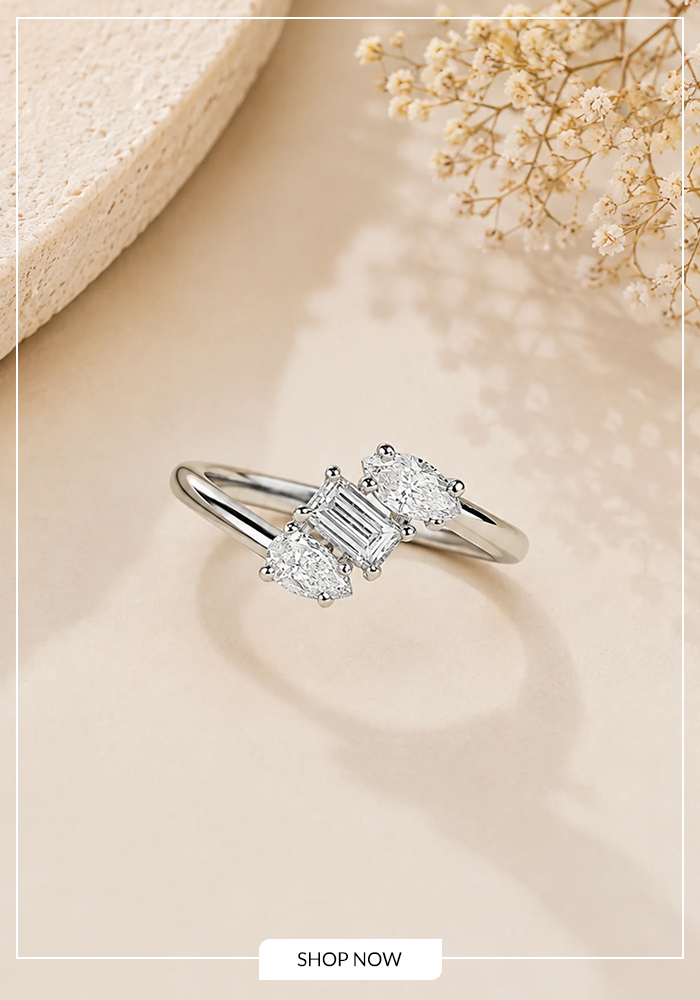
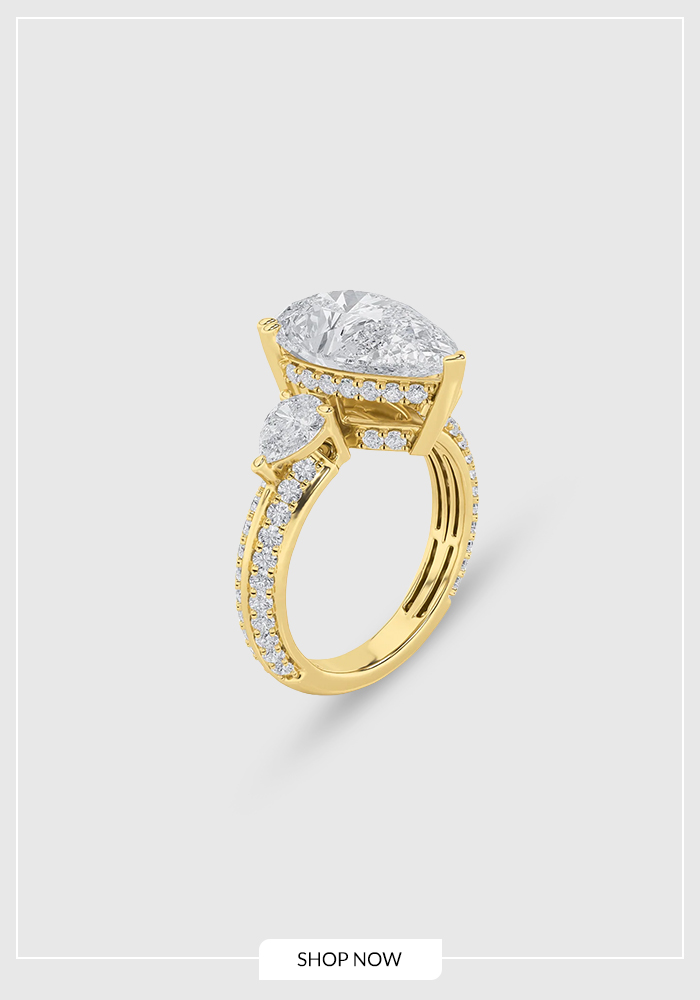
The three-stone ring carries meaning built into its structure: past, present, and future, told through three diamonds in sequence. It's a more layered silhouette than a solitaire, with a sense of movement across the hand. Araiya's three-stone designs often pair a larger center diamond with two smaller flanking stones, creating rhythm without overwhelming the design.
The Oval Obsession
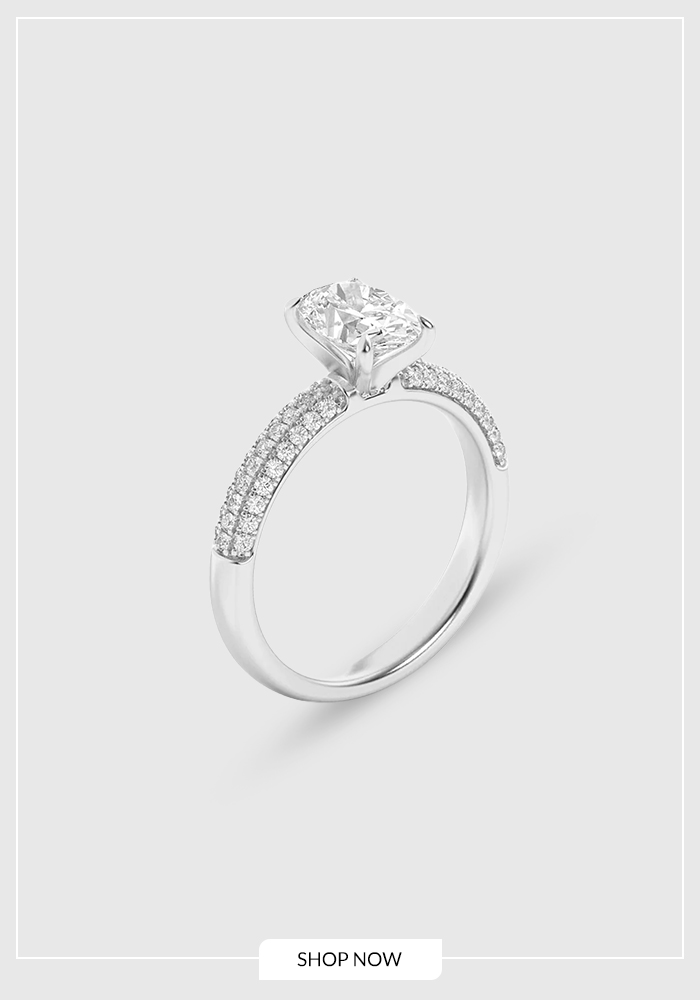
The oval cut has become one of the most requested diamond shapes for engagement rings, and it's easy to see why. Its elongated silhouette creates the appearance of a larger stone while also elongating the finger. It photographs beautifully and feels distinctly modern without straying from tradition. Araiya's oval diamond rings highlight this shape's natural elegance, often in sleek, minimal settings that let the cut speak for itself.
A Little More Unexpected
Not every bride wants a round or oval center stone, and that's where shapes like pear, emerald, cushion, or even a toi et moi setting come in. These styles bring individuality to a category that can otherwise feel formulaic. Araiya by Aza offers designs in these less conventional shapes for those who want a ring that feels distinctly their own, without sacrificing the craftsmanship expected of fine diamond jewelry.
Know Your Diamond, Then Choose Your Ring
There's no universal formula for the "right" engagement ring. What matters is understanding your options: knowing the real differences between lab-grown and natural diamonds, understanding how the 4Cs shape a diamond's character, and finding a silhouette that feels like an extension of your personal style rather than a trend you're following.
Whether that means a classic solitaire, a halo built for sparkle, or an oval cut with a little edge, the goal is the same: a ring that feels considered, not generic. Araiya's collection of lab-grown and natural diamond engagement rings spans exactly this range, giving couples the room to choose a diamond and a design that actually fits them.