
Diamonds have always had a way of making an entrance. While you can trust delicate pendants to elevate your everyday wardrobe, a statement diamond necklace can turn a simple saree or evening gown into a memorable occasion look. But in 2026, buying diamonds comes with a new question: do you need a naturally mined diamond to get the brilliance, or can a lab-grown diamond offer the same sparkle?
Over time, lab-grown diamond necklaces have received immeasurable love by the jewellery-enthusiasts across India for their diamond composition, contemporary designs and range of price points. From minimal solitaire pendants to elaborate diamond chokers, there is a design for almost every occasion and personal style.
Whether you are shopping for your first diamond necklace, looking for a thoughtful anniversary gift or adding a statement piece to your bridal jewellery collection, this guide covers everything you need to know before buying a lab-grown diamond necklace in India in 2026.
What Are Lab-Grown Diamond Necklaces?
Lab-grown diamond necklaces feature diamonds created in controlled laboratory environments rather than formed naturally beneath the Earth's surface over millions of years.
The important detail? Lab-grown diamonds have essentially the same chemical composition, crystal structure and optical properties as natural diamonds. They are real diamonds, not diamond simulants such as cubic zirconia or ordinary moissanite.
The difference lies in their origin. Natural diamonds form through geological processes, while lab-grown diamonds are produced using advanced technologies that replicate certain conditions involved in diamond formation.

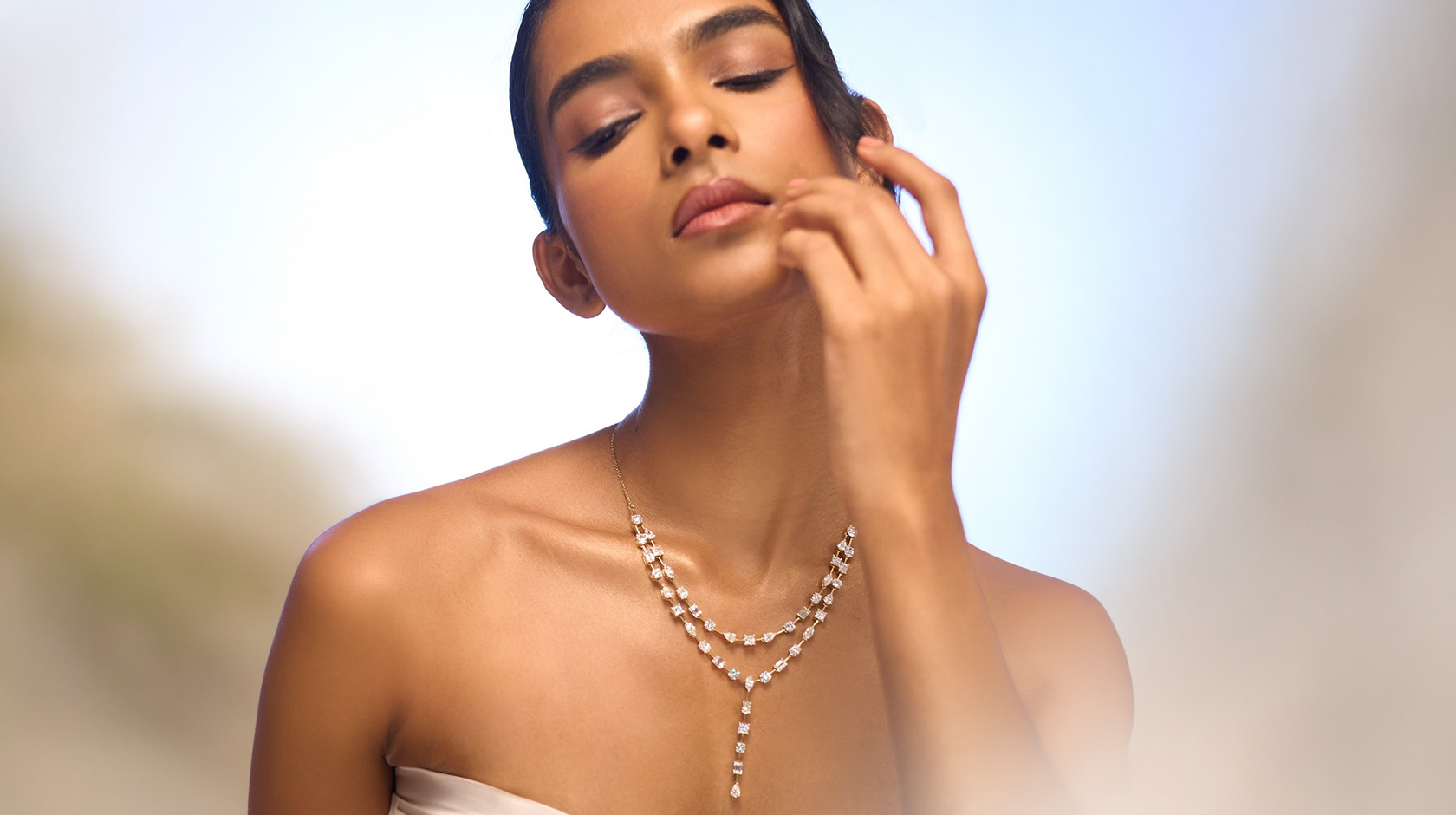
These diamonds are then cut, polished and set into jewellery designs ranging from understated everyday pendants to elaborate occasion necklaces.
For buyers, this means you can enjoy the characteristic brilliance of diamond jewellery while considering a different price point and a wider variety of contemporary designs.
Why Are Lab-Grown Diamond Necklaces Popular in India in 2026?
From heirloom jewellery to contemporary designs, diamonds have long been part of India's jewellery culture. Lab-grown diamonds offer a modern alternative for buyers looking to balance style, quality and budget.
1. More Accessible Price Points
Lab-grown diamonds generally cost less than natural diamonds with comparable characteristics, making larger stones and elaborate designs more accessible.
2. Designs for Every Occasion
From delicate everyday pendants to statement necklaces for weddings and parties, there are styles to suit different outfits and occasions.

3. Contemporary Designs
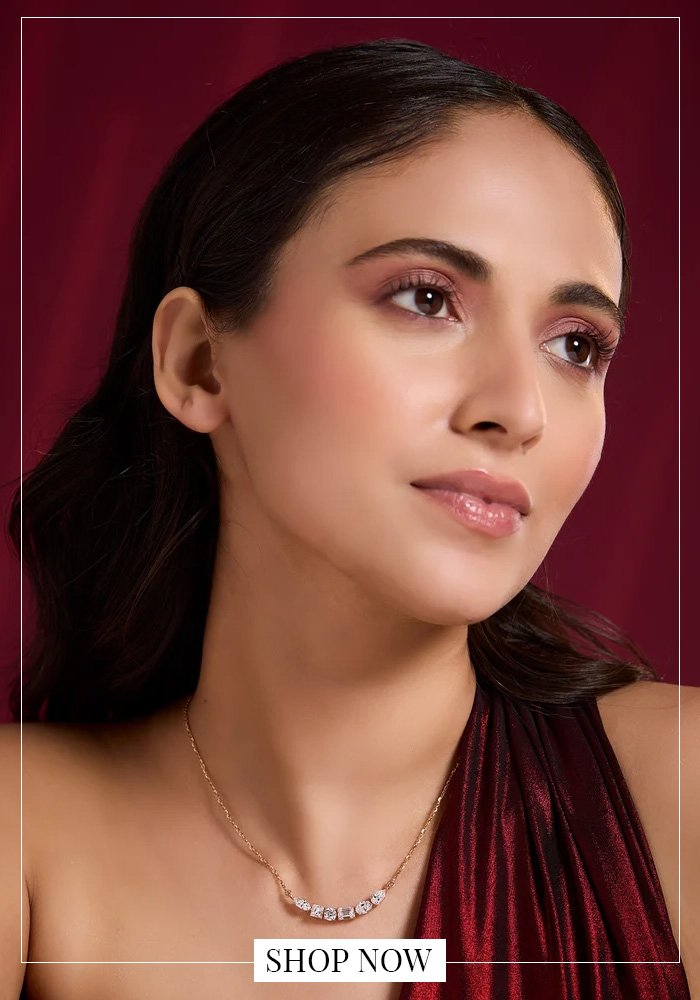
Minimalist silhouettes, geometric pendants and modern diamond settings appeal to buyers looking for jewellery that reflects their personal style.
4. Meaningful Gifting
Whether it's a birthday, anniversary or engagement, lab-grown diamond necklaces offer a contemporary gifting option. However, consider resale value and exchange policies before purchasing.

How to Choose a Lab-Grown Diamond Necklace: 5 Things to Check
A beautiful design is just the beginning. Before buying a lab-grown diamond necklace, consider these five essential factors.
1. Understand the 4Cs
The 4Cs help you evaluate diamond quality:
- Cut: Affects how brilliantly the diamond reflects light.
- Colour: Grades range from D (colourless) to Z (light yellow or brown).
- Clarity: Measures internal inclusions and external blemishes.
- Carat: Refers to the diamond's weight, not its size.
For multi-stone necklaces, check whether the listed carat weight refers to the centre stone or the total diamond weight.
2. Check the Certification
Look for a grading report from a recognised gemological laboratory. Verify the diamond's origin, specifications, grading laboratory and report number. For necklaces with multiple stones, check which diamonds the report covers.
3. Choose the Right Metal
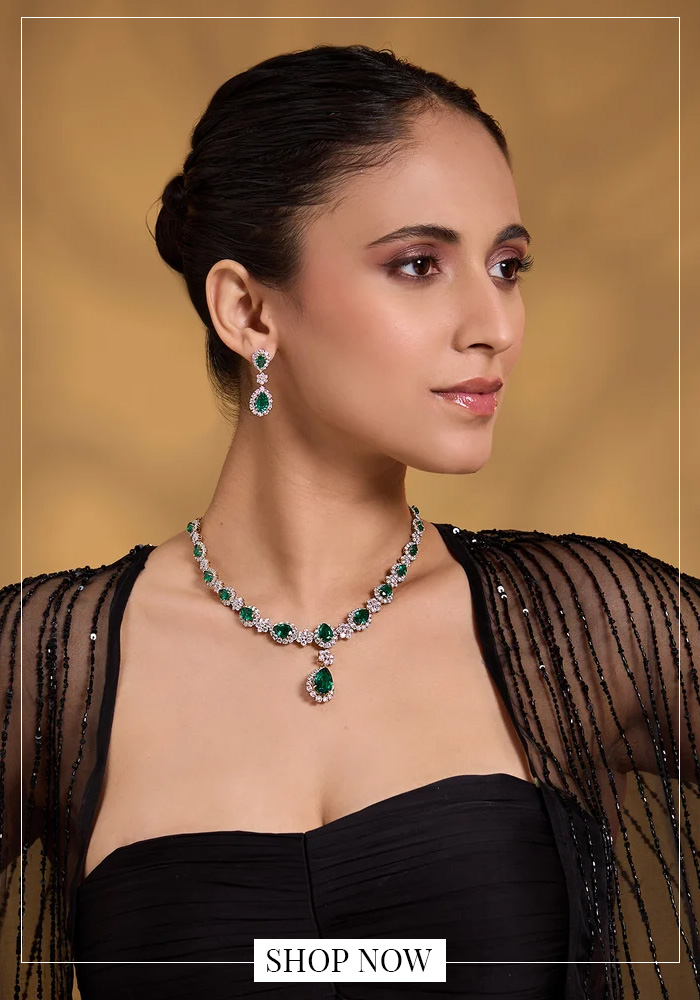
18K gold, 14K gold and platinum are popular options for diamond necklaces. White gold offers a contemporary finish, while yellow and rose gold create different styling possibilities. Check metal purity and hallmarking details before purchasing.
4. Consider the Length and Fit
Short necklaces and chokers work well with open necklines, while medium-length pendants are versatile for everyday wear. Before ordering online, check the chain length, pendant dimensions and clasp details.
5. Inspect the Setting and Craftsmanship
Prong, bezel and pavé settings offer different looks and levels of coverage. Check that the stones are secure, the clasp is sturdy and the finish is smooth. Also, ask about repair and maintenance services.
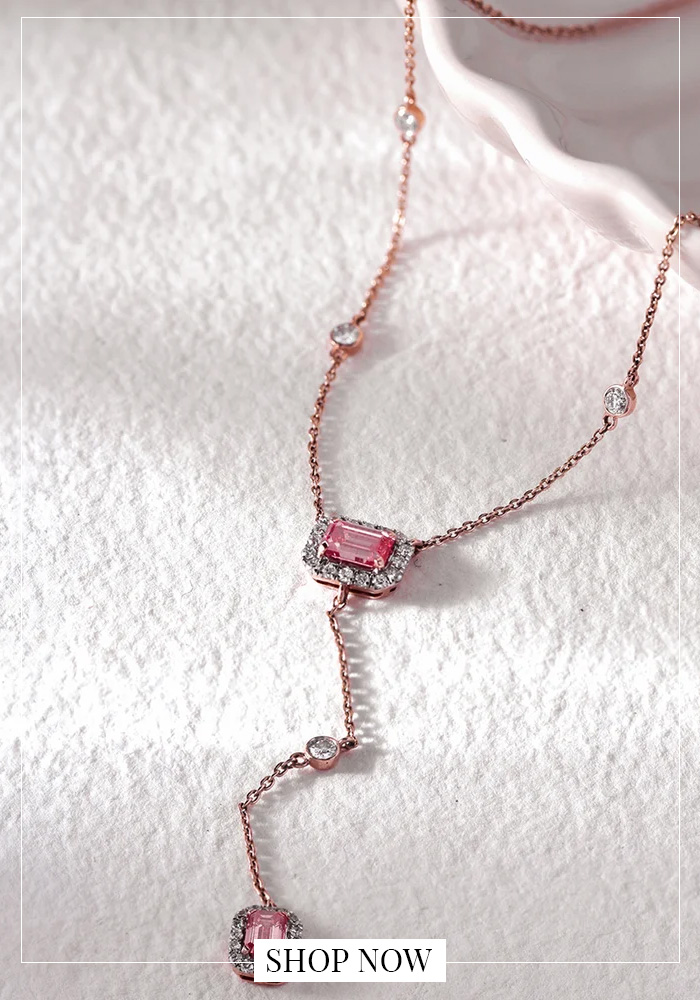
How to Style Lab-Grown Diamond Necklaces with Indian Outfits
Lab-grown diamond necklaces can complement everything from traditional Indian ensembles to contemporary Western wear. The key is to match the necklace to your outfit's neckline, embellishments and occasion.
With Sarees
Pair a delicate solitaire pendant with a silk saree for understated elegance. For weddings and festive occasions, a diamond choker can complement an embellished blouse or a contemporary draped saree.
With Lehengas
A structured diamond collar adds definition to a heavily embroidered lehenga. If your necklace is elaborate, opt for simpler earrings to keep the overall look balanced.
With Kurtas and Festive Sets
A dainty diamond pendant adds a polished finish to silk kurtas, embroidered suits and coordinated festive sets. It is an easy way to elevate your outfit without over-accessorising.
With Western Wear
Style a diamond tennis necklace with a little black dress for an evening event, or layer delicate diamond chains over a plain top for a contemporary look. Let your neckline guide your choice.
How to Care for Your Lab-Grown Diamond Necklace
Lab-grown diamonds are durable, but the necklace's metal, chain and setting still need proper care.
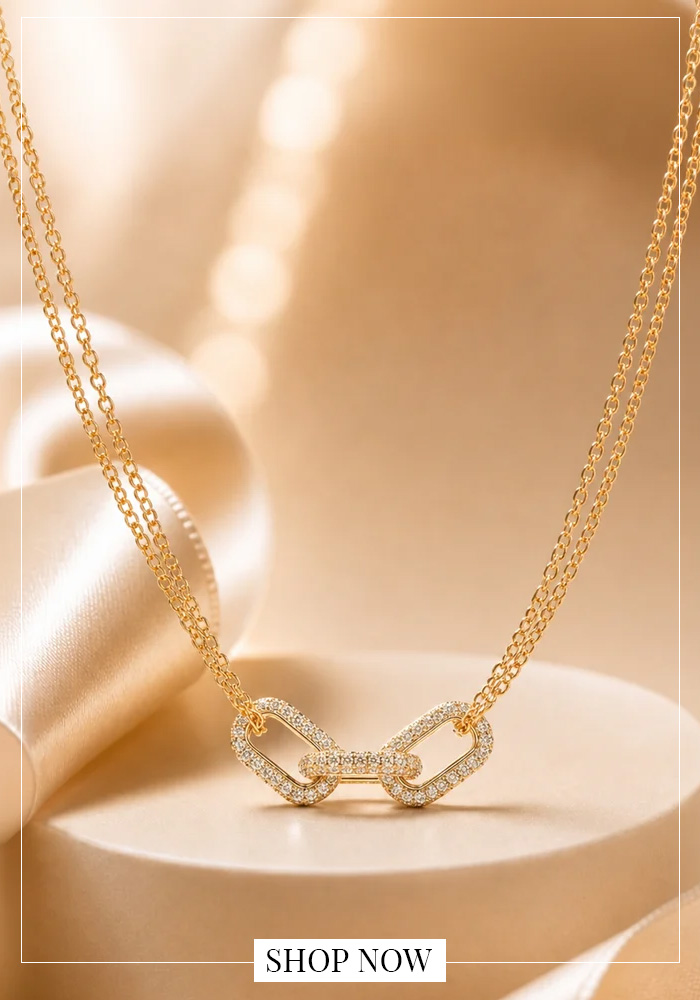
- Clean gently: Use lukewarm water, mild soap and a soft brush if the jewellery's care instructions permit.
- Avoid harsh chemicals: Remove your necklace before applying perfume, using cleaning products or swimming in chlorinated water.
- Store separately: Keep it in a soft-lined jewellery box to prevent tangling and scratches.
- Check the setting: Inspect the clasp, chain and stone settings regularly, especially with frequent wear.
- Seek professional cleaning: Consult your jeweller before using ultrasonic cleaners or other specialised equipment.
With regular care and proper storage, your necklace can retain its beauty for years.