

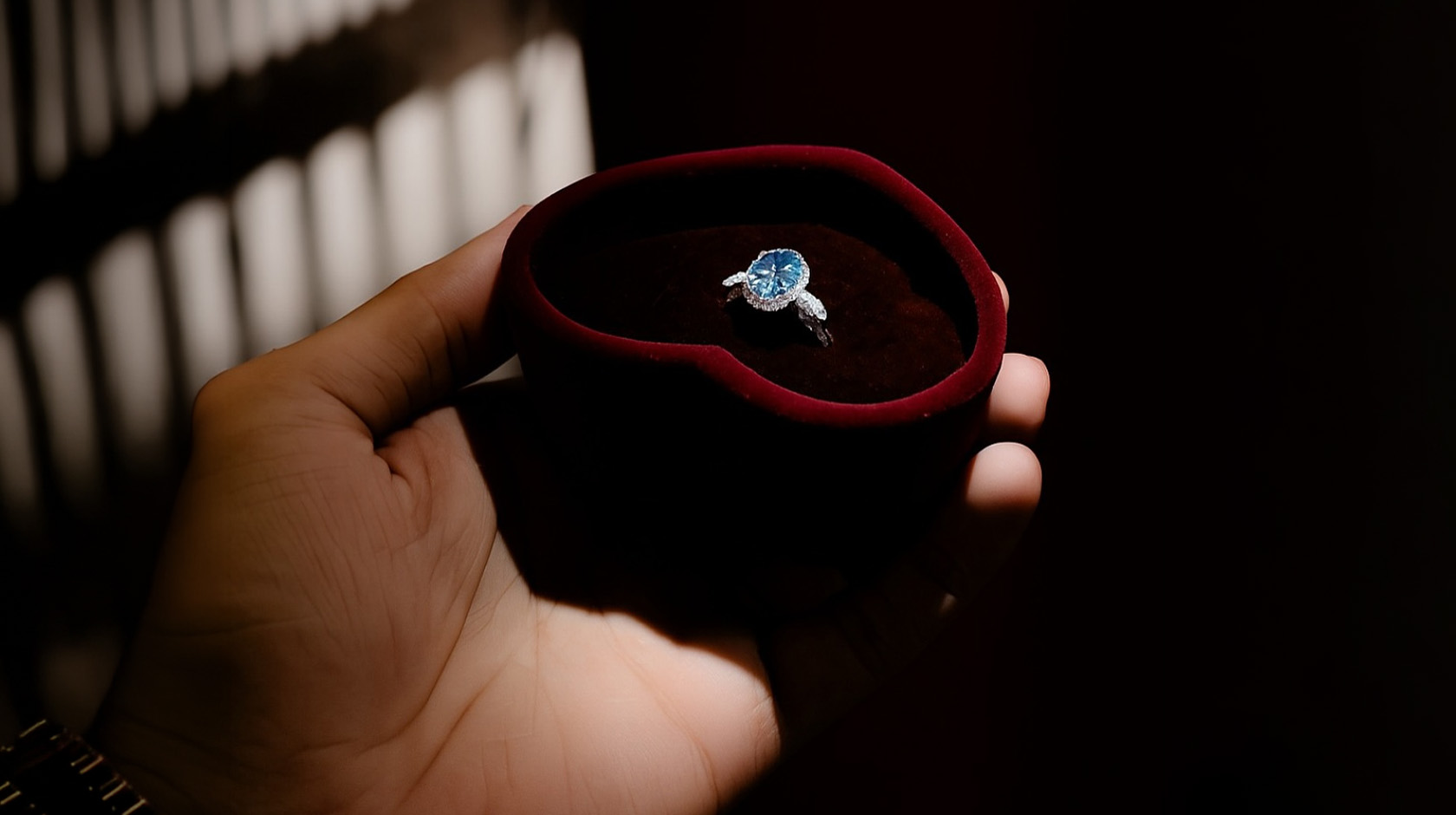
Winter has a way of making big moments feel bigger. Frosted windows, string lights, a quiet dinner that somehow turns into the most important conversation of your life. If you're planning to propose this season, the ring you choose deserves the same thought you've put into the moment itself.
Here's something worth knowing before you shop: lab-grown diamond engagement rings aren't a compromise. They share the same chemical composition, physical hardness, and optical brilliance as mined diamonds. The difference lies in origin, not quality. One is pulled from the earth over billions of years, the other is grown in a controlled lab environment in a matter of weeks. Under a loupe, a jeweller can't tell them apart without specialized equipment.


What lab-grown diamonds do change is the math. Because they skip the cost of large-scale mining operations, lab-grown stones typically cost less than their natural counterparts of comparable size and clarity. That gap matters when you're proposing on a budget, or when you'd simply rather spend on a bigger stone, a more intricate setting, or the honeymoon that follows a yes.
So where do you start? Below are seven ring styles worth considering this winter, five built around classic diamond shapes and two built around settings that change how a stone catches the light. Knowing the difference between a shape and a setting will actually help you shop smarter, so we've kept that distinction clear throughout.
7 Lab-Grown Diamond Engagement Rings That Make the Big Question Even More Special
The Oval Cut: An Elongated Silhouette with Modern Appeal
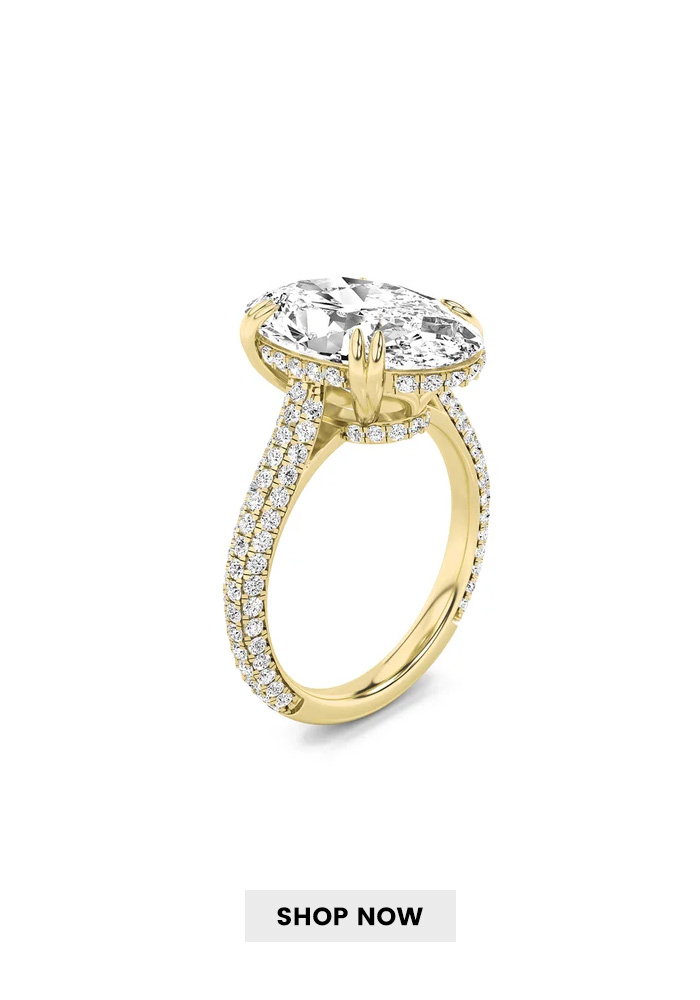
The oval cut has quietly become one of the most requested diamond shapes for proposals, and it's easy to see why. Its elongated silhouette creates a finger-lengthening effect that reads as both elegant and current. Unlike a round brilliant, an oval diamond feels less expected without straying into unconventional territory, which makes it a safe bet if you're unsure of her exact taste.

The Pear Cut: A Romantic Shape with an Unexpected Edge
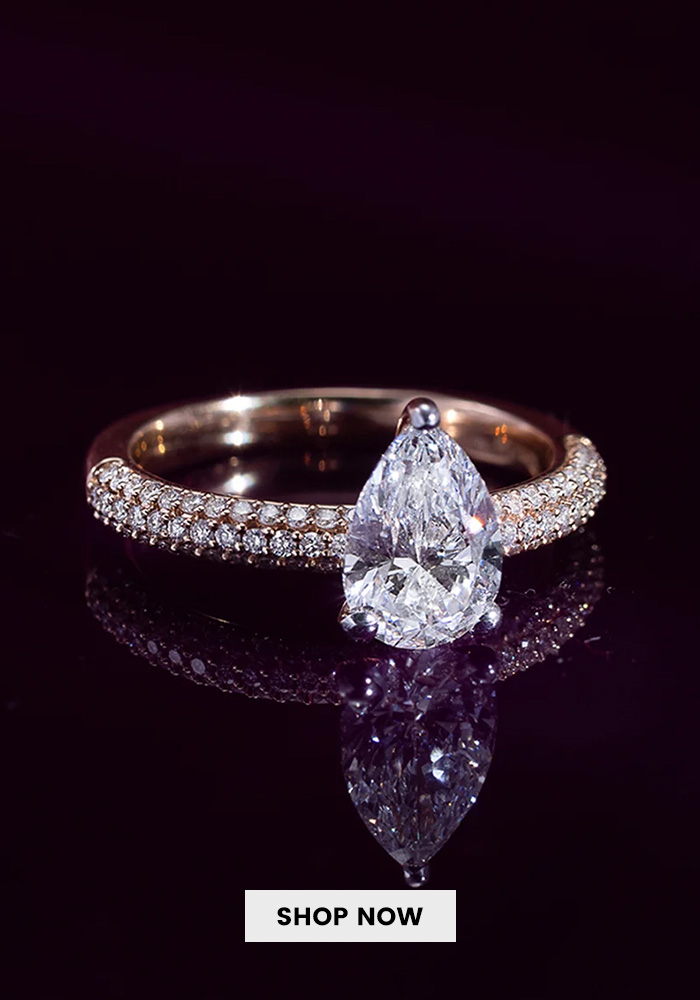
Part teardrop, part brilliant round, the pear cut occupies a unique middle ground. It reads as romantic without feeling overly traditional, and its single pointed end gives it a distinct silhouette on the hand. This shape tends to resonate with people who want something recognizable as a diamond, but not the same ring everyone else is wearing.
The Emerald Cut: Understated Luxury in Every Facet
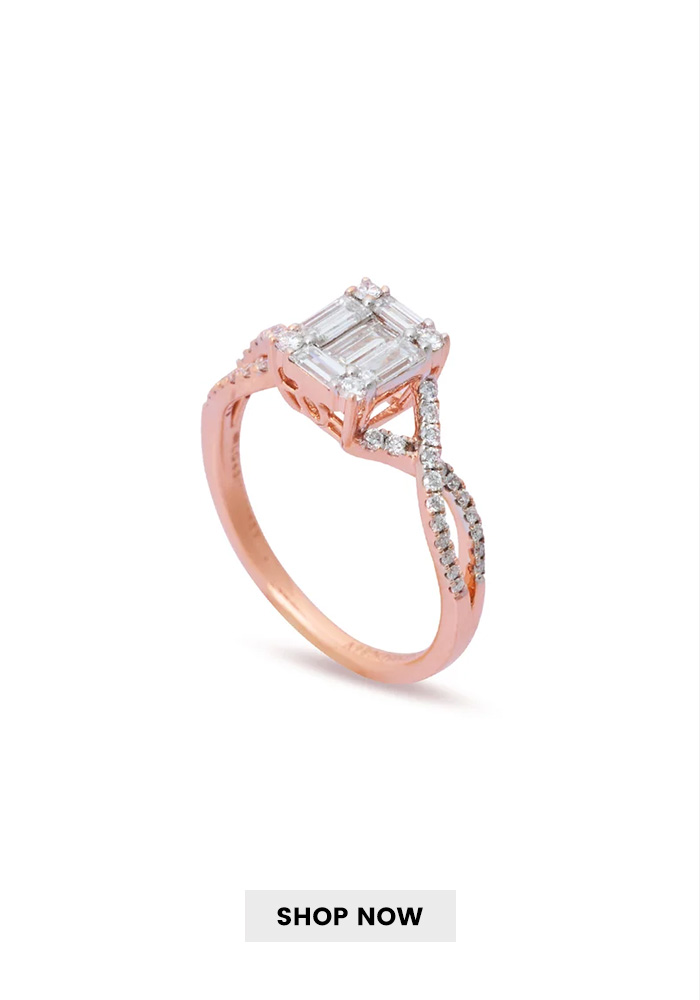
If pear and oval diamonds are about curves, the emerald cut is about lines. Its step-cut facets and rectangular silhouette produce a mirror-like flash rather than the scattered sparkle of a brilliant cut. The result reads as quiet confidence. This is the shape for someone who gravitates toward tailored clothing, architecture, or minimalist design over anything ornate.
The Round Cut: A Timeless Classic That Never Loses Its Sparkle
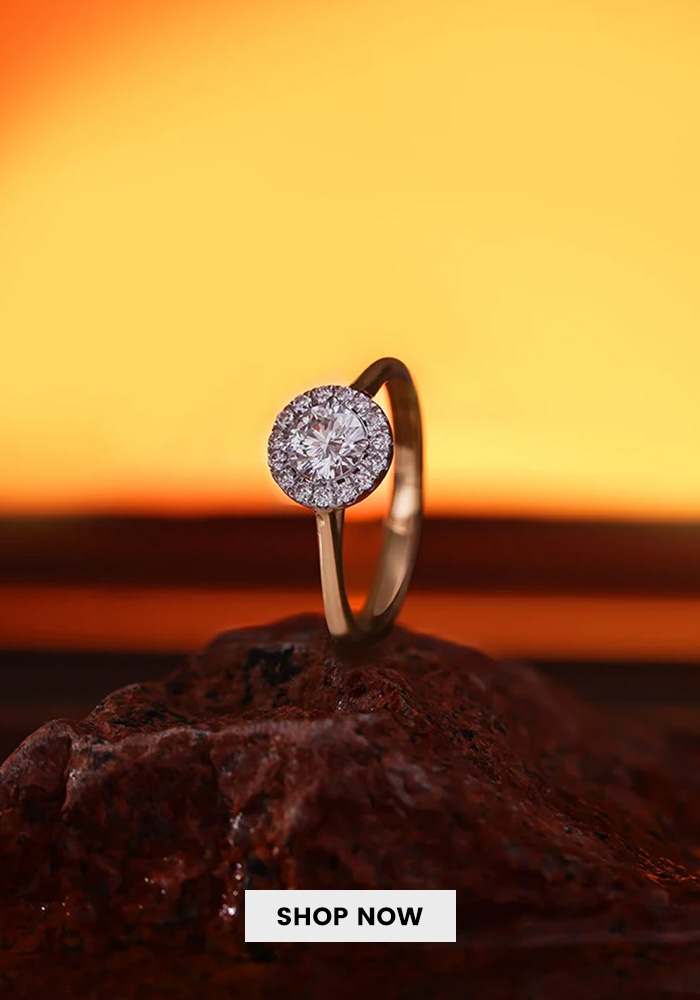
There's a reason the round brilliant has stuck around for over a century. Its 58 facets are cut specifically to maximize light return, which means more sparkle per carat than almost any other shape. It's also the most universally flattering cut, working well across hand shapes and ring styles. If you're proposing to someone whose taste you're still learning, round is rarely the wrong call.
The Marquise Cut: A Dramatic Silhouette That Makes a Statement
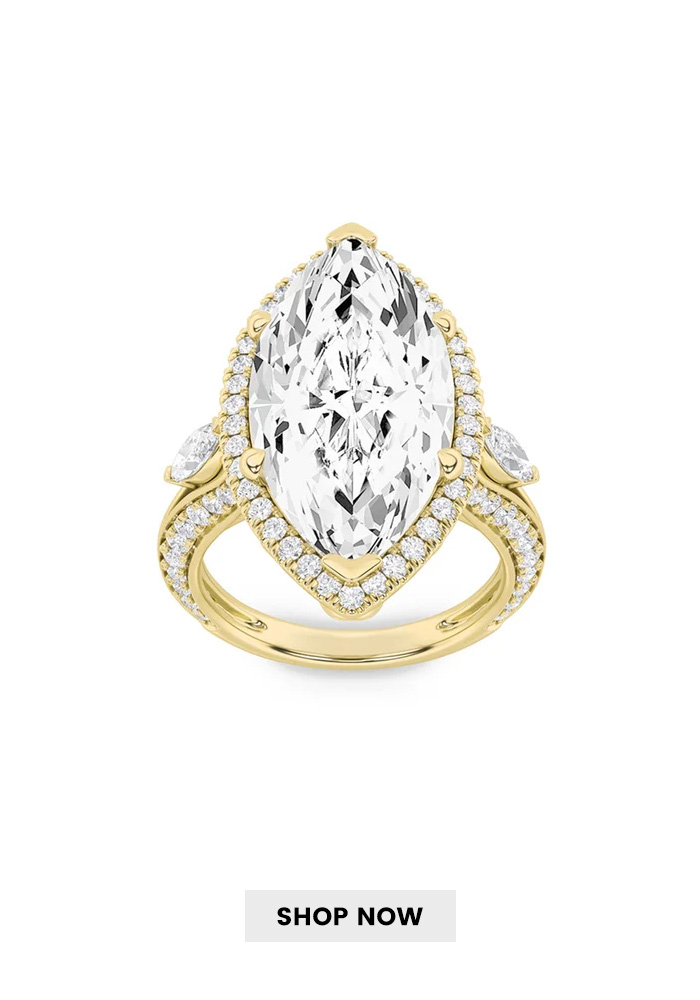
The marquise cut is the boldest shape on this list. Its elongated, pointed-oval silhouette was reportedly designed to resemble the smile of a French queen, and it still carries that same theatrical flair. Because of its length, marquise diamonds often appear larger than their actual carat weight, and they create a striking visual line across the finger.
The Hidden Halo Setting: A Little Surprise Beneath the Sparkle
Now we shift from shapes to settings, and this one deserves its own explanation. A hidden halo places a ring of small diamonds beneath the center stone, invisible from a straight-on view but fully visible from the side. The effect is subtle: the ring looks clean and minimal from above, then reveals unexpected sparkle the moment it catches the light at an angle.
The Pavé Setting: A Band That Brings Endless Brilliance
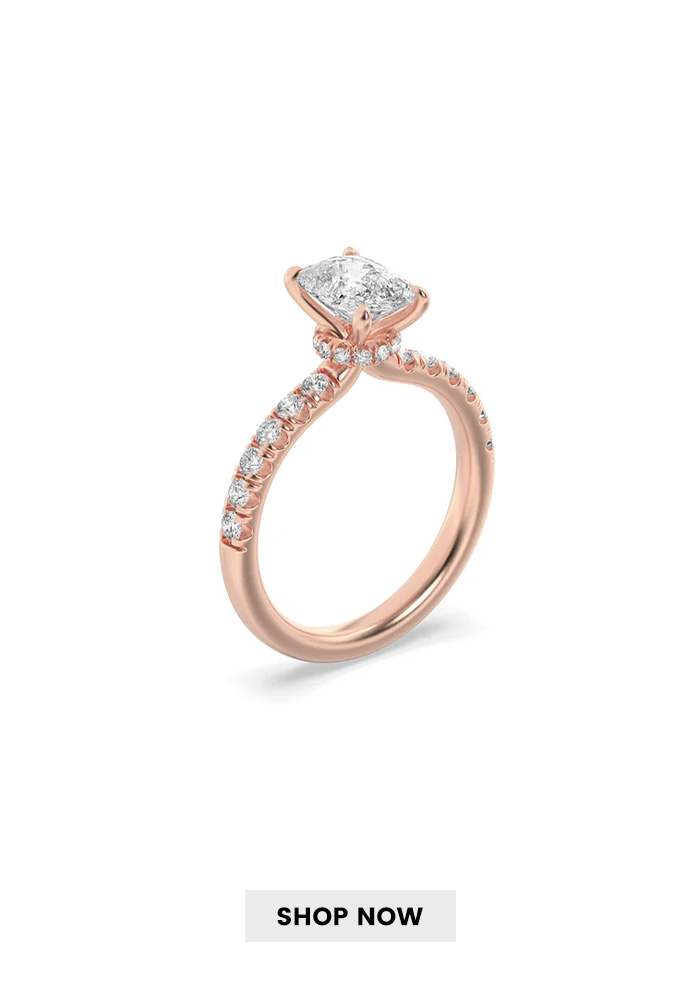
A pavé setting lines the band with small diamonds set closely together, creating the appearance of a continuous stream of light rather than a single focal point. It's a setting style rather than a diamond shape, and it's often paired with a center stone of any cut to extend the sparkle beyond just the top of the ring.
The Right Ring Isn't About the Price Tag
Shopping for a winter proposal ring comes down to one real question: does it feel like her? A ring that reflects her personality, whether that's bold marquise drama or quiet emerald-cut restraint, will always matter more than the number on the receipt.
Lab-grown diamond engagement rings make that decision easier. Choose a classic round or oval if you want timeless and safe. Choose pear or marquise if she leans toward the unexpected. Choose emerald if she favors clean lines over sparkle for sparkle's sake. And if you're torn between a shape and a feeling, settings like hidden halo or pavé let you layer extra sparkle onto whichever cut speaks to her style.

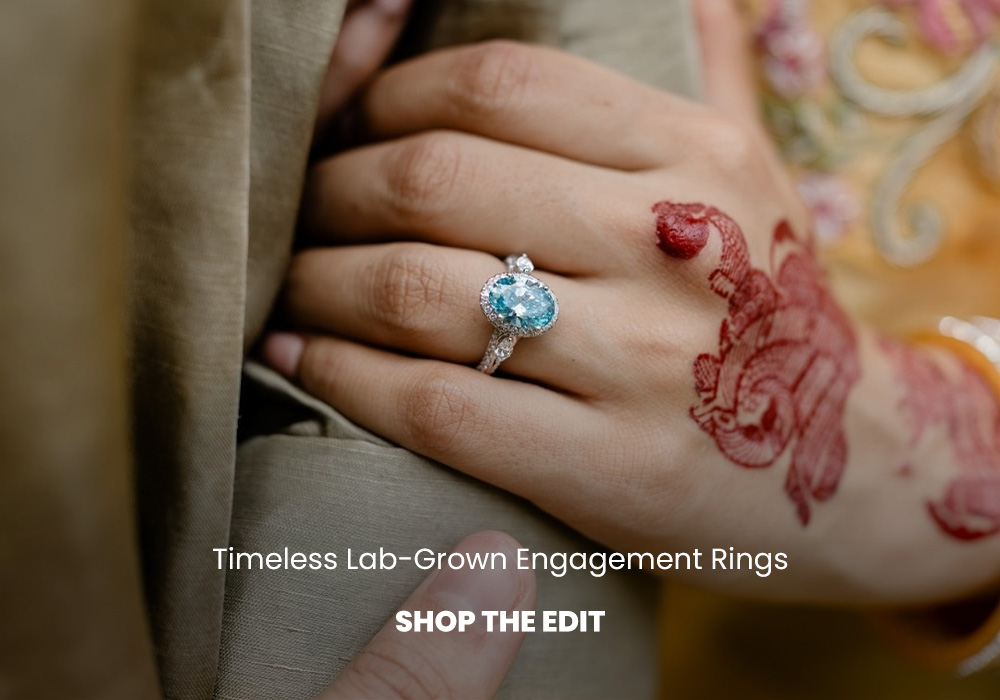
Araiya by Aza designs its lab-grown diamond collections with exactly this kind of range in mind, built for proposals that feel personal rather than predictable. Whichever shape or setting you land on, the best ring is simply the one that makes her say yes without a second thought.
Frequently Asked Questions
Are lab-grown diamonds real diamonds?
Yes. Lab-grown diamonds share the same chemical composition, physical hardness, and optical brilliance as natural diamonds. The only difference is origin: natural diamonds form underground over billions of years, while lab-grown diamonds are created in a controlled lab setting over a few weeks.
Why are lab-grown diamond rings more affordable than natural diamond rings?
Lab-grown diamonds avoid the cost-intensive process of large-scale mining, which keeps production costs lower. That savings is typically passed on to the buyer, making lab-grown diamond rings a more affordable option for a comparable size and clarity.
What's the difference between a diamond shape and a diamond setting?
A diamond shape refers to the cut of the stone itself, like oval, pear, emerald, round, or marquise. A setting refers to how the stone is mounted on the ring, such as a hidden halo or pavé band. Shape affects how the stone looks on its own; setting affects how much additional sparkle surrounds it.
Which diamond ring style is best for a first-time proposal if I'm unsure of her taste?
Round-cut and oval-cut diamond rings tend to be the safest choices since they're timeless, flattering across hand shapes, and widely recognized as classic engagement ring styles. If she already has a distinct style, shapes like pear, emerald, or marquise can feel more personal.
Do lab-grown diamond rings come with certification?
Yes, reputable lab-grown diamond jewelry should come with certification from a recognized grading body, such as IGI, confirming the diamond's authenticity and quality grading.