First-time Garba attendees in the US should wear a Chaniya Choli or comfortable ethnic wear with flat or low-heeled footwear, follow the lead dancer's steps rather than freelancing, and always dance with the circle's flow, not against it. Dandiya requires eye contact and matching your partner's rhythm. Most US Navratri events welcome beginners, so confidence matters more than perfect form.
If you've never been to a Navratri event before, walking into a packed community hall full of spinning dancers and clashing dandiya sticks can feel intimidating. That's completely normal. Garba and Dandiya Raas are community dances built around participation, not performance, and most regulars remember their own first, wobbly attempt.
This guide covers what to wear, how to move, and the small etiquette details that make you look like you know what you're doing, even if this is your very first Navratri in the US.
What Should You Wear to a Garba Night in the US?
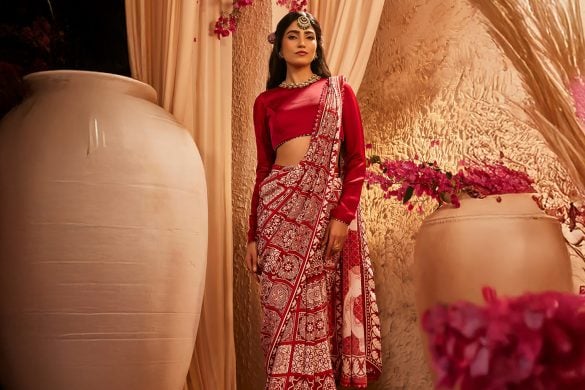
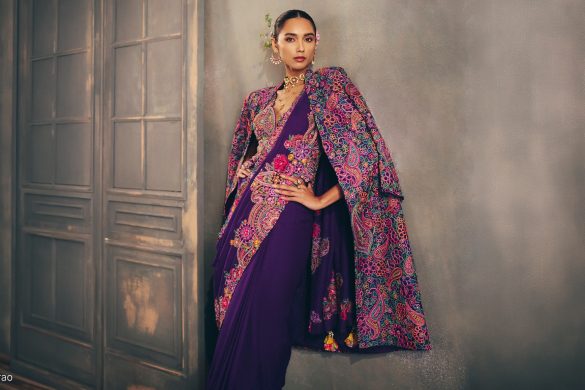
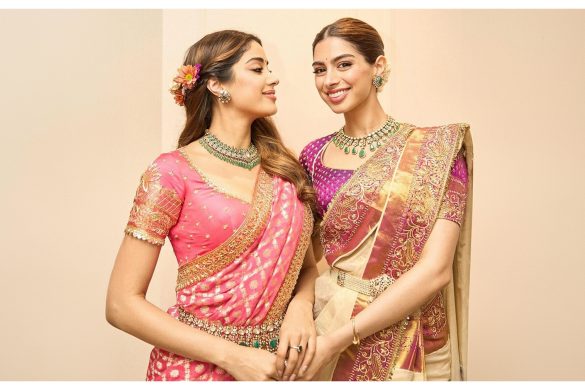
A Chaniya Choli, the traditional Gujarati skirt, blouse, and dupatta set, is the go-to outfit for Garba. It's not required, but it's the outfit that photographs well and moves easily during fast footwork.
If you don't already own one, Aza Fashions' lehenga collection has a wide range of festive pieces that work for Garba nights, and their Chaniya Choli buying guide breaks down exactly what to look for, from fabric weight to blouse fit.
A few practical tips for first-timers:
- Choose breathable fabric. Cotton and georgette hold up better through hours of dancing than heavier silks.
- Skip the heels. Flats, juttis, or sneakers work best. Garba involves a lot of quick footwork, and heels will slow you down fast.
- Layer light jewelry. Statement necklaces look great in photos but can get tangled or bang against you mid-spin.
- Don't overthink color. Bright colors are traditional, but any festive outfit you feel comfortable moving in works.
How Do You Actually Dance Garba If You've Never Done It Before?
Garba is danced in a circle, usually moving counterclockwise, with everyone following a repeating step pattern led by whoever is closest to the front or the stage. The good news: you don't need lessons to join in.
Here's what actually helps on the floor:
- Watch one full round before joining. Steps usually repeat every 4 to 8 counts, so a single lap gives you the pattern.
- Start on the outer edge of the circle. It's more forgiving if you miss a step, and easier to slip out if you need a break.
- Follow the person in front of you, not the person across from you. Circles move, and following someone directly ahead keeps your timing consistent.
- Don't stop dead if you mess up. Slow down, catch the rhythm again, and rejoin. Stopping completely disrupts the flow for everyone around you.
Most community events in the US, especially larger ones organized by Gujarati Samaj chapters or university associations, are specifically designed to welcome first-timers. Nobody is watching your feet as closely as you think.
What's the Etiquette for Dancing with Dandiya Sticks?
Dandiya Raas is danced in pairs, using two decorated sticks that you clash against your partner's in rhythm. It looks chaotic from the outside, but it runs on a few clear rules.
- Make eye contact before you clash. It's how partners sync their timing without talking over the music.
- Match your partner's pace, don't lead aggressively. If your partner is a beginner, slow down. If they're clearly experienced, follow their lead.
- Switch partners when the circle rotates. Dandiya typically involves rotating partners as the circle moves, so don't cling to the same person all night.
- Hold your stick with a light grip. A tight, aggressive clash can hurt hands and throws off timing for both dancers.
What Other Etiquette Should First-Timers Know at US Navratri Events?
A few smaller details go a long way toward blending in at your first event:
- Arrive on time, but don't expect dancing to start immediately. Many events open with aarti or a short prayer before the music starts.
- Don't walk through the middle of an active circle. If you need to cross the floor, go around the outside.
- Bring a water bottle. Garba nights run long, often three to four hours, and the dancing is more physically demanding than it looks.
- Photos are welcome, but check before filming strangers up close. Wide shots of the circle are fine; close-ups of individuals should get a quick nod first.
Ready for Your First Navratri?
Garba and Dandiya are built on participation, not perfection. Show up in something comfortable, follow the circle, and let the music do the rest. Every experienced dancer on that floor started exactly where you are now.
If you're still working out what to wear, Aza Fashions' guide to designer bridal and festive lehengas is a solid next stop for finding a piece that fits both the occasion and your budget.
Frequently Asked Questions
Do I need to know the steps before attending a Garba event?
No. Most US Navratri events welcome beginners, and steps repeat in short patterns that are easy to pick up by watching for one round before joining.
What should I wear if I don't own a Chaniya Choli?
Any comfortable, festive outfit works, including kurta sets or flowing skirts. Avoid restrictive clothing and heels, since both make fast footwork harder.
Is it rude to sit out if I get tired?
Not at all. Stepping to the side to rest is completely normal, especially at events that run for several hours.
Can men and women dance together during Dandiya?
Yes, Dandiya Raas is typically danced in mixed pairs, and partners usually rotate as the circle moves.
What if I make a mistake in the middle of the circle?
Slow down, watch the person ahead of you, and rejoin the rhythm. Stopping completely disrupts the flow more than a missed step does.