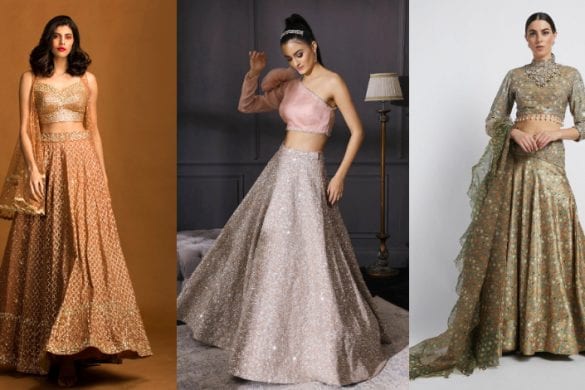
Skip all-white and all-black outfits (both read as mourning colors in Indian culture), avoid anything too revealing for the ceremony, and don't underdress for the sangeet or overdress for the mehendi. The safest rule: match your outfit's formality and color to the specific function, not the wedding as a whole. Aza Fashions' lehenga, saree, salwar suit, and kurta set collections make it easy to get this right for every event.
Figuring out what to wear to an Indian wedding is hard enough. Figuring out what not to wear is arguably harder, because the mistakes aren't always obvious until you're standing in a room full of people who got it right.
Most outfit missteps at Indian weddings in the US come down to three things: wrong colors, wrong formality, and wrong fabric for the function. Here's what to steer clear of, function by function.
Why should you avoid wearing white or black to an Indian wedding?
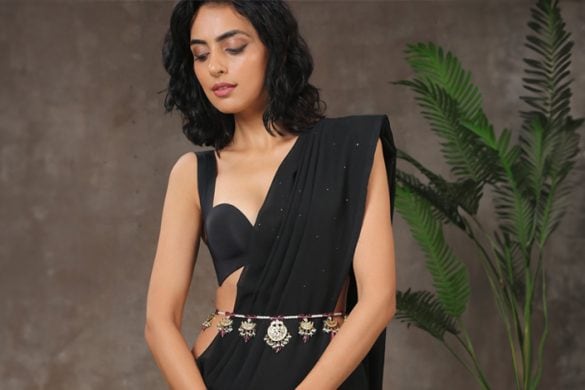
This is the one rule that trips up the most guests. In many Indian communities, white and black are traditionally associated with mourning, not celebration. Wearing an all-white saree or an all-black lehenga to the ceremony can unintentionally read as somber, even if that's not remotely your intention.
You don't need to avoid these colors completely. A black blouse under a colorful saree, or white detailing on an embroidered lehenga, is fine. The issue is wearing the color head to toe, especially for the wedding ceremony itself.
What outfits are too casual for an Indian wedding?
Jeans, casual sundresses, or anything you'd wear to brunch don't work for any function, including the mehendi. Even though mehendi is the most relaxed event of the wedding, "casual" in this context still means a lehenga, sharara set, or salwar suit. It doesn't mean streetwear.
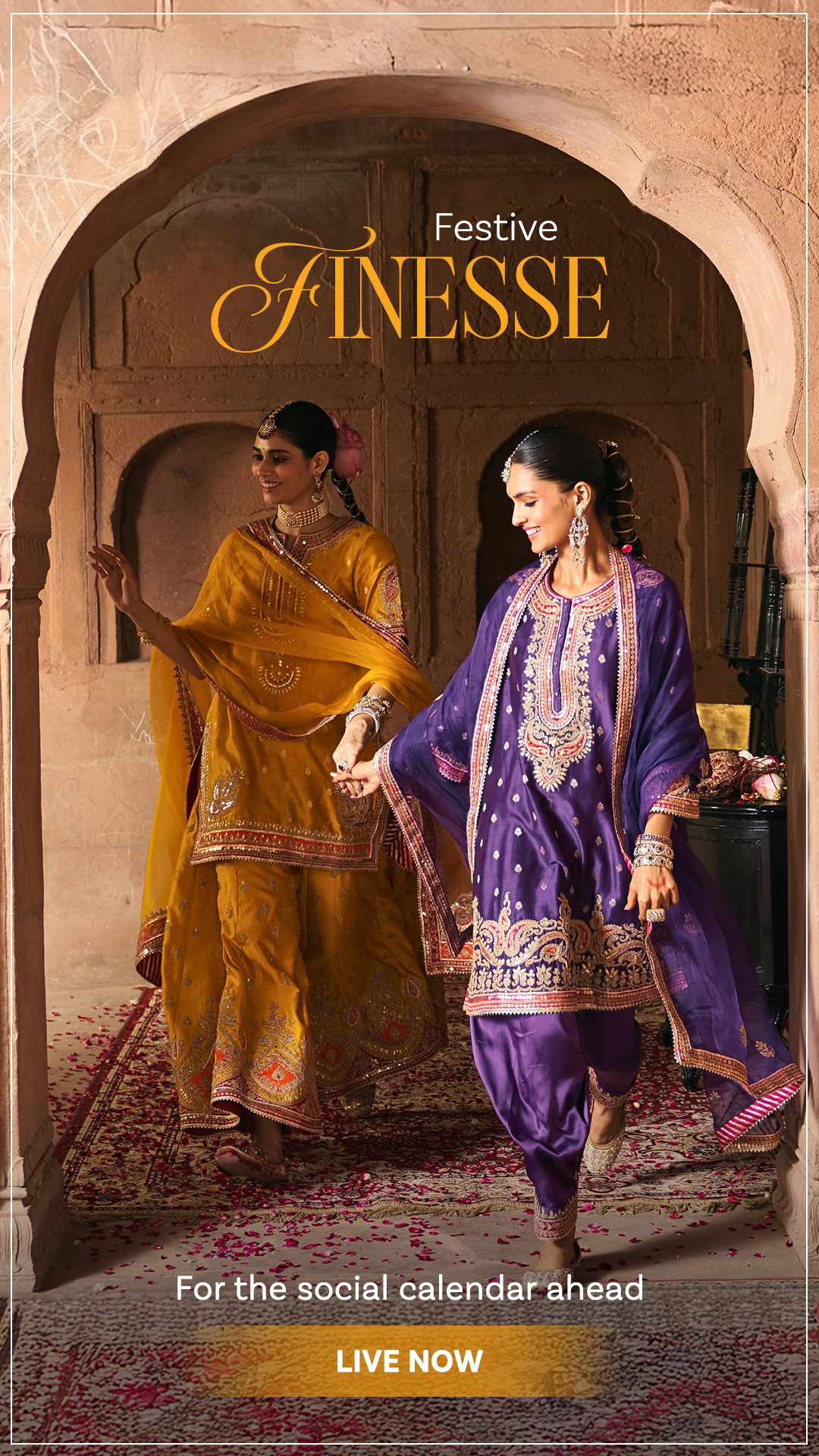
If you're unsure, check Aza Fashions' salwar suit collection for options that feel comfortable and low-key without looking underdressed next to everyone else in traditional wear.
What shouldn't you wear to the sangeet?
The sangeet involves dancing, and a lot of it. Stiff, heavily structured outfits or anything too tight through the legs will fight you all night. Skip narrow-fit lehengas or sarees with restrictive draping if you know you'll be on the dance floor.
Also avoid outfits that are too plain for the occasion. Sangeet is a party, so an outfit with movement, some shine, or fringe fits the energy better than something you'd wear to the ceremony.
What's inappropriate to wear to the wedding ceremony?
The ceremony is the most traditional, most photographed part of the event, so this is where guests tend to get the most scrutiny, fair or not. A few things to avoid here:
- Overly revealing necklines or hemlines. Ceremonies often take place in temples or spaces with religious significance, so more coverage is the safer choice.
- Western formalwear like cocktail dresses or suits. These aren't wrong, exactly, but they stand out in a way that can feel out of step with the rest of the room.
- Anything too casual, like a simple kurta without a dupatta or embellishment.
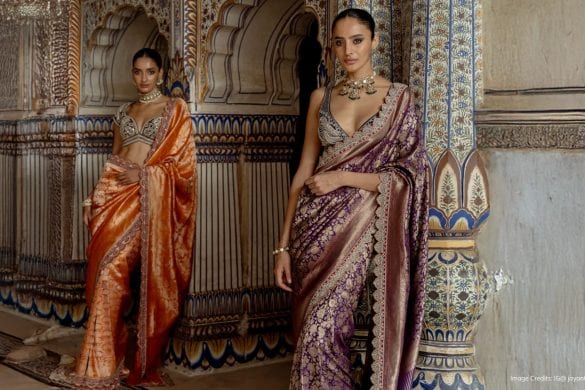
If you want a traditional option without the fuss of draping it yourself, Aza Fashions' saree collection includes pre-stitched styles that still photograph like the real thing.
Is it okay to wear a Western outfit to an Indian wedding reception?
Yes, and this is actually where a Western-style outfit is least likely to feel out of place. The reception tends to be more like a formal dinner or black-tie event, so a fitted gown or sharp suit can work well.
That said, skip anything overly casual, like a cocktail dress that reads more "office party" than "wedding reception." If you want a middle ground, Aza Fashions' kurta set collection has tailored, modern pieces that bring Western polish to an Indian silhouette.
Dress right by knowing what to skip
Getting an Indian wedding outfit right isn't really about finding the most elaborate option. It's about matching your outfit to the mood of each function and steering clear of the colors and formality levels that don't fit.
Once you rule out all-white, all-black, and anything too casual or too revealing for the occasion, the rest comes down to personal style. Browse Aza Fashions' lehenga, saree, salwar suit, and kurta set collections to build outfits that work for every event on the wedding calendar.
Frequently Asked Questions
Can I wear red to an Indian wedding as a guest?
Yes, but check with the couple first if you're attending an Indian wedding, since red is traditionally reserved for the bride in many communities.
Is it disrespectful to wear a saree if I'm not Indian?
No. Wearing a saree as a guest is generally seen as a sign of respect and effort, not appropriation, as long as it's worn thoughtfully.
What should men avoid wearing to an Indian wedding?
Men should avoid plain Western suits for the ceremony and steer clear of all-black or all-white outfits, similar to the guidance for women.
Can I ask the couple what not to wear?
Yes, and it's a smart move. Many couples will tell you directly if there's a color they're avoiding or a dress code they'd prefer guests follow.