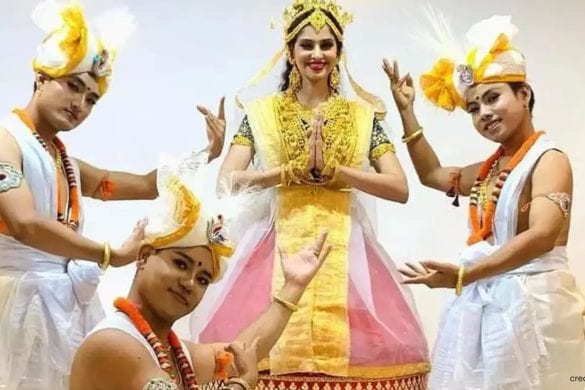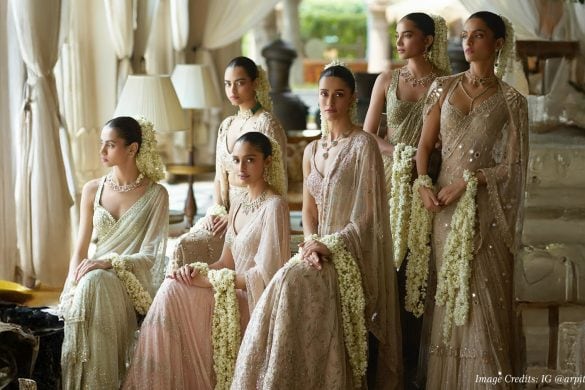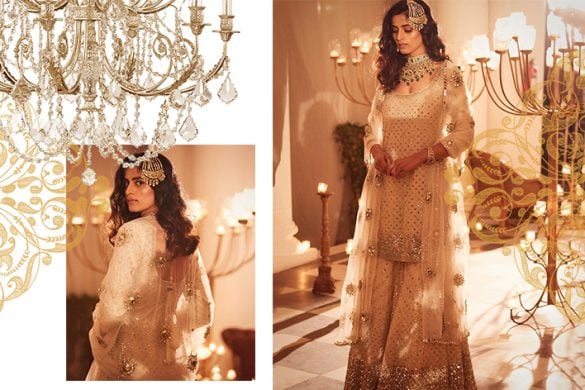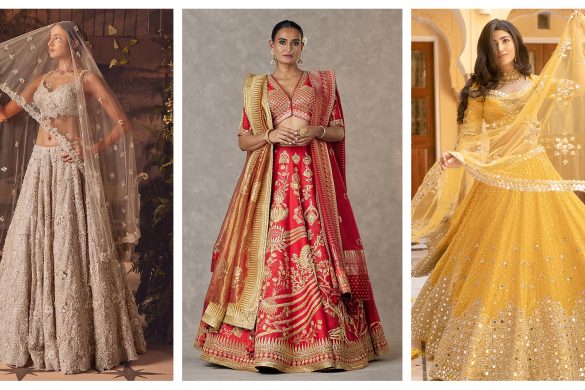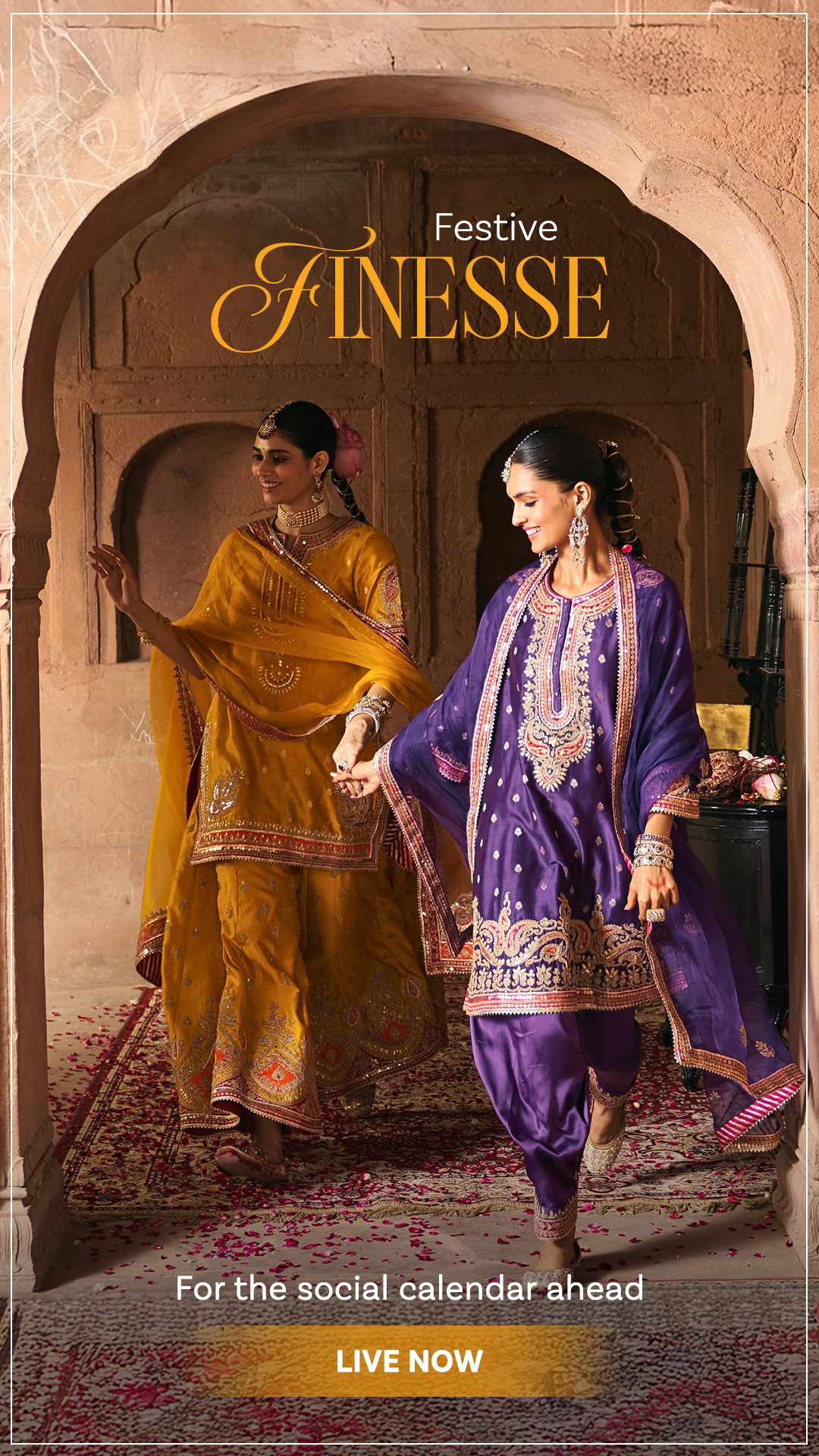
For Indian weddings in the US in 2026, dress by function, not by a single "wedding outfit." Wear a bright lehenga or sharara for mehendi, something with movement (and maybe fringe or tassels) for sangeet, a rich saree or lehenga for the ceremony, and a more polished, jewel-toned outfit for the reception. Aza Fashions' lehenga, saree, salwar suit, and kurta set collections cover every one of these functions.
If you've been invited to your first Indian wedding, or your tenth, you already know it's not a one-outfit event. Indian weddings in the US often stretch across two or three days, each with its own dress code, energy, and expectations. Showing up in the same outfit for mehendi and the reception isn't just a style miss, it can feel out of place next to everyone else who's clearly dressed for the occasion.
The good news is you don't need five completely new outfits. You need to understand what each function calls for, then build from there.
What should you wear to a mehendi as a guest?
Mehendi is casual, colorful, and a little chaotic (in a good way). Think bright colors, comfortable fabrics, and something you can sit on the floor in without worrying about it.
A flowy sharara set or a simple cotton or georgette lehenga works well here. Avoid anything too heavy or structured since mehendi functions usually run long and involve a lot of sitting and moving around. Yellow, orange, pink, and green are traditional mehendi colors, though you're not obligated to match them exactly.
Aza Fashions' salwar suit collection has a lot of lightweight, breathable options that hit this brief without feeling underdressed.
What's appropriate for a sangeet as a wedding guest?
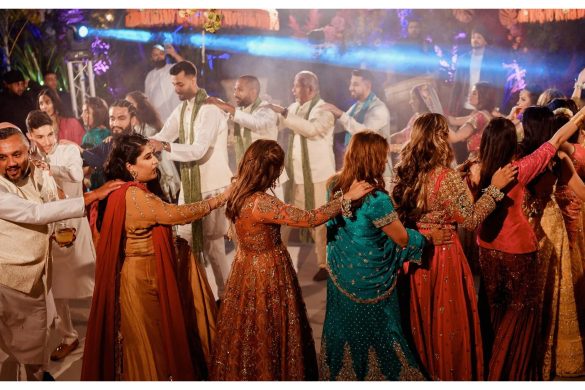
Sangeet is the party night. There's dancing, performances, and usually a dance floor you'll end up on whether you planned to or not.
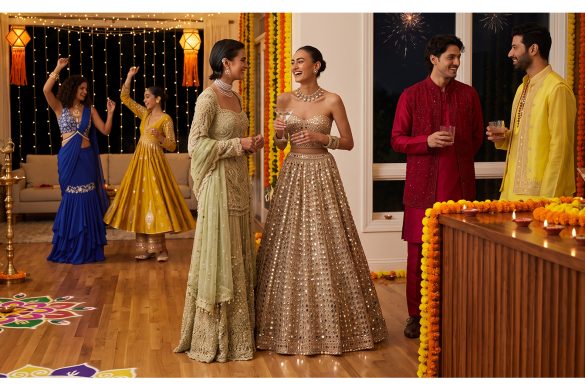
This is where you want something with movement: a lehenga with a flared skirt, a sharara, or even a fun indo-western outfit if the couple's sangeet leans modern. Sequins, fringe, and metallic accents all work well under event lighting. Just make sure whatever you pick lets you actually dance without adjusting your outfit every five minutes.
What do you wear to the actual wedding ceremony?
The ceremony is the most traditional part of the event, and your outfit should reflect that. A saree or a heavier lehenga is the safest, most respectful choice here.
If you're new to draping a saree, this is a good moment to ask a friend for help or watch a quick tutorial the night before. Aza Fashions' saree collection includes pre-stitched and easy-drape options if you want the look without the learning curve.
Stick to richer colors like maroon, deep blue, emerald, or gold. Avoid all-white or all-black outfits, since these are traditionally associated with mourning in many Indian communities.
What should you wear to an Indian wedding reception?
The reception is your chance to dress a little more like you would for a Western black-tie event, just with an Indian twist. Think polished, elegant, and slightly more contemporary than the ceremony outfit.
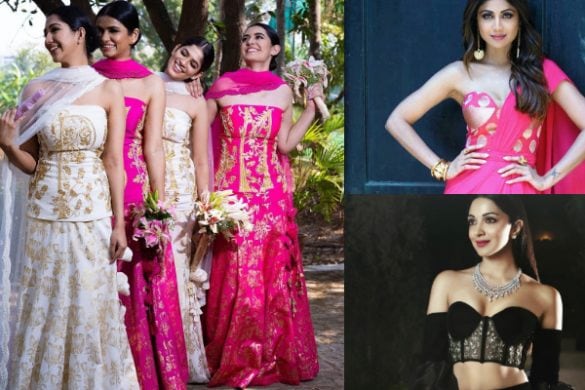
A structured lehenga in jewel tones, a fitted saree with a statement blouse, or an elegant kurta set with sharp tailoring all work well. This is also where you can bring in more modern silhouettes if that's your style. Aza Fashions' kurta set collection has several reception-appropriate pieces that balance tradition with a cleaner, more modern cut.
How many outfits do you actually need for an Indian wedding?
If budget or luggage space is a concern, you don't need a separate outfit for every single function. A good rule: one casual outfit for daytime events (mehendi), and one or two dressier outfits you can rotate between sangeet, ceremony, and reception with different jewellery and accessories to change the look.
Dress the part, without overthinking it
Indian wedding dress codes can feel like a lot to figure out, especially if you're attending as a guest rather than family. But once you break it down by function, it's really just four simple categories: casual and colorful, festive and fun, traditional and rich, and polished and elegant.
Start with the ceremony outfit since it matters most, then build backward from there. Browse Aza Fashions' lehenga, saree, salwar suit, and kurta set collections to put together a set that covers every function without last-minute stress.
Frequently Asked Questions
Can I wear a Western dress to an Indian wedding as a guest?
Yes, especially to the reception. Just avoid white, black, and anything too revealing for the ceremony, where traditional Indian attire is more appropriate.
What colors should I avoid wearing to an Indian wedding?
Avoid all-white and all-black outfits, particularly for the ceremony, since both are traditionally linked to mourning in Indian culture.
Do I need different jewellery for each wedding function?
Not necessarily. A few versatile pieces, like a statement choker and a pair of jhumkas, can be dressed up or down depending on the function and outfit.
Is it okay to rent an outfit instead of buying one for a wedding?
Absolutely. Renting is common for one-time functions like sangeet, while ceremony and reception outfits are often worth buying if you plan to attend multiple weddings.