10 Traditional Indian Attires That Never Go Out of Style
Indian fashion is a vibrant tapestry woven with threads of history, culture, and incredible diversity. While trends come and go, certain traditional attires pos
Indian fashion is a vibrant tapestry woven with threads of history, culture, and incredible diversity. While trends come and go, certain traditional attires possess a timeless quality that makes them cherished across generations. These iconic outfits are more than just clothing; they are a celebration of heritage, craftsmanship, and enduring elegance. From the regal drape of a saree to the stately silhouette of a sherwani, these garments carry stories within their folds.
This guide explores ten classic Indian attires that have stood the test of time, proving that true style is eternal. Whether you're dressing for a wedding, a festival, or simply wish to embrace your roots, these pieces are essential additions to any wardrobe.
1. The Kanjeevaram Saree: Queen of Silks
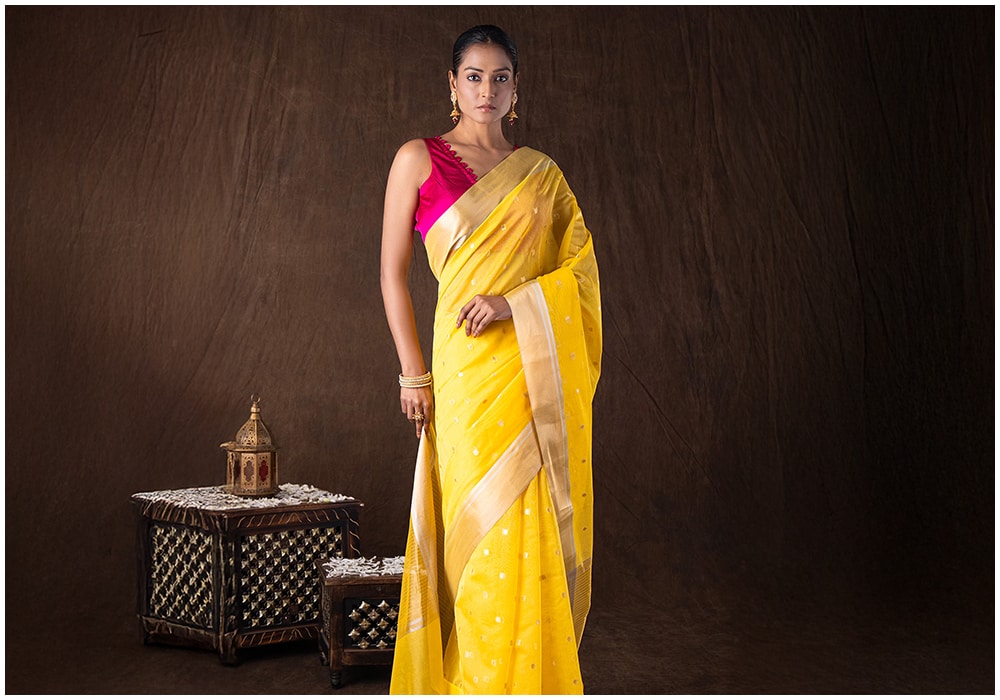
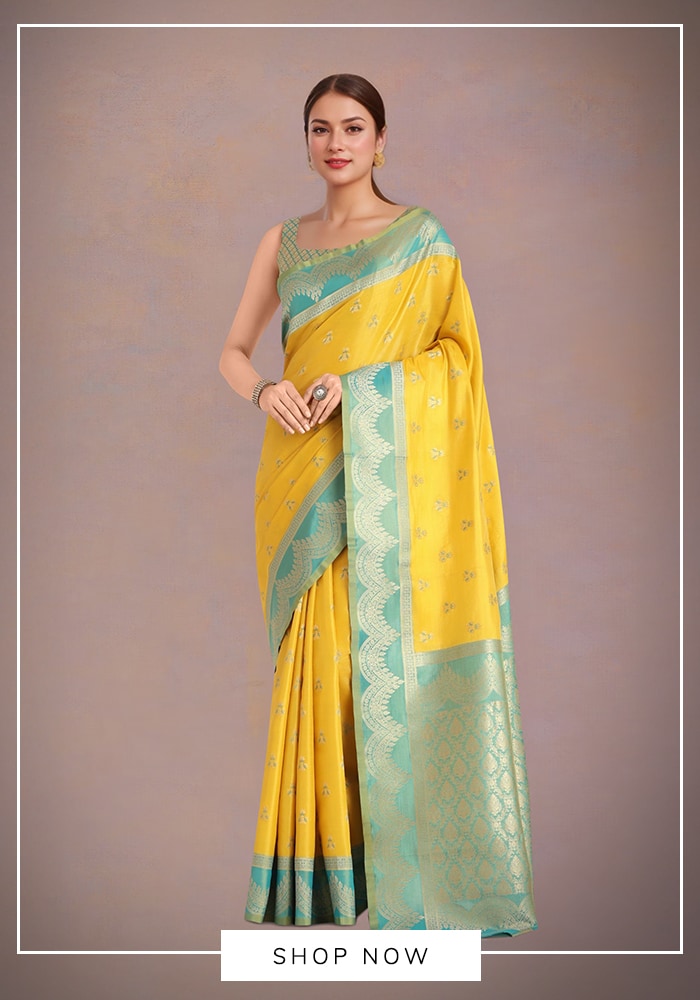
Hailing from the temple town of Kanchipuram in Tamil Nadu, the Kanjeevaram saree is celebrated for its rich silk, vibrant colors, and intricate zari work. Often called the "queen of silks," this saree is a masterpiece of weaving. The body and border are woven separately and then interlocked, creating a durable and magnificent garment. Its wide, contrasting borders, traditional motifs like peacocks and temple designs, and luxurious feel make it a prized possession for brides and saree connoisseurs alike. A Kanjeevaram is not just an outfit; it’s an heirloom.
2. The Banarasi Saree: A Weaving Legacy
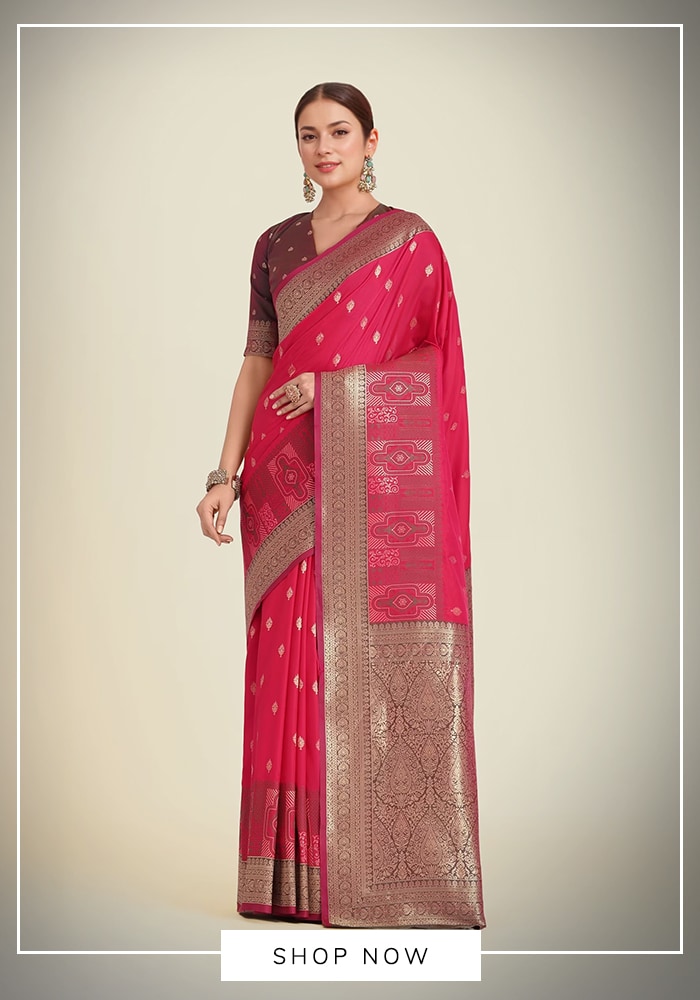
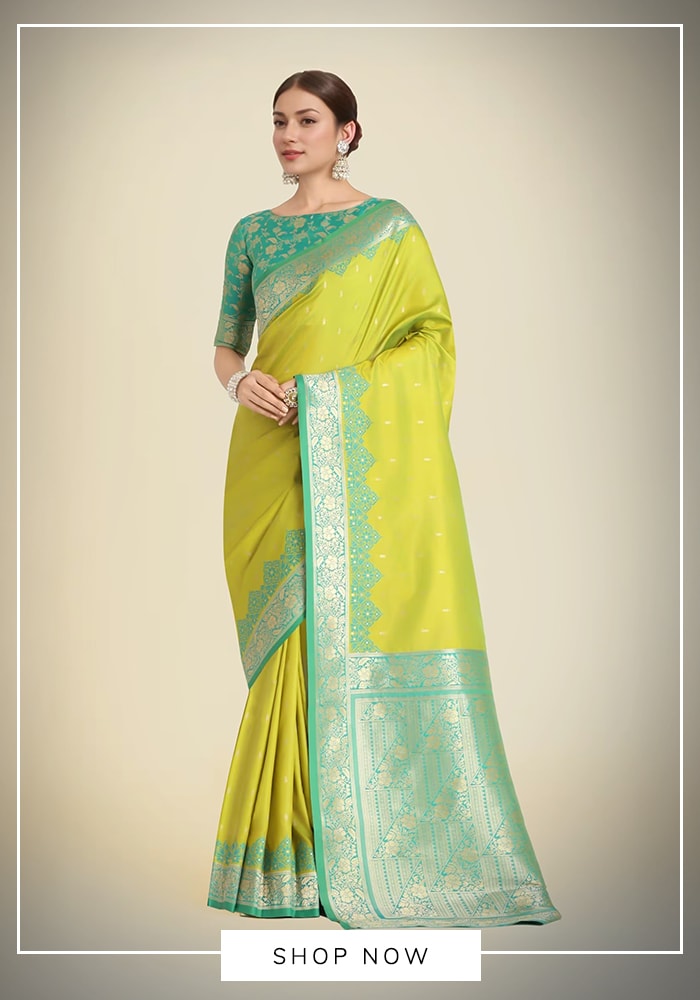
No list of timeless Indian attire is complete without the Banarasi saree. Woven in the holy city of Varanasi, these sarees are known for their fine silk and opulent gold and silver brocade, or zari. Featuring intricate Mughal-inspired designs, such as floral and foliate motifs, the Banarasi saree is a symbol of grandeur. It is a go-to choice for weddings and grand celebrations, instantly elevating the wearer's look with its regal splendor.
3. The Classic Lehenga Choli: Festive Grace
The lehenga choli is a three-piece ensemble that captures the joyful spirit of Indian festivities. Consisting of a long, flared skirt (lehenga), a fitted blouse (choli), and a flowing dupatta, this outfit is synonymous with celebrations. From intricate embroidery and mirror work to rich fabrics like silk and velvet, the lehenga offers endless variety. Its flattering silhouette and ability to be styled in countless ways ensure its place as a perennial favorite for weddings, sangeets, and festivals.
4. The Anarkali Suit: Royal Elegance
The Anarkali suit, with its long, frock-style top and fitted bottom, exudes a graceful, royal charm. Named after a legendary courtesan, this silhouette has its roots in the Mughal era. Its flowing lines and flattering fit make it a comfortable yet elegant choice for any formal occasion. Modern interpretations see Anarkalis in various lengths, fabrics, and designs, from floor-sweeping gowns to shorter, contemporary styles. The Anarkali remains a symbol of sophisticated femininity.
5. The Sherwani: Timeless Menswear
For men, the Sherwani is the pinnacle of traditional formal wear. This long, coat-like garment is typically worn over a kurta and churidar or trousers. Originating as the attire of nobility in the Mughal court, the Sherwani has evolved into the quintessential outfit for grooms and wedding guests. Crafted from luxurious fabrics like silk, brocade, or velvet and often adorned with detailed embroidery, a well-fitted Sherwani projects an aura of dignity and unmatched elegance.
6. The Bandhani Dupatta: A Splash of Color
Bandhani, a traditional tie-dye technique from Gujarat and Rajasthan, creates vibrant patterns on fabric. A Bandhani dupatta is a simple yet powerful way to add a burst of color and traditional artistry to any outfit. The intricate patterns, created by plucking the cloth with fingernails into tiny bindings that form a design, are a testament to meticulous craftsmanship. Draped over a simple salwar kameez or a plain kurta, a Bandhani dupatta instantly adds a festive and lively touch.
7. The Kurta Pajama: Effortless Comfort
The kurta pajama is the definition of classic Indian comfort wear for men. This simple two-piece set, consisting of a tunic-like kurta and loose-fitting pajamas, is incredibly versatile. It can be worn for religious ceremonies, casual family gatherings, or festive occasions. For a more formal look, it can be paired with a Nehru jacket. Made from cotton, silk, or linen, the kurta pajama is a staple that combines simplicity with understated elegance.
8. The Patola Saree: A Weaver's Masterpiece
Originating from Patan, Gujarat, the Patola saree is a marvel of the double ikat weaving technique. Both the warp and weft threads are tie-dyed before weaving, requiring immense mathematical precision and skill. The result is a saree with vibrant colors and geometric designs that are identical on both sides. A pure Patola can take months or even a year to create, making it a highly valued and luxurious piece of art that is passed down through generations.
9. The Jodhpuri Suit: A Princely Fusion
Also known as the Bandhgala, the Jodhpuri suit is a sophisticated blend of Indian and Western styles. It features a formal jacket with a closed, standing collar, paired with trousers. This regal attire originated in Jodhpur and offers a sharp, tailored silhouette. Perfect for formal events, weddings, and receptions, the Jodhpuri suit is a favorite among men who appreciate a polished and princely look. It is a powerful statement of modern Indian royalty.
10. The Salwar Kameez: Everyday Grace
The salwar kameez is arguably one of the most popular and practical Indian outfits for women. This comfortable three-piece ensemble, including a tunic (kameez), loose trousers (salwar), and a dupatta, is worn across the country. Its versatility is its greatest strength. It can be a simple cotton suit for daily wear or a heavily embellished silk or georgette creation for special occasions. With countless variations in cuts, designs, and fabrics available from hubs like Aza Fashions, the salwar kameez remains an essential and beloved part of Indian fashion.
An Enduring Legacy
These ten attires represent the soul of Indian fashion—a rich blend of artistry, culture, and timeless appeal. They connect us to our heritage while allowing for personal expression. Investing in these classic pieces means owning a part of a legacy that will continue to shine brightly for years to come, proving that some styles truly never fade.
Aza Staff is a team of writers, creators, and industry insiders who live and breathe fashion. We explore the craft, culture, and creativity behind India’s luxury design scene, bringing you stories that are equal parts stylish and soulful.