


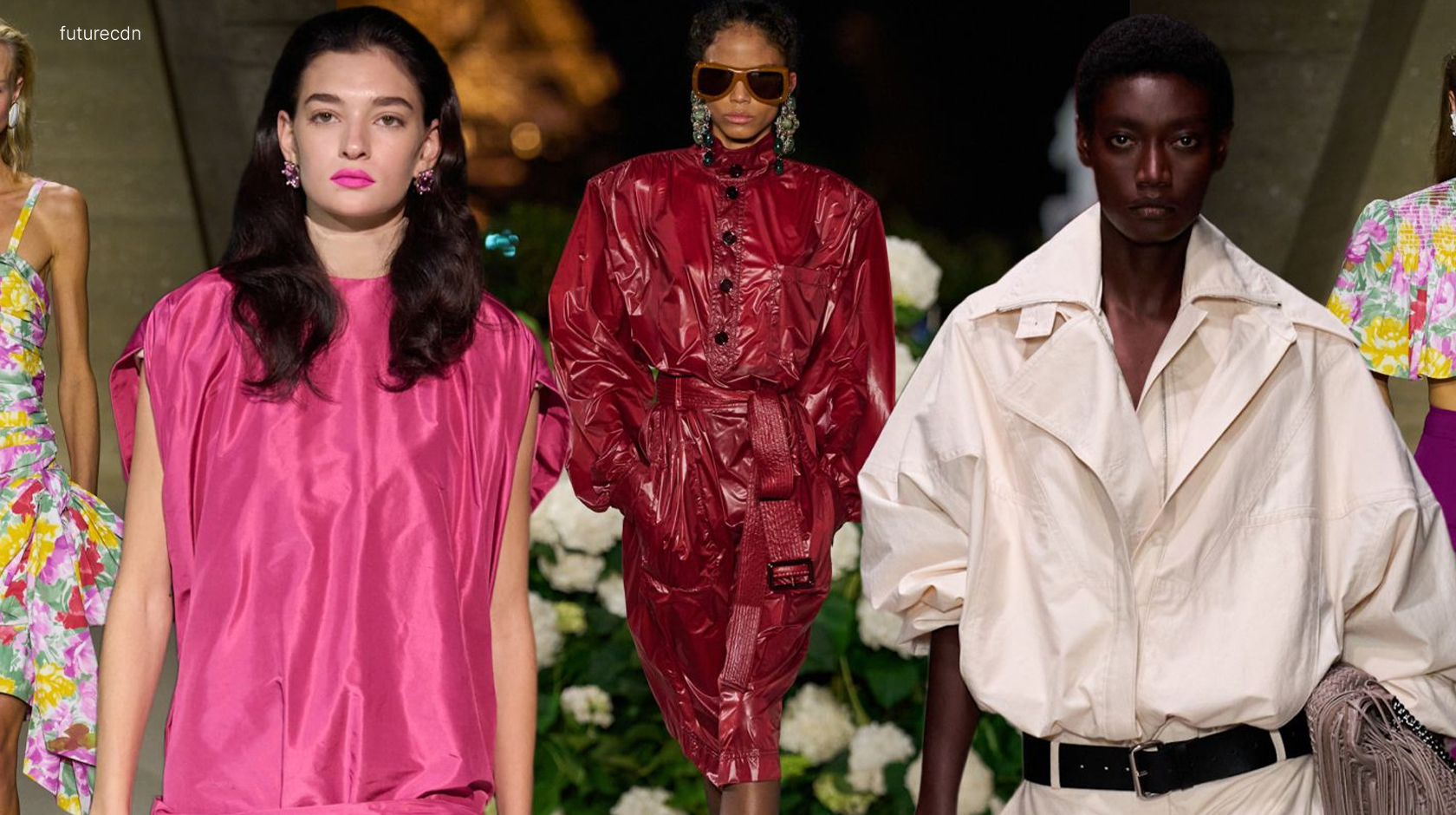
The 1980s dress was about bold statements: structured shoulders, cinched waists, and fabrics that could hold their own shape. The 2026 dress keeps that same confidence but trades stiffness for ease, favoring corset detailing, fluid fabrics, and silhouettes built to move. What hasn't changed is the dress's job as the quickest way to look pulled together for any occasion.

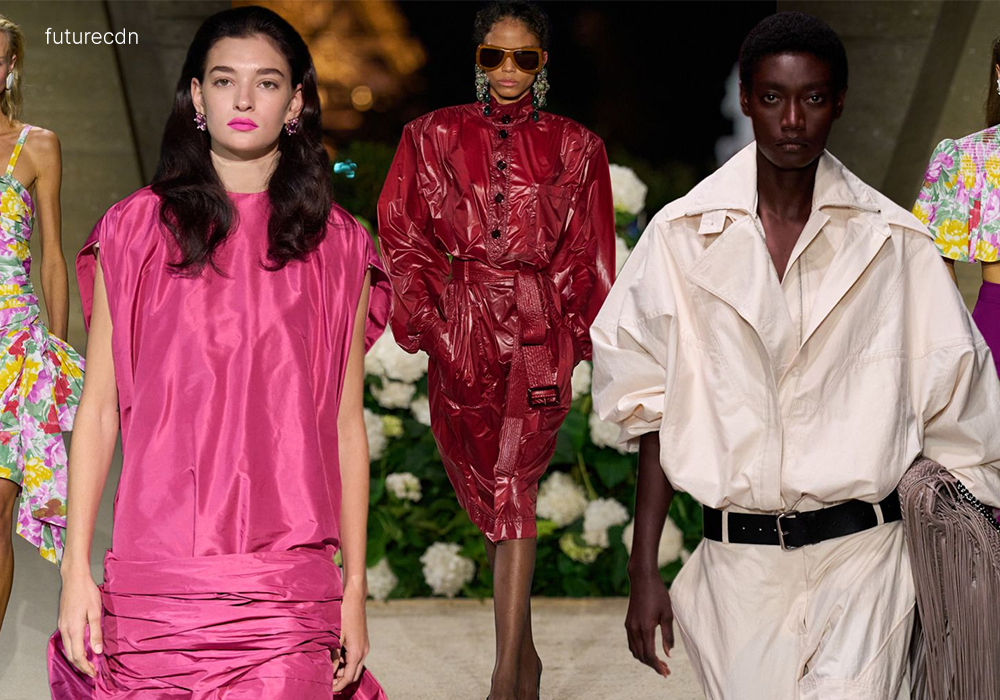
Dresses have a funny way of reflecting exactly what an era valued. In the 1980s, that meant power. Big shoulders, sharp tailoring, and enough structure to walk into a room and own it. Look at dresses today and you'll notice something different. The shapes are softer, the fabrics move more, and comfort finally gets a seat at the table alongside style.
So what actually separates a dress from 1986 and one from 2026? Quite a lot, as it turns out. Let's get into it.
What Defined the 1980s Dress?
The 1980s dress leaned hard into structure. Padded shoulders were everywhere, not just in blazers but in dresses too, creating that sharp, triangular silhouette that defined the decade. Waists were cinched tight, often with belts, to contrast against those broader shoulders.
Fabric choices tended toward the sturdier side, think taffeta, satin, and heavier synthetics that could hold a shape without collapsing. Prints were loud: think geometric patterns, bold color-blocking, and metallics that caught the light on the dance floor. Necklines ranged from high and structured to dramatically off-shoulder, but there was rarely anything understated about a well-dressed woman in 1985.
Occasion mattered too. A cocktail dress in the 1980s was built for a specific kind of glamour, often paired with statement earrings and a blazer-style jacket for extra polish.
How Have Dresses Changed for 2026?
The 2026 dress has picked up a very different set of priorities. Movement now matters as much as shape. Fabrics like organza, satin, and lightweight crepe have replaced stiffer materials, giving dresses a fluid drape that feels modern rather than armored.
The corset has made a serious comeback, but not in its restrictive Victorian form. Instead, corset-style dresses offer structure through the bodice while keeping the rest of the silhouette relaxed, often finishing in a flared skirt or a sleek column. This blend of structure and ease has become one of the defining features of contemporary occasionwear.
Necklines have also opened up. Off-shoulder and bandeau styles are everywhere, and designers are experimenting with asymmetric cuts that would have felt out of place forty years ago. Maxi dresses and fit-and-flare silhouettes dominate red carpets and weddings alike, while shorter, sharper cocktail dresses still hold their ground for evening events.
Color palettes have shifted too. While the 1980s loved a bold, high-contrast print, 2026 dresses often favor rich jewel tones or soft, romantic pastels, depending on the occasion.
What Hasn't Changed About the Dress?
Some things have stuck around no matter the decade. The dress remains the fastest route to looking finished for an event, no styling gymnastics required. Structure at the bodice, whether from padded shoulders or a corset, still signals a certain level of occasion-readiness.
And glamour hasn't gone anywhere either. Whether it's a metallic 1980s number or a sequin-covered 2026 corset dress, the goal is the same: make an entrance.
Where to Shop the Latest Dress Styles
Dresses have gone through a real transformation since the 1980s, but the core purpose hasn't budged. It's still the easiest way to dress for a moment that matters, whether that's a cocktail party or a wedding reception.
If you're building out your own dress collection, explore Aza Fashions' dresses collection for everything from structured corset styles to flowing maxi silhouettes, or check out the wedding edit for pieces designed for your next big celebration.
Frequently Asked Questions
What's the biggest difference between 1980s and 2026 dresses?
The 1980s favored structure through padded shoulders and stiff fabrics, while 2026 dresses lean into fluid movement, often achieved through lightweight fabrics and corset-style bodices instead of rigid shoulder padding.
Are corset dresses a modern trend or a throwback?
Corset dresses in 2026 borrow structural elements from historical corsetry but reinterpret them for comfort and movement, making them distinct from both Victorian corsets and 1980s structured silhouettes.
What dress style works best for a wedding in 2026?
Corset dresses and fit-and-flare silhouettes are leading wedding season right now, offering structure at the bodice while keeping the rest of the look light and easy to move in.
Can an 80s-inspired dress still work today?
Yes, especially bold color-blocked or metallic pieces reimagined with a modern, less padded silhouette. The key is softening the shoulder structure while keeping the confident color choices.

