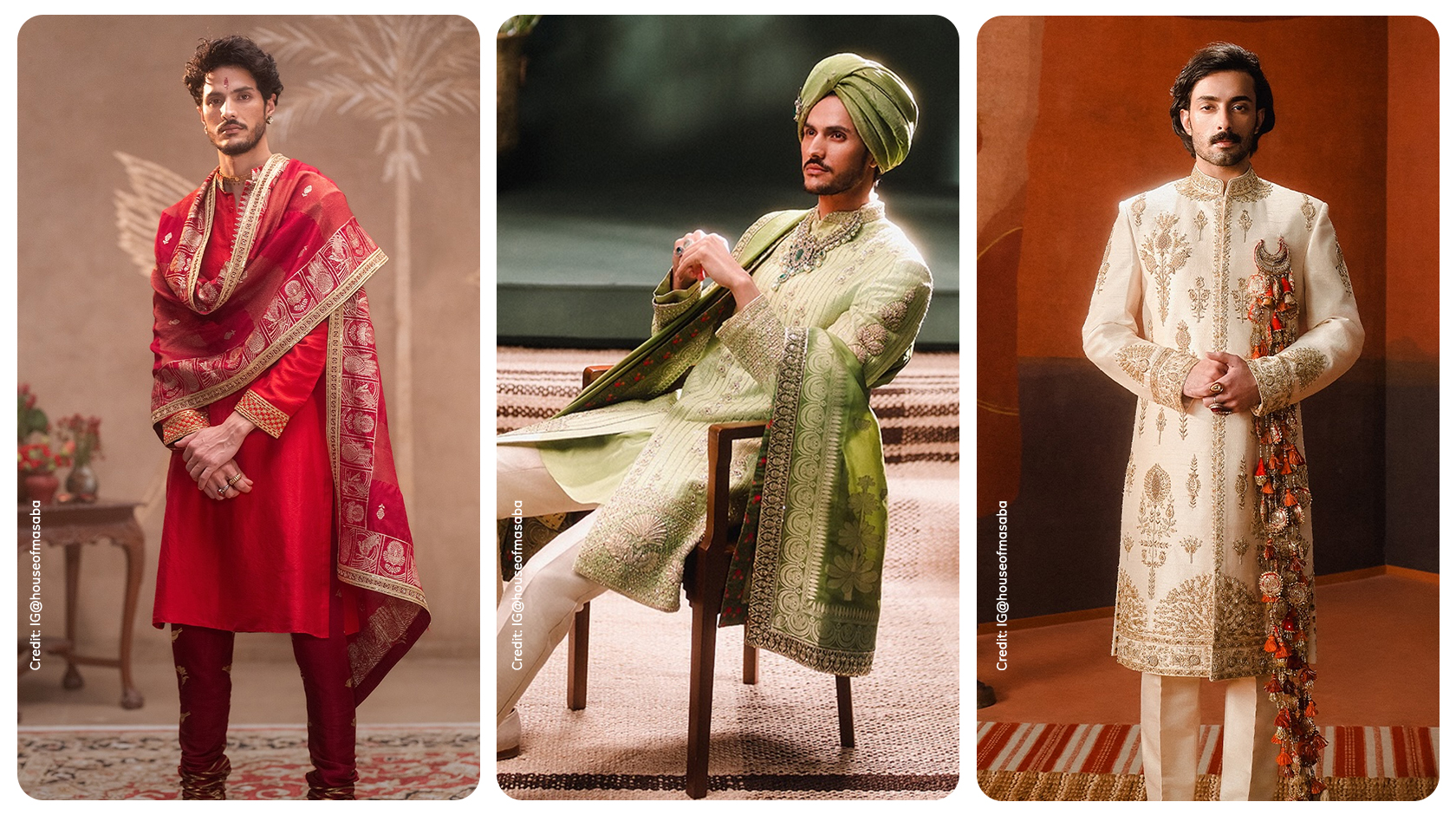
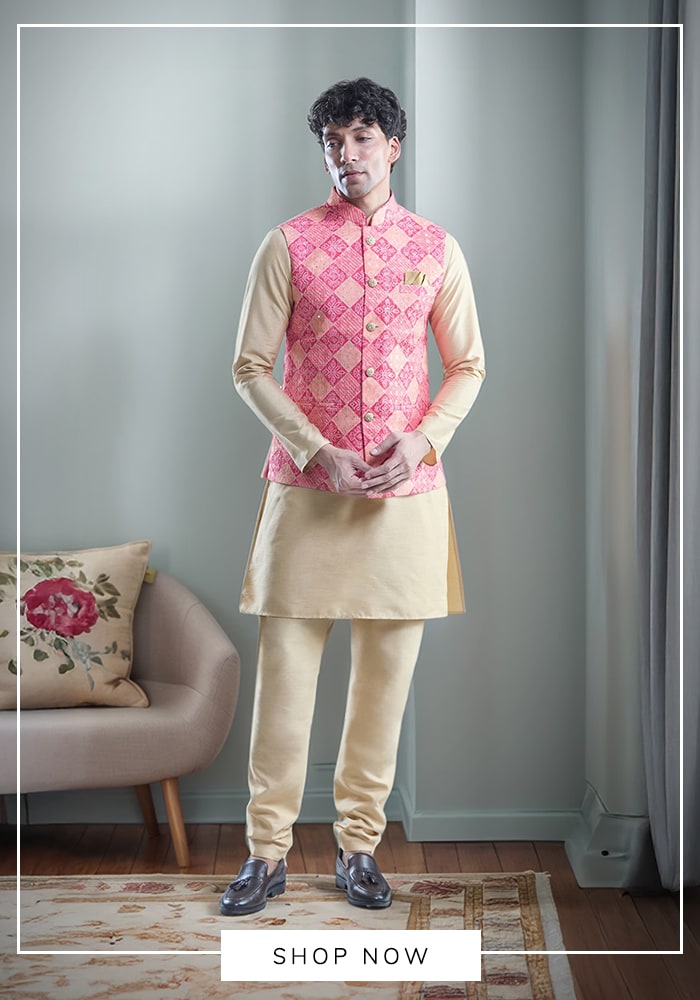
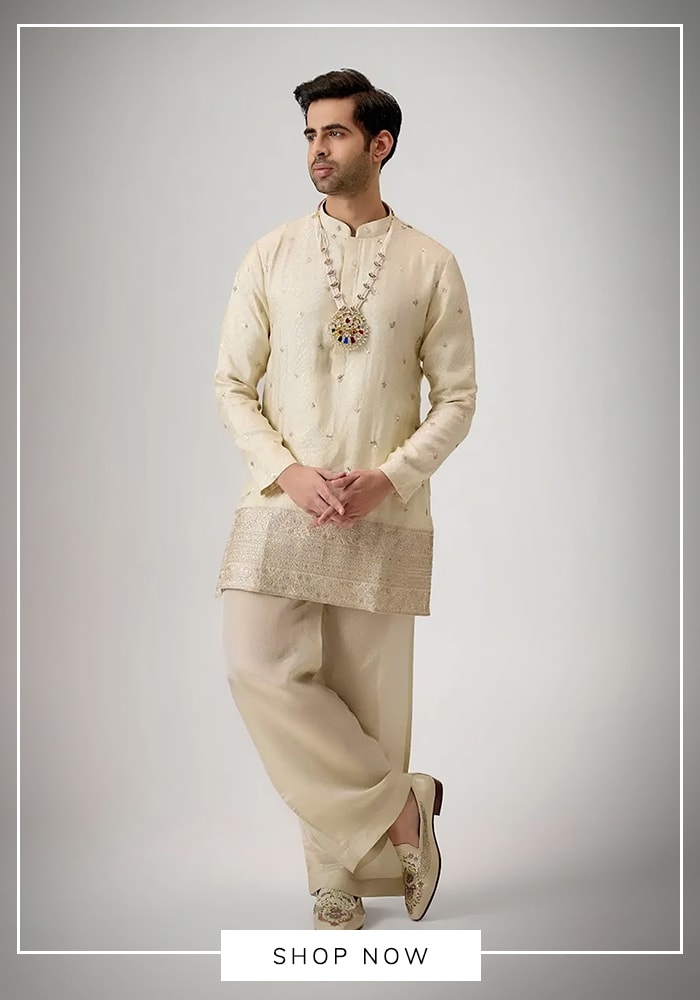
Gone are the days when men’s fashion was limited to a simple suit and tie. Today, the modern gentleman knows that style is about versatility, heritage, and making a statement. Indian formal wear offers exactly that—a rich tapestry of regal silhouettes, luxurious fabrics, and intricate craftsmanship that commands attention.
Whether you are the groom, the best man, or a guest at a festive celebration, wearing Indian ethnic wear transforms your presence. It adds a layer of sophistication that Western formals often cannot match. However, navigating the world of Sherwanis, Bandhgalas, and Kurtas can be confusing. What should you wear to a reception versus a sangeet? How do you accessorize without looking overdone?
This comprehensive guide breaks down the essentials of Indian formal wear for men, helping you choose the perfect outfit for every occasion while ensuring you look sharp, confident, and culturally on-point.
The Sherwani: The King of Ethnic Wear
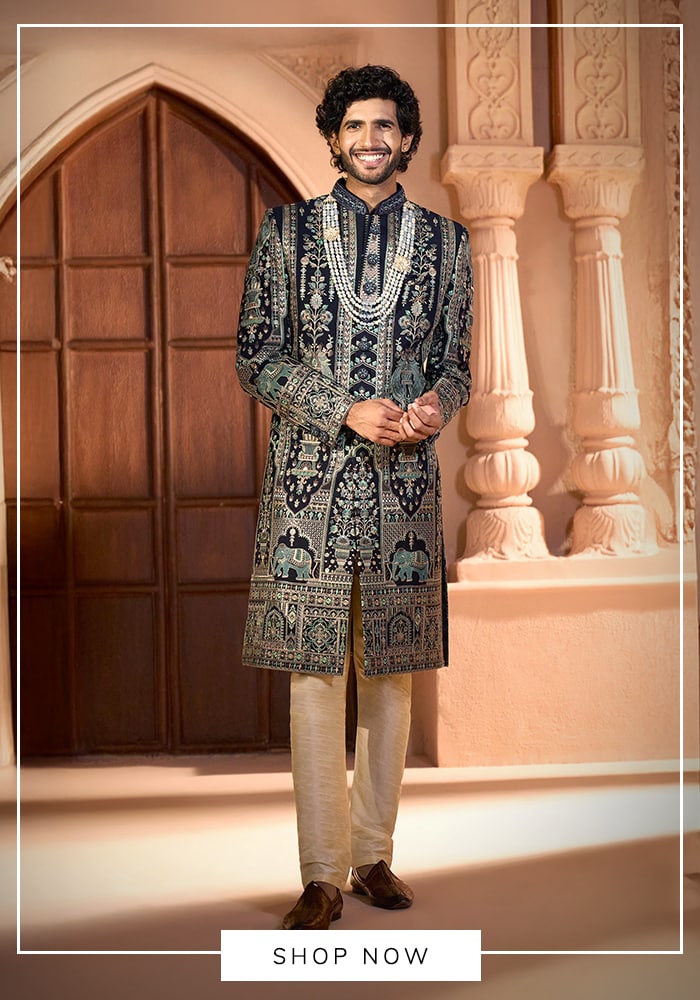
If there is one garment that defines Indian grandeur, it is the Sherwani. Originating from the royal courts of India, the Sherwani is a long coat-like garment worn over a kurta and churidar or pajama. It is the gold standard for weddings and high-profile ceremonies.
Why Choose a Sherwani?
A Sherwani immediately alters your posture and presence. The structured fit and heavy fabric give it a regal quality. It is the top choice for grooms because it sets them apart from the crowd.
Styling Tips
The Fit is Everything: A Sherwani should fit snugly around the shoulders and chest but allow enough room for movement. It should typically end just below the knees.
Fabric Matters: For weddings, opt for rich fabrics like velvet, brocade, or raw silk. For daytime events, lighter fabrics in pastel shades are trending.
Bottom Wear: Pair it with a fitted churidar for a traditional look, or straight-cut trousers for a modern silhouette.
When you invest in a piece this significant, quality is non-negotiable. Exploring a collection of designer Sherwanis ensures you get a garment where every stitch speaks of luxury and durability.
The Bandhgala: The Prince Coat
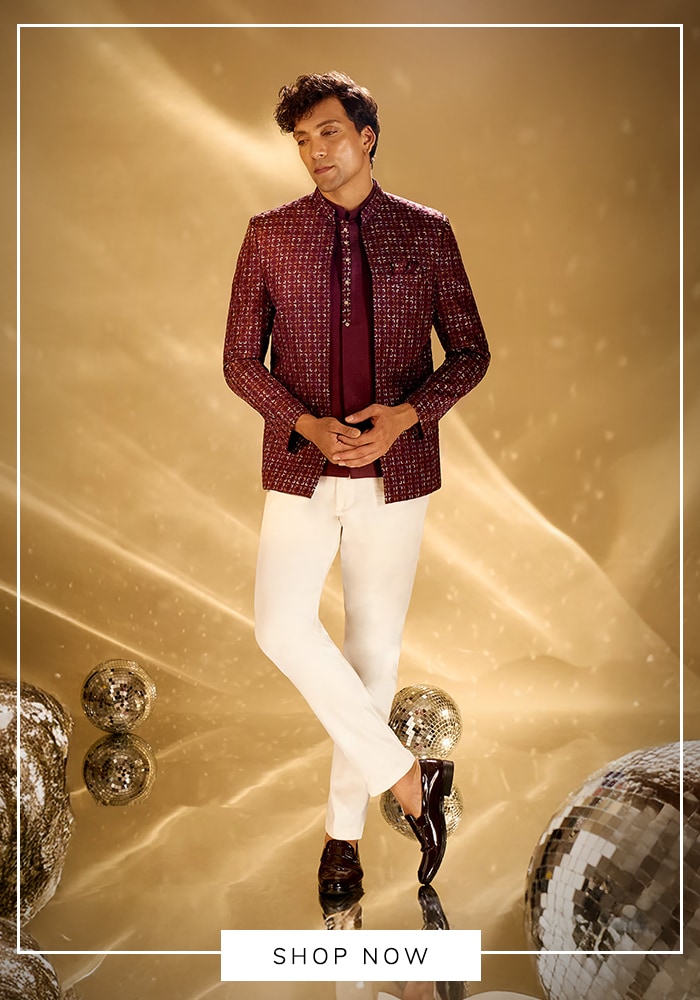
The Bandhgala, often called the Jodhpuri suit, is the Indian answer to the tuxedo. It is sophisticated, sharp, and incredibly versatile. Featuring a high, closed collar (bandh gala means "closed neck"), this jacket exudes authority and elegance.
When to Wear It
The Bandhgala is perfect for formal receptions, cocktail parties, and corporate events with a traditional dress code. It bridges the gap between Indian heritage and Western tailoring.
Styling Tips
Keep it Sleek: The beauty of a Bandhgala lies in its clean lines. Avoid heavy embroidery unless it is for a very festive occasion. Solid colors like navy blue, black, and charcoal grey are timeless.
Button Rules: Always keep the top button closed to maintain the integrity of the collar design.
Accessories: A pocket square is a must. It adds a pop of color to the solid jacket. You can also add a sleek brooch for extra flair.
For those who want to look effortlessly stylish, browsing a curated range of Bandhgalas can help you find a cut that complements your body type perfectly.
The Nehru Jacket: The Versatile Layer
Named after India's first Prime Minister, the Nehru Jacket is a hip-length tailored coat with a mandarin collar. It is essentially a sleeveless Bandhgala and acts as a fantastic layering piece.
Why It Works
It is the easiest way to upgrade a simple outfit. Throwing a Nehru Jacket over a basic kurta-pajama set instantly makes the look more formal and "dressed up" without the heaviness of a full Sherwani.
Styling Tips
Contrast is Key: If your kurta is a solid color, wear a printed or textured Nehru Jacket. If your kurta is patterned, go for a solid jacket.
Casual vs. Formal: Wear it with jeans and a short kurta for a smart-casual brunch, or over a silk kurta set for a sangeet ceremony.
Footwear: Loafers or Kolhapuri chappals work best with this look.
Check out the latest Nehru Jackets to find vibrant colors and unique textures that can spice up your wardrobe.
The Kurta Set: The Foundation of Style
The Kurta is a loose, collarless shirt that falls either just above or below the knees. It is the most comfortable form of Indian wear and serves as the canvas for other layers like stoles and jackets.
Variations to Know
Straight Cut: The classic style. Simple, elegant, and works for everyone.
Draped/Asymmetric: Modern designers are experimenting with cowls and uneven hemlines for a contemporary edge.
Pathani: Features a collar and pockets, offering a more rugged, masculine look.
Styling Tips
Monotone Magic: Wearing a kurta and churidar in the same color creates a tall, lean silhouette.
Fabric Choice: Cotton and linen are great for summer festivals, while silk blends are better for evening parties.
A well-fitted Kurta Set is a wardrobe essential that can be styled in endless ways.
Accessories: The Final Polish
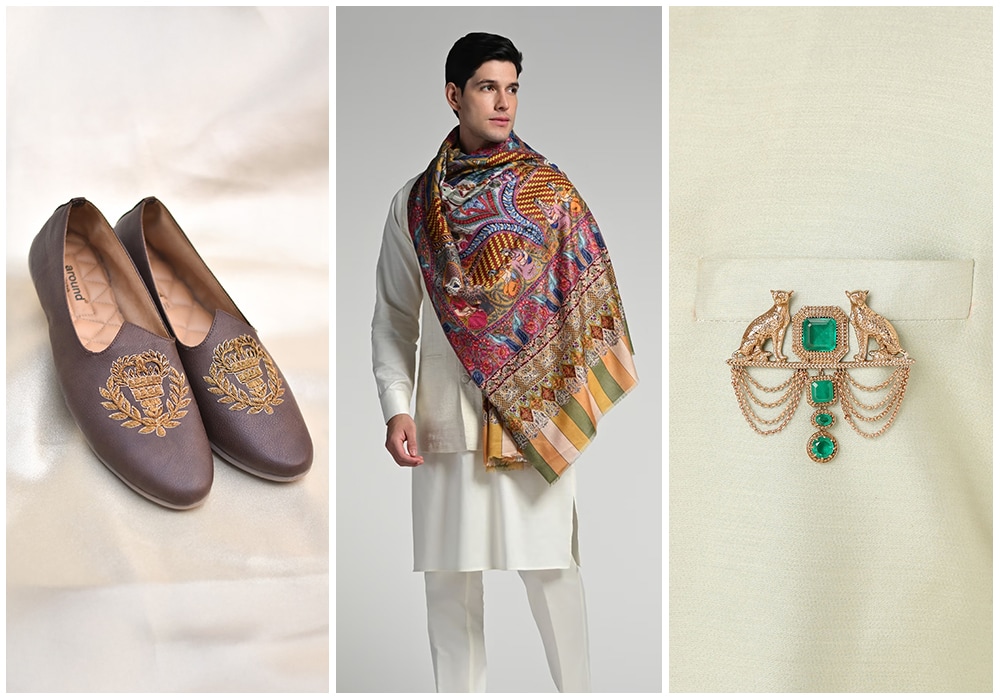
An Indian formal outfit is rarely complete without the right accessories. These small details show that you have put thought into your look.
Safas (Turbans): Essential for grooms and groomsmen. They add height and grandeur.
Mojaris/Juttis: Traditional embroidered footwear is far superior to standard dress shoes when wearing ethnic clothes.
Stoles/Dupattas: Draping a stole over one shoulder adds a layer of royal elegance to a Sherwani or Kurta.
Brooches and Kilangis: These jeweled pins add a focal point to turbans or jacket pockets.
Choosing Based on Body Type
Tall and Lean: You can carry off heavy fabrics and bold prints well. Double-breasted Bandhgalas look fantastic on you.
Broader Build: Stick to vertical lines and single-breasted jackets. Avoid heavy padding on the shoulders. Monotone outfits will help streamline your look.
Short Height: Opt for shorter kurtas and jackets. Avoid knee-length Sherwanis that might overwhelm your frame; aim for something that ends mid-thigh.
The Aza Promise: Why Quality Matters
Men often underestimate the importance of fabric quality and tailoring in ethnic wear. A cheap fabric will not drape correctly, and poor tailoring can make you look boxy. The discerning man understands that style is an investment.
Platforms like Aza Fashions cater to this need for excellence. By bringing together India’s top designers under one roof, they ensure that every piece—from a simple kurta to an elaborate Sherwani—meets the highest standards of luxury and style. It is about wearing clothes that feel as good as they look.
Frequently Asked Questions
Q: What is the best Indian formal wear for a wedding guest?A: A Bandhgala or a silk Kurta set with a Nehru Jacket is perfect. A Sherwani might be too heavy unless you are close family.
Q: Can I wear jeans with Indian formal wear?A: You can wear jeans with a short kurta and a Nehru jacket for semi-formal or casual events. However, for weddings and formal ceremonies, stick to churidars or trousers.
Q: How do I choose the right color for my skin tone?A: If you have a lighter skin tone, rich jewel tones like royal blue, emerald green, and maroon look great. For wheatish or dusky skin tones, pastels, beige, cream, and mustard yellow are very flattering.
Q: Is a Bandhgala considered formal wear in the West?A: Yes, a well-tailored Bandhgala is widely accepted as black-tie equivalent attire in many international circles due to its sharp, suit-like silhouette.
Conclusion
Indian formal wear for men is a celebration of culture and masculinity. It offers a break from the monotony of western suits and allows for personal expression through color, texture, and silhouette. Whether you choose the regal Sherwani, the sharp Bandhgala, or the versatile Nehru Jacket, remember that confidence is your best accessory.
So, for your next big event, embrace the elegance of Indian traditions. Dress up, stand tall, and let your style speak for itself.
Aza Staff is a team of writers, creators, and industry insiders who live and breathe fashion. We explore the craft, culture, and creativity behind India’s luxury design scene, bringing you stories that are equal parts stylish and soulful.