
Kolkata in winter has a particular hum to it. Fog settles over the Hooghly in the mornings, the smell of roasted peanuts drifts through the streets, and this year, that familiar rhythm comes with something new. From November 25, 2026, through January 2, 2027, the city, along with Santiniketan, becomes the stage for one of India's most anticipated contemporary art festivals.
This is the second edition of the Bengal Biennale, and it has a lot to live up to. The inaugural edition put Bengal firmly on the map as a destination for serious contemporary art in India, not just the nostalgia-soaked heritage it's often reduced to. This year's edition pushes further, pairing poetry with ecology, politics with memory, and asking visitors to sit with discomfort as much as beauty.
So What Exactly Is a Biennale, Anyway?
If the term sounds intimidating, it shouldn't. A biennale is simply a large-scale art exhibition that happens every two years, bringing together artists, curators, and institutions under one unifying theme. Think of it as a citywide gallery that spills out of traditional museum walls and into unexpected spaces: old houses, former prisons, studios, parks.
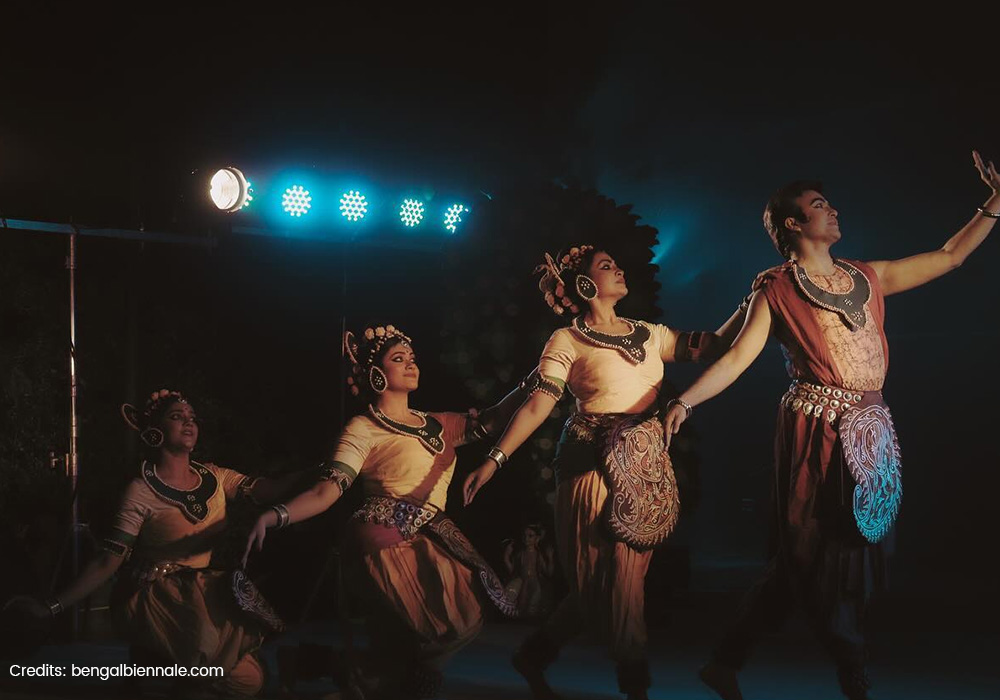
The Bengal Biennale does exactly this, pulling together contemporary art, photography, installations, performance, and collaborative projects under a single curatorial vision. The first edition established the format. This second one, running across both Kolkata and Santiniketan, expands the ambition considerably, with over 100 artists participating across nearly 20 institutional venues.

Banalata: Why This Year's Theme Runs Deep
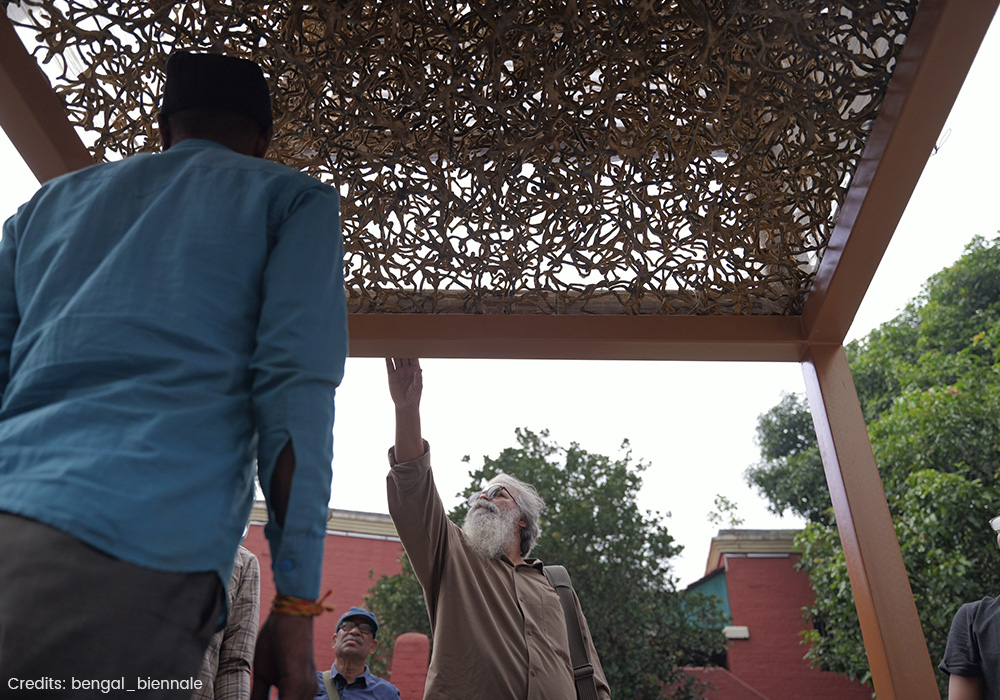
The full title of this year's edition is "Banalata: Entangled | Indestructible," and it's worth sitting with what that actually means. Banalata draws its name from two sources at once. The first is Banalata Sen, the enigmatic figure at the heart of Jibanananda Das's celebrated Bengali poem. The second is ban-lata, the wild forest vine that grows unchecked, tangled, and resilient.
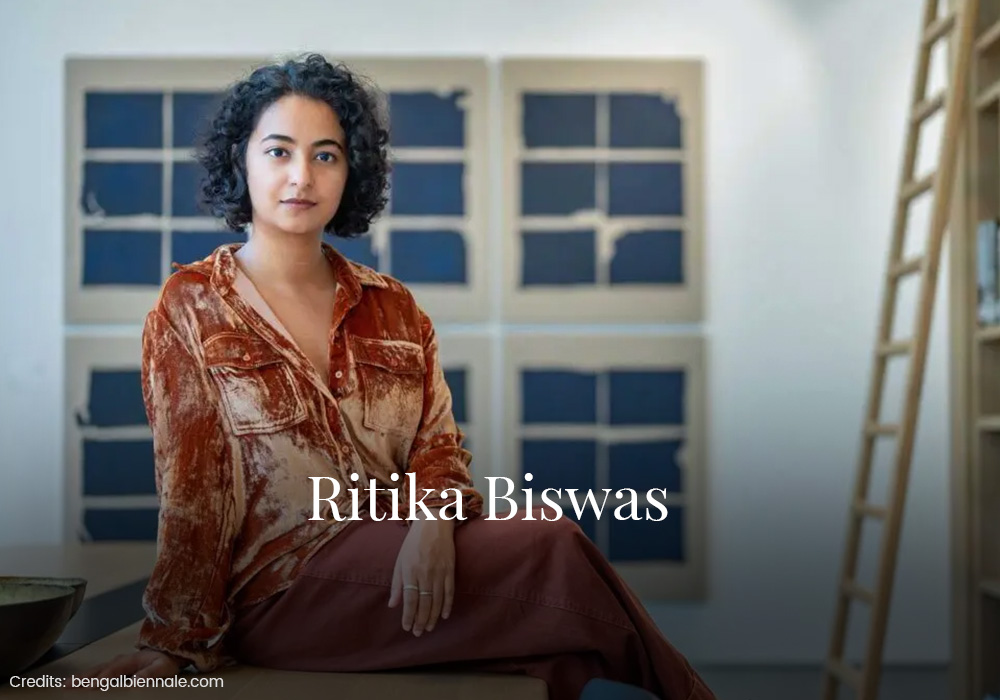
Co-curators Chander Haat and Ritika Biswas describe the theme as a way of delving into "subterranean worlds and buried histories" across both cities. Banalata, in their words, dwells within "a once-prison, old houses, and a wild park, among other nodes." The idea is to trace underground networks of kinship and sit with what they call "plural darknesses," finding poetic strategies for rest, resistance, and joy within current necropolitical landscapes.
Here's the thing about that framing: it isn't abstract for the sake of sounding clever. It's a direct response to environmental destruction and global uncertainty, using the image of the vine (something that survives by entangling itself with whatever is nearby) as a metaphor for how communities endure.
The Curators Behind the Vision
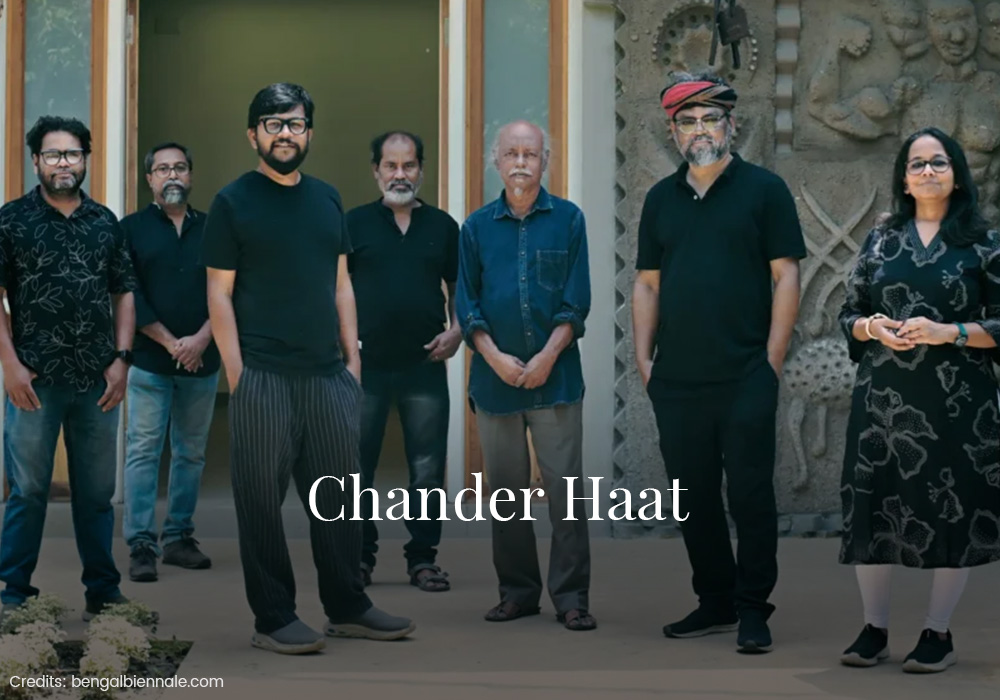
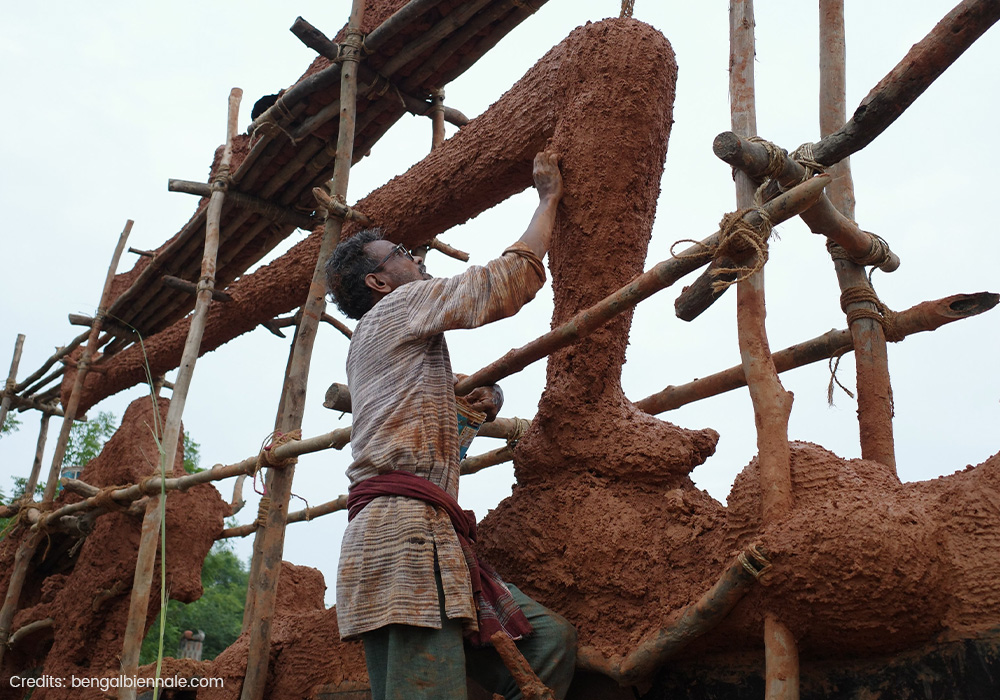
Chander Haat is an artist collective and community space based in Sarsuna, on the edges of Kolkata. What makes them distinctive is their deep socio-political and ecological engagement with local communities, paired with a long history of designing Durga Puja installations. Each member also maintains an independent practice. The collective received the Vivan Sundaram Grant for Installation Art in 2024.
Ritika Biswas is an independent curator and artistic researcher whose work centers on ecological justice, necropolitics, and experimental media. Her curatorial résumé includes stints at New Art Exchange in the UK and a tenure as Artistic Director of the Busan Biennale's Sea Art Festival, where she became both the youngest and first female foreign director since 1987. Recent projects include exhibitions at Project 88 Mumbai, the 15th Gwangju Biennale, Fondation Fiminco in Paris, and 421 in Abu Dhabi.
Who's Showing Up: The Artists of Bengal Biennale 2026
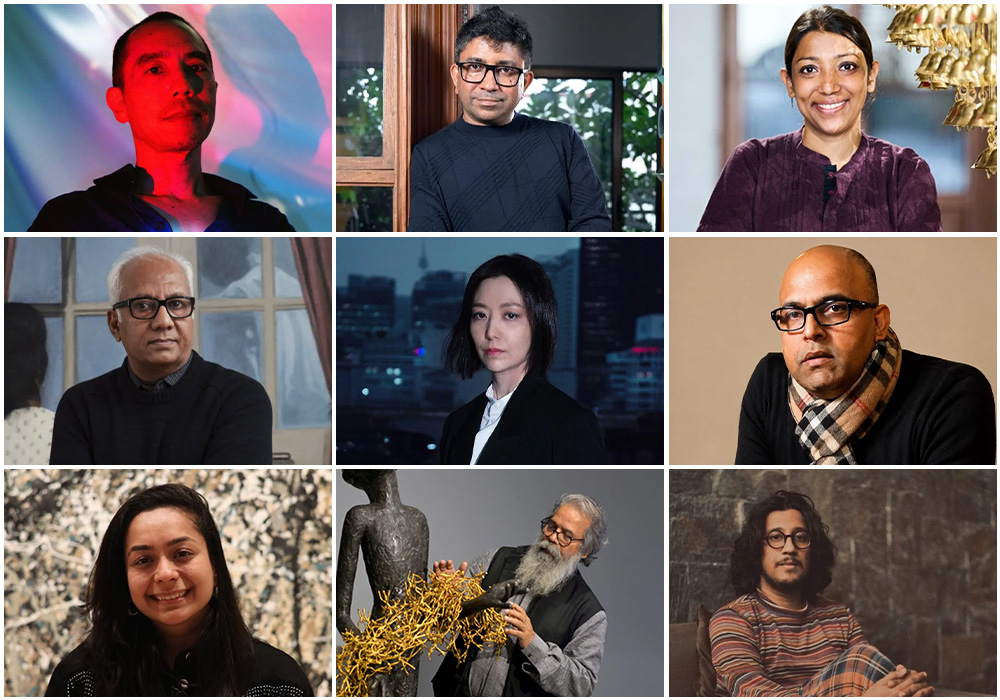
This edition brings together an eclectic mix of established names and emerging voices. Among the confirmed participants are Aban Raza, Abin Chaudhuri, Abir Mukerjee, Amar Kanwar, Amol K Patil, Anupam Roy, and Apichatpong Weerasethakul, each bringing a distinct practice spanning painting, architecture, film, and experimental media.
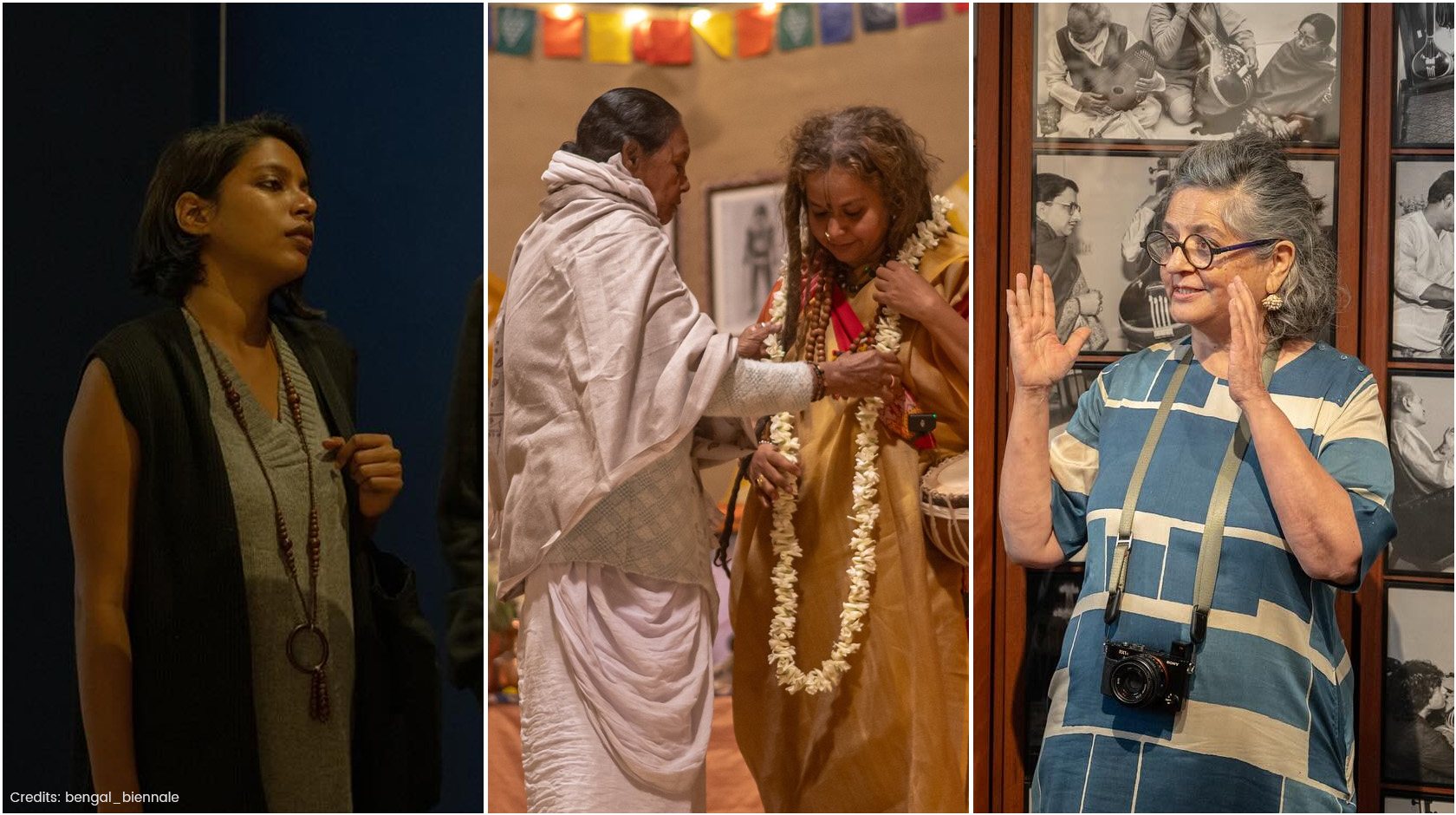
Alongside these names, the Biennale ran its inaugural Open Call, selecting a group of emerging artists to showcase alongside established practitioners. The selected artists are Abantika Chanda, Koushik Mondal, Partha Sarathi Kamar, Pritam Laha, Rajnandani Gupta, Rinni Choudhary, Rishma Mariya Johnson, and Saqib Ali. Their inclusion signals something important about this edition's intent: it isn't just a showcase for art world veterans; it's actively making room for new voices to enter the conversation.
A City Becomes the Gallery
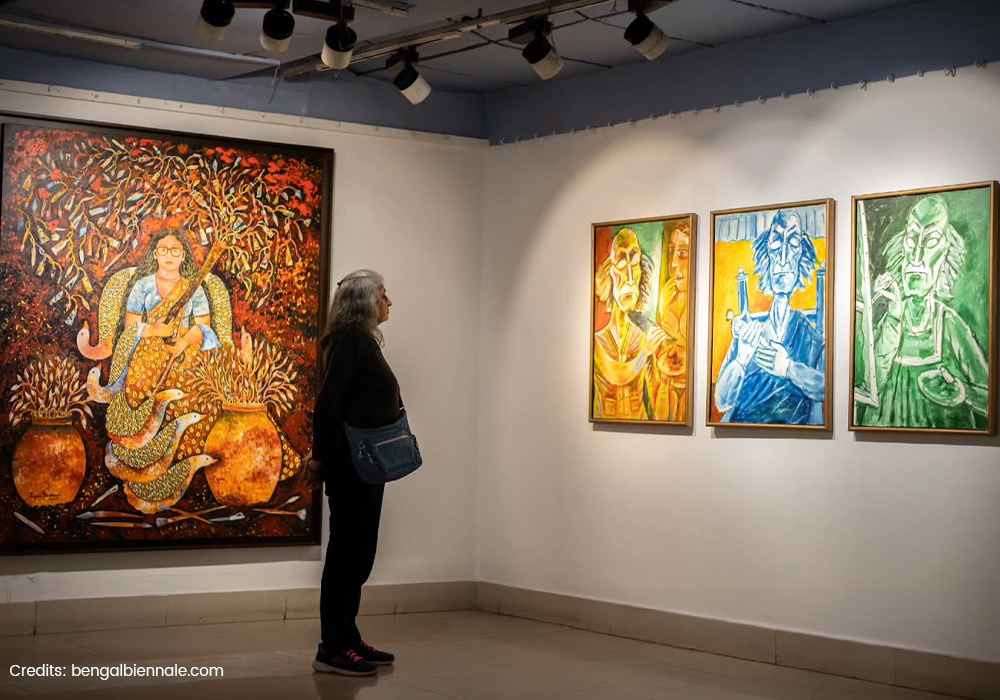
What sets the Bengal Biennale apart from a typical museum exhibition is how it uses space. Rather than confining the art to white-walled galleries, the Biennale spreads across historic buildings, working art studios, and cultural institutions, turning the act of visiting into something closer to exploration than observation.
In Kolkata, venues include Alipore Museum, Indian Museum, Kolkata Centre for Creativity, Lalit Kala Akademi, New Empire Cinema, Siddhi and Muni Art Studios, The Dockyard Co, The Red Bari, and TRI Art & Culture. These venues open to the public on November 28, 2026.
In Santiniketan, the Biennale unfolds across SSVAD, Tokaroun, Arthshila, the Nandan Art Museum, Sculpture Park, Somnath Hore Studio, and Krittika Arts Space. Each of these locations carries its own history, which adds a layer of context the art responds to directly rather than simply occupying.
Planning Your Visit
The Bengal Biennale runs from November 25, 2026, to January 2, 2027, with Kolkata venues opening their doors on November 28, 2026. For registration details, exhibition passes, and the latest programme updates, head to the official website at bengalbiennale.com.
Given the scale of this edition, with over 100 artists spread across nearly 20 venues, it's worth setting aside more than a single afternoon if you want to actually absorb what's on offer.
Worth the Trip
What makes the Bengal Biennale worth your time isn't just the scale of it, though that alone is impressive. It's the way the festival treats art as something inseparable from place, memory, and the ongoing work of surviving difficult times together. Banalata asks visitors to think about resilience not as something heroic and individual, but as something that happens in the tangled, unglamorous work of staying connected to each other and to the land.
If you're anywhere near Kolkata or Santiniketan this winter, this is one of those rare cultural moments where showing up actually matters. Check the official site for the full programme, and give yourself the time to wander through it properly.