

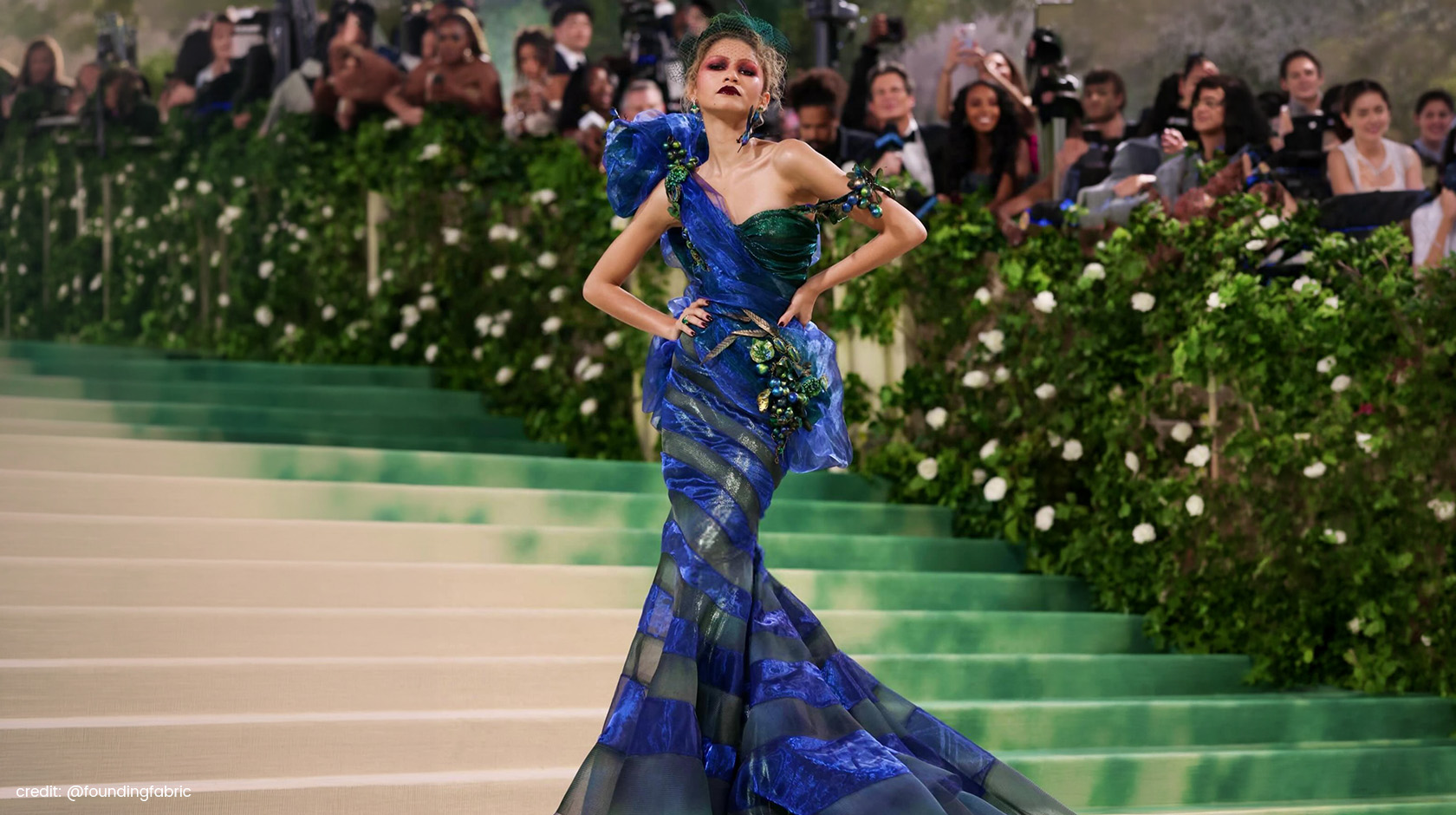
When was the last time you seriously thought a white T-shirt, a trench coat or even a puffer jacket pulled from the back of the closet on a cold morning was high fashion. Let's just say, never! And yet in 2027, they will be play the protagonist at the most anticipated cultural moments of the year.
The Costume Institute's spring exhibition, titled extraORDINARY: Fashion and the Poetics of the Everyday, has been announced as the thematic foundation for the 2027 Met Gala. The theme invites a question that has quietly shaped fashion discourse for years: what happens when the overlooked becomes the exceptional? Familiar silhouettes, disposable materials, and garments once dismissed as basic are being repositioned as objects worthy of close study, elevated by craftsmanship, concept, and context into something closer to art.
It is, in many ways, a radical premise dressed in understatement. Luxury has long been defined by rarity, excess, and spectacle. This exhibition appears intent on dismantling that definition from the inside out.
A Tale of Two Sections
The exhibition is structured around two principal sections, each approaching the theme from a different angle.
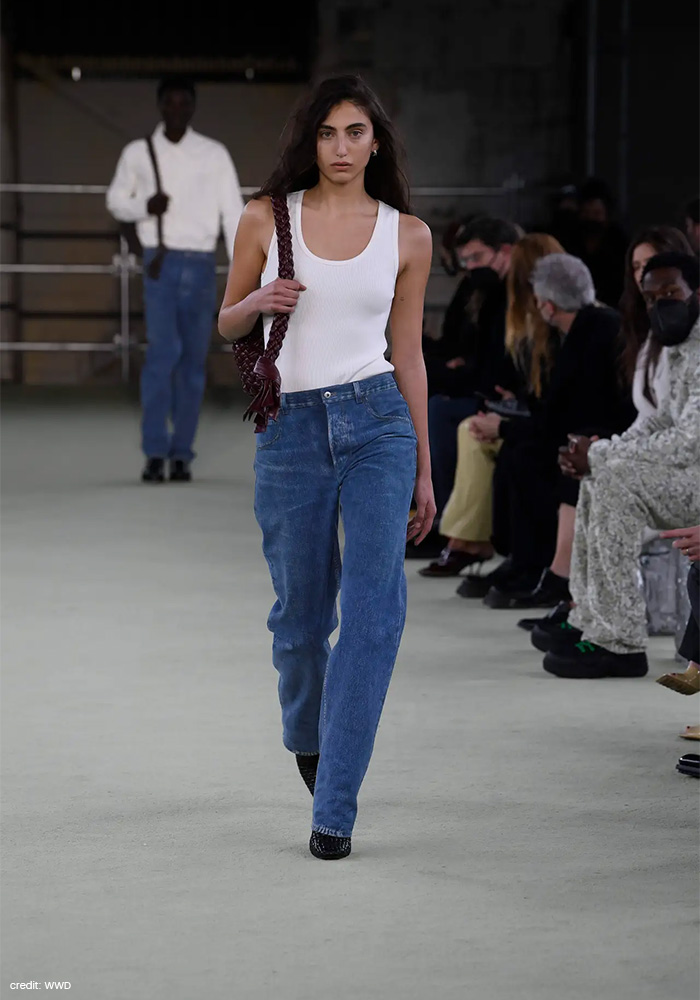
Familiar Forms is built around archetypal garments, the kind found in nearly every wardrobe. T-shirts, jeans, trench coats, and puffer jackets are reimagined here, not as basics but as canvases. The everyday shape is retained, while meaning, construction, and intention are layered on top of it until the garment is transformed into something unrecognizable from its origins, even as its silhouette remains instantly familiar.

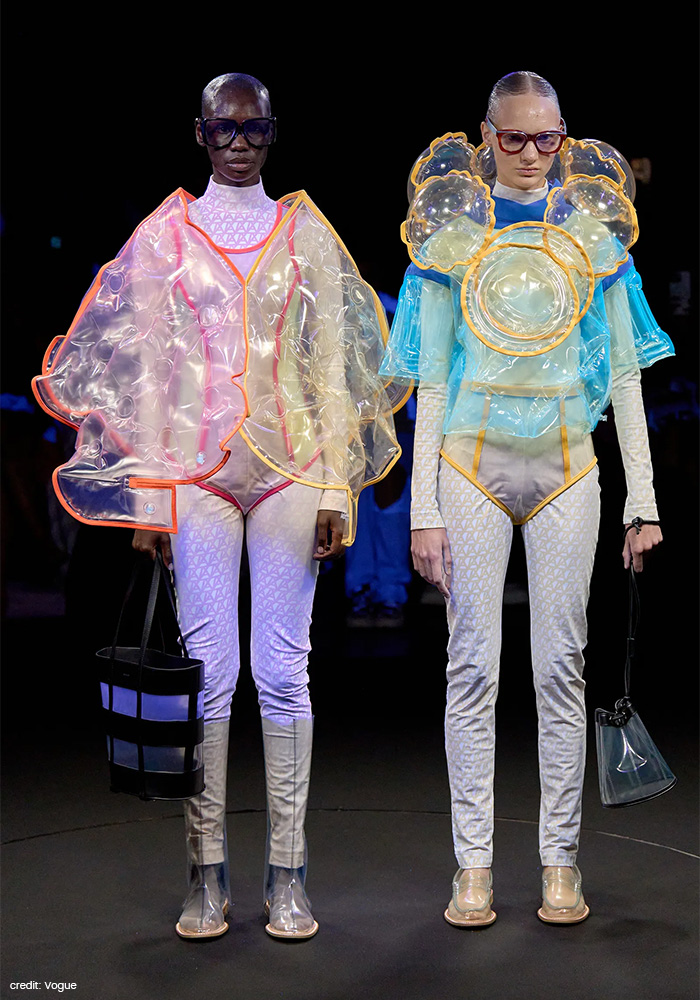
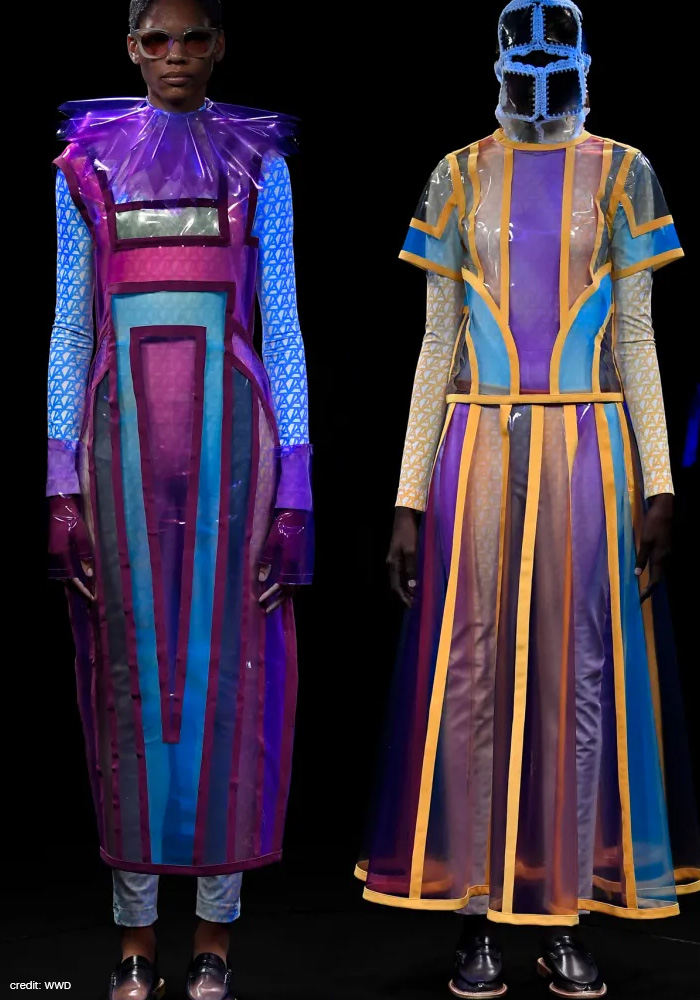
Common Matter takes a different path toward the same destination. Rather than focusing on garment type, this section is organized around material. Paper, plastic, and metal, substances rarely associated with couture, are reconstructed into wearable pieces. The ordinary material is not disguised so much as honored, its humble origins left visible even as it is transformed into something extraordinary.
Together, the two sections form a conversation about value: where it comes from, who assigns it, and whether it can be found in materials and forms that have historically been considered beneath fashion's notice.
The Designers Shaping the Narrative
Several designers have been named as central to the exhibition's story, each offering a distinct interpretation of the theme.
Virgil Abloh's work with Off-White is referenced through his reconstructions of the T-shirt, a garment he treated with the seriousness typically reserved for tailoring. Gianfranco Ferré's white shirts are also featured, long regarded within the industry as some of the most architecturally considered garments ever produced from a piece of clothing often taken for granted.
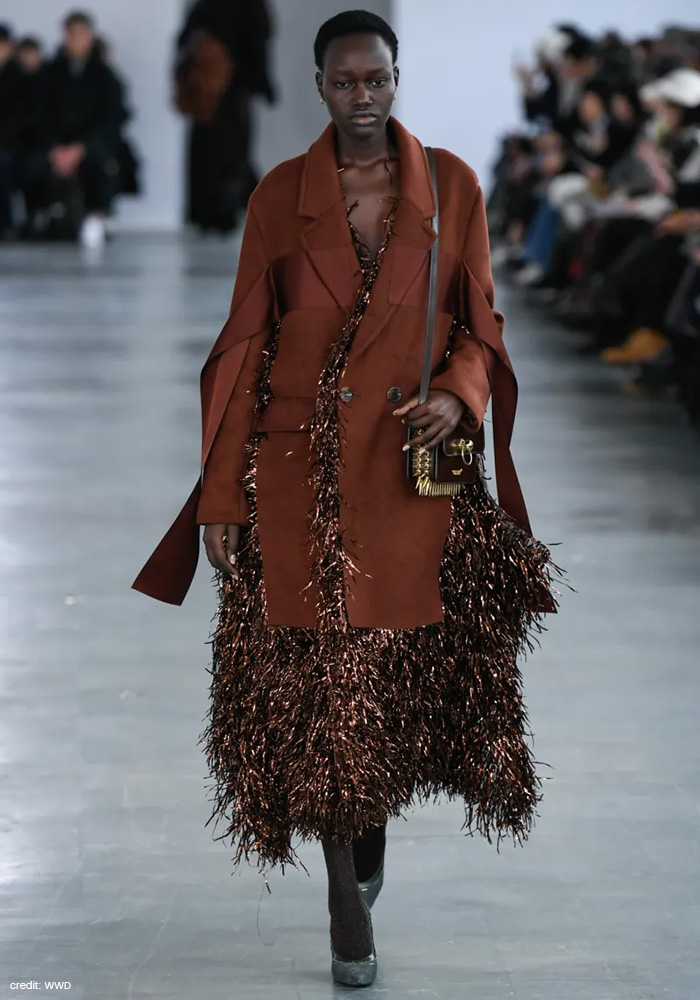
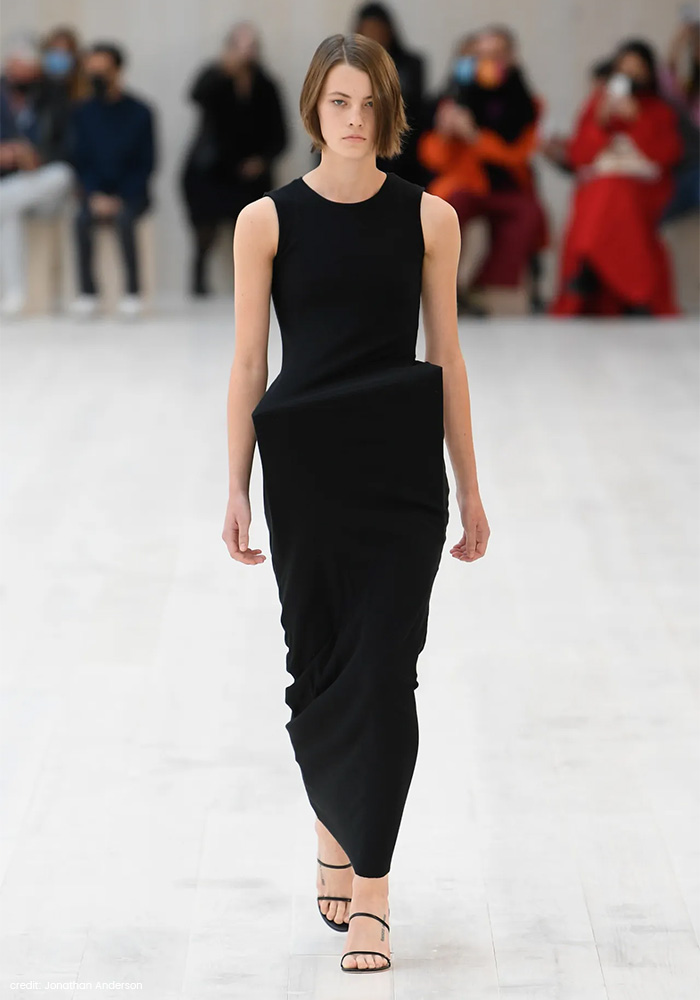
The trench coat receives particular attention, with interpretations from Jonathan Anderson's tenure at Loewe placed alongside Burberry's own archival relationship with the silhouette, a garment the brand is historically credited with popularizing. The dialogue between these two perspectives, one house known for conceptual reinvention and the other for heritage craftsmanship, is expected to be a highlight of the Familiar Forms section.

Pierpaolo Piccioli's work for Moncler is also included, with puffer gowns that stretch the humble outerwear piece into something closer to eveningwear. Maison Margiela's contributions lean into the Common Matter section, with pieces built from unconventional and repurposed materials that reflect the house's long-standing interest in deconstruction and reinvention.
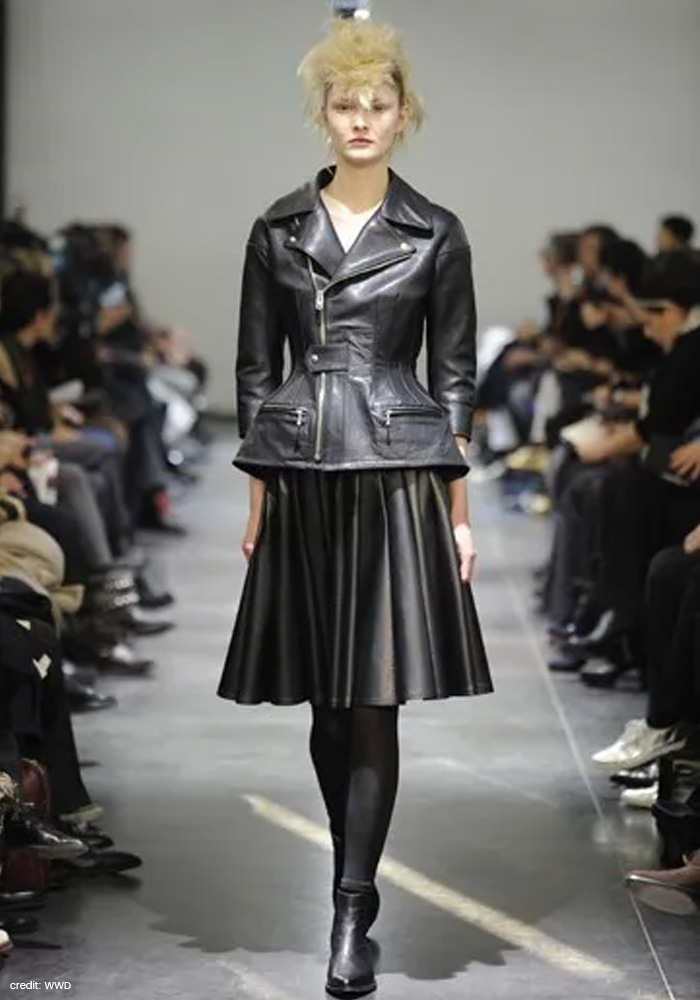
The exhibition's narrative arc is bookended by two designers whose work frames the entire premise. It is expected to open with garments from Jun Takahashi's AW 2024-25 Undercover collection, titled Watching a Working Woman and inspired by Wim Wenders's film Perfect Days, a meditation on dignity found in routine and repetition. It closes with Kunihiko Morinaga's collections for Anrealage, where unfamiliar geometries are used to challenge the very idea of what a garment's shape can be. Between these two points, a story is told about the distance between the ordinary and the extraordinary, and how little distance there sometimes is.
Material as Message
What distinguishes this exhibition from previous Costume Institute presentations is the degree to which material itself is treated as a storytelling device rather than simply a means of construction.
Paper, plastic, and metal are not materials typically associated with fashion's upper tiers. They are inexpensive, disposable, and often overlooked entirely. By placing them at the center of a major fashion exhibition, a clear statement is being made: value is not inherent to a material, it is assigned through craft, intention, and context.
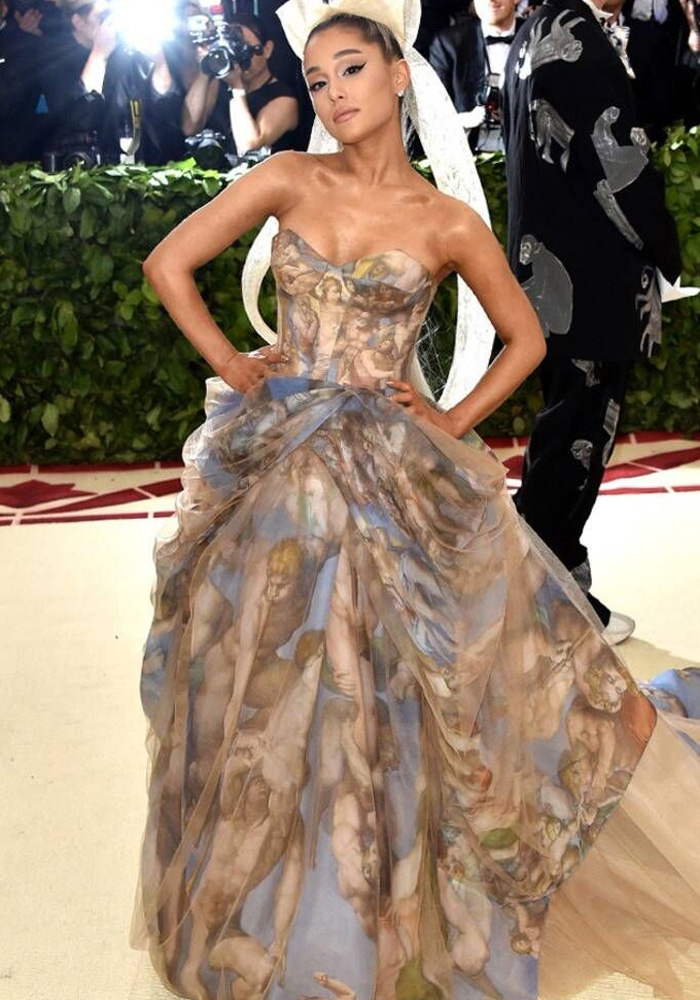
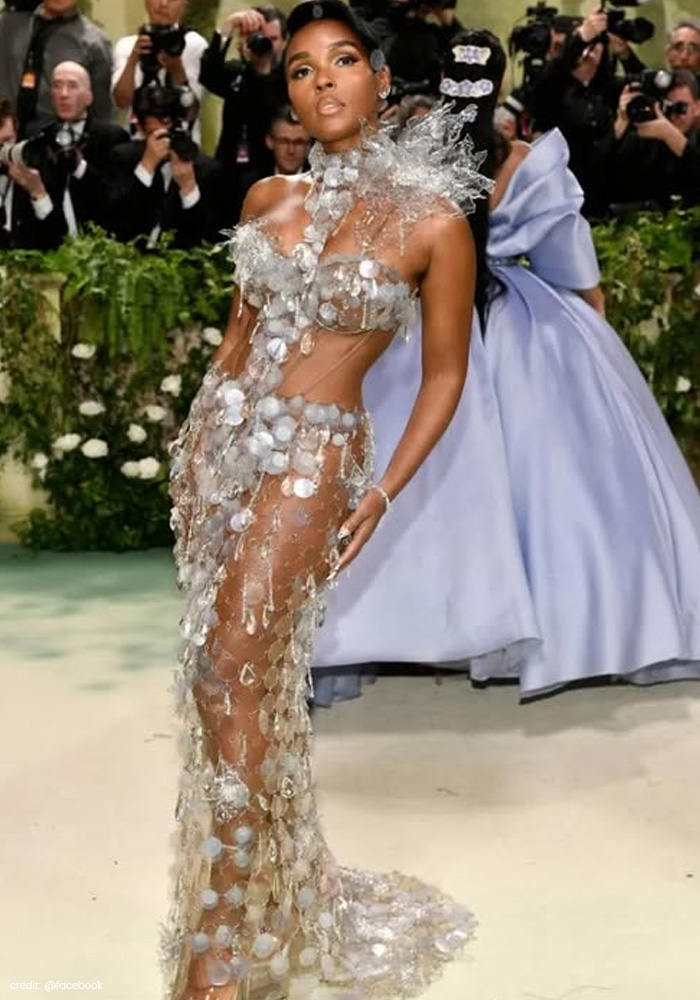
This idea extends naturally into questions of sustainability and reuse, themes that have become increasingly urgent within the industry. A garment constructed from reclaimed or unconventional materials carries a different kind of significance than one built from traditional luxury textiles. It asks viewers to reconsider what deserves to be called precious, and why.
The Vision Behind the Exhibition
The exhibition has been curated by Andrew Bolton, alongside Stephanie Kramer and Emily Mushaben, with scenographic design handled by the London-based studio 1009. It builds directly on the foundation laid by the 2026 Costume Institute exhibition, Costume Art, extending its exploration of fashion's relationship to artistic practice into new territory.
The curatorial approach appears designed to resist spectacle for its own sake, instead asking visitors to slow down and reconsider objects they encounter daily without a second thought. A T-shirt is no longer simply a T-shirt once its construction, context, and conceptual framing have been examined closely enough. That shift in perception, from the mundane to the meaningful, sits at the heart of the exhibition's purpose.
Key Dates and Details
The Met Gala, marking the formal opening of the exhibition, is scheduled for May 3, 2027. The exhibition itself will be open to the public from May 9, 2027 through January 9, 2028, offering an extended window for visitors to engage with its themes firsthand.
Instagram has been named as the lead sponsor, with Moncler providing major funding, a fitting partnership given the brand's inclusion within the Familiar Forms section. Additional support is being provided by Condé Nast, and the exhibition's education programs are backed by Jordan Roth.
What This Means for the Red Carpet
A theme like this one presents a particular kind of challenge for designers and attendees alike. Unlike more literal or ornate Met Gala themes of years past, extraORDINARY asks for restraint paired with conceptual depth. The most successful interpretations will likely be those that find a way to make the familiar feel genuinely transformed, rather than simply referenced.
How that challenge will be met remains to be seen. Will the red carpet lean into deconstruction, material experimentation, and familiar silhouettes pushed past recognition? Or will it find quieter, subtler ways to honor the theme's poetic core? Either way, the conversation this exhibition has already started, about what counts as valuable, what counts as art, and where the line between the two actually sits, is one worth following closely between now and May.