


The Batua bag, a drawstring pouch rooted in South Asian tradition, is having a major fashion moment. Once confined to bridal trousseaus and festive occasions, the Batua has crossed over into everyday styling reimagined by global designers and embraced by a new generation of fashion lovers.
There are certain accessories that never truly disappear. They retreat quietly, waiting for the cultural moment that brings them back with fresh energy. The Batua bag is one of them.
For centuries, the Batua—a small, gathered drawstring pouch originating from the Indian subcontinent—has been a staple of South Asian dress. Embroidered in silk, studded with mirrors, or woven from rich brocade, it was traditionally carried at weddings and religious ceremonies. Functional, yes, but also deeply symbolic: a vessel for offerings, coins, or small personal treasures.
Now, the Batua is stepping far beyond its ceremonial roots. Spotted on runways, reinterpreted by independent designers, and embraced by fashion influencers around the world, this ancient pouch is one of the most compelling accessory revivals of the decade. Here's why it's resonating so strongly—and how to wear it.
What Is a Batua Bag, Exactly?
The Batua (also spelled batwa or batta) is a small pouch typically cinched shut with a drawstring or tassel. Its origins trace back to Mughal-era India, where embroidered pouches were carried as both accessories and vessels for religious offerings.
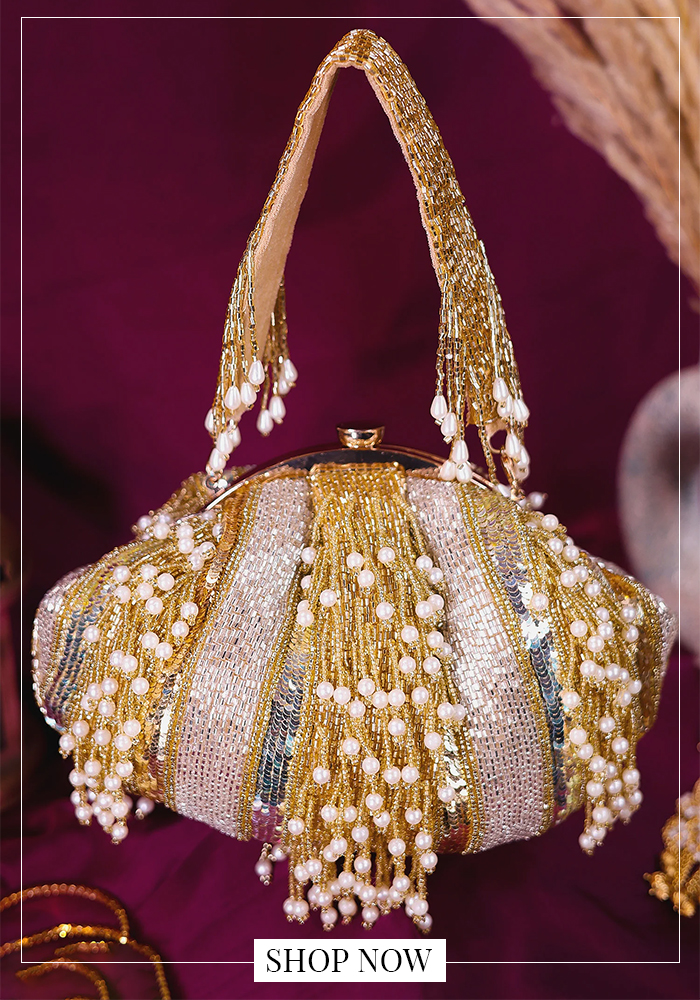
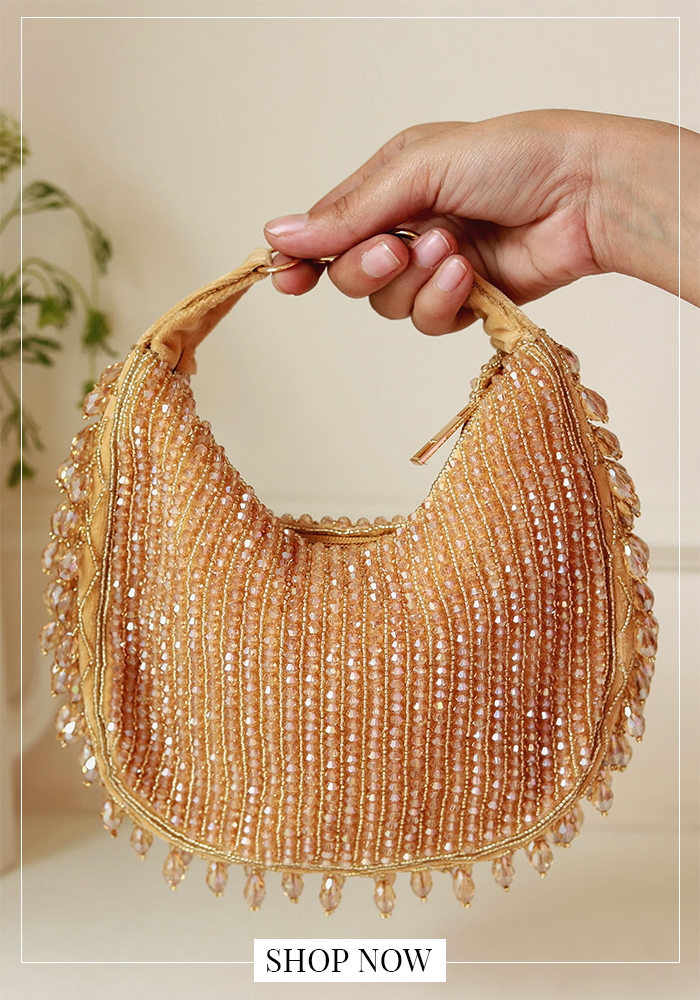
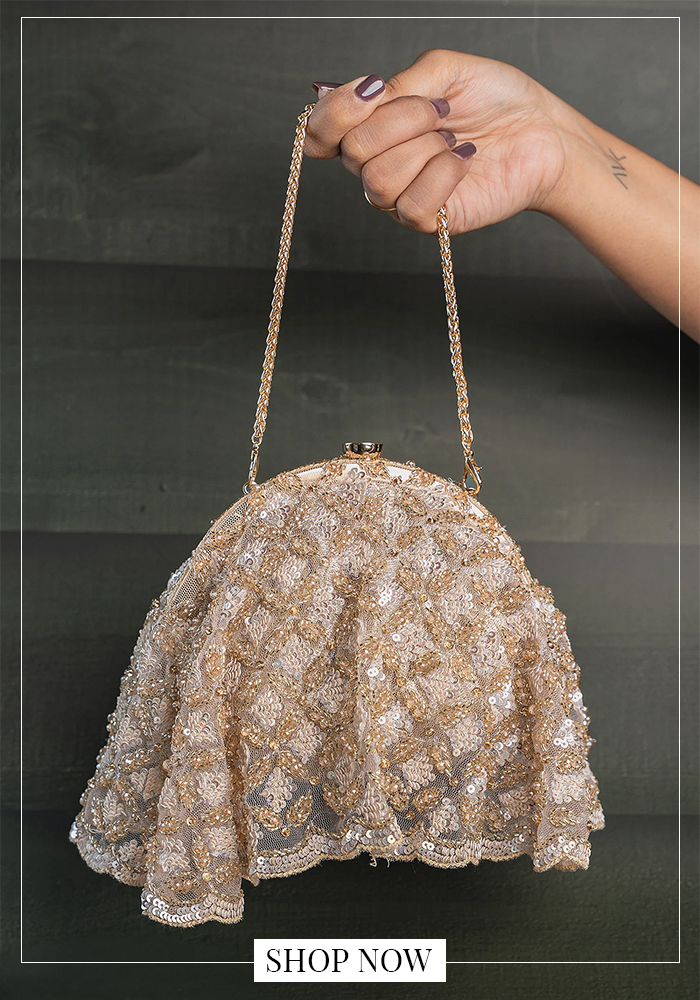
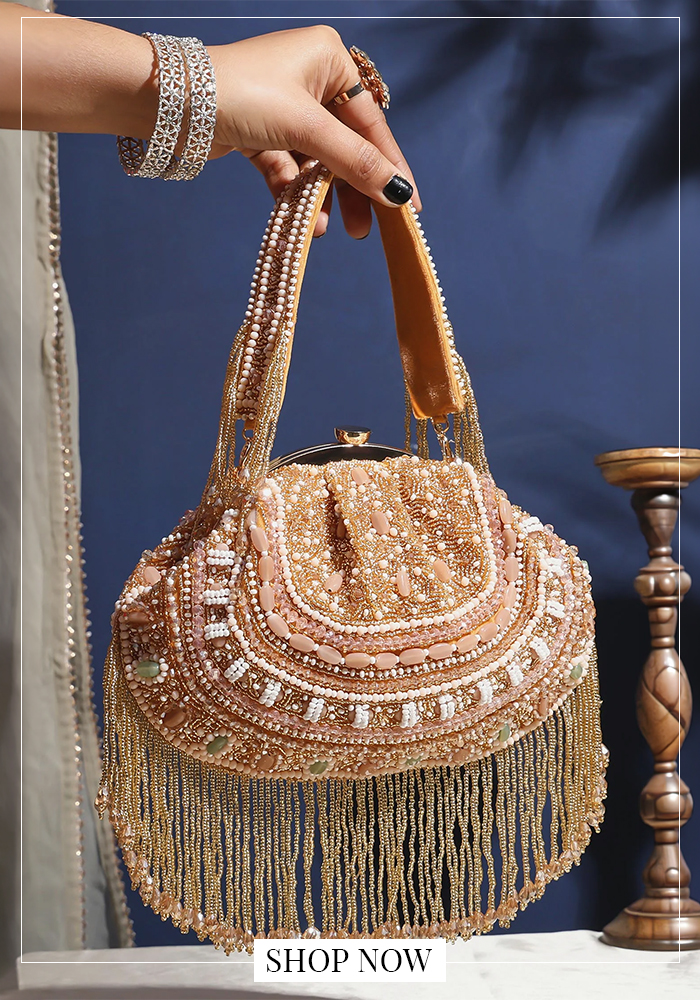
Traditional Batuas are crafted from luxurious fabrics—silk, velvet, and zari (metallic thread)—and feature intricate handwork including zardozi embroidery, mirror work, and beading. They're compact by design, holding just enough for essentials: a phone, cards, a tube of lipstick.
What makes the Batua distinct from a generic drawstring bag is its craftsmanship. Each piece often represents hours of handwork, making it as much an art object as a practical accessory.
Why Is the Batua Bag Trending Right Now?
How the slow fashion movement is fueling the Batua's revival
Consumers are increasingly rejecting disposable fashion in favor of pieces with story and longevity. The Batua fits squarely into this shift. Handcrafted, often one-of-a-kind, and rooted in centuries of artisanal tradition, the Batua represents everything the slow fashion movement champions.
According to a 2023 report by ThredUp, the global secondhand and vintage market is projected to reach $350 billion by 2027—a sign that shoppers are actively seeking out pieces with history and character. The Batua, with its layered cultural heritage, checks both boxes.
The role of South Asian fashion in global style conversations
South Asian fashion has been gaining significant traction on global runways and social media. Designers like Sabyasachi Mukherjee, Manish Malhotra, and Rahul Mishra have built international audiences, bringing South Asian craftsmanship to the world stage. The Batua, as a signature accessory within this tradition, has benefited from this broader visibility.
On platforms like Instagram and Pinterest, searches for "Indian embroidered bags" and "ethnic clutch bags" have surged in recent years, reflecting genuine consumer curiosity rather than fleeting trend cycles.
Why runway designers are picking up the Batua
Global fashion houses have taken notice. Drawstring and gathered-top bags—structural cousins to the Batua—appeared across recent collections from Bottega Veneta, Loewe, and Chloé. While Western runway versions may not carry the same embroidery traditions, the silhouette itself signals a broader appetite for the soft, organic shapes the Batua perfected long ago.
Independent South Asian designers are seizing this momentum. Brands like Nayaab, Bias Boli, and Torani have released contemporary Batua collections that honor traditional craftsmanship while appealing to modern aesthetics—pairing heritage embroidery with cleaner silhouettes and neutral palettes.
How to Style a Batua Bag in 2026
Pairing a Batua with Western outfits for an everyday look
One of the most exciting things about the Batua's revival is how effortlessly it crosses between cultural aesthetics. A richly embroidered Batua in deep jewel tones can anchor an otherwise minimal outfit—think tailored trousers, a simple white shirt, and pointed flats. The bag becomes the statement, so the rest of the look doesn't need to compete.
For casual styling, smaller Batuas in neutral tones or muted embroidery work well with denim and blazers. The key is contrast: a structured outfit benefits from the soft, gathered shape of the pouch.
Wearing a Batua for formal and festive occasions
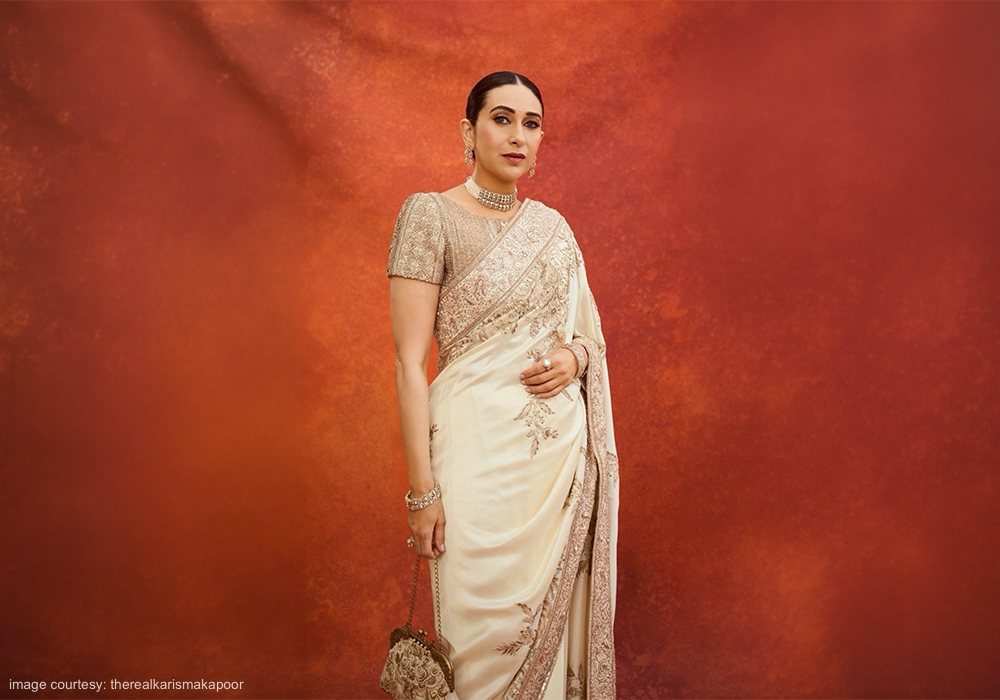
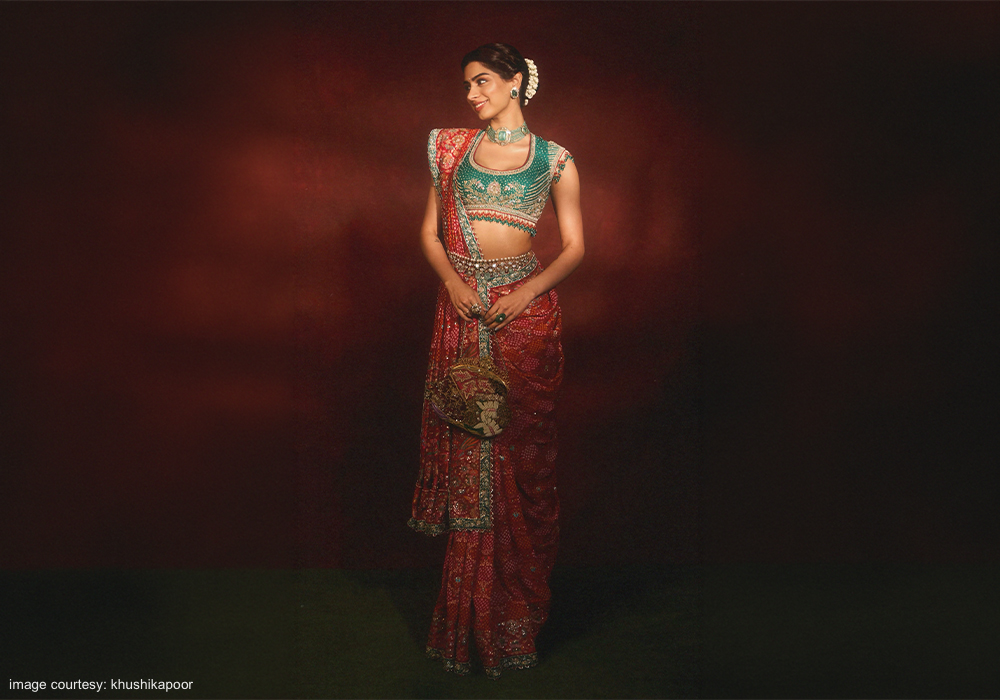
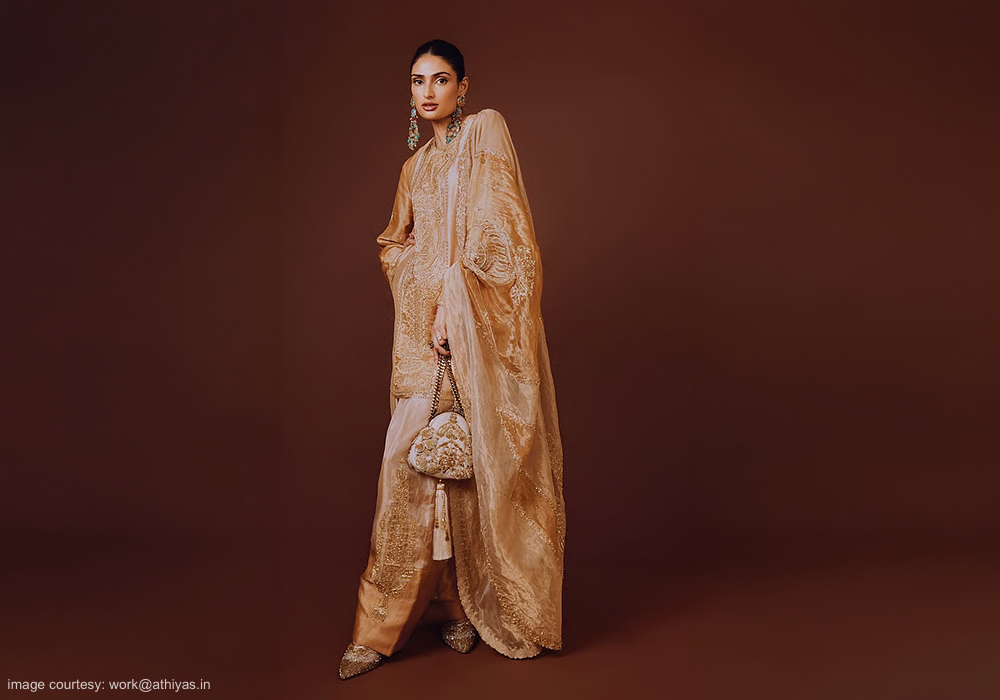
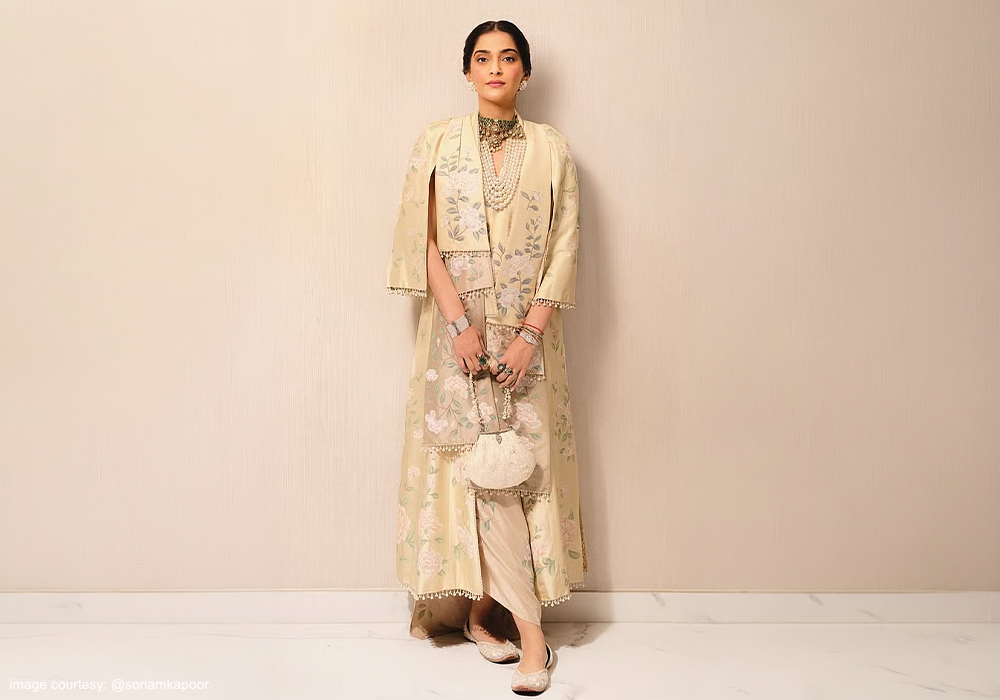
This is where the Batua truly shines—and this wedding season, it's cementing its status as the go-to alternative to the classic potli. Vintage in feel, celebrity-stamped in appeal, the Batua has earned a firm place in bridal fashion. Alia Bhatt paired a blush pink Batua with her Tarun Tahiliani sari; Sonam Kapoor chose tone-on-tone beaded embroidery with a dainty chain string; Khushi Kapoor wore a patchwork Batua to her sister's pre-wedding festivities; and Athiya Shetty styled an ivory and gold embroidered version complete with a long tassel.
Natasha Poonawalla went the artisan route with a Kantha-embroidered Batua, while Karisma Kapoor and Kanika Kapoor both opted for chain-string versions—one in ivory and gold, one in metallic silk—to complement their respective saris. Jacqueline Fernandez rounded out the moment with a silk Batua paired against a colour-block lehenga. What these looks collectively prove is that the Batua is no longer a footnote in wedding dressing—it's a headline act, available in every finish from zardozi and mirror work to patchwork and silk, offering the same elegance as a structured evening clutch but with far more personality.
Coordinate the metallic tones of your Batua with your jewelry rather than your outfit color. Gold zardozi with gold earrings and bangles creates a cohesive, considered look without requiring an exact color match.
Where to Find Authentic Batua Bags
Supporting artisans and independent designers
Purchasing a Batua directly from independent South Asian designers or artisan collectives ensures the craftsmanship is authentic and that the people behind the work are fairly compensated. At Aza Fashions we host verified artisan sellers offering hand-embroidered Batuas across a wide price range.
When buying, look for descriptions that detail the embroidery technique, region of origin, and materials used. A genuinely handcrafted Batua will often note the hours of labor involved—this transparency is a good sign.
What to look for in a quality Batua bag
- Fabric: Silk, velvet, and brocade are hallmarks of a traditional Batua. Avoid polyester blends if authenticity matters to you.
- Embroidery: Hand embroidery will show slight variations in stitching—a feature, not a flaw. Machine-made pieces tend to look uniform and flat.
- Closure: A quality Batua has a secure drawstring or tassel that cinches cleanly without fraying.
- Lining: Well-made Batuas are lined internally, protecting both the outer fabric and the items inside.

The Bigger Picture: Accessories as Cultural Bridges
The Batua's revival is part of a broader and meaningful conversation about cultural exchange in fashion. When a traditional accessory from one culture enters global style consciousness, it carries the risk of being reduced to aesthetic novelty. But the Batua's current moment feels different—led largely by South Asian designers and diaspora communities who are centering the craft's origins rather than erasing them.
Fashion has always borrowed across cultures. What distinguishes appreciation from appropriation is context, credit, and commerce. Buying from South Asian makers, learning the history of the pieces you wear, and understanding the artistry involved transforms an accessory purchase into something with real cultural resonance.
The Batua Bag Deserves a Place in Your Collection
The Batua has waited long enough. Rich in history, steeped in craft, and genuinely versatile, it's an accessory that earns its place in any wardrobe—not because it's trending, but because it's exceptional.
Start with one piece. Find a maker whose work speaks to you. Learn where the embroidery comes from. Wear it with something unexpected. The Batua rewards that kind of attention.
Frequently Asked Questions About the Batua Bag
What is the difference between a Batua bag and a regular drawstring bag?
A Batua bag is a traditional South Asian pouch distinguished by its handcrafted embroidery, luxurious fabrics like silk or velvet, and cultural heritage rooted in Mughal-era India. A standard drawstring bag is a generic silhouette with no specific craft tradition attached to it.
Is it culturally appropriate to wear a Batua bag if I'm not South Asian?
Wearing a Batua can be an act of appreciation rather than appropriation—provided you purchase from South Asian artisans or designers, acknowledge the cultural origins of the piece, and avoid reducing it to a costume element. Prioritizing authentic makers over mass-produced imitations is a meaningful way to engage respectfully.
How do I care for an embroidered Batua bag?
Store your Batua in a soft cloth pouch away from direct sunlight to prevent fabric fading. Avoid contact with moisture or perfume, which can damage embroidery threads. Spot-clean only with a dry cloth; professional cleaning is recommended for heavily embellished pieces.
Are Batua bags practical for everyday use?
Standard-sized Batuas (5–7 inches) hold a smartphone, cards, and small essentials comfortably, making them practical for evenings out or lighter daytime use. For everyday carry with more items, a larger oversized Batua or a bag with an interior lining and organizational pockets is a better fit.
What is the average price range for an authentic handcrafted Batua?
Authentic hand-embroidered Batuas typically range from $30 to $300+, depending on the complexity of the embroidery, the materials used, and the maker's reputation. Mass-produced versions are cheaper but lack the artisanal quality and cultural integrity of handcrafted pieces.

