


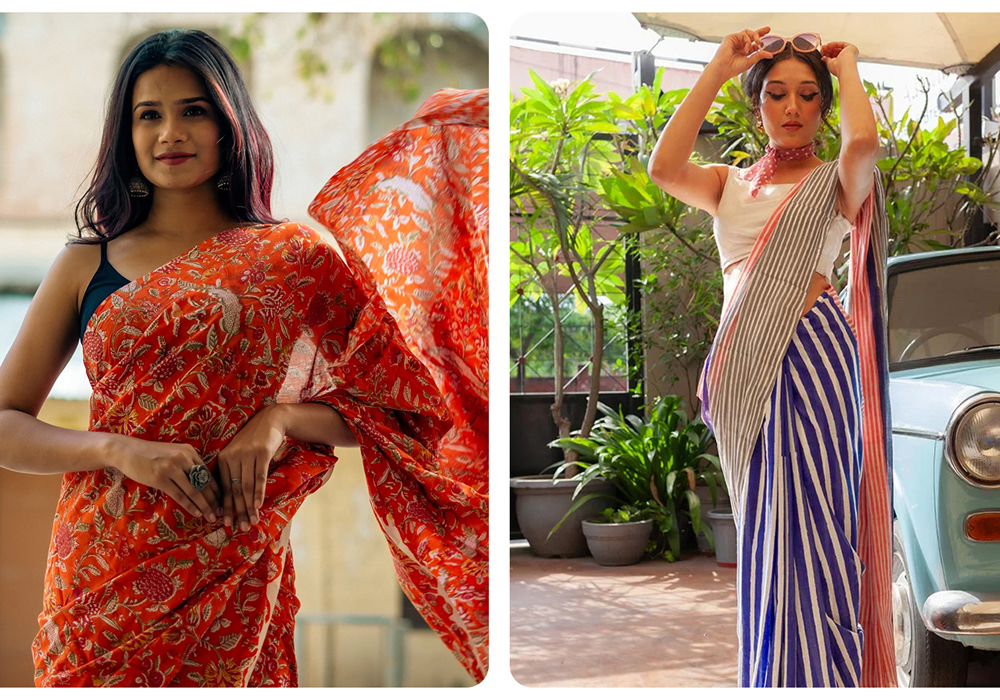
For first-time saree wearers, start with a lightweight fabric like georgette or chiffon, gather the essentials (blouse, petticoat, safety pins), and practice the Nivi drape—the most beginner-friendly style. Alternatively, a pre-draped saree eliminates the draping challenge entirely while delivering the same elegant look.
Six yards of fabric. One garment. Endless possibilities. The saree is one of the most ancient and versatile forms of dress in the world, and for many in the Indian diaspora, wearing one for the first time feels like a rite of passage—exciting, a little nerve-wracking, and deeply meaningful.
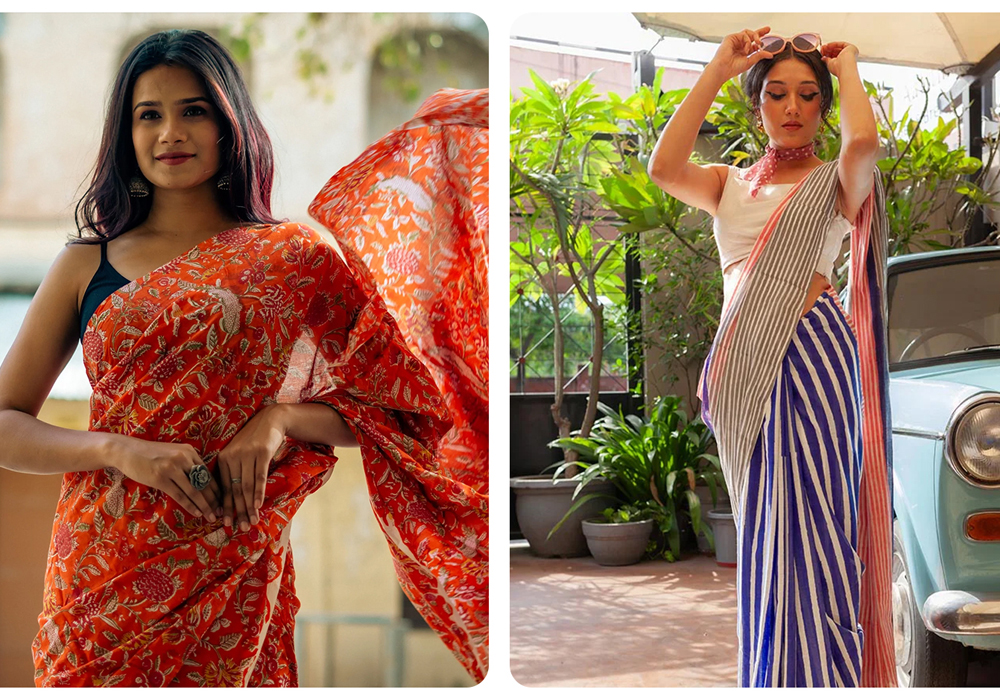
Whether you're preparing for a wedding, a Diwali celebration, a temple visit, or a cultural event at your office, this guide will walk you through every step of the process. From picking the right fabric to draping it without panic, consider this your complete first-timer's handbook.
What Makes a Saree Different from Other Indian Outfits?
A saree is an unstitched garment—typically 5.5 to 9 yards of fabric—that is draped around the body in a specific style. Unlike a salwar kameez or lehenga, it has no zippers or buttons. The way you wrap and tuck it determines the final silhouette. That's what makes it both magical and intimidating for beginners.
The saree is worn with two supporting pieces: a fitted blouse (called a choli) and a petticoat (also called an inskirt). These aren't optional—they form the structural foundation of the entire look.
What Type of Saree Should a Beginner Choose?
Not all sarees drape the same way. Heavy fabrics like pure silk or Banarasi brocade are stunning but notoriously difficult to manage for a first attempt. Here's a quick breakdown:
- Georgette or chiffon: Lightweight, flows beautifully, easy to pleat. Best for beginners at daytime events.
- Cotton: Breathable and forgiving, ideal for casual occasions or warmer months. Great for temple visits or daytime brunches.
- Silk: Heavier and more formal. Save this for weddings once you've practiced draping a few times.
- Net: Sheer and glamorous but slippery—best left until you're more comfortable.
Aza Fashions carries a wide range of sarees across all fabrics and price points, with options available for US delivery. Kalki Fashion and Lashkaraa are also worth browsing for curated beginner-friendly styles.
What Do You Need Before You Start Draping?
Before you touch the saree, have these five essentials ready:
- A well-fitted blouse. The blouse should be tailored or at minimum try-on fitted. A blouse that gaps at the back or bunches at the arms will affect the entire drape.
- A petticoat that matches. Match the petticoat color to the base of your saree. Sheer fabrics like chiffon or net require a satin petticoat. For cotton or silk, a cotton petticoat works best. Tie it snugly at the waist—a loose petticoat will cause a heavy saree to slip.
- Safety pins. Keep at least 6 medium-to-large pins on hand. You'll use these to anchor the pallu to your blouse shoulder and secure the pleats at the waist.
- Your heels or footwear. Put them on before draping. The length of your saree hem needs to be set with your shoes already on, or you risk tripping once you're dressed.
- A full-length mirror. Non-negotiable. You need to see the front and back as you work.
How to Drape a Saree: The Nivi Style Step-by-Step
The Nivi drape originated in Andhra Pradesh and is now the most universally recognized saree style across India and beyond. It's the gold standard for a reason—it's elegant, practical, and flattering on all body types. This is the style to learn first.
Step 1: The Initial Tuck
Stand facing your mirror. Take the non-pallu end of the saree (the plain end, not the decorated one) and tuck the upper corner into your petticoat at the right side of your waist. The bottom hem should just graze the floor, covering your shoes. Wrap the fabric once fully around your body and return to the right side. Keep the fabric smooth and even as you tuck it in all around the waist.
Step 2: Measure and Secure the Pallu
Bring the remaining fabric around your front and casually drape the loose, decorated end (the pallu) over your left shoulder. It should fall to approximately the back of your knee. Too short looks awkward; too long becomes unmanageable. Once you have the right length, pin the pallu temporarily to your blouse shoulder to hold it in place while you work on the pleats.
Step 3: Create the Front Pleats
This is the step that trips most beginners up. Hold the excess fabric hanging in front of you. Using your thumb and pinky finger as anchors, create even pleats about 4 to 5 inches wide. You should end up with 6 to 8 pleats depending on the saree length and your waist size. Shake them gently so they fall straight and even.
Step 4: Tuck and Pin the Pleats
Hold the gathered pleats firmly and tuck them into your petticoat slightly to the right of your belly button, with the pleats fanning open to your left. Push them deep into the waistband and secure them from the inside with a large safety pin. This pin is what keeps everything from unraveling when you sit, walk, or dance.
Step 5: Final Adjustments
Arrange the pallu over your left shoulder so the decorative border faces outward. You can let it hang freely, pin it to your shoulder for a cleaner look, or wrap it once more around your arm for a more formal effect. Step back, check the hem is even all around, and make any small adjustments before you leave the house.
Is There an Easier Option for Absolute Beginners?
Yes—and there's no shame in it. Pre-draped sarees are exactly what they sound like: sarees that are stitched into shape so you can step in and zip up like a skirt. The pallu is pre-attached and pinned. They look identical to a traditionally draped saree from the outside, but require zero draping skills.
Aza Fashions carries a curated collection of pre-draped sarees from designers like Nidhika Shekhar, which are particularly popular among diaspora shoppers in the US. If you're wearing a saree to your best friend's wedding and don't have time to practice, a pre-draped option is a smart and stylish solution.
How to Accessorize Your First Saree Look
The saree does most of the work—your accessories should complement, not compete.
- Jewelry: Classic choices include jhumkas (chandelier earrings), bangles, and a delicate necklace. If your saree has a heavily embellished border or pallu, keep jewelry minimal.
- Bags: A potli bag or small embroidered clutch works beautifully. Avoid large totes—they'll throw off the silhouette.
- Footwear: Heels elevate the look and help the hem fall correctly. Kitten heels or block heels are more comfortable for long events than stilettos. Juttis are a great flat option for temple visits or casual gatherings.
- Hair: A low bun or braid keeps the pallu on your shoulder looking neat. Loose hair can catch on safety pins or dislodge the drape over the course of an event.
Frequently Asked Questions
How long does it take to learn to drape a saree?
Most people feel comfortable with the Nivi drape after 3 to 5 practice sessions. Practice at home on a day when you don't have anywhere to be—drape it, walk around, sit down, and see what shifts. That experience is worth more than any tutorial.
Can I wear a saree without a blouse?
Technically yes, but traditional saree draping assumes a fitted blouse as the structural base. Without it, the tucking and pleating becomes much harder to keep in place. If you want a modern twist, some women substitute a bralette or fitted crop top—this works especially well with casual cotton sarees.
What's the best saree fabric for hot American summers?
Cotton and linen-blend sarees are the most breathable choices for summer events. Georgette also works well as it's lightweight and doesn't trap heat. Avoid heavy silk and velvet in warm weather.
How do I keep my saree from slipping during a long event?
The petticoat fit is the single biggest factor. A snugly tied petticoat keeps everything anchored. Beyond that, use more safety pins than you think you need—particularly at the pleats and pallu shoulder pin. Some people also use double-sided fashion tape at the hem for extra security.
Where can I shop for sarees online in the USA?
Aza Fashions ships internationally and offers a wide range of sarees from contemporary Indian designers. Kalki Fashion and Lashkaraa are also popular options for the Indian diaspora in the US, offering everything from casual cottons to bridal silks.
Is a pre-draped saree appropriate for a wedding?
Absolutely. Pre-draped sarees designed for formal occasions look virtually identical to traditionally draped ones. Many guests at Indian weddings in the US now opt for them—especially when managing kids, navigating airports, or attending multi-day events where re-draping isn't practical.

