


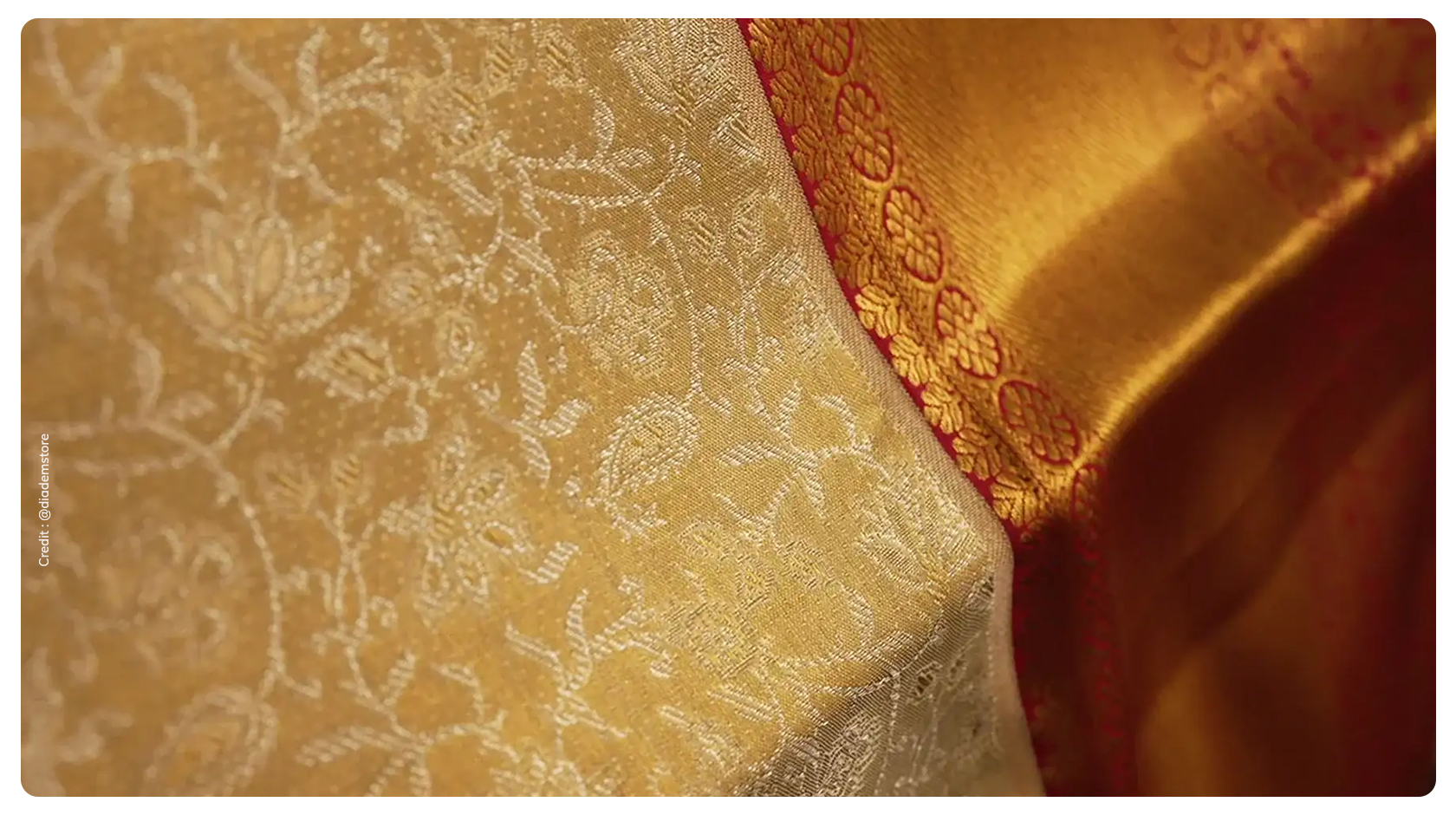
Silk sarees and lehengas need dry cleaning for deep cleans, breathable muslin storage in a cool, dry place, and low-heat steaming to remove wrinkles. Avoid machine washing, direct sunlight, and plastic bags, which can degrade the fabric and embellishments over time.
Owning a silk saree or lehenga is one thing. Keeping it in pristine condition—especially across an ocean from where it was made—is another challenge entirely.
The US climate, particularly in humid coastal states or dry inland regions, can be harsh on delicate Indian fabrics. Zari work tarnishes. Silk loses its sheen. And without the right storage habits, even a brand-new piece from Aza Fashions' saree collection can look worn within a season.

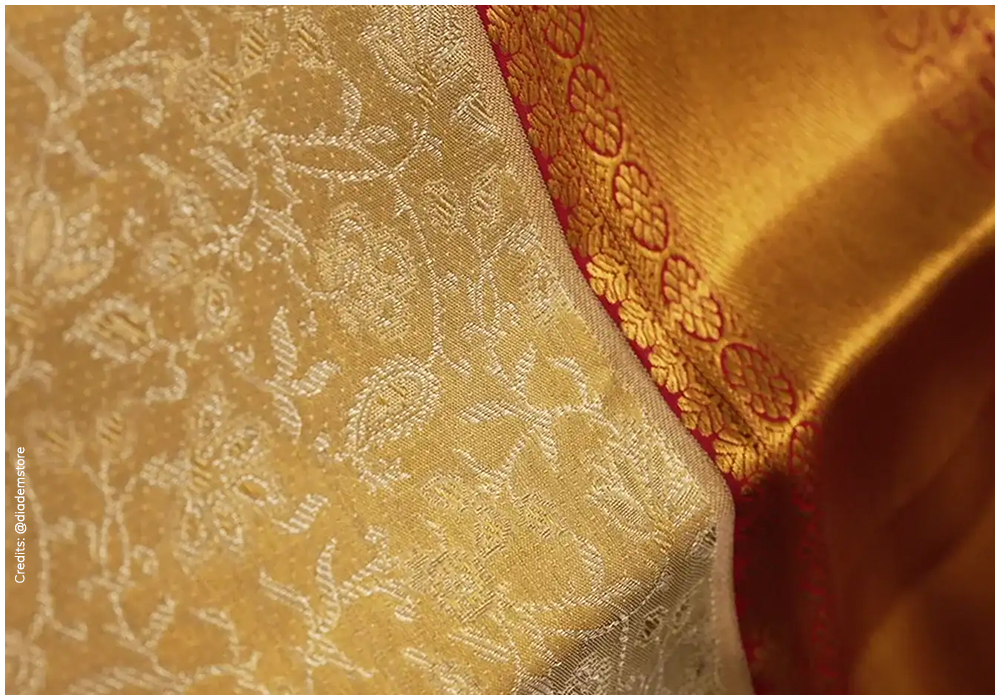
This guide covers everything you need to know: dry cleaning, steaming, storage, and long-term fabric care.
Should You Dry Clean Silk Sarees and Lehengas?
Yes—but selectively. Professional dry cleaning is the safest method for heavily embellished pieces, particularly those with zari borders, mirror work, or heavily embroidered lehengas. Dry clean after every 2–3 wears, or whenever there's visible staining.
For lighter, unembellished silk sarees, a gentle hand wash in cold water with a mild, pH-neutral detergent is acceptable. Never wring the fabric. Press gently between two towels and lay flat to dry, away from direct sunlight.
What to avoid: Machine washing (even on delicate cycle), harsh detergents, and dry cleaners unfamiliar with Indian fabrics. Always mention embroidery and zari detailing when dropping off a piece.
How to Steam Silk Sarees Without Damaging Them
Steaming is preferable to ironing for silk. A handheld garment steamer on a low-heat setting removes wrinkles without crushing the weave or flattening embroidery.
Follow these steps:
- Maintain distance: Hold the steamer 2–3 inches from the fabric. Never let the steam head touch the silk directly.
- Steam inside out: For embroidered or printed sarees, steam from the reverse side to protect the surface.
- Skip the iron when possible: If you must iron, use the lowest heat setting, place a thin cotton cloth between the iron and the silk, and avoid steam from the iron itself—it can leave water spots.
Heavy zari borders should not be steamed at all. The moisture can cause tarnishing over time.
How to Store Silk Sarees and Lehengas in the US
Storage is where most damage happens. The biggest mistakes: plastic bags, wire hangers, and cedar-lined closets (cedar oils can stain delicate fabrics).
The right way to store silk:
- Use muslin or cotton bags: These allow the fabric to breathe while keeping out dust and humidity.
- Fold, don't hang: Long-term hanging stretches the drape and stresses the fabric at fold lines. Re-fold every few months to prevent permanent creasing.
- Add silica gel packets: These absorb excess moisture and help prevent mildew—particularly useful in humid states like Florida or Louisiana.
- Keep away from light: UV exposure fades silk quickly. Store in a dark wardrobe or drawer.
For heavily embellished lehengas and bridal pieces, wrap each section (blouse, skirt, dupatta) separately in acid-free tissue paper before placing in the muslin bag.
Long-Term Fabric Protection Tips
A few habits go a long way toward preserving your collection across years, not just seasons:
- Air after every wear: Before storing, hang the garment in a well-ventilated space for a few hours to release body heat and moisture.
- Avoid perfume contact: Spray perfume before dressing, never directly onto the fabric—alcohol in fragrance degrades silk fibers.
- Check for pests: Silverfish and moths are real threats. Use natural repellents like neem sachets or lavender pouches rather than chemical mothballs, which can leave odors and residue.
Your Silk Deserves Proper Care
The right care routine protects more than just the fabric—it preserves the craftsmanship behind every piece. Whether it's a Kanjivaram saree or a heavily embroidered bridal lehenga, a few consistent habits will keep your wardrobe looking as vibrant as the day it arrived.
Ready to add to your collection? Explore Aza Fashions' latest sarees and lehengas crafted for women who wear tradition with intention.
FAQ
Can I hand wash a Banarasi silk saree at home?
Only if it's unembellished. Use cold water and a mild, pH-neutral detergent. For sarees with zari borders or embroidery, professional dry cleaning is strongly recommended.
How often should silk sarees be dry cleaned?
Every 2–3 wears, or immediately after staining. Over-dry-cleaning can strip the natural sheen from silk, so avoid unnecessary cleaning.
What's the best way to store a bridal lehenga long-term?
Wrap each piece in acid-free tissue paper, place in a breathable muslin bag, and store flat in a dark, dry space with silica gel packets to control moisture.
Can I use a regular clothes steamer on embroidered silk?
Yes, but with caution. Keep the steamer 2–3 inches away, work on the reverse side, and avoid steaming directly over zari or mirror embellishments.

