

Buying a diamond ring is rarely just about the sparkle. It is about finding a piece that feels personal, suits your style, fits your budget, and stays meaningful long after the occasion has passed. But with lab-grown diamonds becoming increasingly popular in India, choosing the right ring comes with a few new questions. Are lab-grown diamonds real diamonds? How do they compare with natural diamonds? What should you check before buying one? And how much should you spend?
Whether you are shopping for an engagement ring, planning a proposal, celebrating an anniversary, or simply looking for a diamond ring you can wear every day, lab-grown diamonds offer plenty to consider.
This guide covers everything you need to know about buying lab-grown diamond rings in India in 2026, from understanding the 4Cs and choosing the right setting to comparing prices, checking certifications, and caring for your ring.
What Are Lab-Grown Diamond Rings?
Lab-grown diamond rings feature diamonds created in controlled laboratory environments rather than formed naturally beneath the Earth's surface over millions of years.
These diamonds are produced using advanced technologies that replicate the conditions required for diamond formation. The two primary methods are High Pressure High Temperature (HPHT) and Chemical Vapour Deposition (CVD).
The result? Diamonds with essentially the same chemical composition, crystal structure, and optical properties as natural diamonds. They also have comparable hardness, making them suitable for everyday jewellery.
Lab-grown diamonds are not the same as cubic zirconia or other diamond simulants. Simulants may resemble diamonds, but they have different chemical and physical properties.
For buyers in India, lab-grown diamond rings offer a way to shop for diamond jewellery across a range of designs, sizes, and budgets.
Things to Check Before Buying a Lab-Grown Diamond Ring in India
1) Understand the 4Cs
The 4Cs: cut, colour, clarity, and carat — determine a diamond’s overall appearance and quality.
- Cut: Affects sparkle and brilliance.
- Colour: G–H can offer a good balance of whiteness and value.
- Clarity: Look for an eye-clean diamond rather than automatically choosing the highest grade.
- Carat: Measures weight, not how large the diamond looks.
Tip: Focus on the combination that works best for your budget and style.
The shape of a diamond influences the entire look of your ring. From classic solitaires to contemporary statement pieces, each cut brings a different personality.
2) Choose the Right Diamond Shape

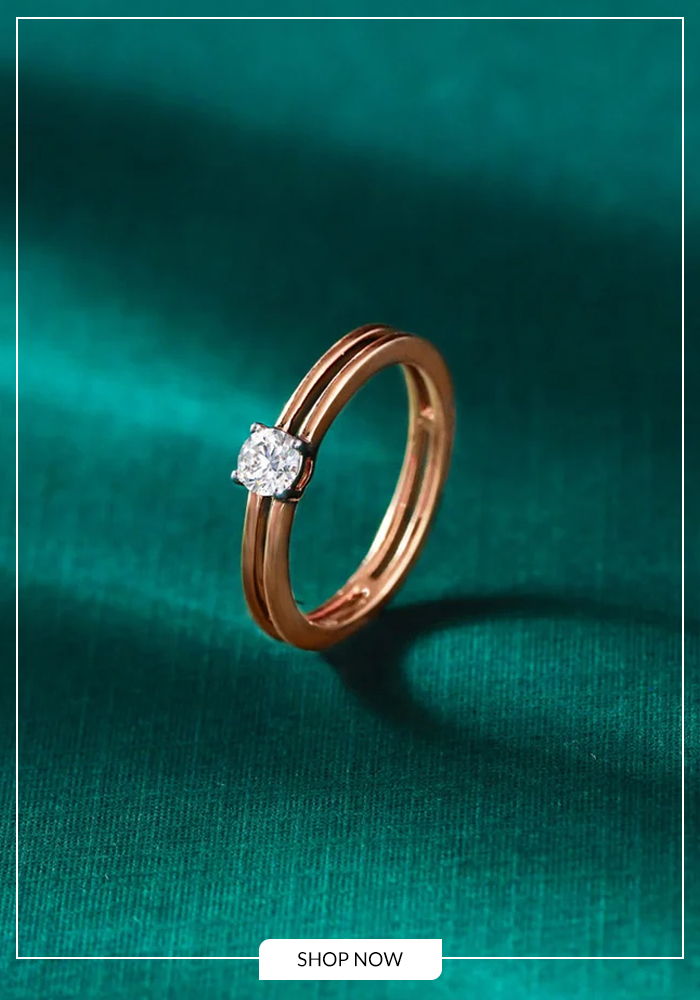
Round: A timeless choice known for its brilliant sparkle. Ideal for classic engagement rings and everyday wear.
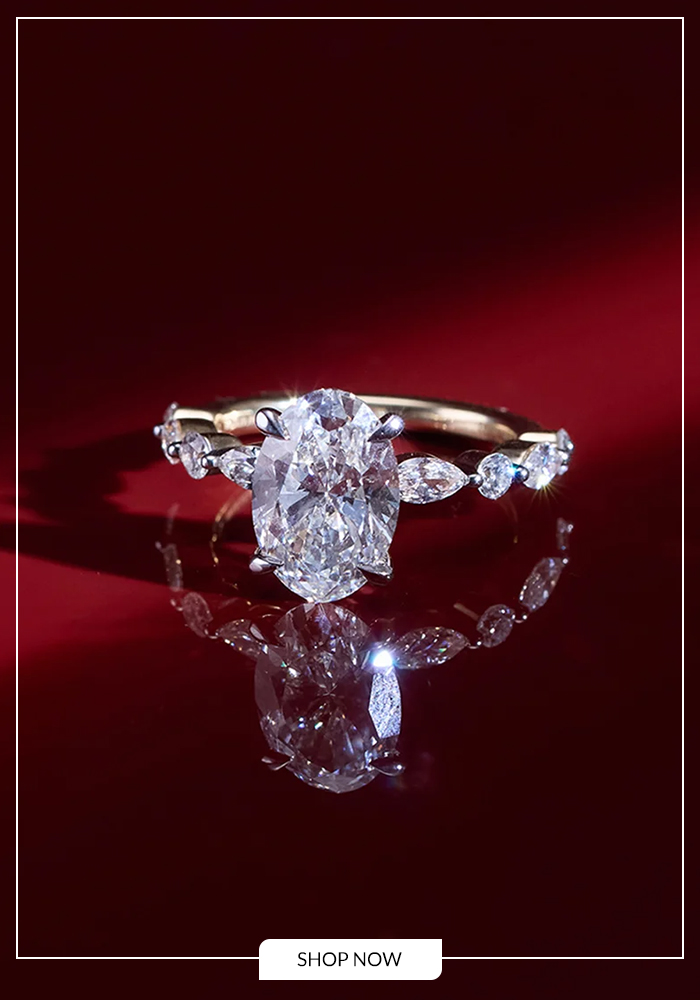
Oval: Elongated and elegant, an oval diamond can create the appearance of a larger stone relative to its carat weight.
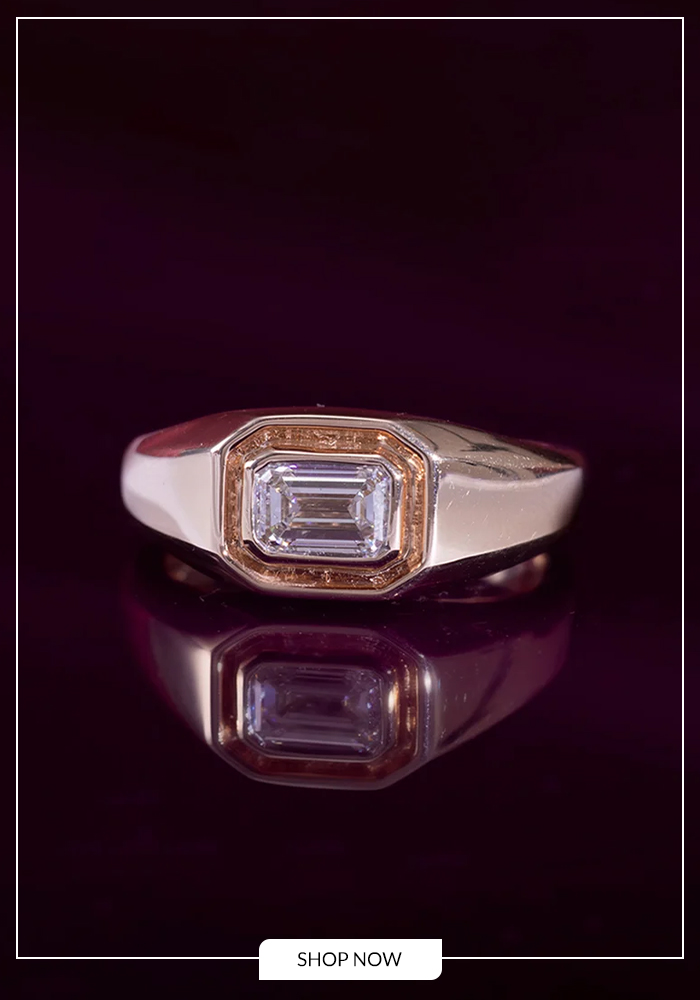
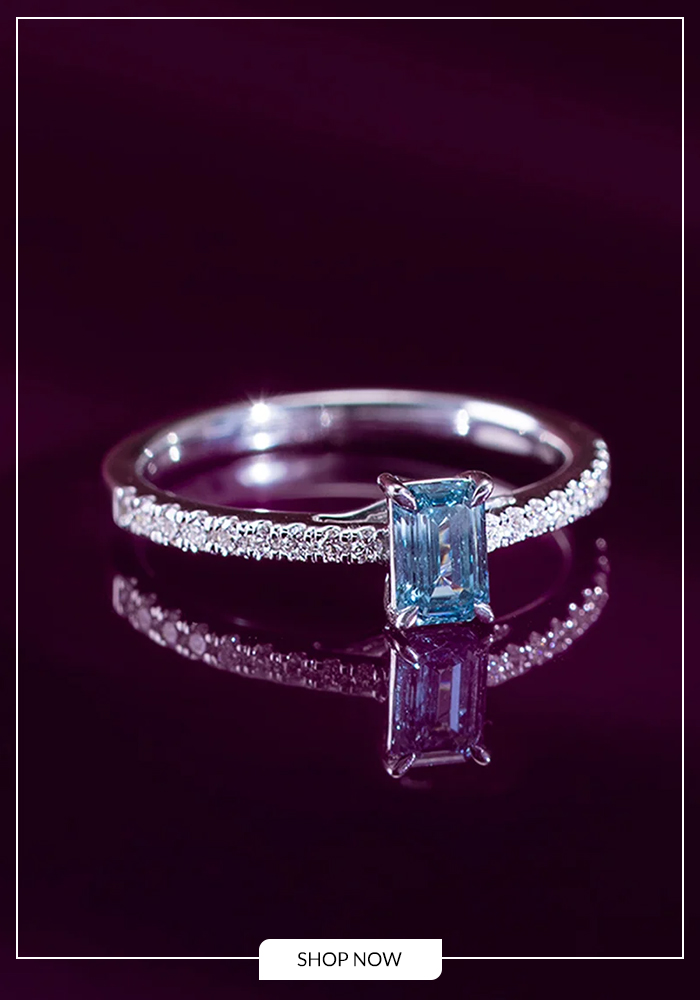
Emerald: Recognisable by its rectangular shape and step-cut facets. It creates a sophisticated look with flashes of light rather than the intense sparkle of a brilliant cut.
Pear: A teardrop-shaped diamond that feels distinctive and graceful. It works beautifully in solitaire and halo settings.
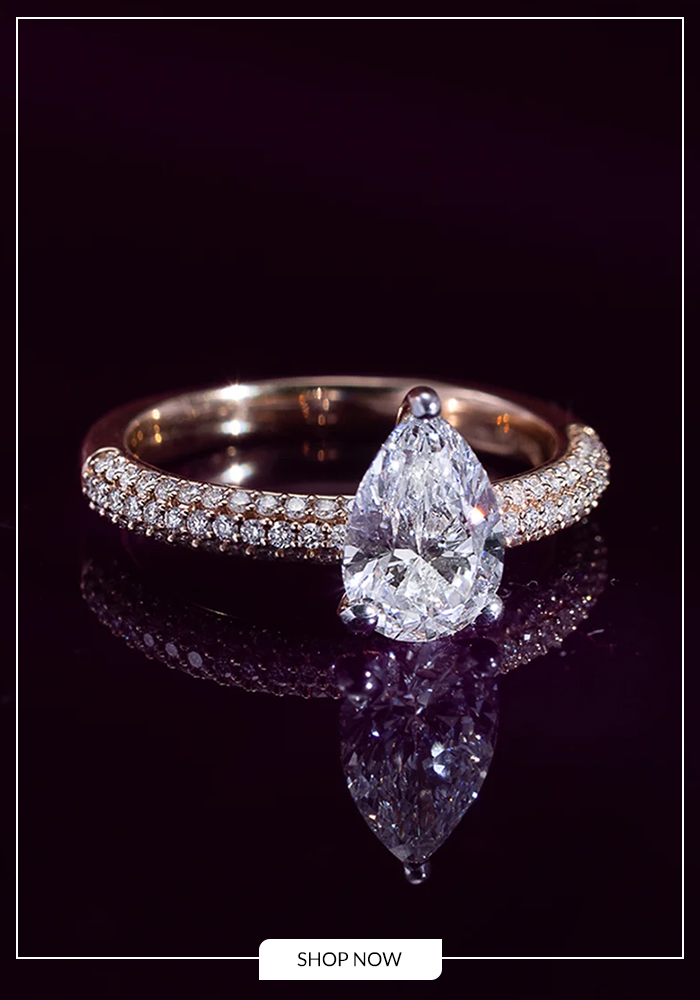
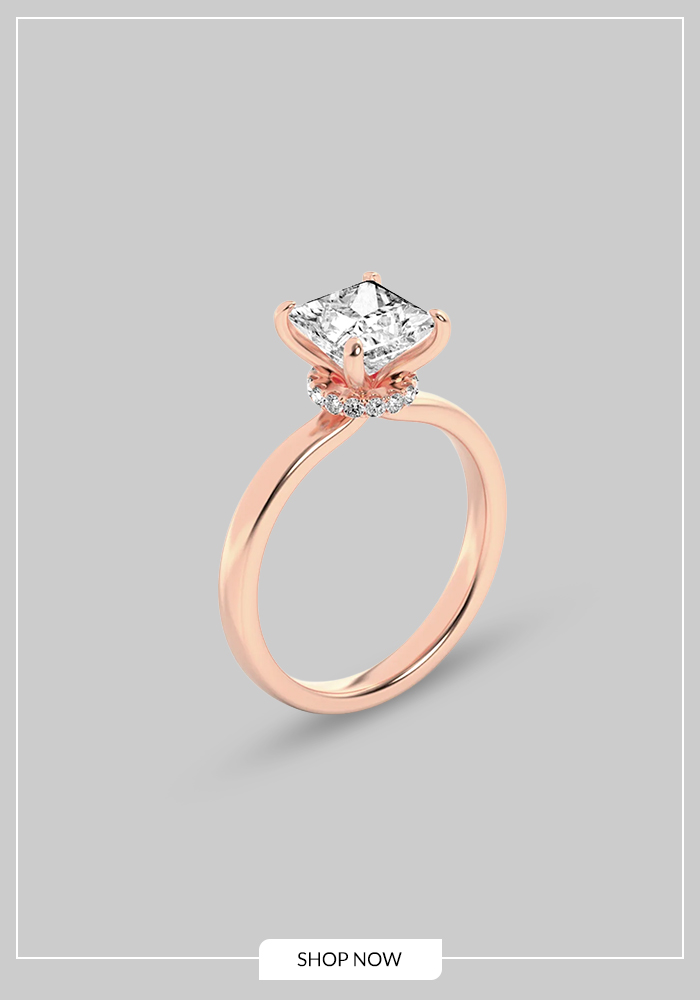
Princess: A square-shaped diamond with a contemporary appearance and plenty of brilliance when well cut.
If you are buying an engagement ring, consider your personal style and how often you plan to wear it. If you prefer a ring that transitions easily from workwear to occasion dressing, a classic round or oval solitaire is one option. If you love distinctive jewellery, emerald and pear shapes may be worth exploring.
3) Pick a Setting That Matches Your Lifestyle
The setting determines how the diamond sits on your finger, how much of it is visible, and how securely it is held in place.
Here are some popular styles to consider.
Solitaire setting
A single centre diamond takes the spotlight. This is a versatile choice for people who prefer understated, timeless jewellery. It also makes the diamond's cut and proportions especially noticeable.
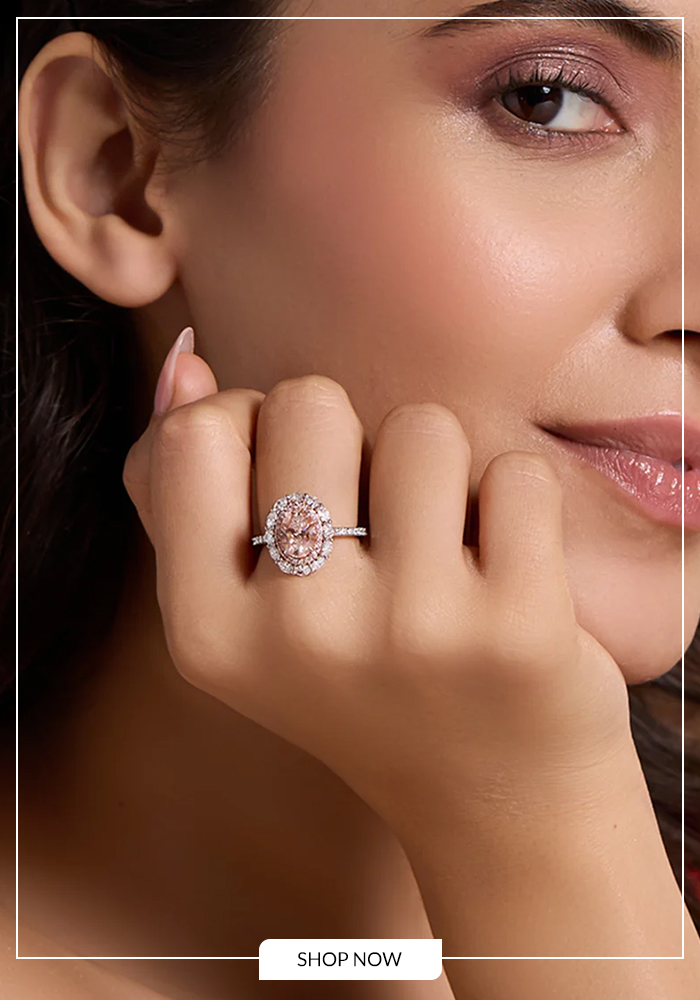
Halo setting
Smaller diamonds surround the centre stone, creating additional sparkle and making the centre diamond appear more prominent. It is a good option if you enjoy a glamorous look.
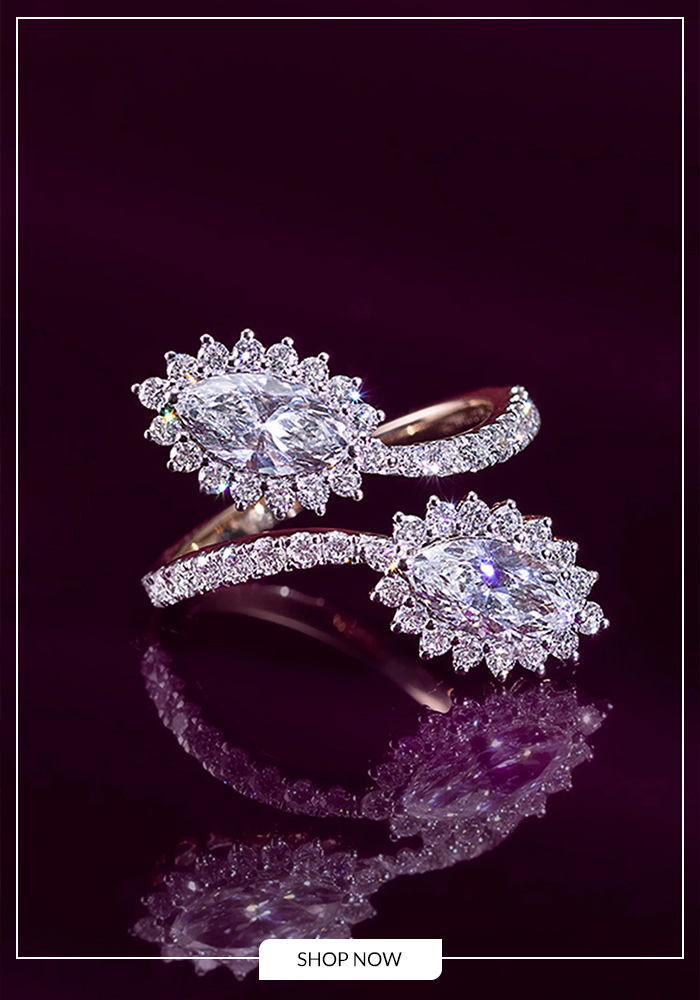
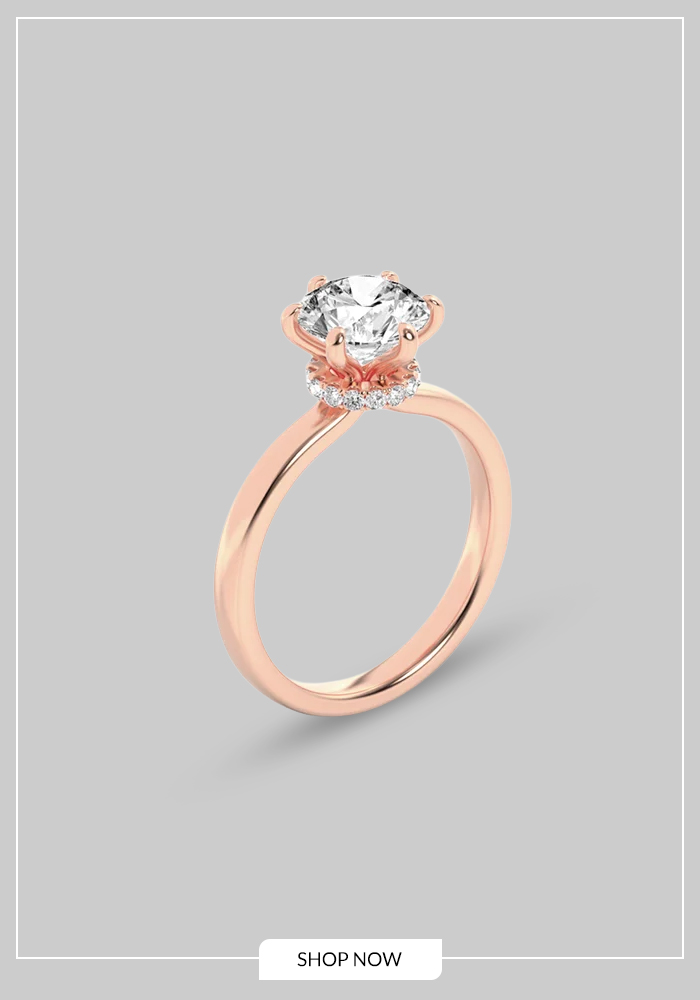
Hidden halo setting
The accent diamonds sit beneath the centre stone rather than forming a visible circle around it. This gives the ring a subtle detail that becomes noticeable from the side.
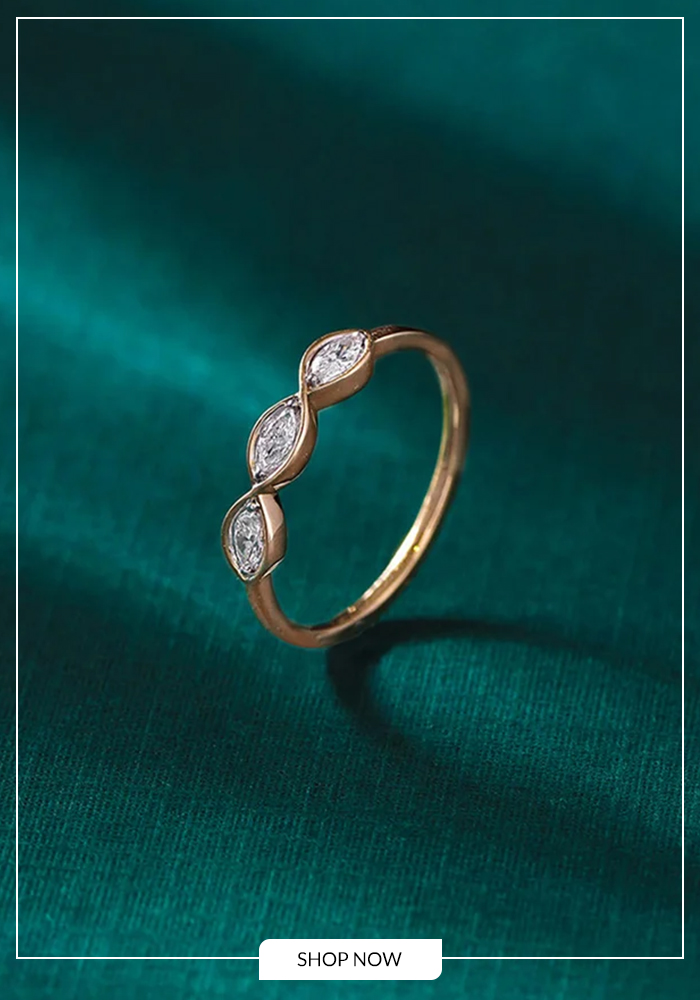
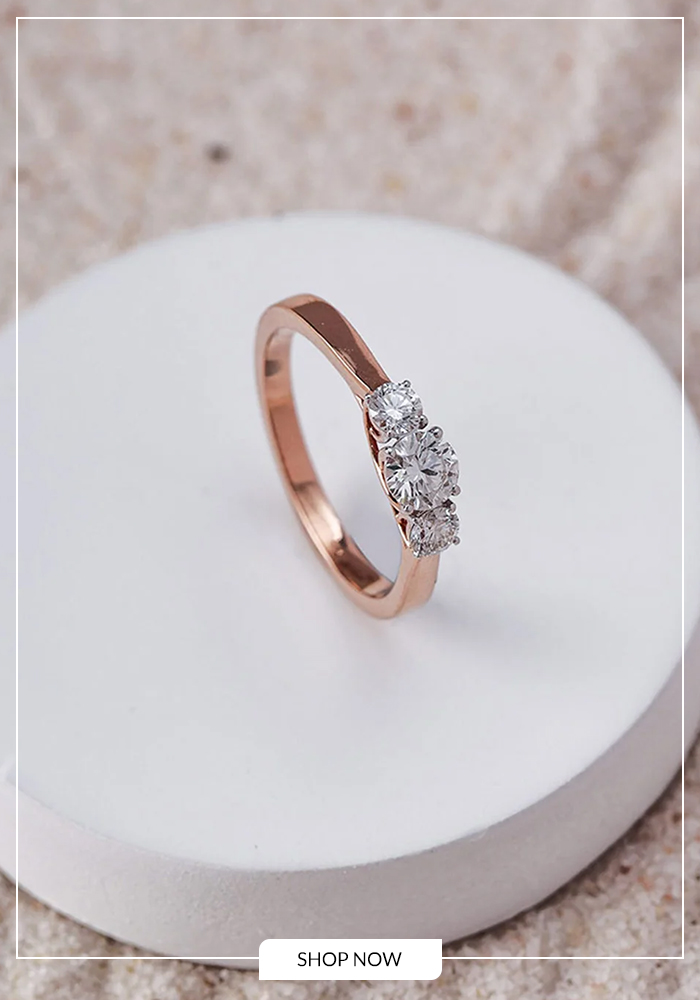
Three-stone setting
A centre diamond is flanked by two smaller stones. The design can feel more substantial and is often chosen for engagement or anniversary rings.
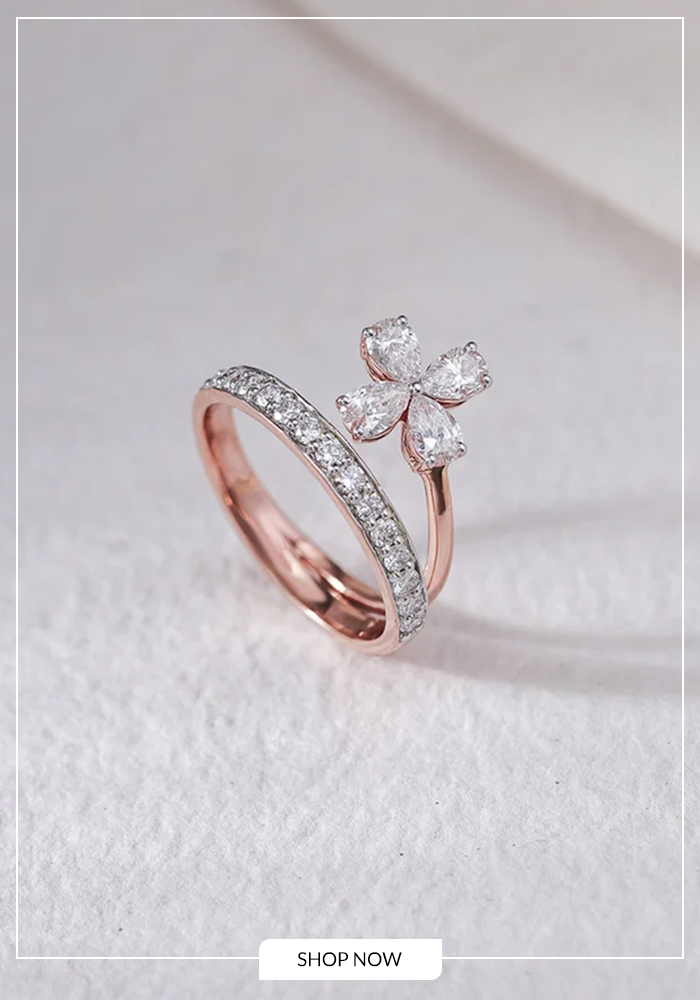
Pavé setting
Small diamonds are set along the band to create a continuous, glittering effect. Pavé rings are beautiful, but the small stones and their settings may require more frequent inspection and maintenance.
If you work with your hands frequently, prefer a low-profile setting with a secure stone, and consider whether a high-set diamond or delicate pavé band will suit your routine.
4. Check the Diamond Certification
A grading report helps you understand the diamond you are purchasing. It can document characteristics such as carat weight, colour, clarity, measurements, and whether the diamond is laboratory-grown.
When shopping for a lab-grown diamond ring in India, ask the seller for the grading report for the centre stone, particularly for a larger or higher-value diamond.
Some recognised gemological laboratories include:
- IGI (International Gemological Institute): Issues grading reports for lab-grown diamonds as well as natural diamonds.
- GIA (Gemological Institute of America): Provides services and reports for laboratory-grown diamonds, with report formats and grading approaches that may differ from those of other laboratories.
Before paying, check the report number and verify the report directly through the issuing laboratory's official website, where online verification is available.
Make sure the report corresponds to the diamond in the ring. Carat weight, measurements, and other identifying details should match the documentation.
Also, remember that a grading report is not the same as a valuation, a resale guarantee, or a warranty covering the entire piece of jewellery.
5. Select the Right Metal for Your Ring
The metal you choose affects the ring's appearance, durability, maintenance, and price.
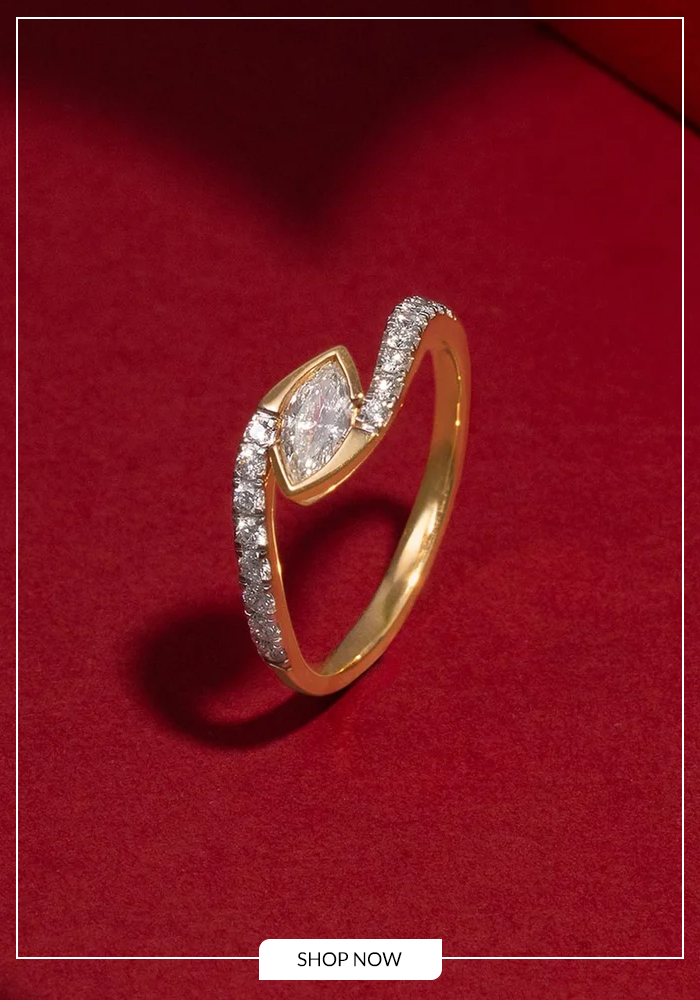
Yellow gold: A classic option that pairs beautifully with traditional Indian jewellery. It creates a warm contrast with a white diamond and works well for both contemporary and heritage-inspired designs.
White gold: A popular choice for modern engagement rings. Its bright, silvery finish creates a seamless look with colourless diamonds. White gold is often rhodium-plated, so the finish may need refreshing over time.
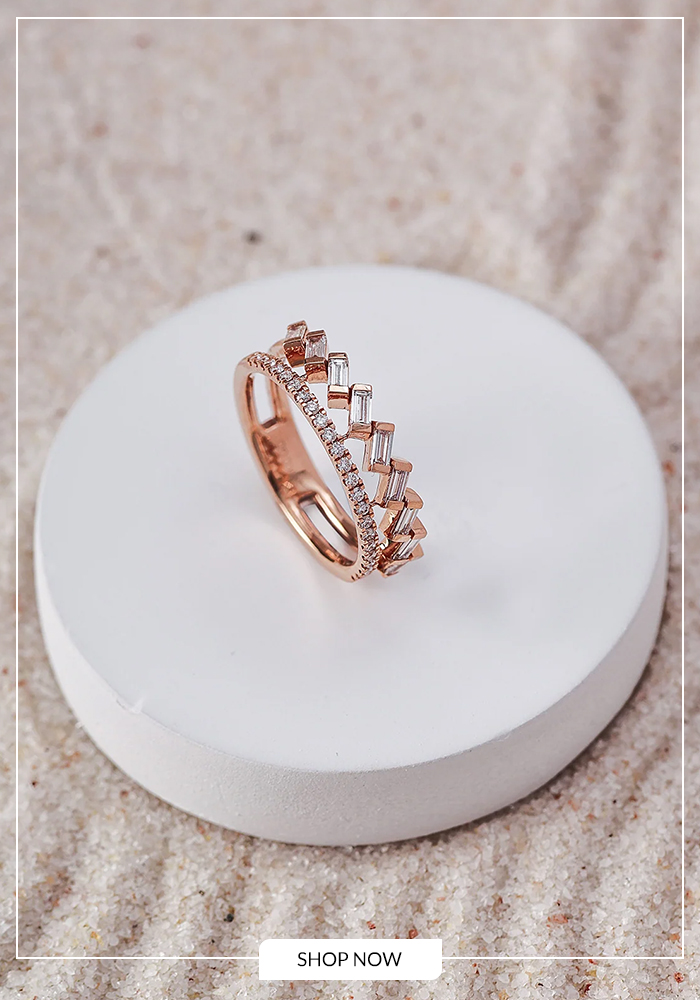
Rose gold: Its pinkish hue lends a romantic, contemporary character to a ring. It also offers a softer contrast with a white diamond.
When comparing gold rings, check the purity. For example, 18K gold contains 75% gold by weight. Also confirm whether the quoted price includes the full metal weight, diamond setting, and any additional stones.
6. Understand Resale Value, Exchange Policies and Warranty
This is one of the most important parts of buying a lab-grown diamond ring, yet it is easy to overlook when you are focused on the design.
Lab-grown diamonds typically have lower resale prices than their original retail prices, and changes in production costs and market prices can affect their value. Do not assume that a lab-grown diamond will appreciate or retain a particular percentage of its purchase price.
Before placing your order, ask the retailer:
- Does the brand offer a buyback or exchange programme?
- Is the offer applicable to the diamond, the metal, or both?
- Is the exchange value based on the original invoice or the prevailing market price?
- Are there deductions, minimum holding periods, or other conditions?
- Does the ring come with a warranty?
- Are resizing, polishing, cleaning, and stone replacement covered?
- What happens if a side stone becomes loose or falls out?
Read the written terms rather than relying on verbal assurances. A lifetime exchange policy, for example, may have conditions that differ from a cash buyback policy.
Lab-Grown Diamond Rings for Different Occasions
Not every diamond ring needs to be an engagement ring. The right design depends on the occasion and how you want to wear it.
Engagement and Proposals
A round or oval solitaire is a classic option for engagement and proposals, while a halo or three-stone design can offer a more detailed look. Prioritise a comfortable setting and a design the wearer will enjoy for years.
Anniversaries
Consider a three-stone ring, diamond band, or a design that complements an existing engagement ring. The choice can reflect a shared milestone without needing an oversized centre stone.
Everyday Wear
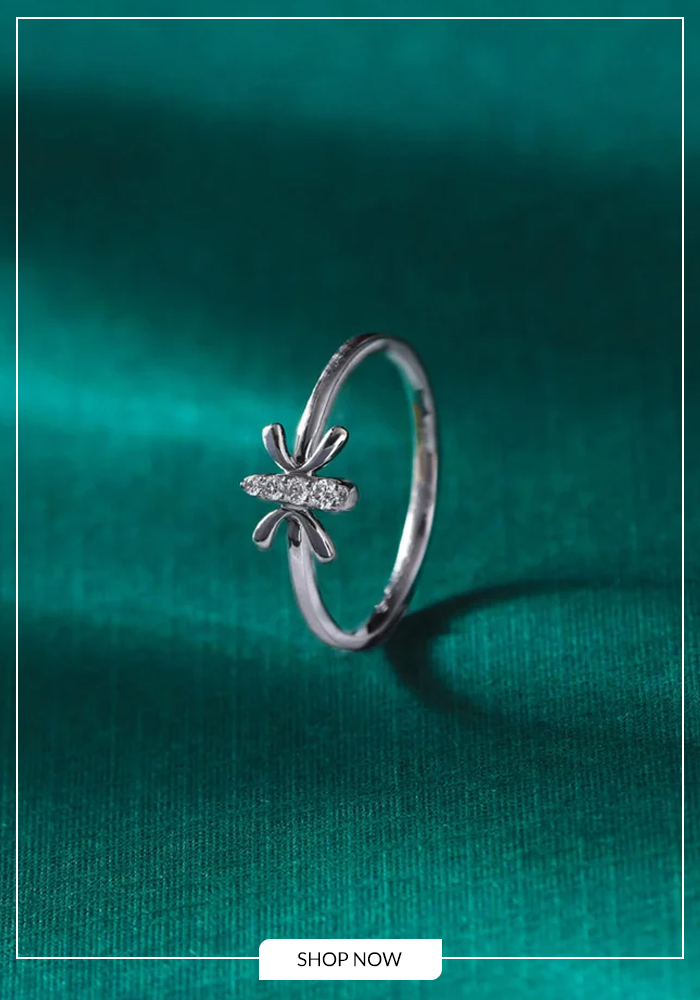
A petite solitaire or simple diamond band can work with office outfits, casual looks, and occasion wear, serving as the perfect option for everyday wear. A lower-profile setting may be more practical for daily activities.
Festive Occasions and Gifting
A cocktail ring or a design featuring a distinctive diamond shape can complement sarees, lehengas, gowns, and evening wear. Choose a setting that suits the scale of your other jewellery.
Are Lab-Grown Diamond Rings a More Sustainable Choice?
Lab-grown diamonds are sometimes marketed as a more sustainable alternative to mined diamonds. However, their environmental impact depends on how they are produced.
Laboratory production requires energy, and the overall footprint varies with the energy source, manufacturing process, and supply chain. Mining also has environmental and social impacts that vary by location and operation.
If sustainability is a priority, look beyond broad marketing claims. Ask the brand whether it provides information about its manufacturing process, energy sources, sourcing practices, and any independently verified environmental claims.
Lab-grown origin alone does not establish that a diamond has a lower overall environmental impact in every circumstance.
How to Care for Your Lab-Grown Diamond Ring
Lab-grown diamonds have the same fundamental hardness as natural diamonds, but the ring's setting and metal still require care. A diamond can resist scratches and still chip if struck at the wrong angle.
Follow these simple habits to keep your ring looking its best:
- Clean it gently: Use lukewarm water, mild soap, and a soft brush to remove everyday residue.
- Avoid harsh chemicals: Remove your ring before using household cleaning products, swimming in chlorinated water, or handling chemicals that could damage the metal or setting.
- Store it separately: Keep the ring in a soft-lined jewellery box to prevent it from scratching other pieces.
- Remove it during strenuous activities: Gardening, heavy lifting, and certain sports can expose the setting to knocks and damage.
- Check the prongs regularly: Have a jeweller inspect the setting periodically, especially if the ring contains pavé or other small accent diamonds.
- Follow professional cleaning advice: Ultrasonic and steam cleaners are not suitable for every ring, particularly those with delicate settings or certain additional gemstones.
With regular care, your ring can retain its appearance and remain comfortable to wear for years.