


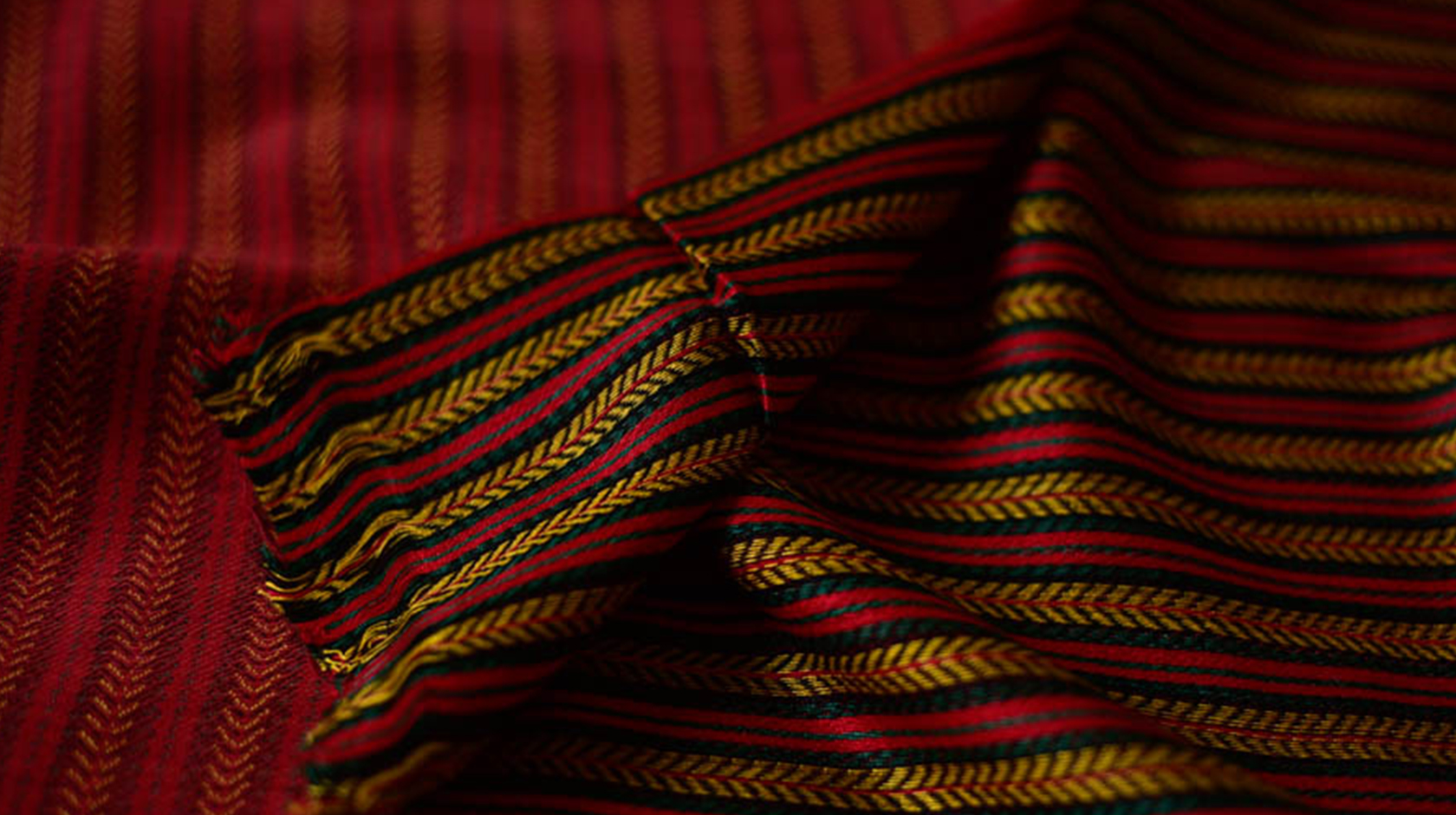
India is a land of extraordinary fabrics. Among the most unique are two textiles from Maharashtra Mashru and Himroo. Both have a history that goes back hundreds of years. Both are made with silk and cotton. And both are slowly disappearing from the world.
At Aza Fashions, we believe every thread tells a story. Here is the full story of Mashru and Himroo.

What is Mashru Fabric?
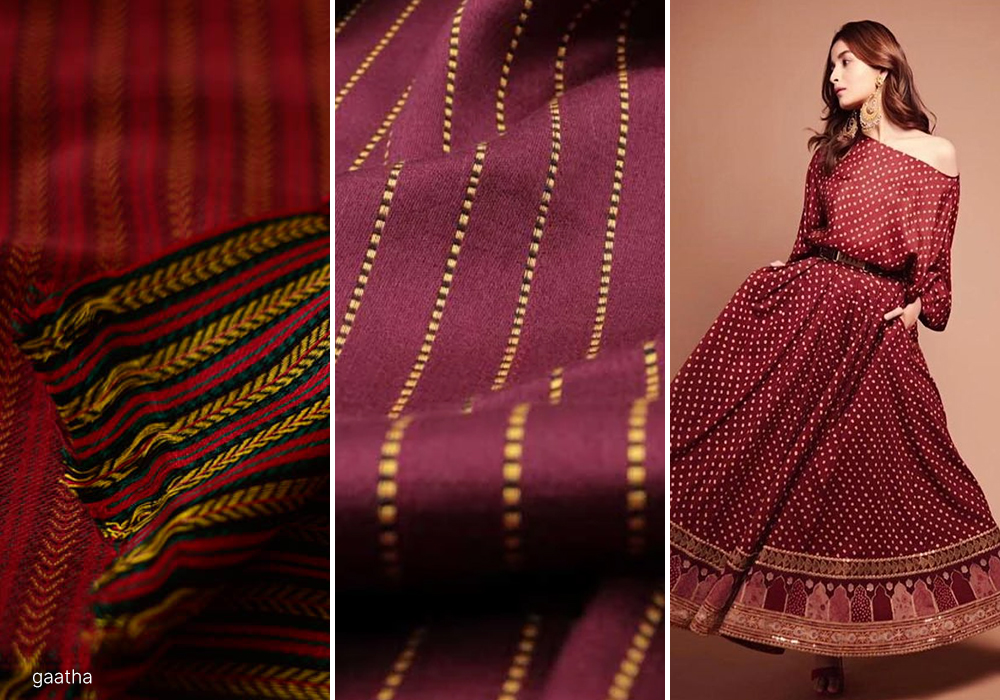
Mashru is a fabric made by weaving silk on the outside and cotton on the inside. This gives it the shine of silk with the comfort of cotton against your skin. The word 'Mashru' means 'permitted' in Arabic. It was made as a solution for Muslim men who were not allowed to wear pure silk directly on their bodies but could wear it if there was a cotton layer between the silk and the skin.
Mashru is known for its bright, bold colours and striped patterns. It has been woven in Gujarat (especially in Patan and Mandvi) and in Aurangabad, Maharashtra, for centuries.
What is Himroo Fabric?
Himroo is a more luxurious cousin of Mashru. It is woven using silk and metallic threads, and sometimes cotton, to create rich patterns that look almost like brocade. The word 'Himroo' comes from the Persian word for 'similar' because it was made to look similar to the costly kincob (gold brocade) fabric used by Mughal royals.
Himroo is also known as 'Kam Khuab', which means 'a little dream'. The fabric was used to make shawls, dupattas, bridal sarees, and royal garments. Today, Aurangabad is its home and its last stronghold.
What is the History of These Fabrics?
Both Mashru and Himroo have a Persian and Mughal origin. They came to Aurangabad when the Sultan Muhammad bin Tughluq shifted his capital from Delhi to Daulatabad (near Aurangabad) in the 14th century. Many skilled weavers travelled with him. When the Sultan moved his capital back to Delhi, the weavers stayed and so did the craft.
The intricate designs of Himroo were also influenced by the famous Ajanta and Ellora caves nearby. You can see floral and geometric motifs in these fabrics that echo the patterns carved into those ancient walls.
How Are Mashru and Himroo Made?
Both fabrics are made on a special handloom. The silk and cotton threads are dyed separately before weaving. The weave itself is complex for Himroo, metallic gold or silver threads are woven in as extra patterns on top of the base fabric.
Originally, Himroo was made with actual silver and gold threads. Today, cheaper alternatives like synthetic metallic yarn are sometimes used, but the finest pieces are still made the traditional way.
Why Are These Fabrics Rare Today?
- Power looms can copy the look at a much lower cost
- Younger generations are not learning the craft
- The number of genuine handloom weavers is falling fast
- Synthetic materials are replacing natural silk and cotton
While Mashru is nearly extinct in its most authentic form, Himroo still survives in Aurangabad kept alive by a small community of weavers.
How to Wear Mashru and Himroo Today
Both fabrics are perfect for weddings, festivals, and special occasions. Mashru works beautifully as a saree, jacket, or blouse fabric. Himroo shawls and dupattas are an elegant addition to any ethnic outfit.
At Aza Fashions, we love how these heritage fabrics can be styled in a modern way paired with minimal jewellery and clean silhouettes to let the fabric do the talking.
Frequently Asked Questions
What is the difference between Mashru and Himroo?
Mashru is a silk-cotton blend with a smooth, glossy surface used for clothing. Himroo uses silk and metallic threads to create heavier, more ornate patterns used for shawls and dupattas.
Where is Himroo fabric made in India?
Himroo is primarily made in Aurangabad, Maharashtra. It is one of the city's most important heritage crafts.
Can I buy Mashru or Himroo fabric online in India?
Yes. Look for verified handloom stores and trusted fashion platforms. At Aza Fashions, we curate ethnic pieces that celebrate India's craft traditions.

