

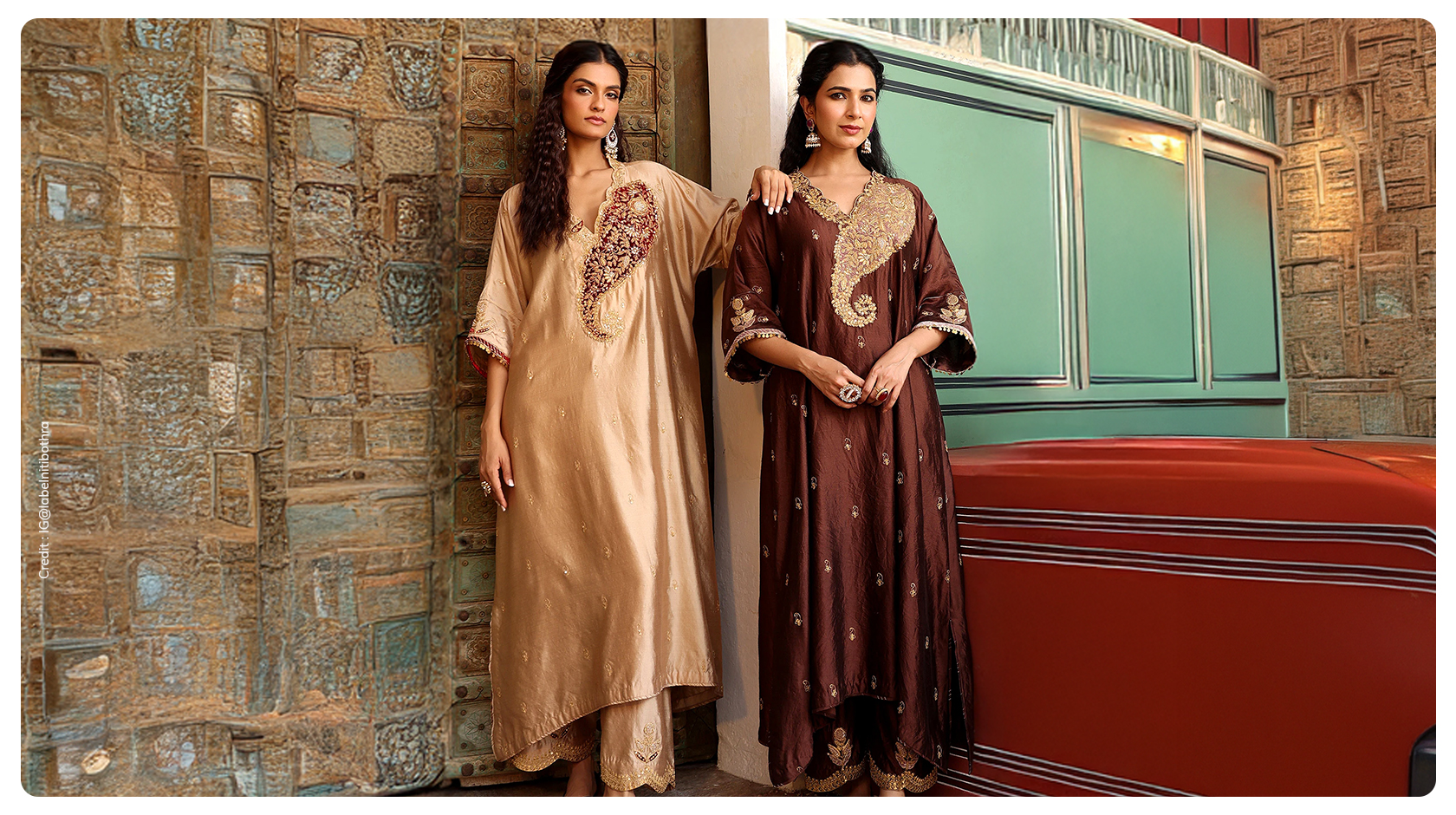
There's a quiet revolution happening in closets across Toronto, Vancouver, Calgary, and Montreal. Indian wear, once synonymous with layers of embroidery, heavy zari borders, and maximalist celebration is being reimagined. In 2026, the South Asian diaspora in Canada is embracing something refreshingly different: minimalist Indian wear. Think clean lines. Muted palettes. Purposeful silhouettes. And a growing desire to wear cultural clothing not just at weddings, but on a Tuesday afternoon.
What Minimalist Indian Wear Actually Looks Like
Minimalist doesn't mean boring. It means intentional.
Think a straight-cut kurta in undyed cotton, worn with wide-leg pants and white sneakers. A wrap-style chanderi dupatta draped loosely over a blazer. A handblock-printed co-ord set in terracotta or slate blue, styled with gold studs and a tote bag. These looks honour the craft and the culture while fitting seamlessly into a Canadian lifestyle.
Key characteristics of the minimalist Indian aesthetic in 2026:
- Neutral and earthy tones – off-white, sand, dusty rose, deep indigo, forest green, and charcoal replace the traditional riot of colour
- Tonal dressing — wearing varying shades of the same colour family for a cohesive, sophisticated look
- Understated surface detail — subtle thread work, tone-on-tone embroidery, or delicate pintucks instead of heavy stone or mirror work
- Clean silhouettes — boxy fits, straight cuts, and relaxed drapes over fitted and fussy shapes

Categories to Add to Your Indian Wear Collection in 2026
If you're building or growing a minimalist Indian wardrobe in Canada, here are the categories worth investing in — and why they make sense for the Canadian lifestyle.
Everyday Kurtas & Kurta Sets
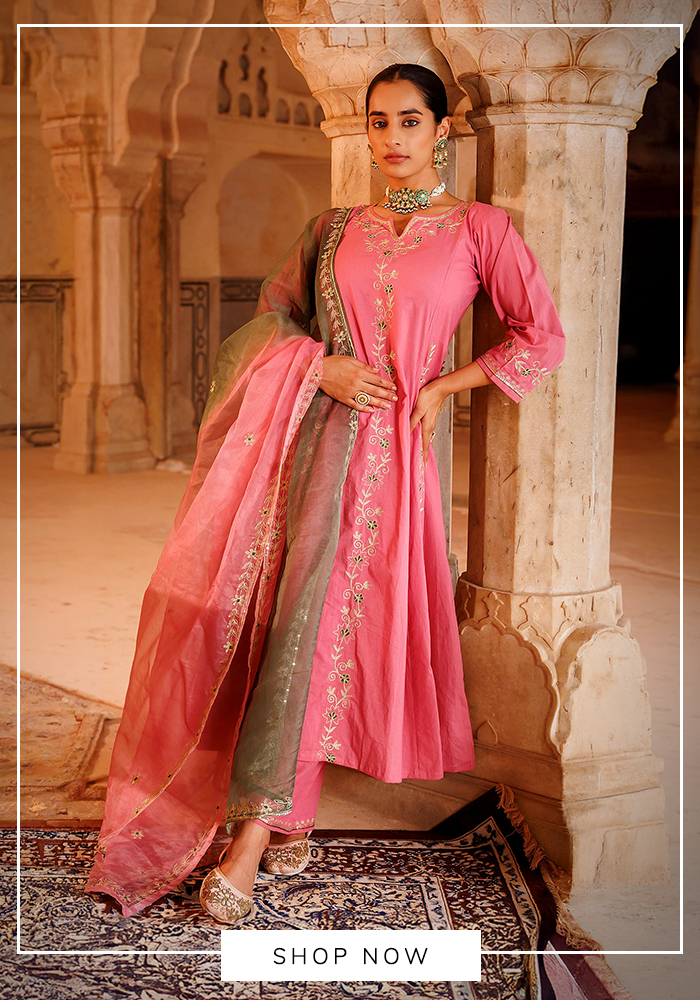
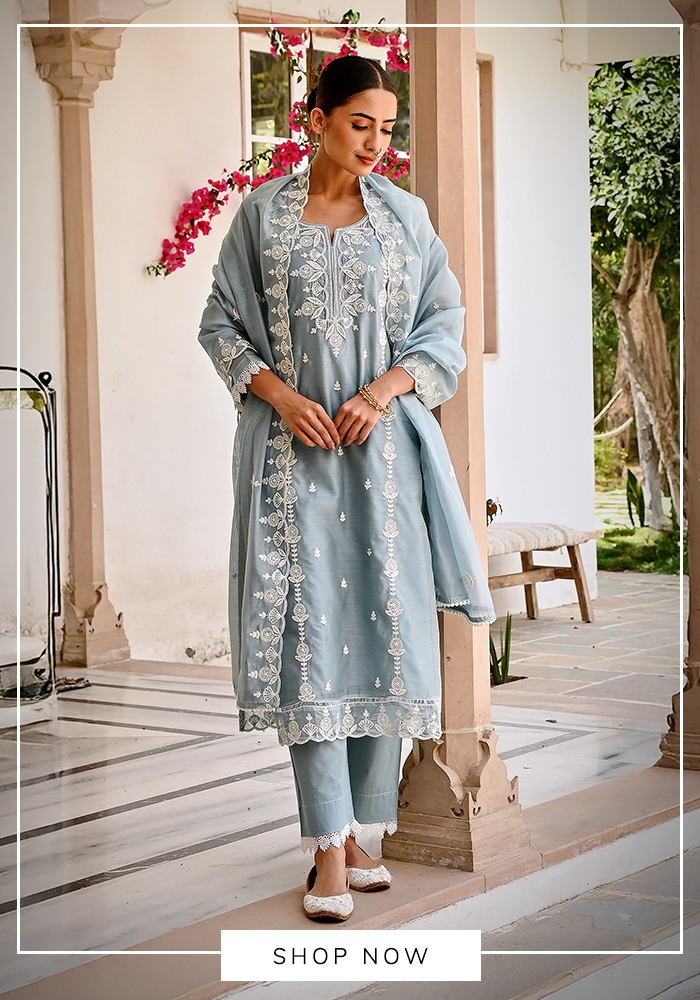
The workhorse of the minimalist Indian wardrobe. Look for straight-cut or A-line kurtas in natural fabrics like cotton, linen, or khadi. Pair with cigarette pants or palazzos for a full look, or wear over jeans for an effortless Indo-Western outfit. A neutral kurta set takes you from a WFH day to a family dinner without a second thought.
Why it works in Canada: Layerable, climate-adaptable, and versatile enough for multicultural workplaces that appreciate cultural expression.
Co-ord Sets (Matching Two-Piece Sets)
Perhaps the fastest-growing segment in minimalist Indian fashion. A co-ord set — whether a kurta-and-pant duo or a short kurti with a skirt — removes decision fatigue while looking deliberately put-together. The best ones are styled simply enough to mix and match with your existing Western wardrobe.
Why it works in Canada: Speaks the language of the Western capsule wardrobe trend while staying rooted in South Asian aesthetics. Great for events like Diwali parties, Eid gatherings, or casual cultural events where you want to dress up without overdressing.
Handblock-Printed Pieces
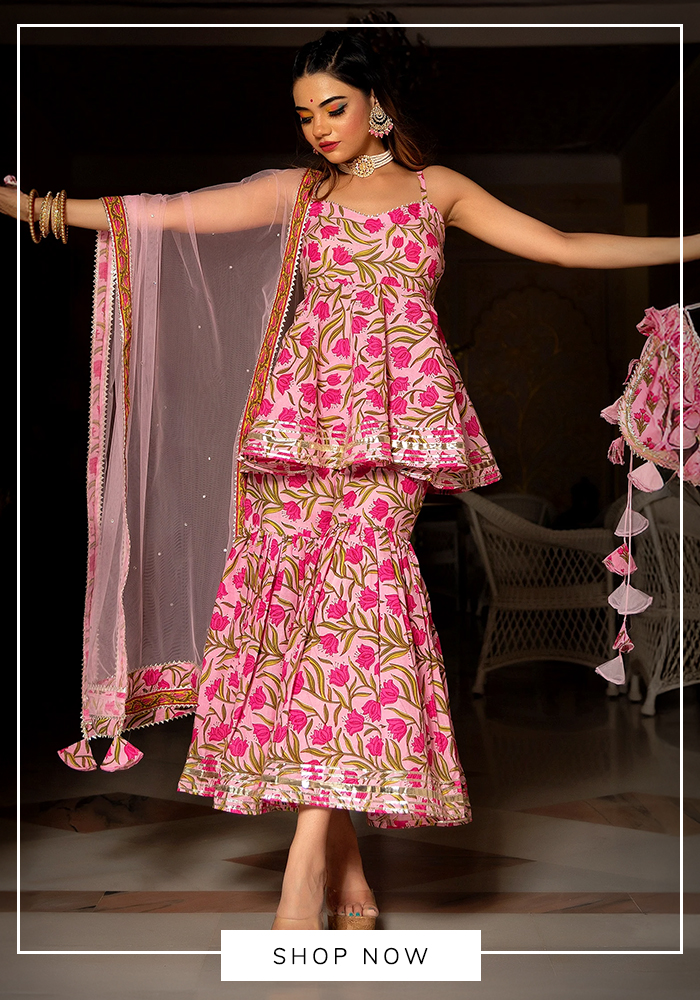
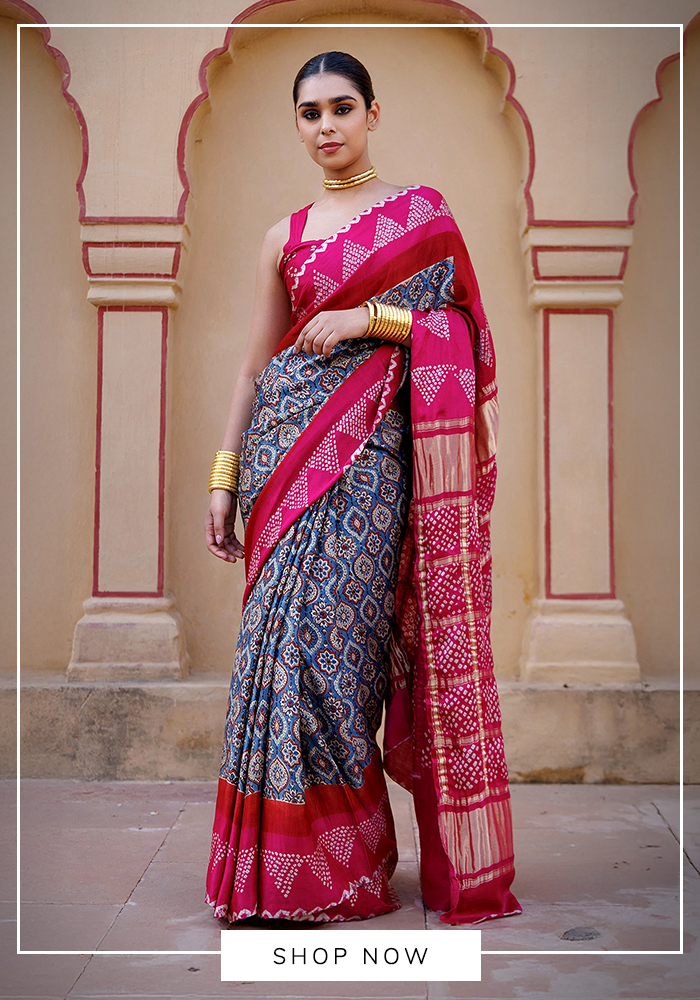
Block printing from Jaipur, Bagru, and Sanganer is enjoying a global renaissance — and for good reason. Each piece is unique, made by hand using carved wooden stamps and natural dyes. The geometric and floral motifs are beautiful without being loud. A handblock-printed shirt dress or a printed kurta is wearable art that also supports artisan communities in India.
Why it works in Canada: Resonates with the Canadian appreciation for artisanal, ethically made goods. Also photographs beautifully — a bonus for a community that loves sharing cultural moments on social media.
Indo-Western Separates for Everyday Styling
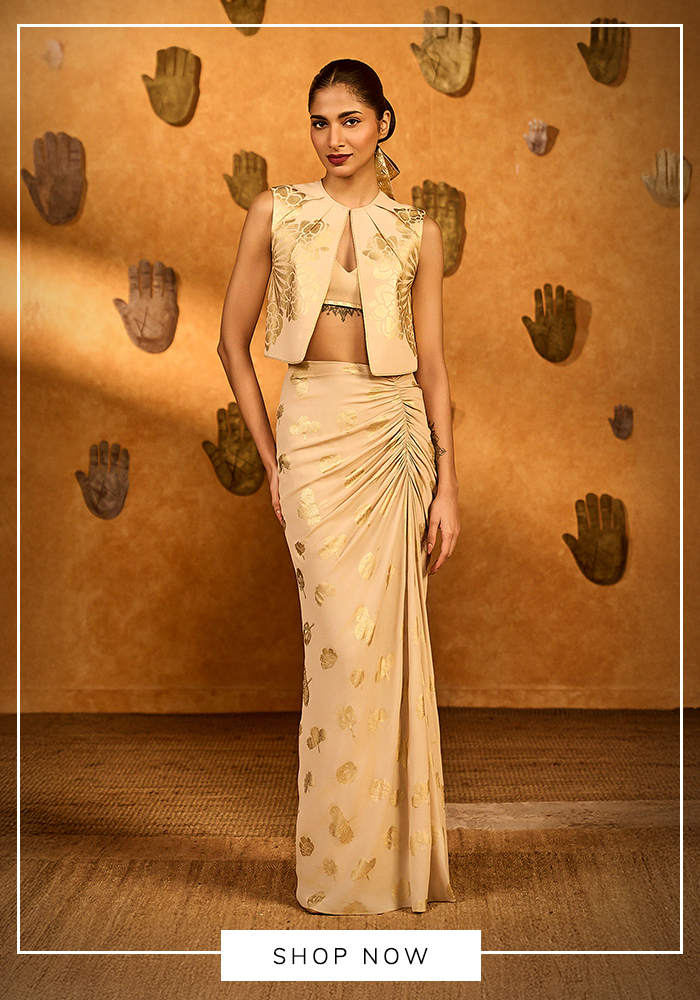
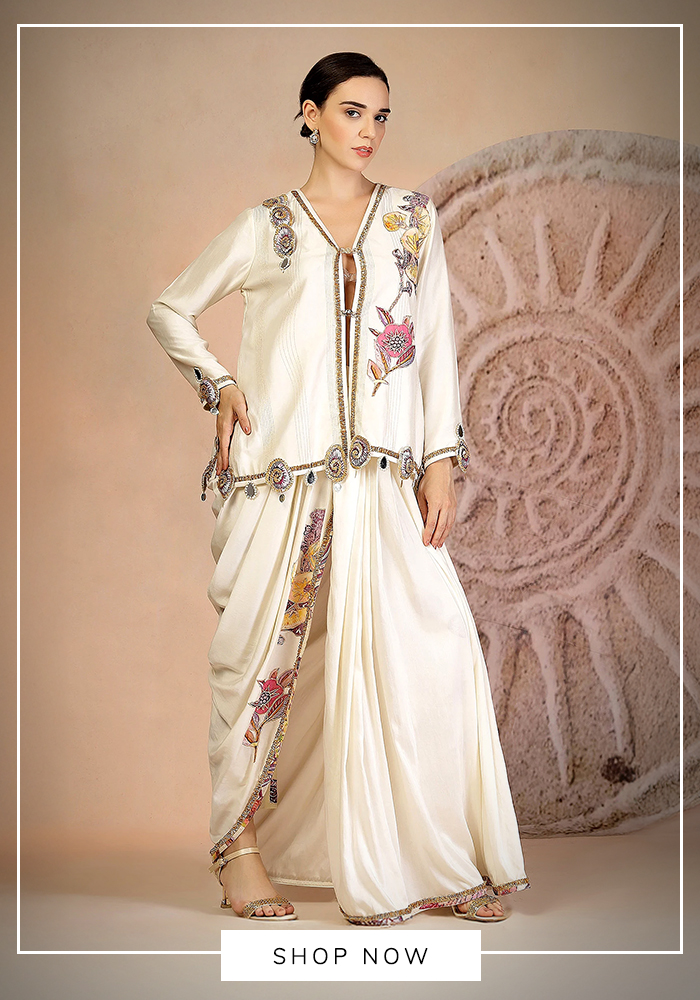
The new wave of minimalist Indian fashion is deeply rooted in Indo-Western dressing. Instead of treating Indian and Western wardrobes as separate identities, South Asian Canadians are blending them effortlessly. A long kurta worn over tailored trousers. A handwoven crop top paired with denim. A structured Indian vest layered over a monochrome outfit. These combinations feel modern, wearable, and deeply personal.
Minimalist Indo-Western fashion focuses on balance — one statement silhouette paired with clean, contemporary basics. The result is polished without feeling overly styled.
Why it works in Canada:
Canadian fashion culture already embraces smart casual dressing and layering. Indo-Western separates fit naturally into that lifestyle while allowing wearers to express their cultural identity in a subtle, everyday way. They're especially ideal for multicultural workplaces, university campuses, coffee meetings, and casual festive gatherings.
Minimalist Festive Separates
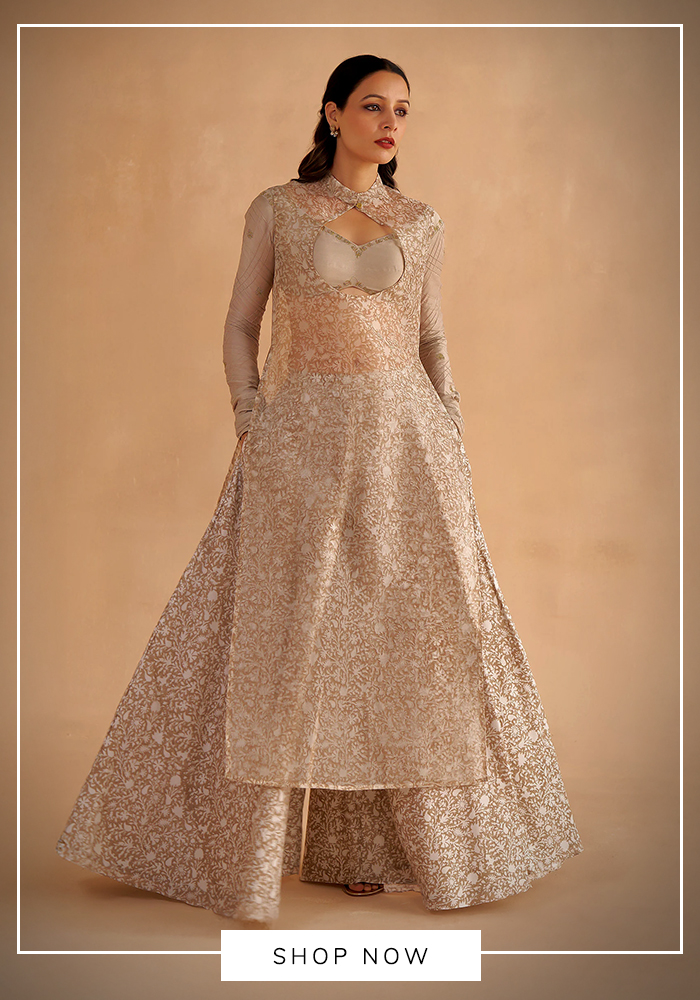
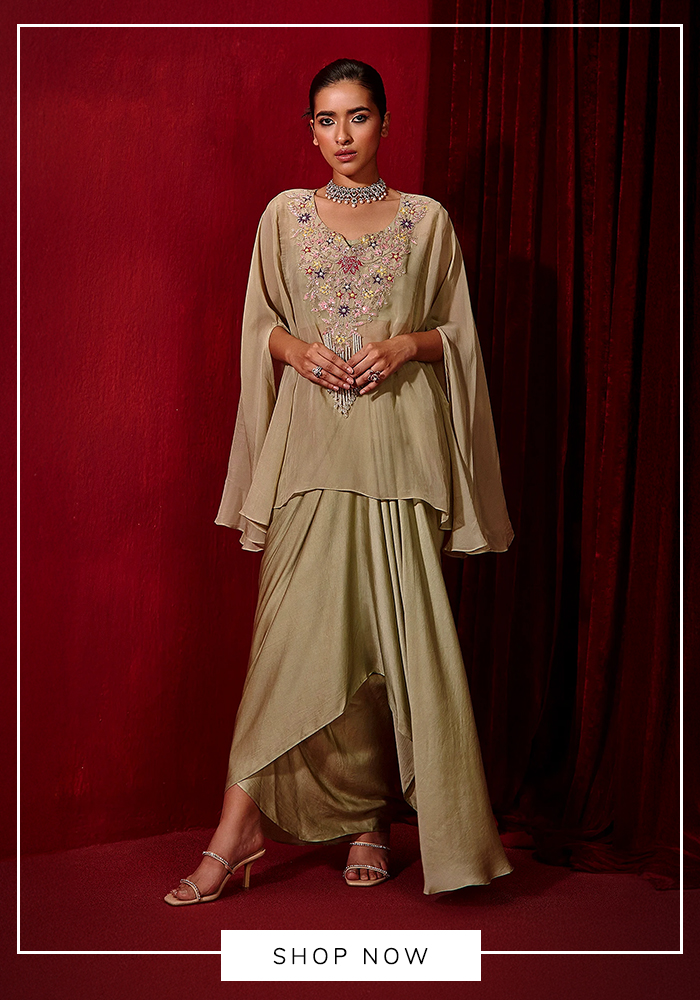
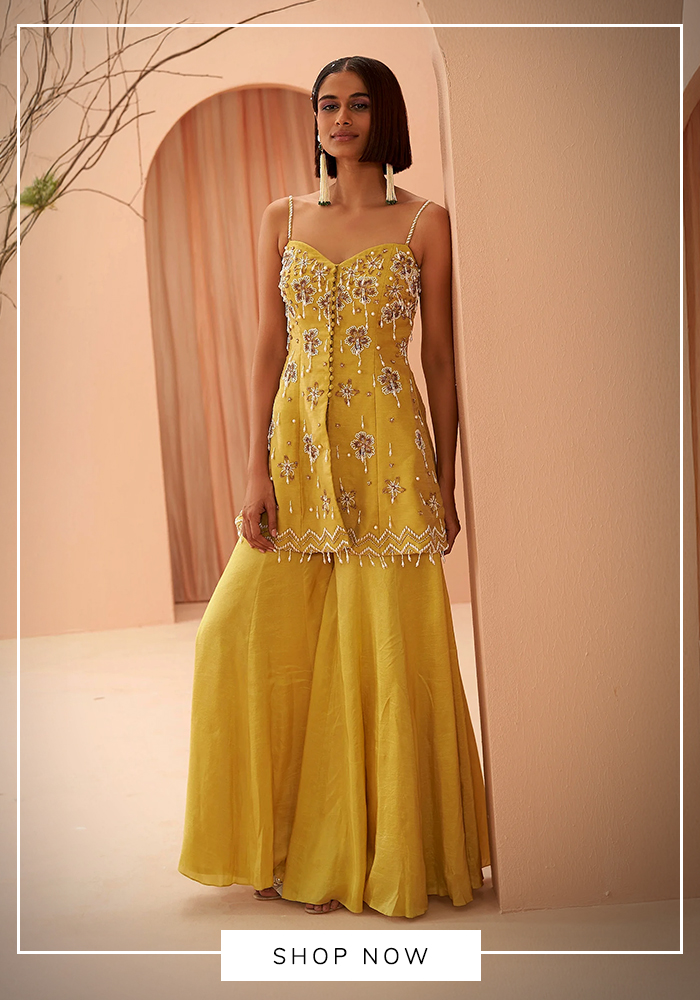
Rather than investing in heavy, single-use outfits, many shoppers are turning to festive separates that can be styled multiple ways. Think a silk kurta paired with different bottoms across events, or a lightly embroidered blouse worn with both skirts and trousers. These pieces maintain celebratory elegance without overwhelming the minimalist aesthetic.
Why it works in Canada:
Festive calendars in diaspora communities are packed — Diwali, Eid, weddings, receptions, and cultural galas. Having modular festive pieces allows wearers to re-style outfits across occasions while maintaining freshness and practicality.
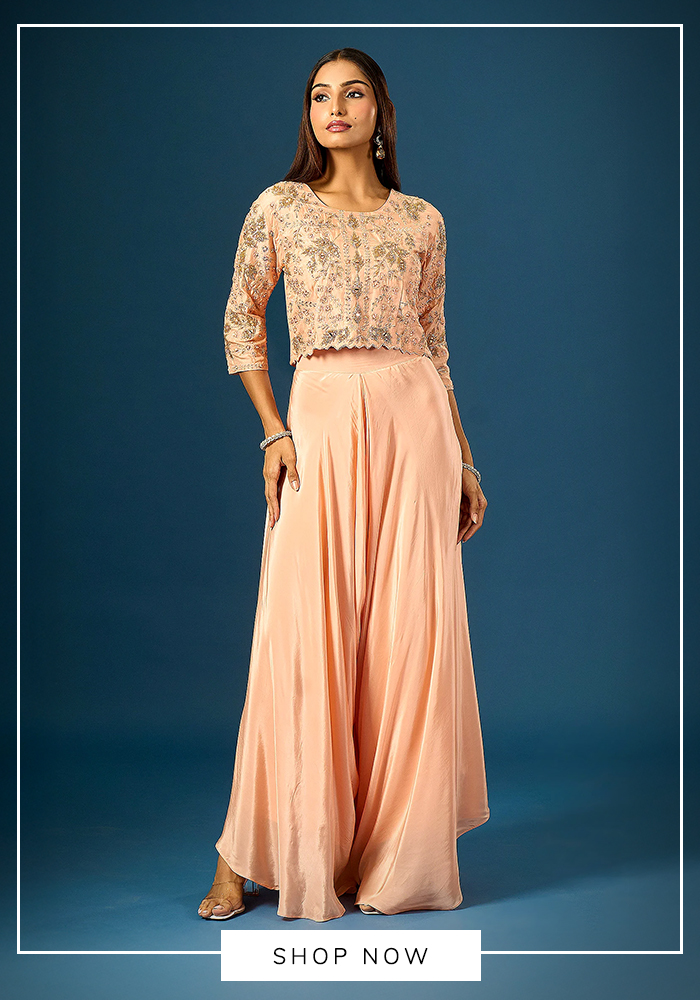
Minimalist Indian Dresses & Kurta Dresses
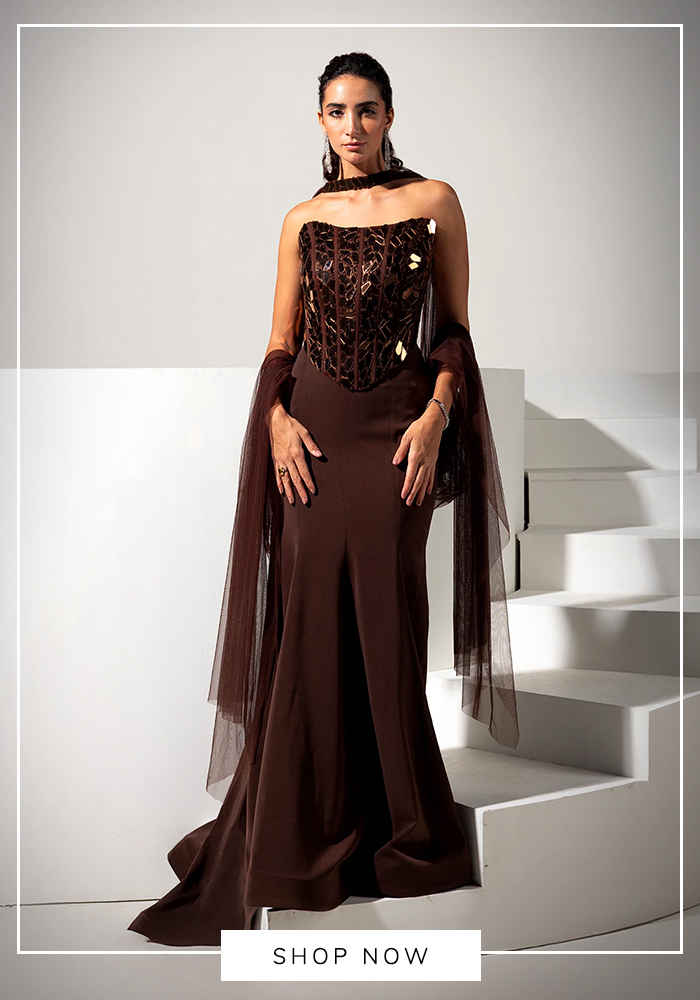
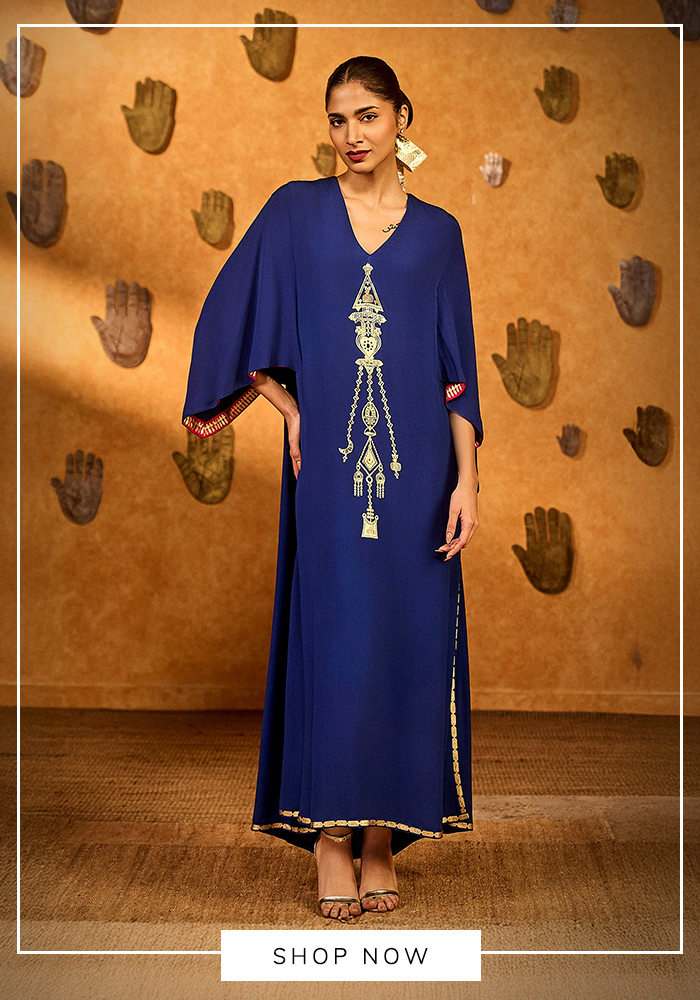
Indian dresses — especially kurta dresses and long shirt-style silhouettes — are becoming staples in minimalist wardrobes. These one-piece styles eliminate the need for complex layering while still offering a distinctly South Asian sensibility. Look for shirt dresses in handwoven cotton, midi-length kurtas worn as dresses, or bias-cut silhouettes in chanderi or linen.
Why it works in Canada:
Dresses are already a dominant category in Canadian wardrobes. Indian-inspired minimalist dresses allow South Asian women to integrate cultural silhouettes into everyday dressing without feeling overdressed. They're especially practical for workdays, brunches, and casual gatherings.
How to Style Minimalist Indian Wear for the Canadian Context
Winter: A long linen kurta over thermal leggings, topped with a wool-blend coat. Add ankle boots and a minimal gold chain. The kurta peeks below the coat hem — intentional and chic.
Spring/Fall: A handblock-printed co-ord set with white sneakers and a structured canvas tote. A light stole doubles as a scarf in the wind.
Summer: A breathable cotton or mulmul kurta set with flat Kolhapuri sandals. Minimalist jhumkas (earrings) as the only accessory needed.
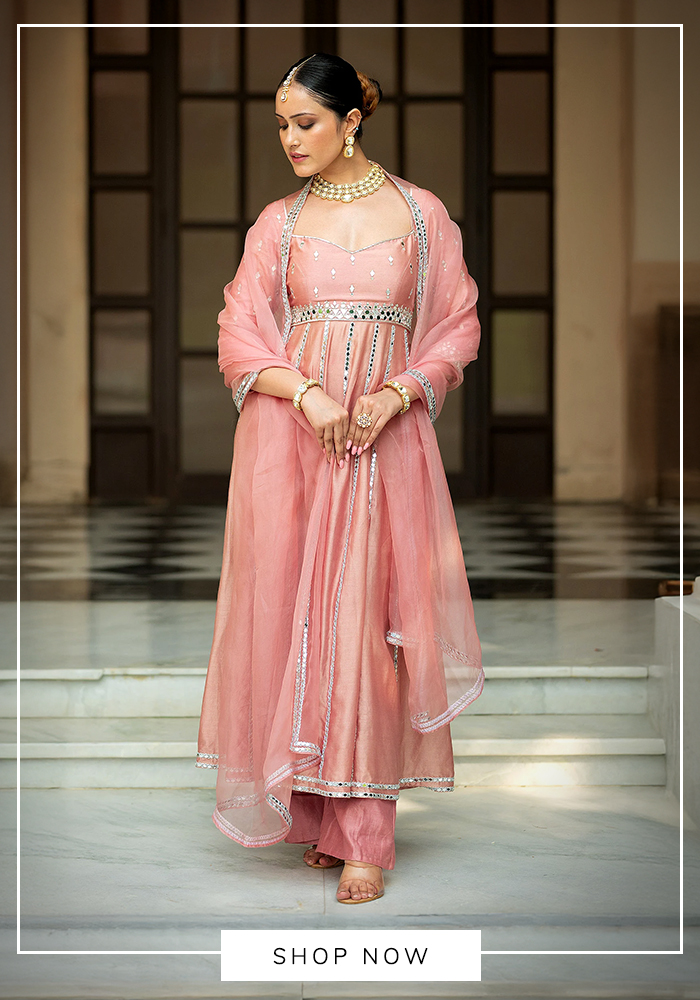
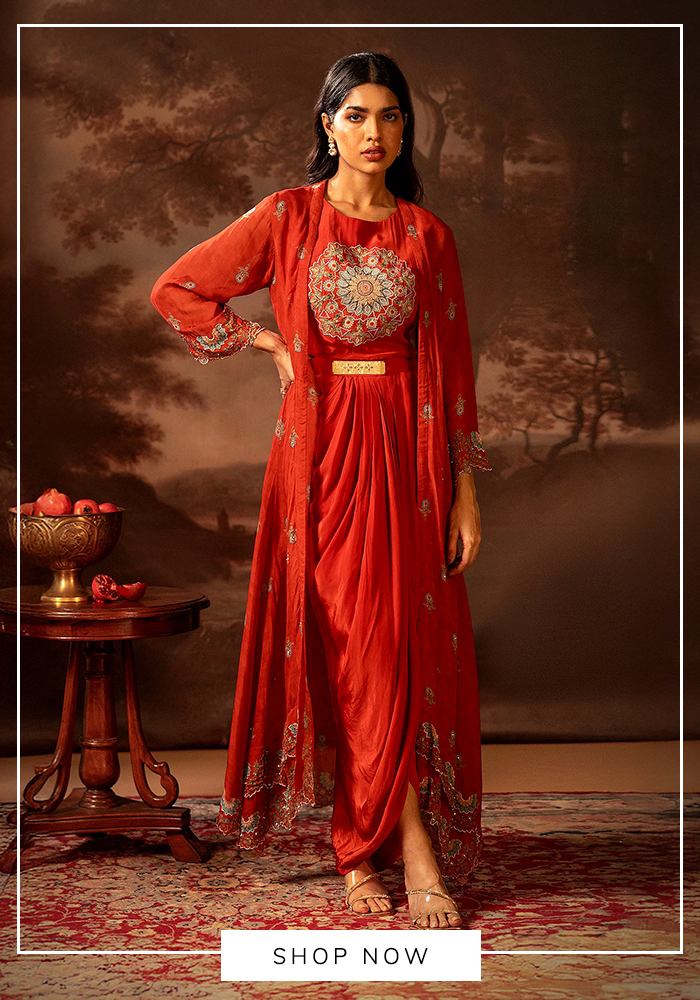
Events: A tonal anarkali or sharara set in muted jewel tones — emerald, burgundy, or cobalt — with simple gold jewellery and a box clutch.
The Bigger Picture: Why This Shift Matters
The rise of minimalist Indian wear in Canada isn't just a style evolution — it's a statement of identity. It says: I don't need to perform my culture loudly to honour it. It says: My heritage belongs in my everyday life, not just in a glass case for special occasions. And it says: I can hold two aesthetic worlds at once, and the result is something entirely my own.
For designers, this is an invitation. For retailers, it's a market signal. And for South Asian Canadians navigating their dual identity, it's a wardrobe that finally feels like home — wherever that home happens to be.