


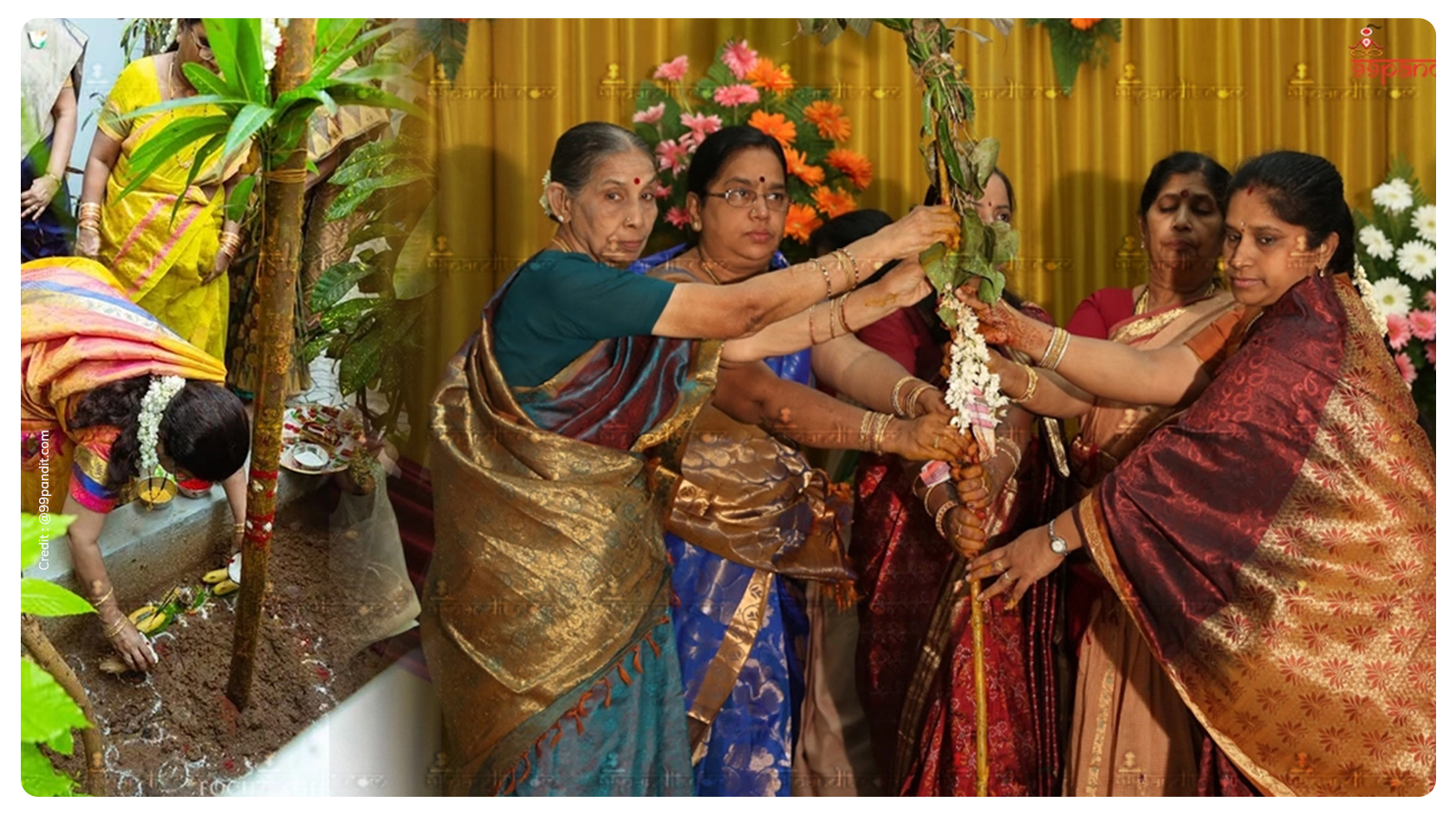
Picture a bright morning filled with the scent of fresh sandalwood, the sound of rhythmic folk songs, and endless laughter. Relatives gather in a beautifully decorated courtyard to bless a glowing bride or groom. If you have ever attended a wedding in Gujarat, this vivid scene feels instantly familiar.

This beautiful event is the Pithi ceremony. It stands as one of the most visually stunning and deeply emotional pre-wedding rituals in Indian culture. The event brings families together to celebrate an upcoming union with food, music, and immense cultural pride.
If you are attending your first Gujarati wedding or planning your own, understanding these customs makes the experience much more enjoyable. We created this comprehensive guide to help you navigate these vibrant celebrations.
In this post, you will learn about the rich cultural significance of the Pithi ceremony. We will explore the step-by-step traditional practices that make the day so special. Finally, we will show you how to find the perfect celebration outfits through the stunning Aza Fashions ethnic wear collections.
What is the Pithi Ceremony?
The name of this ceremony perfectly describes its main event. The word "Pithi" refers to a sacred yellow paste made specifically for the bride and groom. Families usually perform this ritual on the morning of the wedding or the day before.
This event serves as the Gujarati equivalent of the Haldi ceremony seen in other parts of India. However, it carries its own distinct regional flavor. The paste itself contains a mixture of turmeric, sandalwood powder, chickpea flour, rose water, and sometimes a few drops of precious perfume.
While the core focus remains on applying this paste, the event is also a massive social gathering. Relatives and friends come together to sing traditional folk songs. They share delicious sweets and officially kick off the joyous wedding festivities in true Gujarati style.
The Cultural Significance of the Paste
Gujarati wedding traditions place a massive emphasis on spiritual purity and positive energy. The Pithi ceremony serves several important purposes for the couple before they take their vows.
First, the ritual provides intense physical purification and cosmetic benefits. Turmeric acts as a natural antiseptic and holds immense sacred value in Hindu traditions. Chickpea flour exfoliates the skin, while sandalwood provides a cooling effect. Applying this mixture cleanses the skin, removes impurities, and gives the bride and groom a brilliant, natural glow.
Second, the ceremony acts as a powerful shield against negative energy. Grand weddings naturally attract a lot of attention from the community. Elders believe this attention can sometimes bring the "evil eye" or bad luck. The yellow paste forms a protective spiritual barrier around the couple.
Finally, this event beautifully highlights the bonding between family members. The shared laughter, the teasing, and the collective prayers create an environment of absolute love. It provides a relaxed, joyful space before the serious religious rituals of the evening begin.
Step-by-Step Traditional Practices
Every family adds their own special touch to the celebrations. However, traditional Pithi ceremonies follow a specific, structured path. Understanding these steps helps you appreciate the depth of the culture.
Preparing the Sacred Paste
The day begins early with the preparation of the Pithi. Married women from the family gather to mix the ingredients. They blend the turmeric, sandalwood, and rose water while chanting soft prayers. This ensures the paste carries positive intentions and spiritual blessings.
The mixture sits in a beautifully decorated silver or brass bowl. Families often place this bowl near the household deity for a short prayer before the main event begins. This step invites divine blessings into the ritual.
The Role of the Kaki
Gujarati wedding traditions assign specific roles to different family members. During the Pithi ceremony, the paternal aunt (Kaki) plays a highly prominent role. She is traditionally the first person to apply the paste to the bride or groom.
The bride or groom sits on a low wooden stool (bajot) placed in a decorated area. The Kaki steps forward, takes a small amount of the paste, and gently applies it to their face, arms, and feet. This gesture signifies the deep love and support of the extended family.
Blessing the Bride and Groom
After the Kaki finishes, other family members take their turns. Married women step forward to apply the paste and offer their blessings for a happy, prosperous married life. Unmarried friends and cousins usually join in next, turning the solemn ritual into a playful, messy celebration.
Family members often playfully rub the paste onto the faces of unmarried guests. Tradition says that if the blessed paste touches an unmarried person, they will be the next one to find love and get married. After the turmeric application, the bride or groom takes a purifying holy bath to wash off the paste.
Fun, Music, and Festivities
You cannot have a Gujarati celebration without incredible music and dancing. Music fills the air throughout the morning. Older women sit in circles with a traditional drum (dholak) and sing regional folk songs. These songs often playfully tease the bride, the groom, and their in-laws.
Younger family members often prepare choreographed dance routines. You might even see guests breaking into a spontaneous Garba dance. This lively dancing blends ancient traditions with a fun, modern party atmosphere.
Food also plays a central role during these pre-wedding rituals. Families prepare an array of traditional delicacies to share with their guests. Trays filled with fresh sweets and savory snacks keep the energy levels high throughout the morning.
Finding the Perfect Attire for Pre-Wedding Rituals
Choosing the right outfit for this specific ceremony requires careful thought. Because the ritual involves wet turmeric paste, oil, and water, things get messy very quickly. You need clothing that honors the tradition but is easy to manage.
Yellow, mustard, and vibrant orange are the mandatory colors for the day. These shades honor the turmeric theme, hide stains well, and look brilliant in morning photographs. You want fabrics that breathe easily, like pure cotton, lightweight silk, or soft georgette.
This is where planning your wedding wardrobe becomes crucial. Aza Fashions ethnic wear offers an incredible selection of practical yet beautiful outfits for all your wedding events. Let us look at the best styling options for the day.
Beautiful Outfits for the Bride
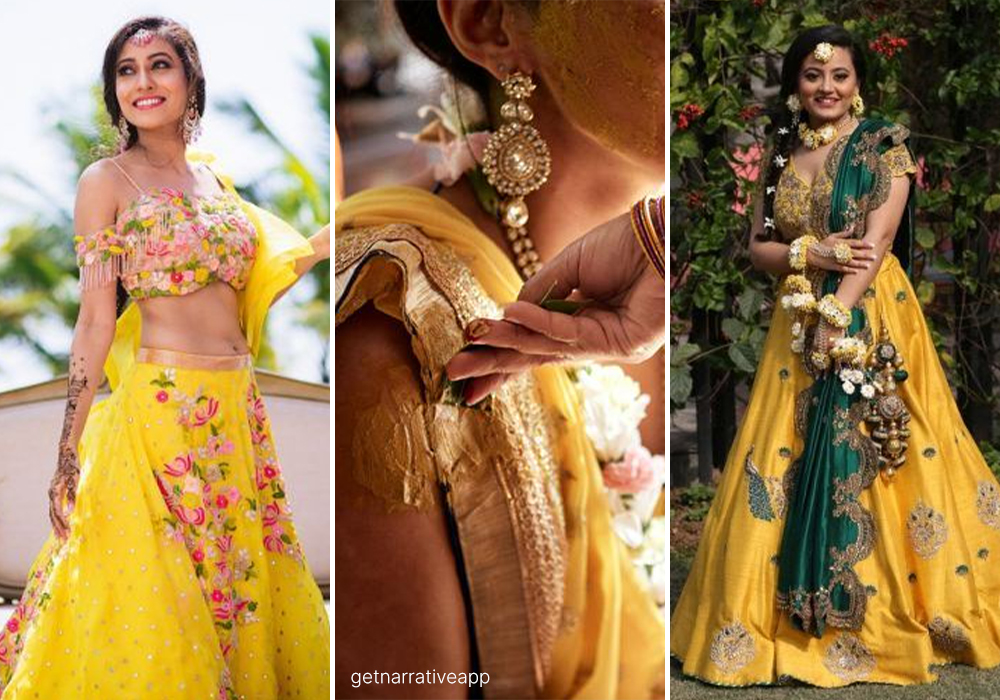
For the Pithi ceremony, comfort and tradition lead the way. Most brides wear a simple, bright yellow cotton or lightweight silk outfit. A beautiful yellow lehenga paired with a comfortable blouse allows for easy movement and beautiful photographs.
Many modern brides choose pre-draped sarees or lightweight tunic sets from the Aza Fashions ethnic wear collection. These silhouettes give you the volume and drama of a traditional outfit without the hassle of managing heavy pleats or stiff fabrics.
For accessories, skip the heavy gold jewelry. The bride almost exclusively wears fresh floral jewelry for this morning event. A beautiful necklace, earrings, and a delicate bracelet made of jasmine and marigold flowers complete the fresh, glowing look perfectly.
Classic Looks for the Groom
The groom typically keeps things very simple and traditional. He wears a classic white or yellow cotton kurta paired with comfortable pajamas or a dhoti.
Because his family and friends will smear his face and arms with the yellow paste, he needs an outfit he can easily manage. For the prayers leading up to the bath, a well-tailored kurta is absolutely essential.
Explore the Aza Fashions collection for high-quality, breathable cotton kurtas. You can easily slip in and out of these pieces during the morning rituals. They ensure the groom looks sharp and regal in all the early morning portraits.
Stylish Choices for the Guests
If you are attending the ceremony as a guest, you should definitely participate in the yellow color theme. Wearing coordinated colors makes the group photographs look absolutely spectacular and shows your enthusiasm for the event.
Female guests can explore vibrant Anarkali suits or elegant Sharara sets. These outfits allow you to move freely, dance to the dhol, and help out with the rituals without tripping over heavy fabrics. Aza Fashions provides an unmatched curation of designer wear featuring subtle thread work and bright, happy prints perfectly suited for daytime events.
Male guests can easily wear a crisp, solid yellow or mustard Kurta set. Add a printed pocket square or a contrasting Nehru jacket to elevate the look. Stay away from heavy fabrics like velvet or thick raw silk, as the daytime events tend to get very warm.
Elevate Your Look with Aza Fashions Ethnic Wear
Planning your wedding looks early reduces stress and ensures you look perfect in every single photograph. Aza Fashions brings together the best designers in the country. This ensures you have access to premium fabrics, flawless fits, and stunning craftsmanship.
When you shop for pre-wedding rituals, focus strictly on lightweight fabrics and bright, joyful colors. Save your heavy velvets, stiff silks, and massive embroidery for the evening wedding reception. By building a thoughtful, versatile wardrobe, you ensure you can move comfortably and enjoy every minute of your celebration.
The user-friendly online platform makes it easy to filter outfits by color, occasion, and designer. Whether you need a simple suit for a morning puja or a grand ensemble for the main event, you will find exactly what you need.
Take the Next Step Toward Your Celebration
The Pithi ceremony is a beautiful, deeply grounding experience. It washes away the past and prepares the couple for a bright, prosperous future. The scent of sandalwood, the sound of traditional drums, and the warmth of family blessings create memories that last a lifetime.
As you prepare for your upcoming wedding journey, embrace these morning traditions with an open heart. Enjoy the laughter as your family applies the paste, and let the lively music bring you absolute joy.
When you feel comfortable and confident in your clothing, you can fully focus on the magic of the moment. Discover the extensive collections of Aza Fashions ethnic wear today. Browse their stunning yellow and mustard curations to find the perfect traditional outfits that will carry you beautifully into your new life.

