


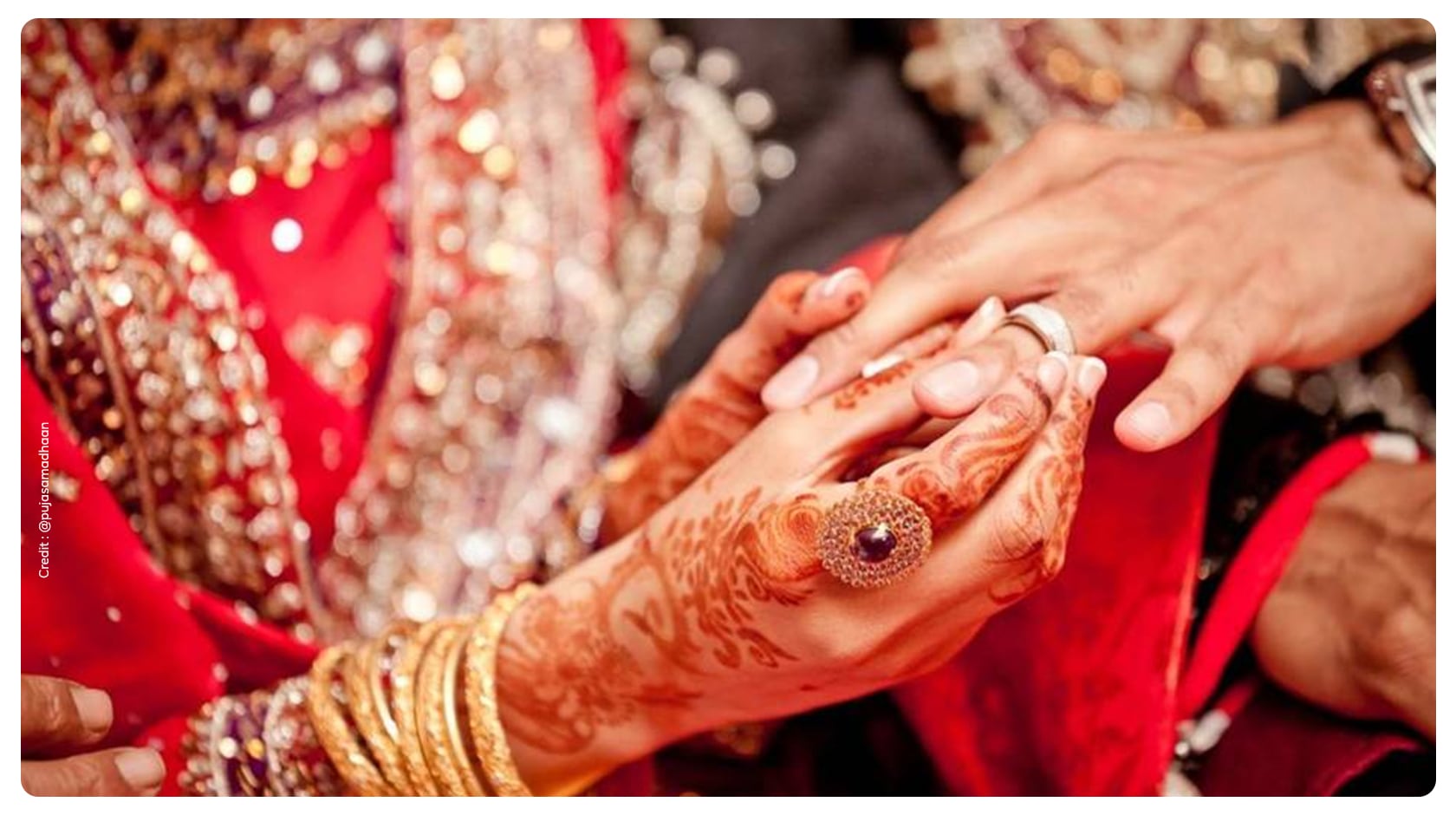
Few events match the vibrant energy, deep-rooted traditions, and emotional warmth of an Indian wedding. In the northern state of Haryana, the festivities kick off with a beautiful and intimate event known as the Sagai. This engagement ceremony serves as the official announcement of the upcoming nuptials. It brings two families together, merging ancient Vedic customs with joyous celebrations.

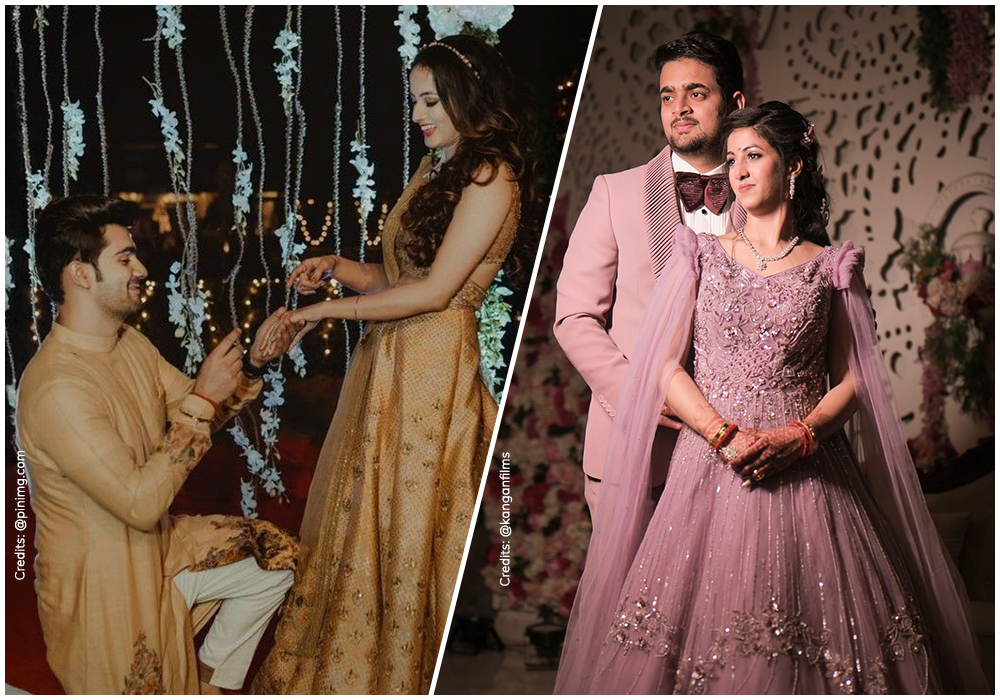
Whether you are planning your own Haryana wedding or attending one as a guest, understanding the cultural significance of the Sagai adds a layer of depth to the experience. The event sets the tone for the entire month of wedding festivities. In this comprehensive guide, we will explore the history of the Sagai, break down its traditional rituals, and show you how Aza Fashions helps you dress perfectly for this momentous occasion.
The Cultural Roots of the Sagai
Historically, the Sagai was much more than an exchange of rings. In ancient Haryana, it represented a solemn promise made by the elders of two families. Parents and grandparents arranged marriages based on family reputation, health, and social standing. They strictly followed the rules of the gotra (clan), ensuring that the bride and groom belonged to the same community but different clans.
Once the families reached an agreement, they hosted the Sagai to seal the promise. While modern couples now often choose their own life partners, the core essence of the Sagai remains intact. The ceremony honors family bonds, respects ancestral traditions, and seeks divine blessings for the couple's future.
The Sagai helps preserve the true identity of the local community. It reinforces age-old practices and passes them down to the next generation. The folk songs, traditional prayers, regional cuisine, and distinctive clothing all contribute to Haryana’s rich cultural tapestry.
Traditional Rituals That Define the Ceremony
The Sagai typically takes place at the bride’s home, making it a warm, family-centric gathering. The groom’s family travels to the bride’s house to officially ask for her hand in marriage. What follows is a series of beautiful, meaningful rituals.
The Sacred Tilak
The ceremony often begins with the traditional Tilak. The bride’s father, or a respected elder male relative, applies a sacred mark on the groom’s forehead. This paste usually contains a mixture of kumkum (vermillion), turmeric, homemade ghee, and vibhuti (sacred ash).
The elder places this mark precisely between the eyebrows, an area known as the ajna chakra or the third eye. According to Vedic beliefs, this specific placement shields the groom from negative energy and the evil eye. It also signifies the bride's family accepting the groom with open arms and deep respect.
The Ganesh Puja
Many families invite a priest to conduct a Ganesh Puja during the Sagai. Lord Ganesha is known as the remover of obstacles in Hindu mythology. By chanting specific mantras and offering prayers to him, the families seek divine intervention. They pray that all the upcoming wedding ceremonies proceed smoothly, without any hurdles or delays.
Exchanging Shagun and Gifts
Gift-giving plays a massive role in the Sagai ceremony. It symbolizes the sharing of wealth, joy, and mutual respect between the two merging families. The bride's family presents the groom with lavish gifts, including traditional clothes, premium sweets, fresh fruits, and gold jewelry.
In return, the groom’s family arrives with Shagun (auspicious gifts) for the bride. These gifts often include beautiful garments, ornate jewelry, and makeup. This exchange is a gesture of goodwill, showing that both sides are ready to support and cherish their new family members.
The Ring Exchange
While exchanging rings was not an original Vedic practice, it has seamlessly integrated into the Sagai over the last few centuries. Today, the bride and groom exchange rings in front of their loved ones. This moment symbolizes their personal commitment to one another.
Some families prefer to keep the ring exchange as a completely separate event known as Anguthi Pehnana. However, most combine it with the Sagai for a grander celebration. After exchanging rings, the couple touches the feet of the elders in both families to seek their blessings and good wishes.
The Joyous Celebrations Follow
Once the formal rituals conclude, the atmosphere shifts from solemn prayer to vibrant celebration. The priest or a senior family member officially announces the chosen wedding date to the gathered guests. This announcement kicks off the excitement for the upcoming nuptials.
The hosts then invite everyone to partake in a grand feast. Food holds immense importance in Haryanvi culture, and a Sagai feast features an array of rich, local delicacies. Following the meal, the families engage in music and dance. Women often sing traditional folk songs that playfully tease the groom and celebrate the bride. This informal mingling provides the perfect opportunity for the two families to bond, share stories, and celebrate their new connection.
Fashioning Tradition: What to Wear for a Sagai
Clothing plays a crucial role in honoring the cultural heritage of a Haryana wedding. Every fabric, color choice, and embellishment tells a story. Because the Sagai is a pre-wedding event, the outfits strike a balance between festive elegance and manageable comfort. They are beautiful and ornate, but noticeably less heavy than the actual wedding day attire.
The Bride’s Radiant Look
For her Sagai, the bride typically wears a stunning lehenga-choli or an elaborate salwar kameez. The lehenga consists of a flared, embroidered skirt, a fitted blouse (choli), and a sheer veil (dupatta). If she chooses a salwar kameez, she will opt for rich fabrics like silk or brocade, heavily embellished with traditional embroidery.
Red remains the most auspicious and popular color choice, symbolizing love, passion, and new beginnings. However, modern brides also embrace vibrant hues like deep magenta, rich mustard, and elegant emerald green.
The Groom’s Royal Attire
The groom dresses to reflect his readiness for married life. Traditionally, he might wear a simple yet elegant silk or high-quality cotton kurta pyjama. Today, many grooms elevate their look by choosing a sophisticated Sherwani paired with a fitted churidar.
The groom's outfit often features rich embroidery that complements, but does not overpower, the bride's attire. He might also drape a matching stole or dupatta over one shoulder for an added touch of royalty. To complete the look, the groom wears traditional juttis or mojaris hand-embroidered shoes that perfectly match his ensemble.
The Significance of Sagai Jewelry
In Haryana, jewelry is far more than a simple accessory. It represents cultural heritage, social status, and deep symbolic meaning. Gold is the metal of choice for traditional ceremonies because it signifies wealth, prosperity, and absolute purity.
The bride almost always wears a maangtikka, a beautiful piece of jewelry that rests on her forehead. Ancient texts mention the maangtikka as a symbol of the physical and spiritual union between two individuals. While traditional gold remains a staple, modern brides frequently incorporate diamond pieces or precious family heirlooms into their Sagai look.
The groom also wears minimal, tasteful jewelry. A subtle gold chain, a classic watch, or bejeweled buttons on his sherwani add a touch of sophistication to his traditional attire.
Discover the Perfect Sagai Ensemble at Aza Fashions
Finding the perfect outfit for such a meaningful ceremony requires a careful balance. You want a garment that respects ancient traditions while reflecting your personal, modern style. At Aza Fashions, we understand the emotional and cultural weight of pre-wedding ceremonies like the Sagai.
We proudly curate collections from India's most celebrated designers, bringing you an unparalleled selection of luxury ethnic wear. Our platform offers everything you need to build your dream Sagai wardrobe.
Curated Collections for the Bride and Groom
For the bride-to-be, Aza Fashions offers a breathtaking array of lightweight lehengas, glamorous sharara sets, and intricately embroidered Anarkalis. Whether you want a classic red silk lehenga adorned with zardozi work or a contemporary pastel suit with delicate mirror work, our collections cater to every aesthetic.
For the groom, we feature an exclusive range of tailored kurtas, structured Nehru jackets, and regal sherwanis. Our menswear designers focus on premium fabrics, impeccable fits, and subtle embellishments that ensure the groom looks his absolute best.
Styles for the Family and Guests
The Sagai is a celebration for the entire family. Aza Fashions also offers extensive collections for bridesmaids, mothers of the couple, and wedding guests. From elegant pre-draped sarees that allow for effortless movement to chic co-ord sets perfect for a daytime event, you will find outfits that match the joy and grandeur of the occasion.
By offering garments that feature traditional weaving techniques, classic embroidery, and modern silhouettes, Aza Fashions bridges the gap between the past and the present. We make it easy for you to honor your cultural roots while looking incredibly stylish.
Celebrate Your Heritage with Grace
The Sagai ceremony is a beautiful reminder of the power of family, tradition, and love. It sets a joyous, spiritual foundation for the marriage that follows. By understanding the deep meaning behind the Tilak, the gift exchange, and the traditional attire, you can fully appreciate the magic of a Haryana wedding.
When it is time to dress for this memorable occasion, let your outfit reflect the beauty of your heritage. Browse the exclusive designer collections at Aza Fashions today. Discover luxurious, meticulously crafted garments that will make your Sagai ceremony truly unforgettable.

