


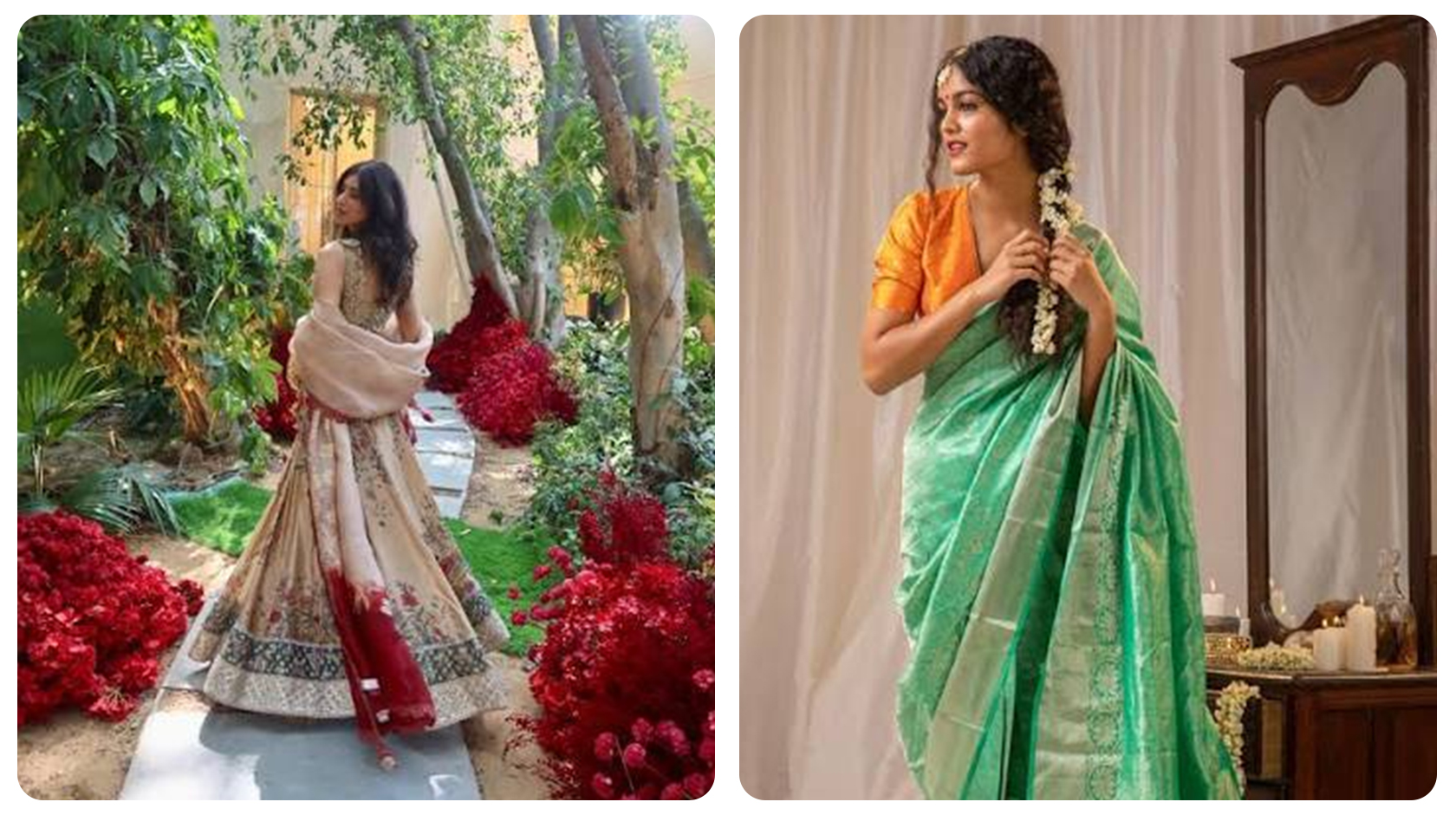
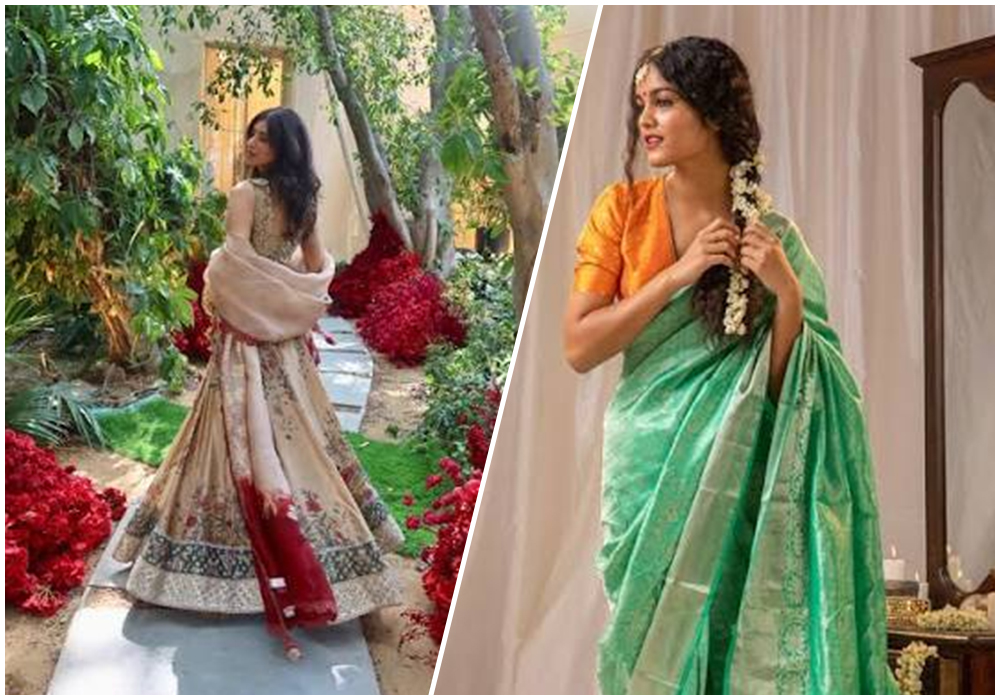
For a Telugu wedding, guests should wear traditional South Indian attire. Women look beautiful in a Kanjivaram or pattu (silk) saree in rich, auspicious colors like maroon, gold, mustard, green, or deep red. Men can wear a silk kurta, dhoti kurta, or sherwani. Cover your shoulders for the main ceremony, choose comfortable options if you'll be seated on the floor, and avoid all-white and all-black. Telugu weddings often start early in the morning, so plan for a daytime, temple-style dress code.
Telugu weddings are warm, ritual-rich, and often stretch across a full morning of ceremonies. If you've been invited to one, dressing right means understanding a few traditions—and choosing an outfit that's festive, respectful, and easy to sit in for hours. Here's everything you need to know.

What Makes a Telugu Wedding Unique
Telugu weddings follow rituals rooted in South Indian tradition, and details vary between Brahmin and non-Brahmin families. Brahmin ceremonies tend to be more elaborate and Vedic, while non-Brahmin weddings may be shorter with regional variations. Either way, guests dress similarly—festive South Indian attire works across both.
A few key rituals shape the day:
- Kashi Yatra: A playful moment where the groom pretends to leave for Kashi, and the bride's brother convinces him to stay and marry.
- Mangalsutra Dharana: The groom ties the sacred thread (mangalsutra) around the bride's neck—the emotional heart of the ceremony.
- Saptapadi: The couple takes seven steps together, sealing the marriage.
Most of these happen early in the morning, so plan for a daytime dress code.
What Guests Should Wear for Each Function
Telugu weddings often include several events, each with its own energy.
- Pellikoduku / Pellikuthuru (pre-wedding rituals): Relaxed and festive. A cotton or light silk saree, or a kurta set, works well.
- Main ceremony (Muhurtham): The most traditional moment. Wear full South Indian attire—a silk saree for women, a dhoti kurta or silk kurta for men. Cover your shoulders. For more on ritual-by-ritual dressing, see our Hindu wedding guest guide.
- Reception: The most flexible event. An Indo-Western outfit, a saree gown, or a rich cocktail dress fits right in.
Traditional Outfit Choices
For women:
- Kanjivaram silk saree: The gold standard for South Indian weddings—rich, lustrous, and woven with a temple-style gold border.
- Pattu saree: Any traditional silk saree in a festive color reads beautifully.
- Silk salwar suit or lehenga: A comfortable alternative that still looks celebratory.
For men:
- Dhoti kurta (pancha): The classic Telugu look, often in cream with a gold border.
- Silk kurta: Elegant and easy.
- Sherwani: A dressier option, especially for the reception.
Color Guidance: What to Embrace and Avoid
Telugu weddings celebrate warmth and prosperity, so lean into rich, festive shades.
Auspicious choices:
- Maroon, deep red, and wine
- Gold, mustard, and ochre
- Green and emerald
- Orange and coral
- Pastels with gold borders for daytime rituals
Approach with care:
- All-white—linked to mourning in many South Indian households.
- All-black—considered inauspicious for religious ceremonies.
Jewelry Tips
South Indian jewelry completes the look. Reach for:
- Temple jewelry—gold necklaces with goddess motifs and stone inlays.
- Jhumkas or chandbalis—classic, festive earrings.
- Gold or green glass bangles.
- A gajra (jasmine garland) in the hair for an authentic touch.
Keep it festive but comfortable—you'll wear it for hours.
Practical Tips for US-Based Guests
- Dress for floor seating. Many rituals are seated on the floor, so choose fabrics and cuts you can move in.
- Plan for an early start. Muhurtham timings are often at dawn—pick a daytime, temple-appropriate look.
- Bring a scarf or dupatta for shoulder or head coverage.
- Order early. Silk sarees shipped from India need 2–4 weeks; ready-to-ship options are faster.
- Ask your host about specific customs or color preferences.
New to Indian weddings? Our non-desi guest guide walks through each function in detail, and our Indian wedding dress codes decoded guide explains invite terminology.
Frequently Asked Questions
What should women wear to a Telugu wedding?
A Kanjivaram or pattu silk saree in a rich color like maroon, gold, green, or mustard is the most traditional choice. A silk salwar suit or lehenga also works. Cover your shoulders for the main ceremony.
What do men wear to a Telugu wedding?
Men can wear a dhoti kurta (pancha), a silk kurta, or a sherwani. Cream with a gold border is a classic Telugu look for the ceremony.
What colors should I avoid at a Telugu wedding?
Avoid all-white, which is linked to mourning, and all-black, which is considered inauspicious for religious ceremonies. Choose festive jewel tones instead.
Are Telugu weddings early in the morning?
Yes, many Telugu weddings hold the main Muhurtham ritual at dawn or early morning, so plan for a daytime, temple-appropriate outfit.
Can non-Telugu or non-Indian guests wear traditional attire?
Absolutely. Wearing a saree or dhoti kurta shows respect for the culture, and your hosts will appreciate the effort. A modest, colorful outfit also works well.

