


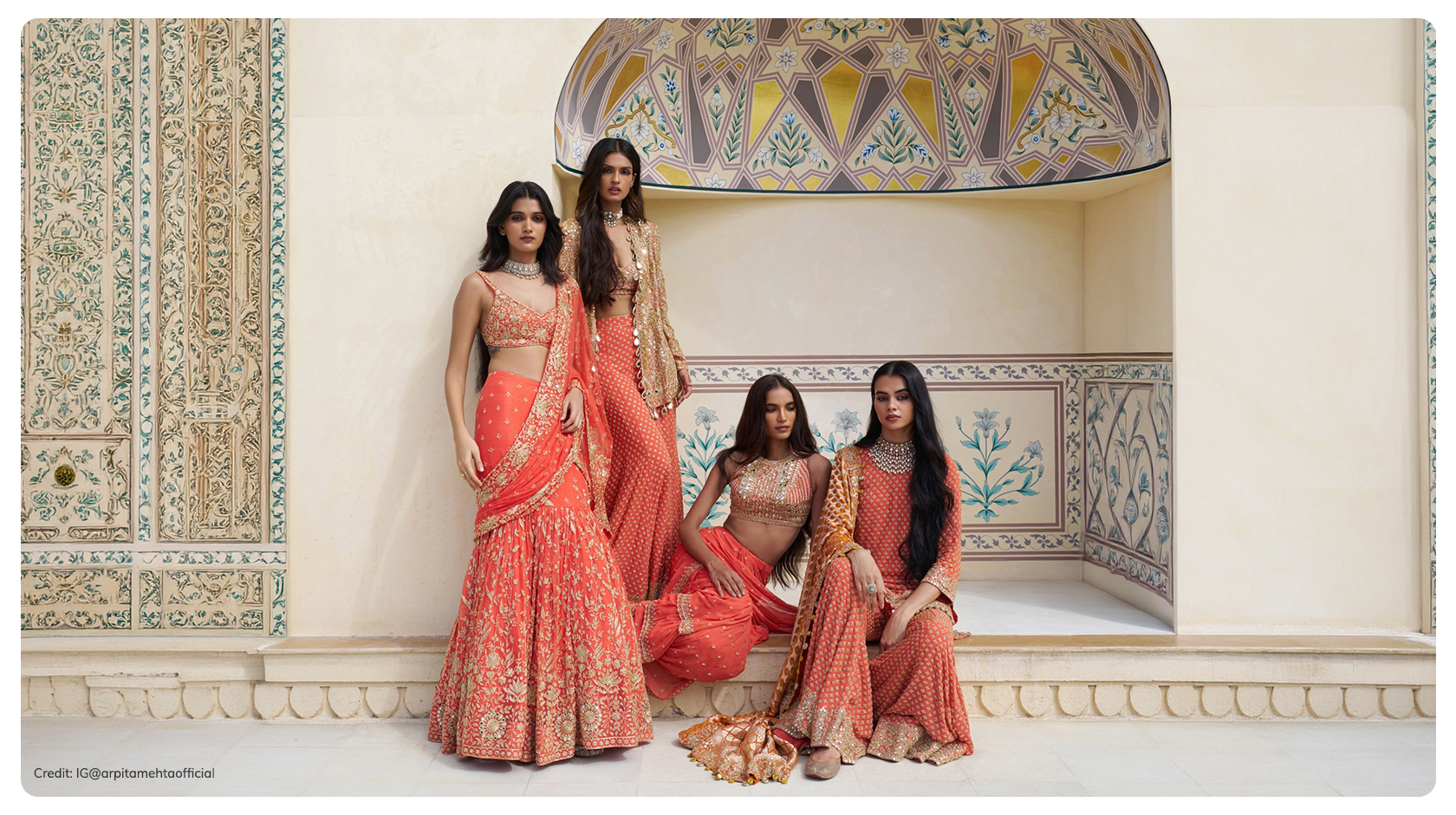


India is a country that delights the senses, and nowhere is this more apparent than in its explosion of color. From the spices in a bustling market to the intricate designs of a handwoven textile, vibrant hues are at the heart of Indian life. These colors are more than just decoration; they are a language, rich with meaning, symbolism, and history. In Indian culture, colors carry deep spiritual and emotional significance, influencing everything from religious ceremonies to the clothes we wear for our most important celebrations.
Understanding this color palette is key to appreciating the depth of Indian fashion. Each shade tells a story, setting the tone for an occasion and reflecting a long-standing tradition. This guide will explore the meaning behind the most prominent colors in India and show you how they come to life in the beautiful garments we treasure.
The Meaning of Popular Colors in Indian Culture
Let's decode the vibrant stories told by India’s most beloved colors and see how they are woven into fashion.
Red: The Color of Love, Power, and New Beginnings

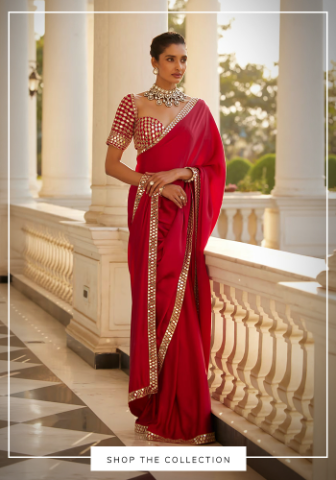
Red is perhaps the most powerful and auspicious color in Indian tradition. It represents love, passion, fertility, and prosperity. This is why it is the quintessential color for brides. An Indian bride often wears a red lehenga or saree on her wedding day, as the color is believed to bring good fortune and a happy married life. Red is also linked to Shakti, the divine feminine energy, and is the color of the goddess Durga, symbolizing strength and protection. You'll see red used in many religious ceremonies, from the sindoor that married women wear to the powder used in temple rituals.
Yellow: The Color of Joy, Purity, and Knowledge
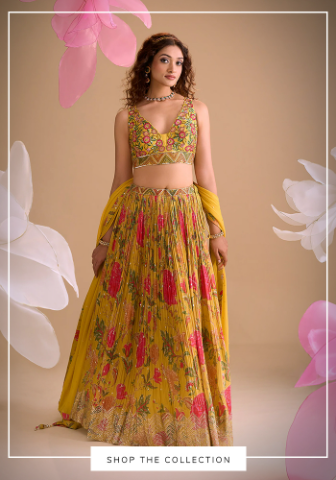
Bright and cheerful, yellow is the color of happiness, knowledge, and learning. It is associated with Lord Vishnu and the goddess Saraswati, who represents wisdom and the arts. Yellow is a color of purity and is central to the Haldi ceremony before a wedding, where a turmeric paste is applied to the bride and groom for blessings and a beautiful glow. Wearing a yellow outfit, like a floral printed lehenga from Aza Fashions, is perfect for daytime events, spring festivals like Basant Panchami, and any celebration that marks a fresh start. It brings a sense of optimism and light to any occasion.
Green: The Color of Nature, Growth, and Harmony
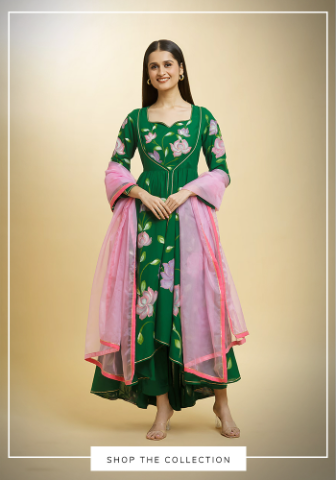
Green symbolizes life, new beginnings, and the natural world. It represents fertility, growth, and harmony, making it a popular choice for celebrations of new life and marriage. In many parts of India, brides wear green bangles to symbolize prosperity and a long, happy life with their partners. Green is also connected to the heart chakra, representing love and emotional balance. A beautiful green saree or Anarkali is an excellent choice for a Mehndi ceremony, where the connection to nature and new beginnings is celebrated.
Blue: The Color of Divinity, Courage, and Truth
Blue is the color of the vast sky and the deep ocean, representing divinity, bravery, and inner strength. In Hindu mythology, many powerful deities like Lord Krishna and Lord Rama are depicted with blue skin. This symbolizes their infinite nature, compassion, and ability to handle great challenges with calm and resolve. Lord Shiva is also associated with blue, specifically his blue throat, which represents his act of swallowing poison to save the universe. In fashion, shades of blue, from deep navy to bright teal, bring a sense of regal elegance and spiritual depth. A blue embroidered saree or sherwani from Aza Fashions is a sophisticated choice for evening receptions and formal gatherings.
Saffron: The Color of Spirituality and Sacrifice
Saffron, a deep and radiant orange, is considered one of the most sacred colors in India. It represents fire, which is believed to burn away impurities and lead to spiritual enlightenment. This is the color worn by monks and holy men who have renounced worldly life, symbolizing their devotion and sacrifice. Saffron flags fly atop temples, signifying faith and Dharma. In fashion, this vibrant hue brings a sense of energy and piety, making it a wonderful choice for religious festivals like Navratri or pujas.
White: The Color of Peace, Purity, and Mourning
White holds a dual meaning in Indian culture. On one hand, it symbolizes purity, peace, and simplicity. It is the color of knowledge and is often worn during spiritual practices or visits to the temple for its calming effect. On the other hand, white is also the color of mourning. In many Hindu traditions, it is worn to funerals to represent detachment and a state of transcendence. However, in regions like South India and for certain communities, an off-white or cream saree with a gold border is considered highly auspicious for weddings. An elegant gharara suit or simple kurta in white can look incredibly graceful and serene.
Black: The Color of Protection and Modern Elegance
Traditionally, black was seen as an inauspicious color and was avoided during weddings and religious ceremonies. It was associated with negative energy, and a small black dot, or kaala teeka, was often placed on babies to ward off the evil eye. Over time, this perception has changed dramatically in the world of fashion. Black is now celebrated for its elegance, sophistication, and versatility. A black embroidered lehenga or a sleek black saree is a popular choice for modern events like cocktail parties and sangeets, offering a look that is both timeless and chic.
Colors of Royalty in Indian Tradition
While the West often associates purple with royalty, India has its own palette of power. Deep reds, maroons, and rich ochres have historically been the colors of kings and queens, symbolizing wealth, status, and authority. Maharajas and nobles wore lavish garments in these hues to signify their power. Today, this legacy continues in bridal wear, where a maroon velvet Anarkali or a deep red sherwani from Aza Fashions can make you feel truly royal.
Every Color Tells a Story
In India, the colors you wear are a form of expression. They are a way to share your mood, your intention, and your connection to a rich cultural heritage. From the joyful powders of Holi to the deep red of a bridal lehenga, color is a language understood by all.
When you choose an outfit, you are not just picking a color—you are embracing a story that has been told for centuries. By understanding the meaning behind these beautiful hues, you can dress for any occasion with greater purpose and style. Explore the vibrant collections at Aza Fashions and wear these stories with pride.

