



Close your eyes and imagine the rich sound of a conch shell echoing through a vibrant courtyard. Picture women creating rhythmic ululation sounds while draped in stunning white sarees with deep red borders. If you have ever attended a wedding in West Bengal, this vivid scene will feel instantly familiar. A Bengali wedding is a spectacular celebration of art, food, deep family roots, and beautiful rituals.
Whether you are preparing for your own marriage, attending a friend's ceremony, or simply curious about Indian cultures, understanding these customs adds joy to the experience. We have created this comprehensive guide to help you navigate the beautiful wedding rituals in West Bengal.
In this post, you will learn about the cultural significance of these ceremonies and explore the step-by-step rituals that unite two families. We will also show you how to find the perfect traditional Bengali outfits and elevate your festive wardrobe with stunning Aza Fashions ethnic wear.
The Cultural Significance of Bengali Weddings
Bengali wedding traditions represent much more than a legal union between two people. They serve as a grand gathering that honors ancestors, respects elders, and celebrates community bonds. Every single ritual holds a specific meaning, deeply rooted in Vedic traditions and local folklore.
Unlike many other regional weddings that focus heavily on modern party elements, weddings in West Bengal maintain a strong grip on their artistic and spiritual heritage. You will notice a massive emphasis on floral decorations, traditional music, and incredibly detailed cultural practices. The families follow auspicious timings strictly, ensuring the couple begins their new journey under the best possible astrological conditions.
Food also plays a monumental role in these celebrations. Bengalis are famous for their love of rich, flavorful meals, and the wedding feast reflects this passion. From fresh fish dishes to famous local sweets like rasgulla and Sandesh, the culinary experience brings everyone together in pure joy.
Pre-Wedding Rituals in West Bengal
The celebration begins long before the actual wedding day. Families kick off the festivities with a series of heartwarming pre-wedding rituals.
Aashirbaad (The Blessing Ceremony)
The Aashirbaad marks the official acceptance of the bride and groom by their respective new families. The groom's family visits the bride's home, and the bride's family visits the groom. Elders sprinkle husked rice and trefoil leaves on the heads of the couple to offer their blessings. They also present gifts like gold jewelry, new clothes, and traditional sweets. This event solidifies the bond between the two households.
Aai Budo Bhaat (The Last Unmarried Meal)
This beautiful tradition celebrates the bride and groom's final meal as unmarried individuals in their respective homes. Relatives prepare a massive feast featuring the couple's favorite dishes. Family members sing traditional songs and feed the bride or groom by hand. It is an emotional and joyful day that highlights the love and pampering of the family before the wedding responsibilities begin.
Gaye Holud (The Turmeric Ceremony)
The Gaye Holud is the Bengali equivalent of the Haldi ceremony. It takes place on the morning of the wedding. First, the groom's family applies turmeric paste to the groom. Then, they send the remaining paste, along with gifts and an entire decorated fish, to the bride's house. The bride's family then applies this same turmeric paste to her. This ritual purifies the skin, gives the couple a natural glow, and wards off negative energy.
The Main Wedding Rituals in West Bengal
When the evening arrives, the main wedding rituals in West Bengal take center stage. These ceremonies are visually stunning and deeply emotional.
Bor Jatri and Boron (Welcoming the Groom)
The groom arrives at the wedding venue accompanied by his family and friends, known as the Bor Jatri. The bride's mother welcomes him to the entrance in a ritual called Boron. She holds a bamboo tray featuring a lit lamp, sweets, and auspicious items. She touches the tray to the groom's forehead to bless him and welcomes him into the venue.
Shubho Drishti and Mala Badal (The First Look)
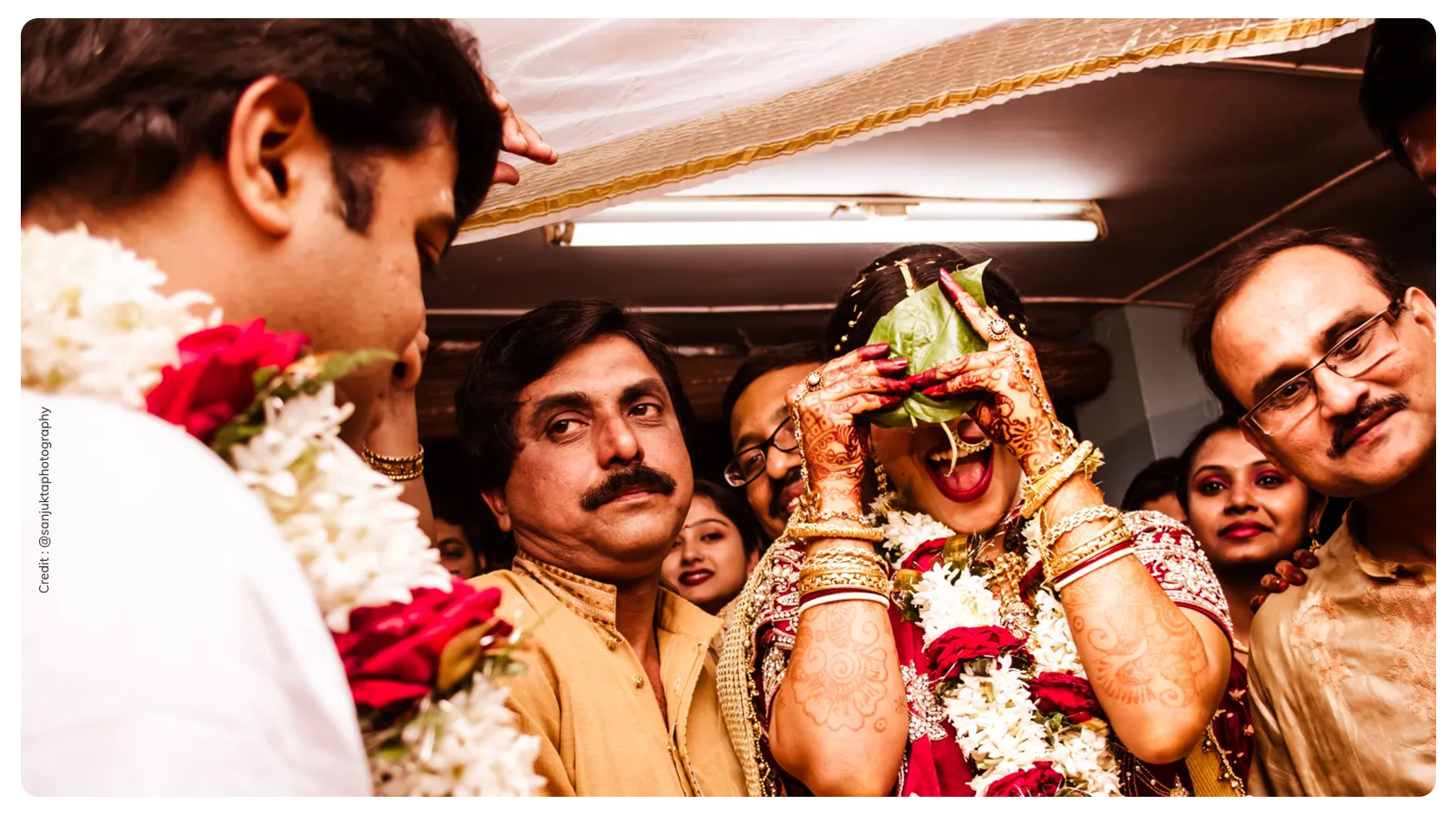
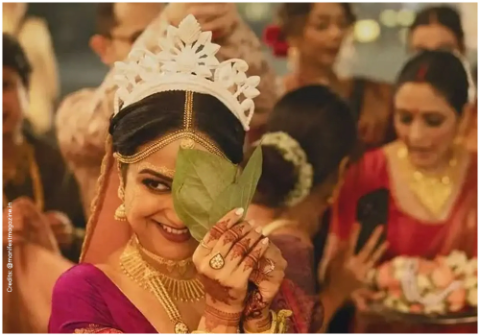
This is arguably the most famous and romantic part of Bengali wedding traditions. The bride enters the mandap sitting on a low wooden stool, carried by her brothers. She keeps her face covered with two betel leaves. She is then carried around the groom seven times.
After the seven rounds, she lowers the betel leaves, and the couple looks at each other directly for the first time during the ceremony. This beautiful moment is the Shubho Drishti. Immediately after, they exchange floral garlands three times in a fun and playful ritual known as Mala Badal.
Saat Paak and Sampradaan
During the Sampradaan, an elder male member of the bride's family officially gives her hand to the groom. The priest ties a sacred thread joining their hands, symbolizing their eternal bond. Following this, the couple walks around the holy fire seven times. These seven steps, or Saat Paak, represent the seven sacred vows they make to each other for a happy, supportive, and faithful married life.
Sindoor Daan (Applying the Vermilion)
The wedding concludes with the Sindoor Daan. The groom applies bright red vermilion powder (sindoor) to the parting of the bride's hair. This mark serves as the ultimate symbol of a married Hindu woman. The groom usually applies it using a gold coin or a traditional ring. Once this ritual is complete, the couple is officially married.
Post-Wedding Traditions
The celebrations do not end when the couple leaves the mandap. A few more traditions help the bride transition into her new life.
Bidaay (The Farewell)
The Bidaay is a tearful and emotional farewell. The bride leaves her parents' home to start her new life with her husband. Before stepping out, she throws a handful of rice over her shoulder into her mother's hands. This gesture symbolizes that she is repaying her parents for everything they have given her and wishing them endless prosperity.
Bou Bhaat (The Grand Reception)
A day or two after the wedding, the groom's family hosts a grand reception known as the Bou Bhaat. On this day, the bride serves food to her new family members. The groom also hands her a plate of food and some new clothes, taking a vow to take care of her basic needs for the rest of their lives. The evening transforms into a massive celebration with extended family and friends.
Finding Traditional Bengali Outfits
The attire worn during a Bengali wedding is iconic. Traditional Bengali outfits focus on rich fabrics, deep colors, and intricate heritage jewelry.
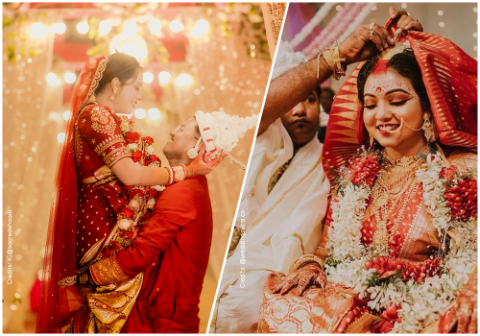
For the bride, a pure Banarasi silk saree is an absolute must. While modern brides experiment with colors, traditional red, maroon, or pink remain the top choices. The saree features heavy gold zari work that catches the light beautifully. The bride also wears a delicate white crown made of shola pith, known as a Mukut, and decorates her forehead with elaborate red and white sandalwood paste designs.
The groom typically wears a classic Dhoti Kurta. The kurta is usually made of fine silk in shades of cream, gold, or white. He pairs it with a neatly pleated dhoti and drapes a traditional shawl called a Chadar over his shoulder. Like the bride, the groom wears a conical shola pith headgear called a Topor, which gives him a regal appearance.
Elevate Your Style with Aza Fashions Ethnic Wear
Attending a Bengali wedding requires a wardrobe that respects cultural traditions while allowing you to look incredibly stylish. Finding the right balance between heritage and modern fashion is key. This is where Aza Fashions ethnic wear steps in to help you curate the perfect wedding wardrobe.
If you are a bride looking for exquisite pre-wedding outfits, explore the massive collection of lightweight designer lehengas and Anarkali suits. A bright yellow or mustard outfit is perfect for your Gaye Holud ceremony. For the wedding guests and family members, Aza Fashions offers an unmatched selection of designer sarees. You can choose from rich silk sarees, elegant georgette drapes, or heavily embroidered pieces that match the grandeur of a West Bengal wedding.
Grooms and groomsmen will also find incredible options. Step away from ordinary kurtas and discover luxurious silk kurta sets, heavily embroidered Nehru jackets, and tailored sherwanis. Aza Fashions brings together the best designers in the country, ensuring you have access to premium fabrics, flawless fits, and stunning craftsmanship.
Final Thoughts on the Grand Celebration
Bengali wedding traditions offer a mesmerizing glimpse into a culture that deeply values love, family, and art. From the emotional Aai Budo Bhaat to the romantic Shubho Drishti, every moment carries a profound meaning. Participating in these rituals is an unforgettable experience that stays with you forever.
As you prepare for the upcoming festivities, remember that your outfit plays a massive role in how you experience the events. When you wear high-quality, beautifully designed clothes, you feel confident and ready to celebrate.
Embrace the joy, enjoy the incredible food, and look your absolute best. Explore the stunning collections at Aza Fashions today to find the perfect traditional outfits for your next unforgettable wedding celebration.

