


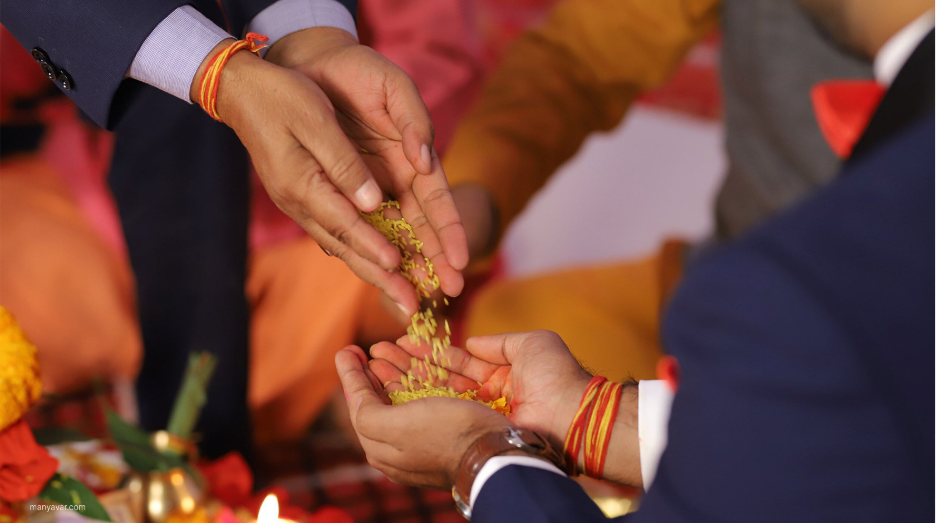
Indian weddings are a tapestry of vibrant rituals, each woven with deep cultural meaning and emotional significance. Among the many pre-wedding events that build up to the big day, the Tilak ceremony holds a special place. It is often considered the first official step towards the union of two families, marking the acceptance and blessing of the groom.
For families navigating the beautiful chaos of wedding planning, understanding these traditions adds a layer of depth to the celebration. The Tilak ceremony is not just a ritual; it is a promise of respect, love, and a lifelong bond.
In this guide, we will explore the rich history, the heartwarming rituals, and the modern significance of the Tilak ceremony. We will also help you navigate the fashion choices for this auspicious day, ensuring the groom and his family look their traditional best.
What is the Tilak Ceremony?
The Tilak ceremony is primarily a Hindu tradition observed in many parts of North India. It is a groom-centric event, usually held at the groom's residence. Historically, this ceremony was the formal engagement where the bride’s family would visit the groom’s home to officially accept him as their future son-in-law.
While engagement rings have become popular in modern times, the Tilak remains the traditional seal of approval. The name of the ceremony comes from the 'tilak' or 'tika'—a mark of vermilion or sandalwood paste applied on the groom's forehead. This simple red mark symbolizes auspiciousness, good fortune, and the beginning of a new chapter in his life.
The Cultural Significance and Meaning
In the grand timeline of Indian wedding pre-wedding rituals, the Tilak serves as the bridge between the two families. It is one of the few ceremonies where the bride is typically not present (though this is changing in modern adaptations), making it a unique bonding moment between the bride's male relatives and the groom.
A Bond of Respect
The ceremony is rooted in respect. By visiting the groom’s house, the bride’s father and male relatives show their honor and regard for the groom's family. It signifies that they trust the groom to care for their daughter and welcome him into their fold.
Blessings for the Future
The application of the tilak is not merely cosmetic. In Hindu culture, the forehead is considered the seat of wisdom and consciousness. Applying the tilak is a way of invoking divine blessings for the groom, praying for his wisdom, prosperity, and success as he prepares to become a husband and a householder.
Tilak Ceremony Traditions and Rituals
While customs can vary significantly based on region and community—for example, a Punjabi Roka might differ slightly from a Bihari Tilak—the core essence remains the same. Here is a look at the common Tilak ceremony traditions.
1. The Arrival
The ceremony begins with the arrival of the bride's father, brothers, and uncles at the groom's home. They are warmly welcomed by the groom's family, often with flower garlands and refreshments, setting a tone of hospitality and unity.
2. The Prayer (Puja)
Before the main ritual, a small puja (prayer service) is often conducted to seek the blessings of Lord Ganesha, the remover of obstacles. This ensures that the wedding proceedings move forward without any hurdles.
3. Applying the Tilak
This is the heart of the event. The bride's father (or closest male guardian) applies the tilak on the groom’s forehead using kumkum (vermilion) or chandan (sandalwood paste). Unbroken rice grains (akshat) are often placed on top of the tilak, symbolizing abundance and growth.
4. Exchange of Gifts (Shagun)
Following the tilak, the bride's family presents gifts to the groom. These gifts, known as Shagun, typically include:
- Clothes: Traditional outfits or fabrics.
- Sweets: Boxes of mithai and dry fruits.
- Coconut: A symbol of fertility and purity.
- Jewelry or Cash: As a token of prosperity.
In return, the groom's family also sends gifts for the bride, conveying their acceptance and love for her.
5. The Feast
Like all Indian celebrations, the ceremony concludes with a lavish feast. It is a time for the men of both families to mingle, break bread, and build the camaraderie that will carry through the rest of the wedding festivities.
Dressing for the Occasion: Tilak Ceremony Outfits
Since the Tilak is a semi-formal, traditional event, the attire should reflect elegance and cultural heritage. It is usually the groom's first major appearance in the wedding timeline, so looking sharp is non-negotiable.
For the Groom
The groom is the star of the show, and his outfit should command attention while remaining respectful of the tradition.
- Classic Kurtas: A silk or cotton silk kurta in rich colors like mustard, maroon, or royal blue is a timeless choice. Pair it with a churidar or a dhoti for an authentic look.
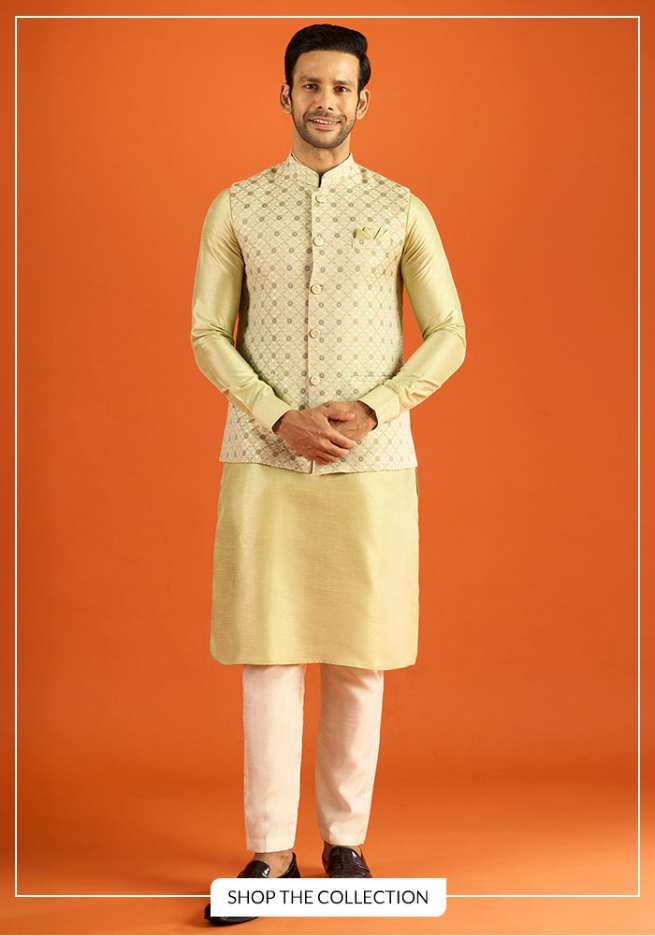
- Nehru Jackets: Adding a structured Nehru jacket over a kurta set instantly elevates the look. You can opt for a jacket with subtle embroidery or a bold print to add personality.

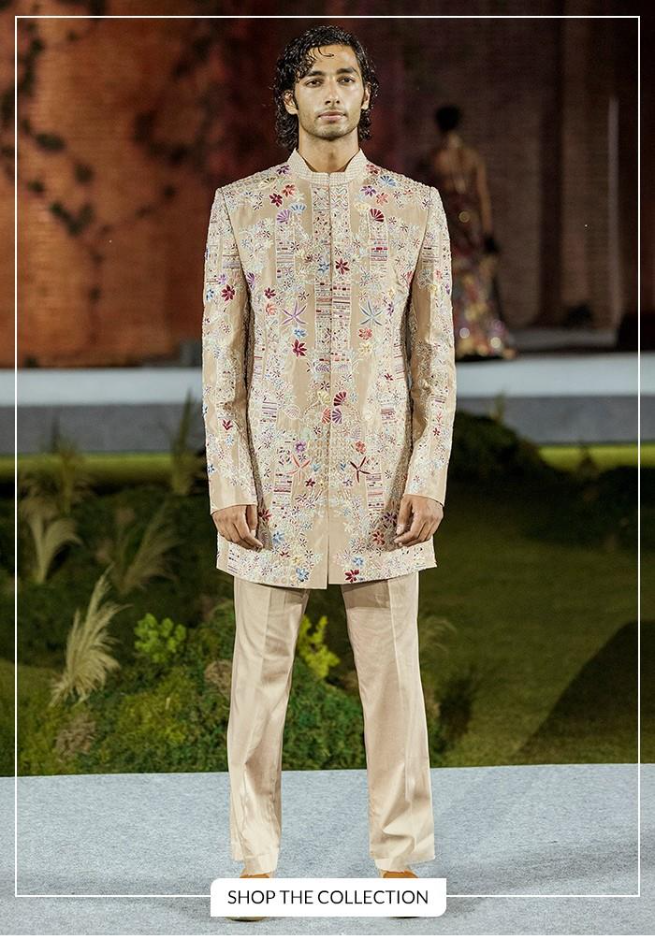
- Simple Sherwanis: While heavy sherwanis are usually reserved for the wedding day, a lighter, less embellished sherwani is perfect for the Tilak.
For the Family
The fathers and brothers usually coordinate their looks.
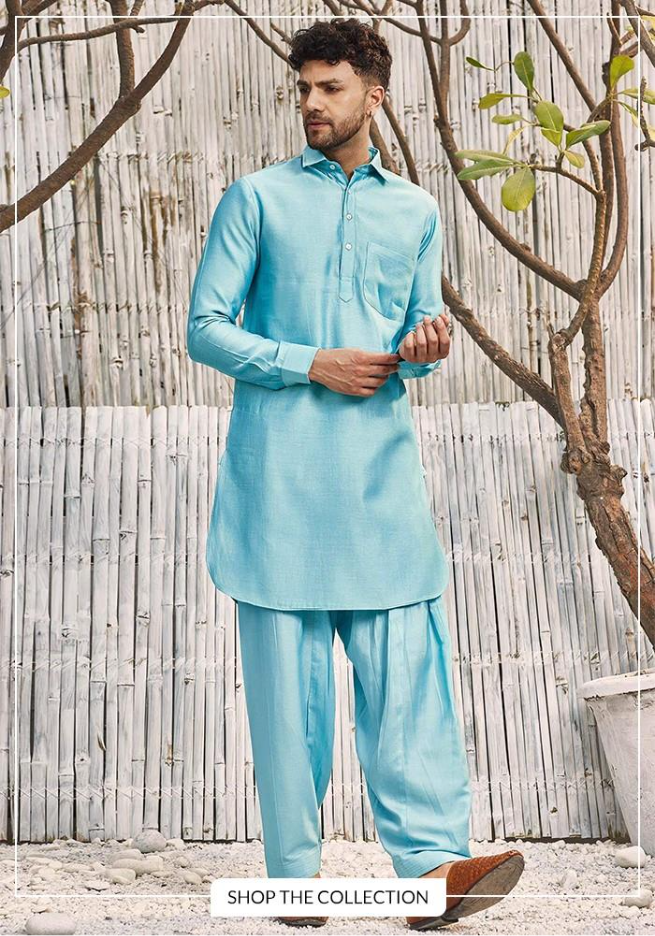
- Pathani Suits: These offer a masculine and traditional silhouette that is comfortable for mingling and hosting.
- Bandhgalas: A Jodhpuri suit or Bandhgala exudes sophistication and authority, making it a great choice for the fathers of the bride and groom.

Elevate Your Pre-Wedding Look with Aza Fashions
Finding the perfect balance between tradition and modern style can be challenging. Whether you are the groom looking for Tilak ceremony outfits that make a statement, or a family member seeking elegant ethnic wear, Aza Fashions is your ultimate destination.
We curate the finest menswear from India's leading designers, offering you a range of choices from classic handwoven textiles to contemporary cuts. Our collection ensures that you honor your traditions while looking effortlessly stylish.
- Explore our range of designer kurtas perfect for intimate rituals.
- Discover structured jackets that add a layer of sophistication.
- Find coordinated sets that make family photos look picture-perfect.
Conclusion
The Tilak ceremony is a beautiful reminder that a wedding is not just about two individuals, but about the coming together of two lineages. It is a day of blessings, promises, and the joyous acceptance of new relationships. As the tilak is applied, it marks the beginning of a festive journey that leads to the wedding altar.
As you prepare for this auspicious day, let your attire reflect the joy and sanctity of the occasion. Dress in a way that honors your roots and celebrates your future.

