


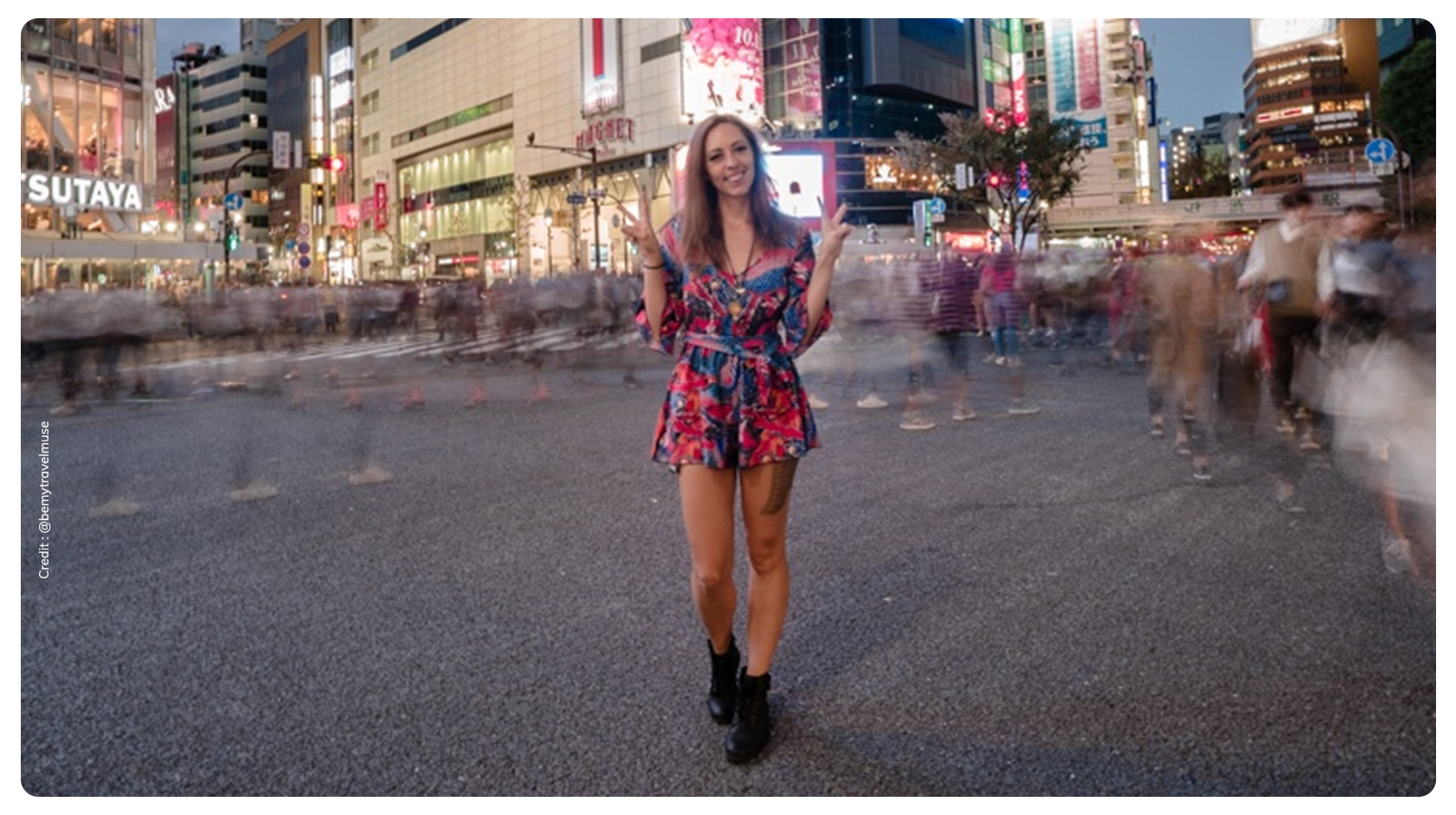
Tokyo's fashion-forward culture and variable climate call for Indian ethnic wear that is polished, detail-conscious, and seasonally considered. Choose structured kurta sets and Anarkali sets for daytime events, silk sarees and embroidered lehengas for ceremonies, and Indo-Western gowns or pre-draped sarees for evening receptions. Fabric choice should track the season closely.
Tokyo is one of the most aesthetically deliberate cities on earth. Its residents approach dressing with the same care they bring to everything else—and that standard extends to guests. For an Indian destination wedding in Tokyo, this is an advantage. Indian ethnic wear, with its intricate embroidery, considered draping, and range of silhouettes, translates exceptionally well to Tokyo's refined visual sensibility. The challenge lies in dressing for a city where the setting shifts between rooftop gardens, contemporary event spaces, and traditional Japanese venues—and where the weather can swing dramatically between a humid August and a crisp November.

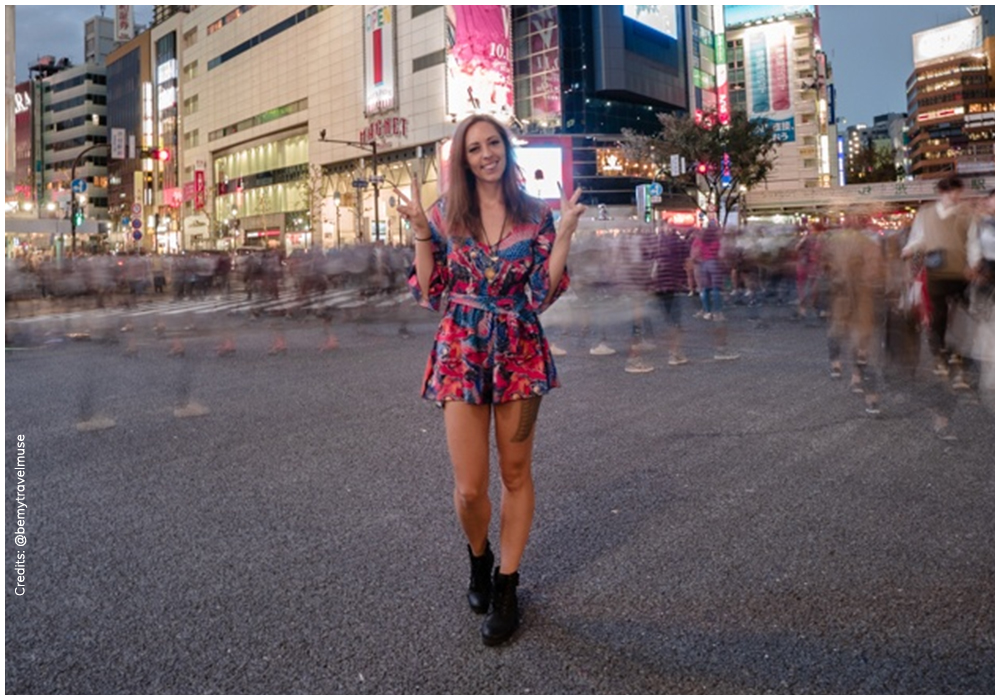
This guide covers what to wear across every event type, with outfit and fabric recommendations built around Tokyo's climate and the particular demands of its venue landscape.
How Does Tokyo's Climate Affect Indian Outfit Choices?
Tokyo experiences four distinct seasons. Summers (June–August) are hot and humid, with temperatures regularly exceeding 32°C. Autumn (September–November) is mild and golden, averaging 15–22°C. Winters are cold and dry, often dropping below 5°C. Spring (March–May) sits between the two extremes, with temperatures ranging from 10–18°C.
The practical implication: a single fabric strategy won't work across the year. Lightweight georgette and chiffon are summer essentials; silk, structured crepe, and heavier organza carry you through autumn and winter. Layering is rarely necessary in summer but becomes important from October onwards.
What to Wear for Daytime and Pre-Wedding Events in Tokyo
Tokyo's pre-wedding gatherings—garden brunches, city walks through Harajuku or Yanaka, informal tea ceremonies, or afternoon hotel events—reward dressing that is vibrant but composed.
Kurta Sets
A well-cut kurta set works across nearly every daytime setting in Tokyo. In summer, opt for breathable cotton-silk or printed georgette. In cooler months, structured silk or crepe kurtas paired with wide-leg palazzos or cigarette pants read as both elegant and weather-appropriate. Tokyo's aesthetic appreciates clean silhouettes and precise tailoring—avoid overly busy prints in favour of tonal embroidery or block colours.
Anarkali Sets
For semi-formal daytime functions—a mehendi brunch or a pre-ceremony gathering at a garden venue—a fitted Anarkali set in mid-weight silk or crepe is a natural choice. The silhouette is graceful without being high-maintenance, which makes it well-suited to Tokyo's more contemporary event spaces.
What to Wear to a Wedding Ceremony in Tokyo
Ceremony venues in Tokyo span the full range—from sleek modern ballrooms in Shinjuku and waterfront event spaces in Odaiba to traditional Japanese gardens in Kyoto or Kamakura. Across all of these, structured embellishment and refined fabric choices photograph best.
Sarees
A silk or organza saree is an elegant choice for Tokyo's ceremony settings. In summer, lightweight silk georgette or chiffon sarees in jewel tones—deep teal, coral, or gold—are manageable and striking. For autumn and winter ceremonies, a heavier Kanjeevaram or Banarasi silk in rich midnight blue, burgundy, or forest green photographs beautifully against Tokyo's gardens and contemporary interiors.
Lehengas
A structured lehenga works particularly well for Tokyo ceremonies. In cooler months, heavier skirts in brocade or embroidered silk complement the season without any discomfort. In summer, opt for a lighter georgette or organza lehenga with fine embroidery. Tokyo's photography-rich venues—rooftop gardens, bamboo-lined paths, minimalist interiors—reward outfits with strong visual definition.
What to Wear to an Evening Reception in Tokyo
Evening receptions in Tokyo tend toward sophistication. Whether the setting is a rooftop garden with city views or a private dining room in a luxury hotel, the atmosphere calls for elevated dressing.
Gowns
An Indo-Western gown in structured crepe, satin, or velvet is a natural fit for Tokyo's evening reception culture. Floor-length silhouettes with fine embroidery or hand-beading align with the city's appreciation for craftsmanship. For winter events, a velvet gown with long sleeves is both warm and visually arresting under evening light.
Pre-Draped Sarees
A pre-draped saree in organza or structured net offers the formality of a saree with the ease of a stitched silhouette—a practical advantage during a long reception evening involving dinner and dancing. The fixed drape holds its shape through the full event, requiring no adjustment.
For a summer reception, a kaftan in silk or printed georgette is a lighter alternative that still reads as intentionally dressed.
Packing Tips for Dressing Well in Tokyo
- Match fabric weight to the season. Chiffon and georgette for summer; silk, crepe, and velvet for autumn and winter.
- Pack a light layer for summer evenings. Rooftop venues and open gardens can feel breezy after dark, even in July.
- Choose footwear suited to varied terrain. Traditional Japanese venues often involve stepping across stone paths or removing shoes at the entrance. Embellished block heels or pointed-toe flats are more practical than stilettos.
- Protect embroidered pieces in transit. Wrap heavily embellished garments flat in muslin to prevent snags. Tokyo hotels typically offer steaming services.
- Edit your palette toward depth. Rich jewel tones and considered neutrals sit well against Tokyo's architectural backdrops—from timber and stone gardens to sleek contemporary interiors.
Browse Aza Fashions' Celebration Closet edit for curated destination-wedding looks across categories.
Dress for the Setting, Not Just the Season
Tokyo rewards guests who arrive with intention. Indian ethnic wear—its embroidery, its fabric range, its silhouette variety—is genuinely well-suited to a city that values visual craft at every level. The key is aligning each outfit with the specific venue, the temperature on the day, and the format of the event. Done well, Indian ethnic wear in Tokyo doesn't just work—it stands out in the best possible way.
Explore Aza Fashions' full range of sarees, lehengas, gowns, Anarkali sets, kurta sets, and kaftans to build your Tokyo wardrobe.
Frequently Asked Questions
What is the best Indian outfit to wear to a wedding ceremony in Tokyo?
A silk or Kanjeevaram saree, or a structured lehenga in brocade or embroidered silk, are the strongest choices for formal Tokyo ceremonies. Both silhouettes hold their form well and photograph beautifully across the city's range of traditional and contemporary venues.
Can I wear a saree in Tokyo in winter?
Yes—with the right fabric. A heavier silk or organza saree paired with a full-sleeved blouse will hold warmth through a winter ceremony. Keep a pashmina or embroidered shawl on hand for outdoor moments.
What should I wear for daytime sightseeing in Tokyo during a destination wedding trip?
Tailored kurta sets in silk or cotton-silk blends, or structured Anarkali sets, are well-suited to Tokyo's daytime setting. In summer, opt for lighter fabrics; in autumn or spring, a mid-weight silk or crepe provides both comfort and polish.
What shoes work best with Indian ethnic wear in Tokyo?
Embellished block heels, pointed-toe flats, or low-heeled sandals are the most practical choices. Some traditional Japanese venues require removing footwear at the entrance, so shoes that slip on and off easily are an advantage.
Where can I shop Indian ethnic wear for a destination wedding in Tokyo?
Aza Fashions offers a curated range of destination-wedding-appropriate Indian ethnic wear suitable for all seasons, including lehengas, sarees, gowns, Anarkali sets, kurta sets, and kaftans. Browse the full collection at azafashions.com.

