
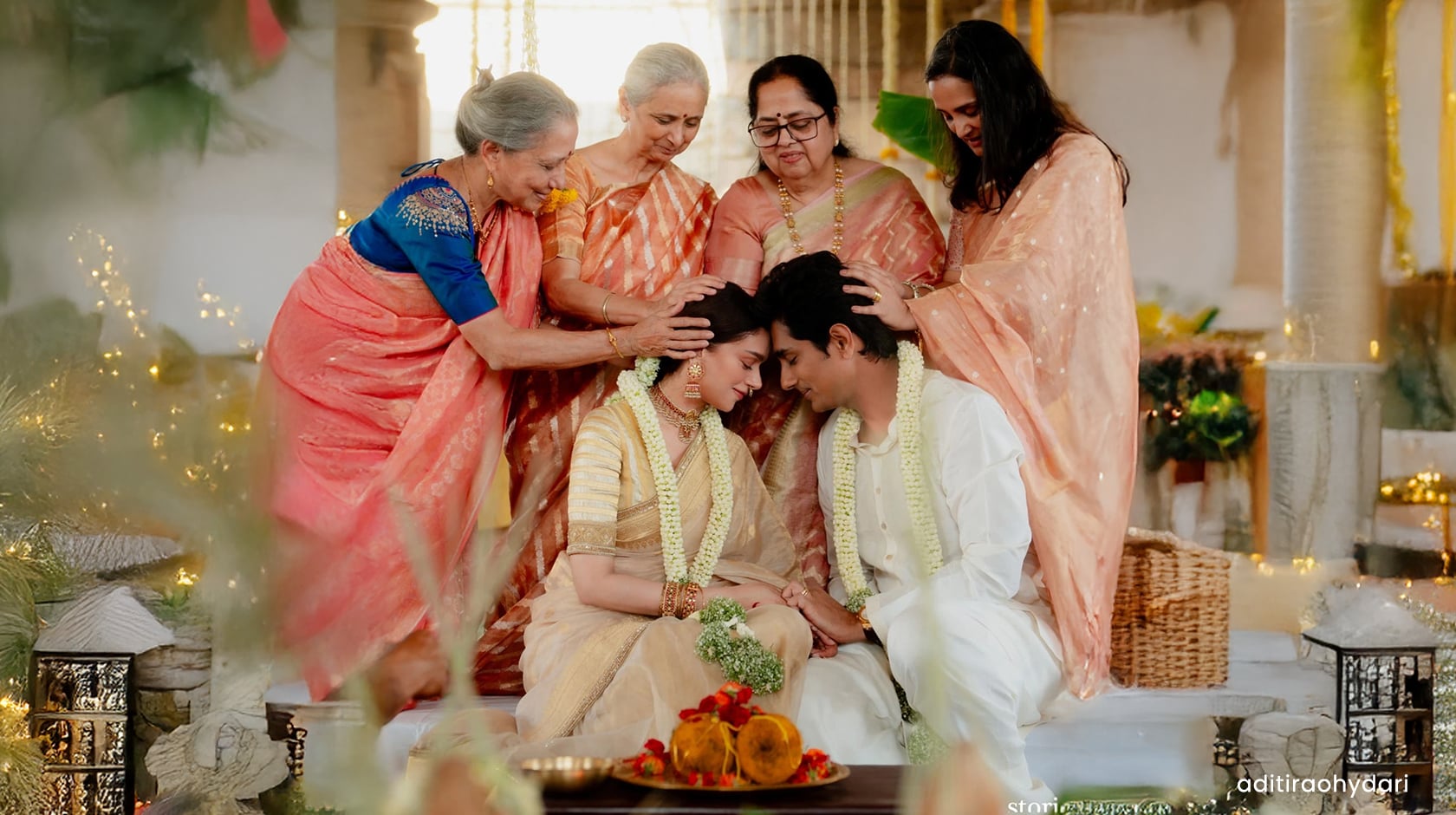
Tamilian weddings are a feast for the eyes, a vibrant tapestry of centuries-old traditions, elaborate rituals, and, of course, absolutely stunning attire. If you’ve received an invitation, you’re in for a memorable cultural experience. But the inevitable question follows: What do I wear?
Fret not! Dressing for a South Indian, particularly a Tamil, wedding is a chance to embrace colour, elegance, and tradition. Here is your comprehensive guide to navigating the wardrobe for this beautiful celebration.
Attending North Indian functions this season too? Lashkaraa's guest edit at Aza covers mehendi through to reception.
The Golden Rules of Tamil Wedding Guest Attire
Before diving into specific outfit suggestions, keep these essential guidelines in mind for any part of the wedding celebration:
- Embrace Colour: Tamil culture celebrates happiness with vibrant hues. Think rich jewel tones—emerald greens, sapphire blues, royal purples, and sunny yellows. The brighter, the better!
- Avoid White and Black (for the Ceremony): In traditional Hindu ceremonies, black is often considered inauspicious, and pure white is traditionally associated with mourning. While modern receptions are more flexible, it's best to avoid these colours for the main wedding ritual.
- Respect the Bride's Colour: The bride will typically wear a stunning red, maroon, or rich gold/yellow Kanjivaram silk saree for the main ceremony. As a courtesy, it’s best for female guests to avoid wearing solid red or a primary shade very close to the bridal outfit.
- Dress Modestly: Ceremonies, especially those held in a temple or a traditional kalyana mandapam (wedding hall), call for modest attire. Shoulders and midriffs should generally be covered, and outfits should not be overly revealing.
- Comfort is Key: Tamil weddings are long affairs! Choose an outfit and footwear you can comfortably sit, stand, and move in for several hours.
For the Ladies: A Symphony of Silks and Styles
Women have a spectacular array of choices, blending traditional grace with contemporary style.
1. The Classic Choice: The Saree

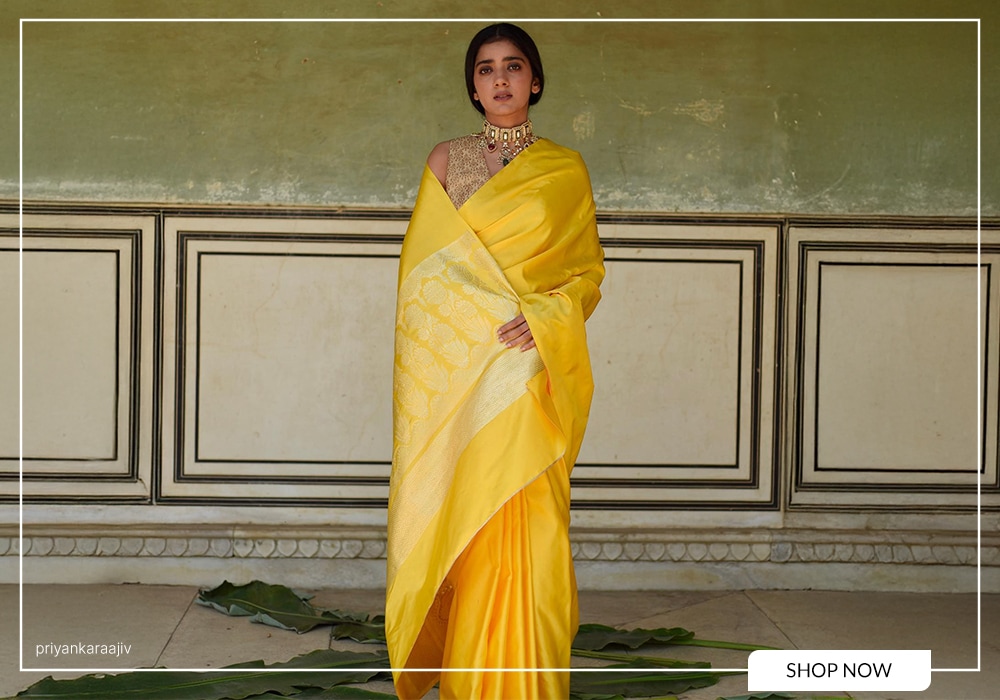
The saree is the quintessential Indian garment and the most appropriate choice for the main wedding ceremony.
- Pattu (Silk) Sarees: In Tamil Nadu, the Kanjivaram (or Kancheepuram) Silk Saree is royalty. Guests wearing a Pattu Saree with rich gold zari work and traditional motifs immediately look wedding-ready and culturally appropriate.
- Fabric and Colour: Opt for silks, raw silks, or heavy silk-cotton blends in vibrant shades. Blues, greens, yellows, and deep pinks are excellent choices.
- Draping: A neatly pleated, traditional style of draping is perfect for the ceremony.
2. The Elegant Alternative: Salwar Kameez, Anarkali, or Lehenga
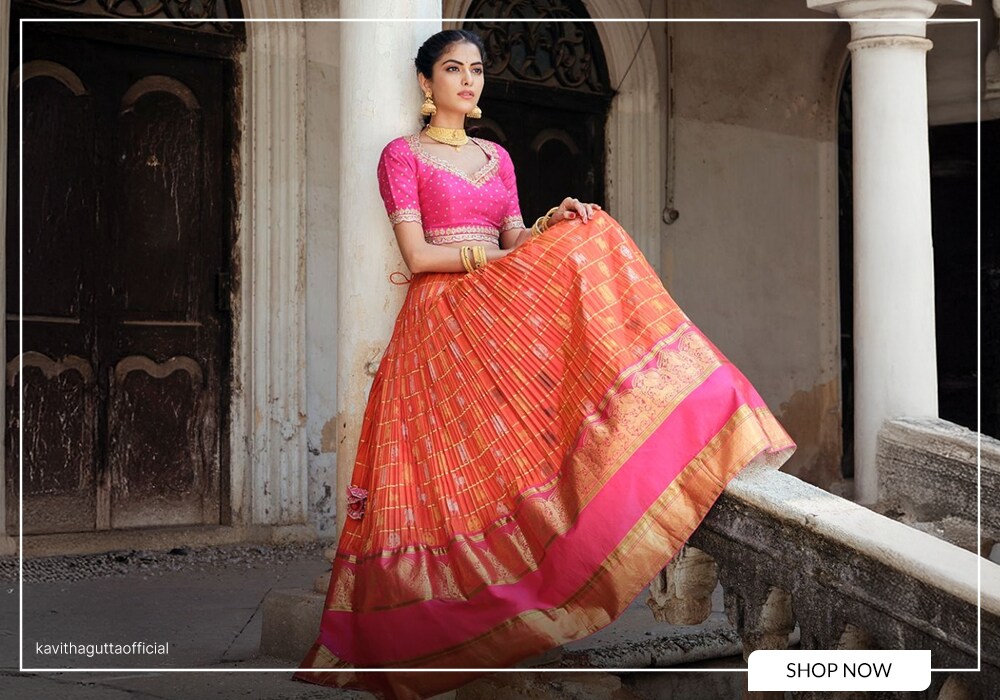
If draping a saree feels daunting, these options offer elegance and comfort.
- Anarkali Suit: This floor-length, flowing gown style is universally flattering and comfortable for all-day wear. Choose one in a rich fabric like silk or georgette with tasteful embroidery or embellishment.
- Lehenga Choli: A long skirt, a fitted blouse (choli), and a dupatta is an incredibly popular choice. For the main wedding, opt for a lehenga made of a luxurious material with traditional embroidery or zari work.
- Salwar Kameez/Palazzo Suit: A beautiful, well-fitted Salwar Kameez (tunic, trousers, and scarf) or a Sharara/Palazzo Suit works well for all events, especially pre-wedding rituals like the Engagement (Nichayathartham) or the Sangeet.
3. Finishing Touches: Accessories and Jewellery
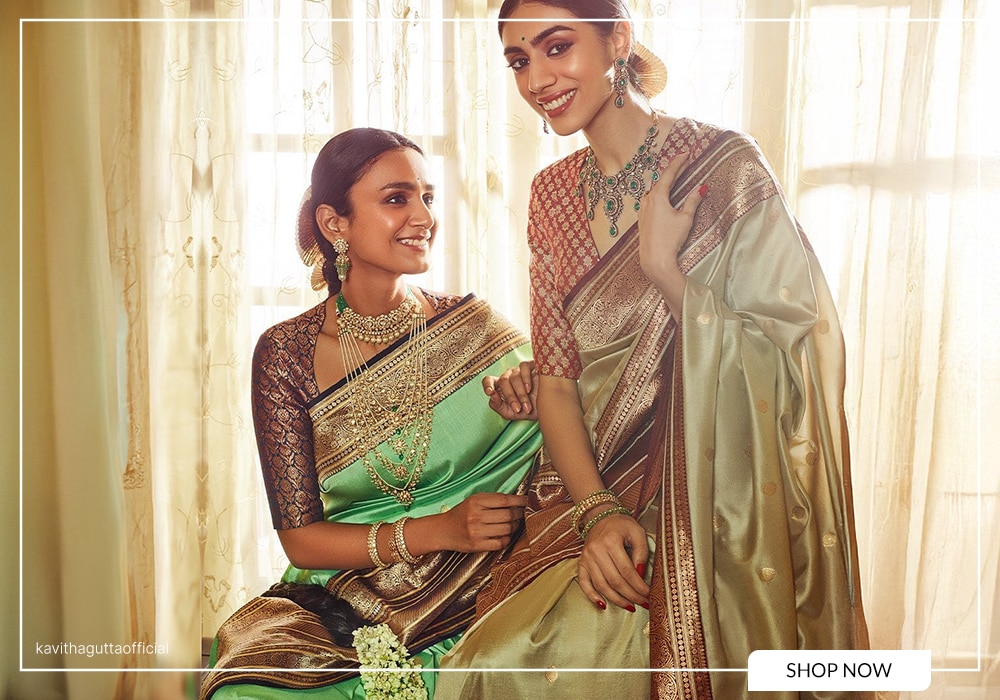
- Jewellery: Indian weddings are the time to showcase statement jewellery. Gold is traditional and highly favored. Wear beautiful long earrings (jhumkas or chandbalis), bangles (the more the merrier!), and a nice necklace set.
- Hair and Makeup: A neat, traditional hairstyle, often adorned with fresh flowers (gajra), is a lovely touch. Keep makeup refined but festive. A Bindi (forehead dot) is a must-have accessory.
- Footwear: Avoid towering heels. Opt for elegant wedges, block heels, or embellished flats you can stand in for a long time.
For the Gentlemen: Classic Attire with a Cultural Nod
Men's attire is generally simpler but should still be festive and respectful.
1. Embracing Tradition: Veshti and Shirt
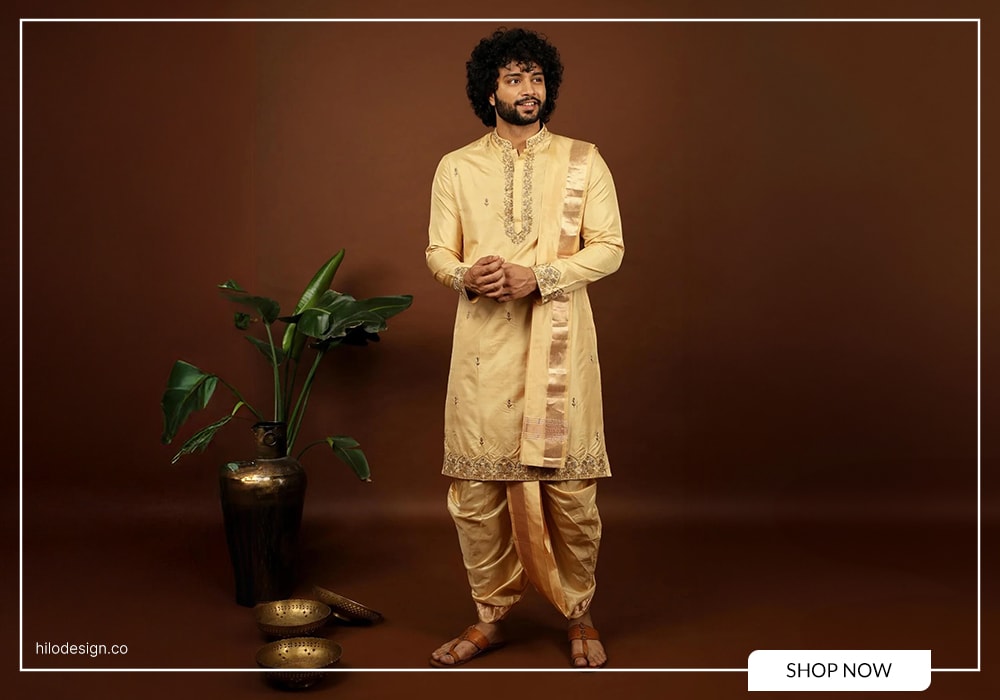
The Veshti (or Dhoti) is the traditional lower garment for Tamil men—a large, white or cream unstitched cloth wrapped around the waist and legs.
- The Look: Pair a pristine white or cream Veshti (often with a coloured or gold border) with a simple but elegant button-down Jubba (shirt) or a Kurta.
- Angavastram: For the most traditional and formal appearance, drape an Angavastram (a small shawl/cloth) over your shoulder. This is the most appropriate and respectful choice for the main ceremony.
2. The Formal Option: Kurta-Pajama or Sherwani
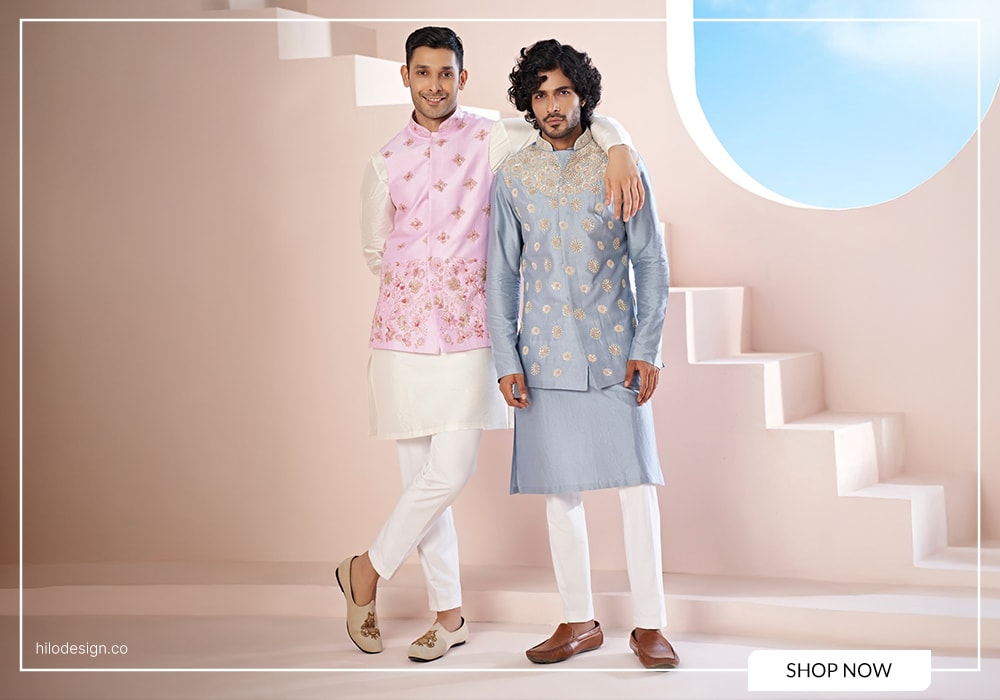
If wearing a Veshti seems too intimidating, a formal Indian suit is a great alternative.
- Kurta-Pajama: A silk or linen Kurta (a knee-length tunic) paired with churidar or pyjama trousers is a sophisticated and easy choice for the main wedding and reception. Choose bright colours like blue, green, or yellow.
- Sherwani: This long, coat-like garment with intricate embroidery is best suited for the evening Reception party, as it can be quite heavy and hot for a daytime wedding.
3. Indo-Western/Western Suit (For the Reception)
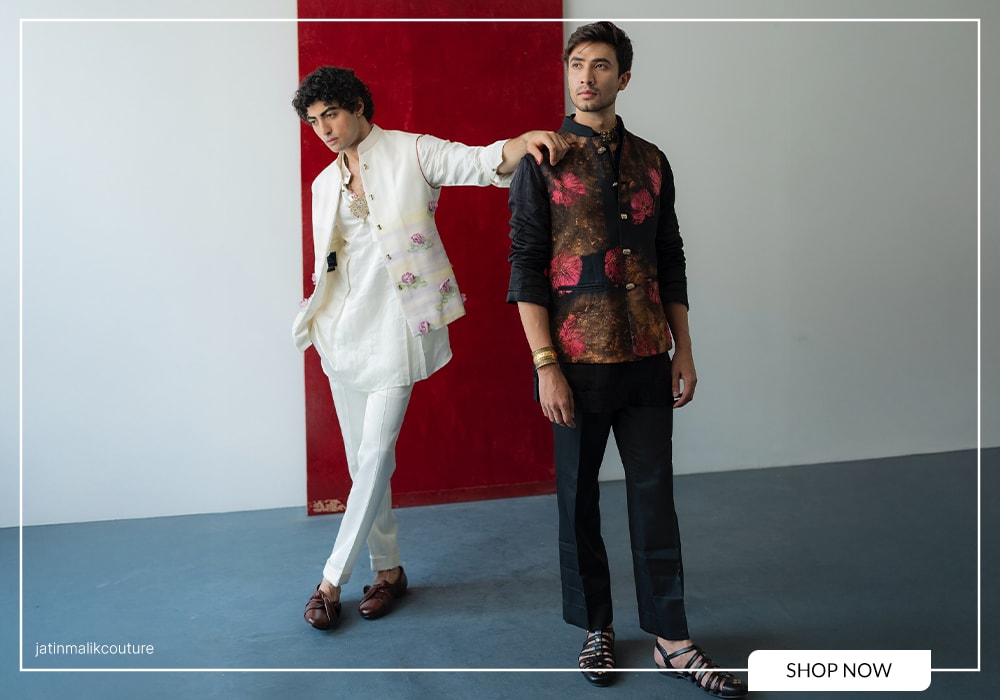
- Reception: While traditional wear is always welcome, a smart Western suit (avoiding black for the ceremony) is perfectly acceptable for the Evening Reception. A navy or charcoal grey suit with a brightly coloured tie or pocket square works well.
- Shoes: Stick to formal Indian sandals, juttis, or dress shoes that match your outfit.
Dress Code by Event
A Tamilian wedding is a multi-day affair. Your outfit can vary depending on the event:
| Event | Time of Day | Recommended Attire (Women) | Recommended Attire (Men) |
|---|---|---|---|
| Nichayathartham (Engagement) | Day/Evening | Salwar Suits, light Lehengas, or simple Sarees. | Kurta-Pajama or Business Casual. |
| Haldi/Mehendi | Day | Light-weight Kurtas, colourful simple Sarees, Skirt-Crop Top sets. Yellow/Green often preferred. | Simple, brightly coloured Kurta-Pajama. |
| Main Wedding Ceremony | Day | Pattu Silk Saree, elegant Lehenga, or formal Anarkali. Modest hemlines and necklines are key. | Veshti and Shirt/Kurta with Angavastram is most traditional. Formal Kurta-Pajama is also appropriate. |
| Reception | Evening | Heavily embellished Saree, designer Lehenga, or Indo-Western Gown. This is your chance to shine! | Sherwani, Bandhgala Suit, or a sharp Western Suit (Navy/Charcoal). |
Final Tip: When in Doubt, Ask!
If you are an international or non-Tamil guest and feel unsure, the safest and kindest thing to do is to ask the couple or a family member for guidance. They will be delighted you are taking the effort to participate in their beautiful traditions.
Enjoy the vibrant colours, the mouth-watering food, and the beautiful union of two families. You’re all dressed up and ready to celebrate in style!