


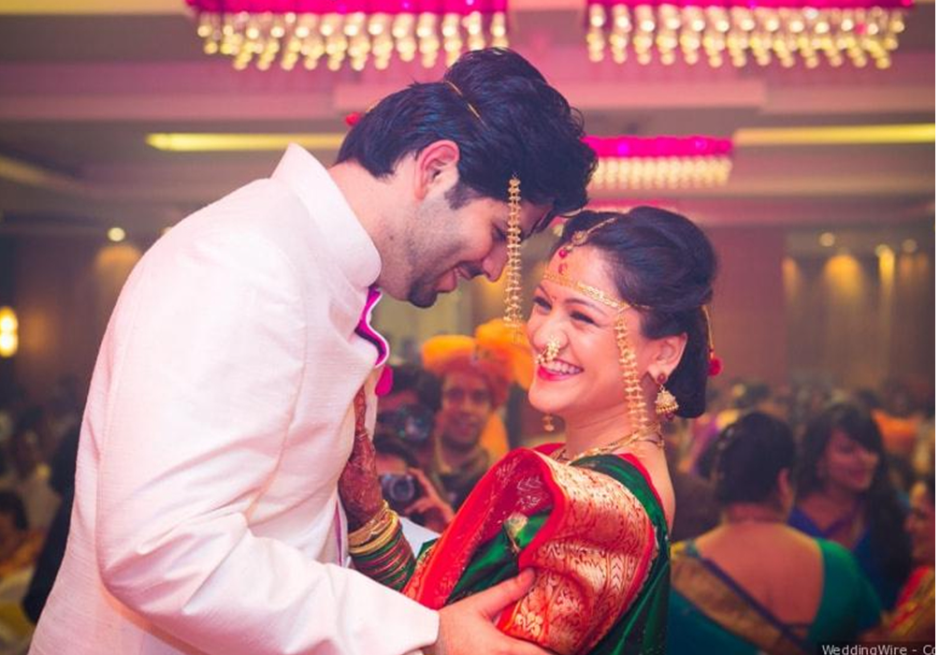
Picture a wedding filled with joyful chants, vibrant colors, and deep spiritual meaning. If you have ever attended a Marathi wedding, you know it feels both deeply sacred and incredibly fun. These celebrations stand out because they focus heavily on ancient Vedic rituals rather than massive, extravagant displays.
Whether you are preparing for your own marriage, attending a friend's ceremony, or simply curious about Indian cultures, understanding these customs adds joy to the experience. We created this comprehensive guide to help you navigate the beautiful wedding rituals in Maharashtra.
In this post, you will learn about the cultural significance of these ceremonies. We will explore the step-by-step rituals that unite two families in lasting love. Finally, we will show you how to find the perfect traditional Maharashtrian outfits and elevate your festive wardrobe with stunning pieces from the Aza Fashions ethnic wear collection.
The Cultural Significance of Marathi Weddings
Maharashtrian wedding traditions represent much more than a legal union between two people. They serve as a grand gathering that honors ancestors, respects elders, and celebrates community bonds. Every single ritual holds a specific meaning, deeply rooted in Hindu traditions and local folklore.
Unlike many other regional weddings that focus heavily on modern party elements, weddings in Maharashtra maintain a strong grip on their spiritual heritage. You will notice a massive emphasis on simple, elegant decorations, traditional music, and incredibly detailed cultural practices. Families follow auspicious timings strictly, ensuring the couple begin their new journey under the best possible astrological conditions.
Food also plays a monumental role in these celebrations. Marathi families love serving rich, flavorful vegetarian meals, and the wedding feast reflects this passion. From fresh Puran Poli to sweet Shrikhand, the culinary experience brings everyone together in pure joy.
Beautiful Pre-Wedding Rituals
The celebration begins long before the actual wedding day. Families kick off the festivities with a series of heartwarming pre-wedding rituals. These early events help the two family's bond and build excitement for the main ceremony.
Sakhar Puda (The Engagement)
The Sakhar Puda serves as the official engagement ceremony. The phrase literally translates to "sugar packets." During this intimate gathering, the groom's parents give the bride a saree, traditional jewelry, and a packet of sugar or sweets.
This exchange of sugar signifies the sweet beginning of their new relationship. The bride's parents also give a coconut, a gold coin, and clothes to the groom. After these exchanges, the couple's exchanges ring, officially confirming their intent to marry.
The Kelvan Feast
A few days before the wedding, both families host Kelvan. This beautiful tradition involves offering prayers to the family deity (Kuldevta) and seeking their blessings for the upcoming union.
After the prayers, the family hosts a massive feast for their relatives and close friends. It is a joyful day that highlights the love and pampering of the family before the wedding responsibilities begin. Extended family members take turns hosting the couple, ensuring everyone gets a chance to celebrate with them.
Halad Chadavane (The Turmeric Ceremony)
The Halad Chadavane is the Marathi version of the Haldi ceremony. Families usually perform this ritual the day before the wedding. It begins with the groom's family. Married women use fresh mango leaves to apply turmeric paste to the groom's forehead, shoulders, hands, and feet.
After blessing the groom, the family sends the remaining turmeric paste to the bride's house. Her family then applies this same paste to her. This ritual purifies the skin, gives the couple a natural glow, and wards off negative energy before the big day.
The Main Wedding Rituals in Maharashtra
When the wedding day arrives, the main rituals take center stage. These ceremonies are visually stunning, deeply emotional, and full of cultural pride.
Seemant Puja and Welcoming the Groom
The wedding day starts with the Seemant Puja. "Seemant" means boundary. Historically, the bride's family would perform this puja when the groom crossed the boundary of their village.
Today, the bride's mother welcomes the groom to the wedding venue. She washes his feet, applies a red tilak to his forehead, and does a small aarti. The bride's family then showers the groom with gifts like a gold ring, a watch, and new clothes to show their respect and joy.
The Sacred Antarpat Ritual
This is arguably the most famous and anticipated part of Maharashtrian wedding traditions. The groom steps into the mandap and stands on a wooden stool. A priest holds a silk shawl, known as the Antarpat, in front of the groom so he cannot see the bride.
The bride then enters the mandap, wearing a beautiful traditional saree and iconic Mundavalya (strings of pearls) across her forehead. She stands on the other side of the silk shawl. The priest and the guests begin chanting the Mangalashtakas, which are eight sacred wedding vows.
Sankalp and Exchanging Garlands
As the priest finishes chanting the final vow, the guests shower the couple with Akshata (turmeric-dyed rice). The priest quickly lowers the Antarpat, allowing the couple to look at each other directly for the first time during the ceremony.
This beautiful moment is Sankalp. The traditional Shehnai instrument plays loudly in the background. Immediately after, the bride and groom exchange floral garlands. The guests cheer loudly, celebrating the official start of their union.
Kanyadaan and Saptapadi
Following the garland exchange, the bride's father performs the Kanyadaan. He formally gives his daughter's hand to the groom, asking him to love and protect her forever. The groom accepts, promising to treat her with absolute respect.
The ceremony concludes with the Saptapadi. The couple walks around the holy fire seven times. These seven steps represent the seven sacred vows they make to each other. They promise to support each other through sickness, health, wealth, and hardship for the rest of their lives.
Meaningful Post-Wedding Traditions
The celebrations do not end when the couple leaves the mandap. A few more traditions help the bride transition into her new life with her husband's family.
Grihapravesh (Entering the New Home)
The Grihapravesh marks the bride's first steps into her new home. The groom's mother welcomes the couple at the door with a traditional aarti.
The mother places a metal measure (kalash) filled with rice at the threshold. The bride gently kicks the kalash with her right foot, spilling the rice into the house. This gesture symbolizes that she is bringing endless wealth, luck, and prosperity into her new family.
The Grand Reception
A day or two after the wedding, the groom's family hosts a grand reception. This event allows extended family, colleagues, and friends to meet the newly married couple.
Unlike the deeply religious morning rituals, the reception is a relaxed, modern party. Guests enjoy delicious food, listen to music, and take hundreds of photographs with the glowing couple.
Finding Traditional Maharashtrian Outfits
The attire worn during a Marathi wedding is truly iconic. Traditional Maharashtrian outfits focus on rich silk fabrics, bright colors, and intricate heritage jewelry.
For the bride, a Paithani silk saree is an absolute must. While modern brides experiment with pastel colors, traditional shades like marigold yellow, deep green, and brilliant red remain top choices. The bride traditionally wears this saree in the Nauvari (nine-yard) style. This unique draping resembles a dhoti at the bottom, offering unmatched comfort and a highly distinct silhouette.
The bride also wears a delicate pearl string across her forehead, known as a Mundavalya. She pairs this with traditional gold jewelry like the Thushi (a tightly woven gold choker) and the iconic Nath (a pearl and ruby nose ring).
The groom typically wears a classic Kurta paired with a simple Dhoti. The kurta is usually made of fine silk in shades of cream, gold, or white. Like the bride, the groom also wears the pearl Mundavalya across his forehead. To complete his regal appearance, he wears a Pheta, which is a traditional Maharashtrian turban.
Elevate Your Style with Aza Fashions Ethnic Wear
Attending a wedding requires a wardrobe that respects cultural traditions while allowing you to look incredibly stylish. Finding the right balance between heritage and modern fashion is key. This is where Aza Fashions steps in to help you curate the perfect wedding wardrobe.
If you are a bride looking for exquisite pre-wedding outfits, explore the massive collection of designer sarees and Anarkali suits. A bright yellow or mustard outfit is perfect for your Halad Chadavane ceremony. The soft, breathable fabrics ensure you stay comfortable while your family applies the wet turmeric paste.
For the wedding guests and family members, the Aza Fashions ethnic wear collection offers an unmatched selection of designer pieces. You can choose from rich silk sarees, elegant georgette drapes, or beautiful lehengas that match the grandeur of a Maharashtra wedding. Women can explore pre-draped sarees that offer the traditional Nauvari look without the complicated draping process.
Grooms and groomsmen will also find incredible options for the big day. Step away from ordinary clothing and discover luxurious silk kurta sets, heavily embroidered Nehru jackets, and tailored dhotis. Aza Fashions brings together the best designers in the country. This ensures you have access to premium fabrics, flawless fits, and stunning craftsmanship for every single wedding event.
Final Thoughts on the Grand Celebration
Maharashtrian wedding traditions offer a mesmerizing glimpse into a culture that deeply values love, family, and spiritual devotion. From the sweet exchanges of the Sakhar Puda to the highly emotional Antarpat moment, every ritual carries a profound meaning. Participating in these customs is an unforgettable experience that stays with you forever.
As you prepare for the upcoming festivities, remember that your outfit plays a massive role in how you experience the events. When you wear high-quality, beautifully designed clothes, you feel confident and ready to celebrate.
Embrace the joy, enjoy the incredible food, and look your absolute best. Explore the stunning collections at Aza Fashions today. You will easily find the perfect traditional Maharashtrian outfits and ethnic wear to make your next wedding celebration truly unforgettable.

