



South Indian weddings bring families together through a series of beautiful, deeply meaningful events. Long before the couple exchanges garlands, they go through several steps to prepare their minds and bodies for marriage. Among these events, one specific morning ritual stands out for its pure, joyful, and spiritual nature.
If you want to learn more about Tamil wedding traditions, you must explore the beautiful practice of Mangala Snanam. This ceremony marks the official dawn of the wedding day. It surrounds the bride and groom with blessings, laughter, and sacred traditions as they get ready to step into their new life.
This guide explores the deep cultural significance of the Mangala Snanam ceremony. We will walk you through the traditional practices that make this event so special. Finally, we will show you how to choose the perfect clothing for these messy, fun rituals and how Aza Fashions ethnic wear can help you build an unforgettable wedding wardrobe.
What is the Mangala Snanam Ceremony?
The name of this ceremony perfectly describes its purpose. In Tamil, "Mangala" means auspicious or holy, and "Snanam" means bath. Therefore, this ritual is the sacred purifying bath that the bride and groom take on the morning of their wedding day.
Families usually perform this ritual separately in the bride's and groom's respective homes or designated rooms at the wedding venue. It serves as the South Indian equivalent to the North Indian Haldi ceremony, though it carries its own unique set of regional customs and prayers.
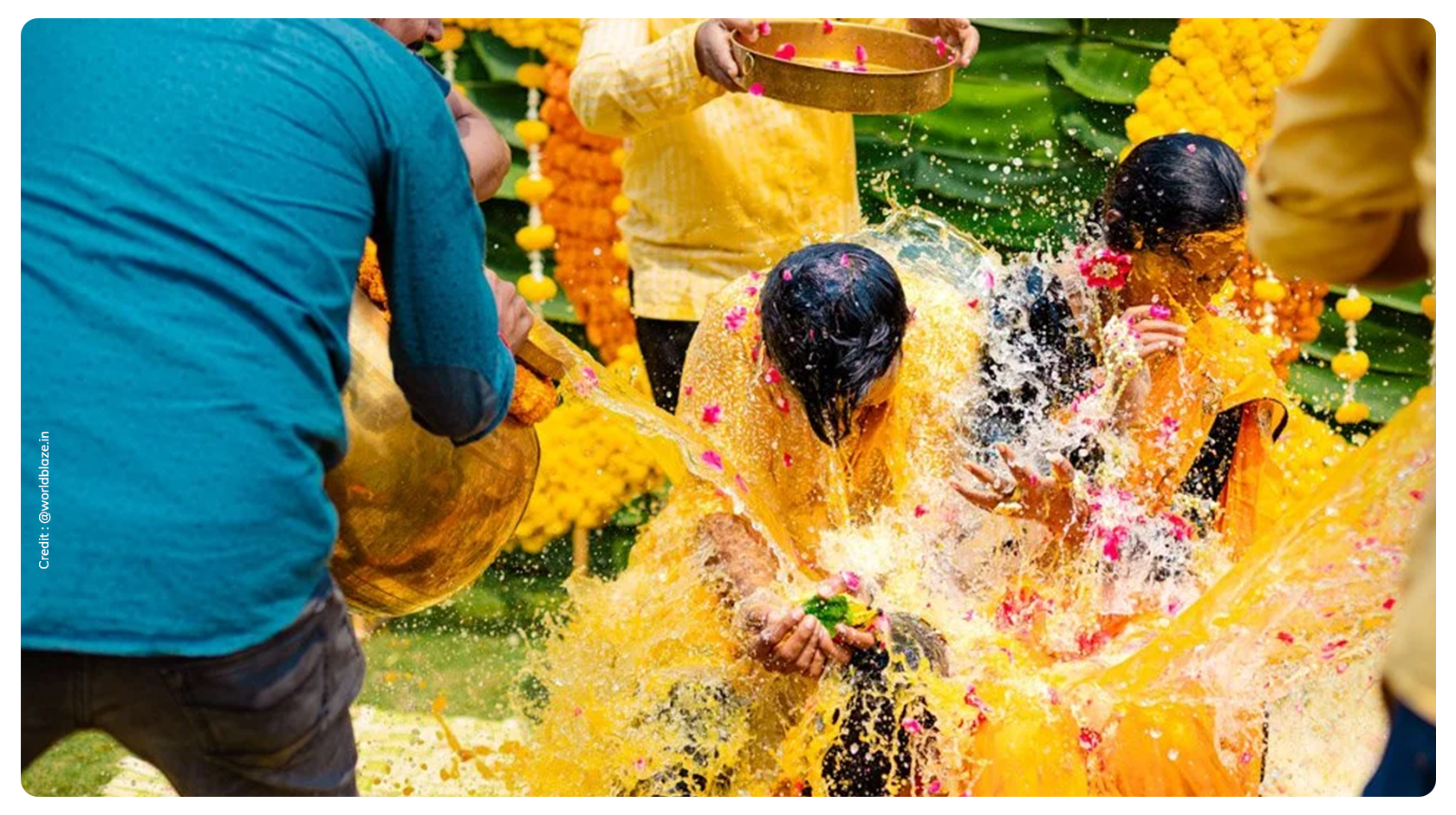
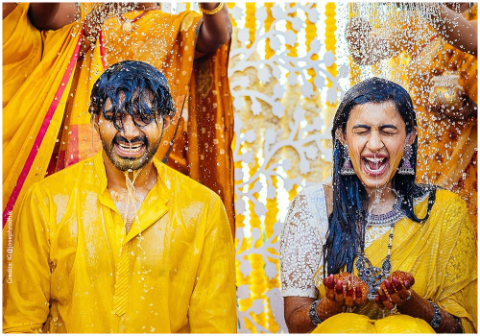
During the ceremony, elder married women of the family gather to bless the bride or groom. They apply a special paste made of turmeric, sandalwood, and kumkum to the face, hands, and feet. Following this application, they pour holy water over the bride or groom to cleanse them. This bath acts as the final preparation step before they dress in their grand wedding attire.
The Cultural Significance Behind the Bath
Tamil wedding traditions place a massive emphasis on spiritual purity and positive energy. The Mangala Snanam serves multiple important purposes for the couple.
First, the ritual provides intense physical and spiritual purification. Turmeric is a natural antiseptic and holds immense sacred value in Hindu traditions. Applying it cleanses the skin, removes impurities, and gives the bride and groom a brilliant, natural glow for their wedding day. The holy water washes away from their past, allowing them to start their married life with a completely fresh, pure spirit.
Second, the ceremony acts as a powerful shield against negative energy. When a family hosts a grand wedding, they naturally attract a lot of attention. Elders believe this attention can sometimes bring the "evil eye" or drishti. The turmeric and the prayers chanted during the bath form a protective barrier around the couple, keeping them safe from any harmful thoughts or energies.
Finally, this event beautifully highlights the role of community and family. It gives the elders a specific moment to shower the couple with their wisdom and blessings. The shared laughter, the traditional music, and the collective prayers create an environment of absolute love.
Traditional Practices of the Ceremony
Every family adds their own special touch to the celebrations, but traditional Mangala Snanam ceremonies follow a beautifully structured set of rituals.
Waking Up Before Dawn
The timing of this ritual is incredibly important. Families almost always perform the Mangala Snanam during the Brahma Muhurtham. This highly auspicious time occurs roughly one and a half hours before sunrise. Astrologers consider this window to be the most spiritually active time of the day. Waking up early requires effort, but the quiet, peaceful atmosphere makes the ritual feel incredibly magical.
The Sacred Nalangu Ritual
Before the actual bath begins, the family performs the Nalangu. The bride or groom sits on a low wooden stool, known as a peetam, placed in the center of the room or courtyard. Five or seven married women, called Sumangalis, take turns coming forward to bless them.
These women apply pure sesame oil to the hair of the bride or groom. Next, they take a thick paste made of freshly ground turmeric and apply it to their cheeks, arms, and feet. They also place a small dot of red vermilion (kumkum) on their forehead. Throughout this process, traditional musicians play the Nadaswaram (a classical wind instrument) and the Thavil (a traditional drum), creating a deeply festive and emotional atmosphere.
The Holy Bath
Once the Nalangu is complete, the actual Snanam begins. The elders gently pour warm, holy water over the bride or groom. This water often contains fragrant rose water and fresh flower petals. As the water washes away the turmeric, it leaves behind perfectly glowing skin. After the bath, the family quickly helps the bride or groom dry off so they can begin the long process of dressing for the main wedding ceremony.
Why Pre-Wedding Rituals Matter
We often focus entirely on the main wedding ceremony, but pre-wedding rituals hold the true emotional weight of the celebration. These smaller events give the family a chance to breathe, bond, and reflect.
A grand wedding involves hundreds of guests, strict timelines, and a lot of formal greetings. In contrast, morning rituals like the Mangala Snanam remain intimate. Only the closest relatives and best friends attend. It is a time when a mother can hold her daughter's hand, or a father can joke with his son. These deeply personal moments calm the couple's nerves. They provide a safe, loving space for the bride and groom to transition from their single life into their new roles.
Dressing for the Ceremony with Aza Fashions
Choosing the right outfit for this specific ceremony requires careful thought. Because the ritual involves oil, wet turmeric paste, and pouring water, things get messy quickly. You need clothing that honors the tradition but is easy to manage.
Aza Fashions ethnic wear offers a wonderful selection of practical yet beautiful outfits for all your wedding events.
Practical Outfits for the Bride
For the Mangala Snanam, comfort and tradition lead the way. Most Tamil brides wear a simple, older cotton or lightweight silk saree that they do not mind staining. Yellow, red, and deep green are the most popular colors, as they hide turmeric stains well and look brilliant in morning photographs.
You want a fabric that breathes easily and dries relatively quickly. A simple pre-draped saree or a basic Salwar suit from the Aza Fashions ethnic wear collection works perfectly if your family allows modern silhouettes for the morning rituals. Keep your jewelry extremely minimal. A simple gold chain and small earrings are all you need, as you will remove them before the actual water is poured.
Comfortable Choices for the Groom
The groom typically wears a simple white cotton dhoti (veshti) for this ritual. Because the elders will apply oil to his hair and turmeric to his chest and arms, he usually remains bare-chested during the actual bath. However, for the prayers leading up to the bath, he might wear comfortable, lightweight cotton kurta.
Explore the Aza Fashions collection for high-quality, breathable cotton kurtas that you can easily slip in and out of during the morning rituals.
Post-Bath Elegance
The true fashion transformation happens immediately after the bath. The bride and groom step out of their wet clothes and change into their spectacular wedding attire.
This is where your wardrobe planning truly shines. The bride will wrap herself in a breathtaking Kanjeevaram silk saree, loaded with heavy gold zari work. The groom will wear an opulent silk dhoti and a matching shirt or an elaborate designer sherwani. Aza Fashions provides an unmatched curation of luxury designer wear to help you achieve this flawless, regal look. You can browse through premium collections to find pieces that carry the weight of tradition while offering a modern, flattering fit.
Plan Your Wedding Wardrobe Early
Tamil wedding traditions involve several outfit changes throughout the day. You need a simple outfit for the morning bath, a grand saree for the wedding, and an elegant, comfortable ensemble for the evening reception. Planning these looks early reduces stress and ensures you look perfect in every single photograph.
When you shop for pre-wedding rituals, focus on lightweight fabrics and bright, happy colors. Save your heavy velvets, stiff silks, and massive embroidery for the evening events. By building a thoughtful, versatile wardrobe, you ensure you can move comfortably and enjoy every minute of your celebration.
Final Thoughts on the Auspicious Bath
The Mangala Snanam ceremony is a beautiful, deeply grounding experience. It washes away the past and prepares the couple for a bright, prosperous future. The scent of turmeric, the sound of the Nadaswaram, and the warmth of family blessings create memories that last a lifetime.
As you prepare for your wedding journey, embrace these early morning traditions with an open heart. Enjoy the laughter as your aunts apply turmeric and let the holy water bring you absolute peace.
When you feel comfortable and confident in your clothing, you can fully focus on the joy of the moment. Discover the extensive collection of Aza Fashions ethnic wear today. Find the perfect traditional outfits that will carry you beautifully from your very first morning prayer all the way to your grand wedding reception.

