


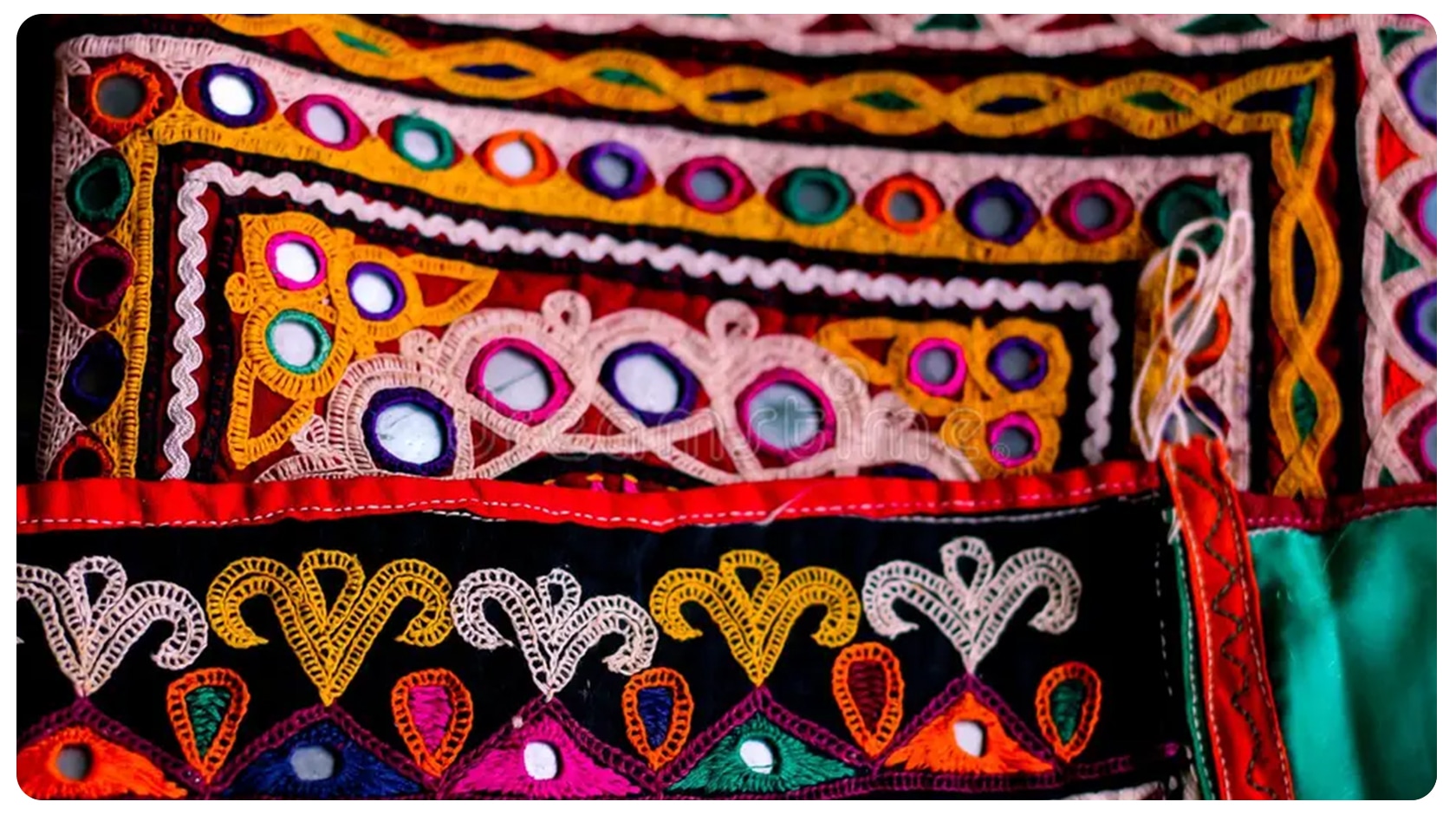

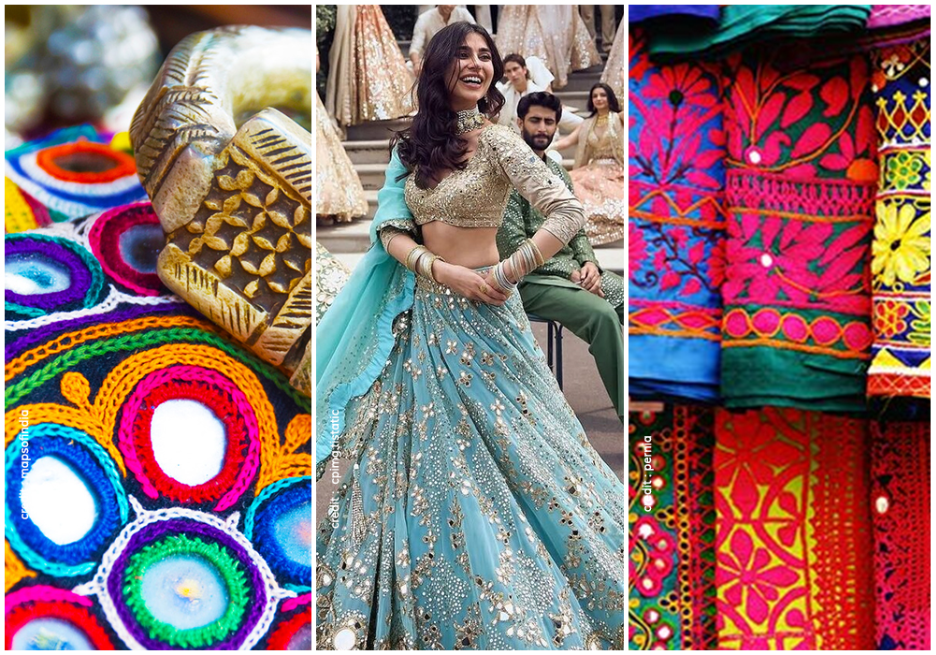
Imagine a piece of clothing that sparkles not just with thread, but with tiny, captured pieces of light. This is the magic of Mirror Work, a beloved and ancient craft from India that turns fabric into a dazzling spectacle. Known as Shisha embroidery, this art form involves stitching tiny mirrors onto cloth, creating patterns that glitter and dance with every movement.
This blog post will take you into the shining world of one of India's most iconic traditional Indian crafts. We will explore its origins in the sandy deserts of Rajasthan, learn how artisans create these intricate designs, and see how this beautiful embroidery continues to light up everything from traditional garments to modern fashion.
Origins: A Reflection of History
The story of Mirror Work is believed to have started centuries ago, not with glass, but with mica, a naturally occurring mineral that shimmers. It is said that this craft has its roots in Persia and was brought to India during the Mughal era. However, it was in the vibrant cultures of Rajasthan and Gujarat that shisha embroidery truly found its home and flourished.
In the vast, sun-drenched landscapes of the desert, people sought ways to add color and light to their lives. The tiny mirrors served a practical purpose, as their reflections were thought to ward off the evil eye and protect the wearer. Over time, what began as a form of protection evolved into a stunning decorative art. The craft became deeply intertwined with the identity of various communities, especially the nomadic Banjara (Lambani) tribes, who are famous for their heavily mirrored textiles.
The Art of Attaching the Mirrors
Creating Mirror Work is a detailed process that requires a steady hand and a great deal of patience. It’s not as simple as just gluing the mirrors on. The real artistry lies in how the mirrors are framed and secured with thread.
The most common technique involves creating a framework of threads over the mirror to hold it in place. Here is a simple breakdown of the process:
- Placing the Mirror: A small, circular piece of mirror (or a modern, lightweight alternative like reflective plastic) is placed on the fabric.
- Creating the Frame: The artisan lays down two parallel threads over the mirror and then two more threads perpendicularly, forming a small cross or square that holds the mirror down.
- The Buttonhole Stitch: The most crucial step is securing this frame. The artisan uses a series of tight buttonhole stitches or chain stitches all around the edge of the mirror. This decorative stitch work not only fastens the mirror securely to the fabric but also creates a beautiful, embroidered frame around it.
This technique ensures the mirror is held firmly in place without any sharp edges exposed. The skill of the artisan is visible in the evenness and tightness of these framing stitches.
The Vibrant Designs of Mirror Work
Rajasthani embroidery is known for its celebration of color, and Mirror Work is no exception. The craft is rarely done in isolation. It is almost always combined with colorful thread work to create rich, textured designs.
Patterns and Motifs
The designs are often inspired by nature and daily life. You will see mirrors incorporated into patterns of flowers, peacocks, elephants, and geometric shapes. In many traditional pieces, the entire fabric is covered in a dense pattern of mirrors and stitches, creating a stunning, shimmering effect. The placement of the mirrors is carefully planned to accentuate the curves of a floral vine or the geometric precision of a border.
The Color Palette
The embroidery is typically done with bright, bold threads. Colors like red, yellow, green, and orange are used in striking contrast against base fabrics of black, maroon, or deep blue. This vibrant color scheme makes the reflective quality of the mirrors stand out even more, creating a lively and joyful aesthetic.
Mirror Work in Traditional Attire
Traditionally, Mirror Work has been a staple for decorating clothing, especially for festive and ceremonial occasions. It brings a sense of celebration and opulence to any garment.
- Ghagra Cholis: The voluminous skirts (ghagras) and fitted blouses (cholis) worn, especially in Rajasthan and Gujarat, are famous for their heavy Mirror Work. During festivals like Navratri, women wear these outfits for folk dances like Garba, and the twirling skirts create a breathtaking spectacle of spinning lights.
- Dupattas and Odhnis: The long scarves (dupattas) that complete these traditional outfits are often heavily decorated with Mirror Work, especially along the borders. When draped over the head or shoulders, the mirrors catch the light beautifully.
- Sarees and Kurtas: Mirror Work is also used to adorn sarees, adding a touch of sparkle to the pallu and borders. Modern kurtas for both men and women often feature subtle Mirror Work around the neckline and cuffs, adding a festive touch.
Modern Adaptations: A Timeless Trend
The appeal of Mirror Work has transcended its traditional roots and found a firm place in contemporary fashion and design. Its bohemian and festive vibe has made it a favorite among designers worldwide.
In Fashion
You can now find Mirror Work on a wide range of modern apparel. Designers incorporate it into:
- Jackets and Vests: A denim or cotton jacket embellished with shisha embroidery adds an instant touch of boho-chic style.
- Dresses: From flowing maxi dresses to structured gowns, Mirror Work adds an element of surprise and luxury.
- Accessories: This craft has moved beyond clothing and now adorns handbags, clutches, belts, and even footwear (juttis). These accessories are a great way to add a bit of Indian sparkle to any outfit.
In Home Decor
The reflective quality of Mirror Work makes it a perfect choice for brightening up living spaces. It is widely used in:
- Cushion Covers and Pillows: Mirrored cushions can add a pop of color and light to a sofa or bed.
- Wall Hangings and Tapestries: Large textile pieces with intricate Mirror Work serve as stunning pieces of wall art.
- Table Runners and Bedspreads: These items bring a touch of Rajasthani royalty and festive cheer to home interiors.
A Craft That Shines On
Mirror Work is more than just a decorative technique; it is a celebration of light, life, and tradition. It is a craft that carries the stories of the desert, the songs of festivals, and the skilled hands of the artisans who have kept it alive for generations.
Whether you are drawn to a traditional Ghagra Choli covered in shimmering glass or a modern handbag with a few sparkling details, you are connecting with a timeless art form. By supporting authentic traditional Indian crafts like shisha embroidery, you help ensure that this beautiful legacy continues to shine brightly for years to come.

