Bomkai Saree: The Pride of Odisha’s Handloom Heritage
Also known as the ‘Sonepuri’ saree, this handloom marvel is a favorite among women who appreciate traditional Indian art. Whether it is the deep, intense colors
Odisha is a land known for its stunning temples and equally stunning textiles. Among its many treasures, one saree stands out for its simplicity and intricate detail—the Bomkai saree.
Also known as the 'Sonepuri' saree, this handloom marvel is a favorite among women who appreciate traditional Indian art. Whether it is the deep, intense colors or the unique thread work on the pallu, a Bomkai saree is a piece of art you can drape.
If you are looking to understand what makes this saree so special, you have come to the right place. In this guide, we will explore the history, making process, and modern charm of the Bomkai saree.
What is a Bomkai Saree?
The Bomkai saree gets its name from the village of Bomkai in the Ganjam district of Odisha, where it was first created.
It is a handloom saree, which means it is woven by hand, not by power-driven machines. Traditionally, these sarees are made using low-count cotton yarns, making them comfortable and breathable. However, you will also find lavish silk versions today.
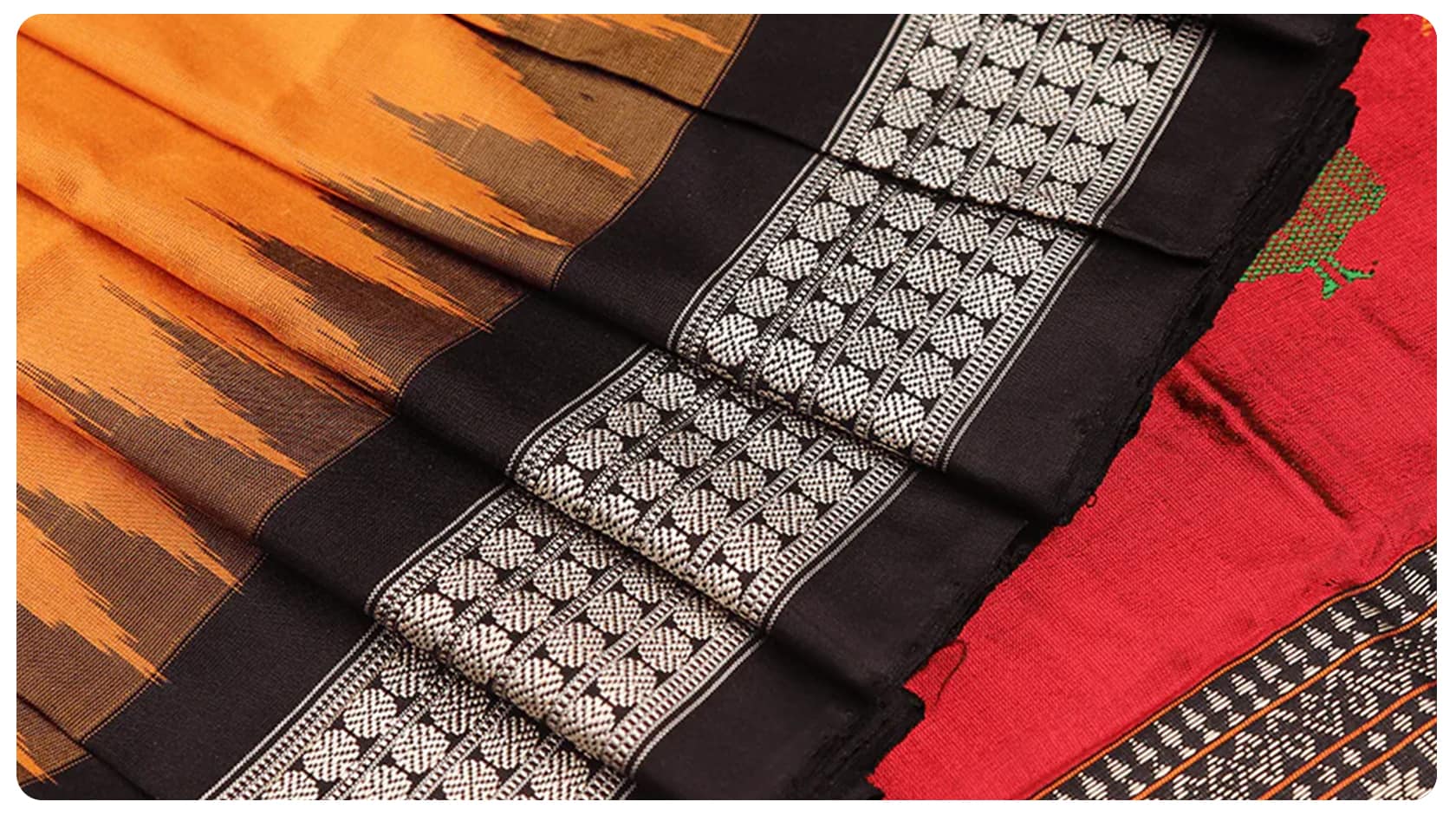
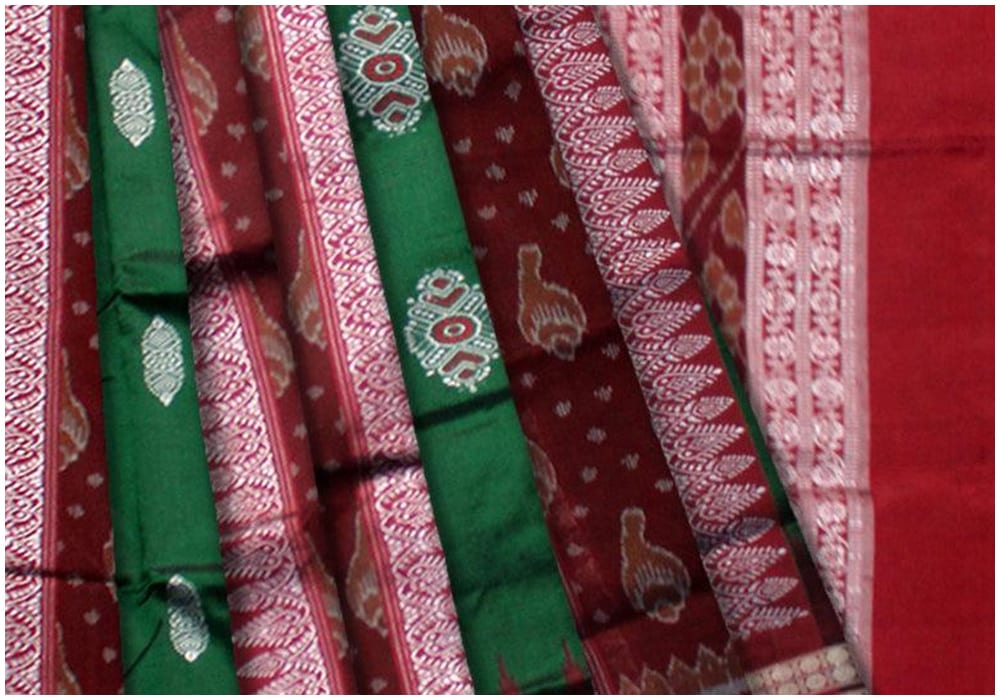
What sets a Bomkai apart is its design structure. It typically features a plain body with a contrasting border and a heavily designed pallu (the loose end of the saree). The magic lies in the mix of two distinct techniques: Ikat (a dyeing technique) and intricate embroidery-like weaving.
Tracing the Roots: A Brief History
The story of the Bomkai saree is relatively young compared to ancient arts like Warli, but it is just as significant.
The origin dates back to around the 1950s. It was the Bhulia community of weavers in Odisha who brought this art to life. Before the Bomkai, the region was known for producing simple, plain cotton sarees. The weavers wanted to create something more luxurious and festive for the local royalty and aristocracy.
The result was the Bomkai—a saree that transformed the humble cotton fabric into a canvas of mythological stories and nature-inspired motifs.
How is a Bomkai Saree Made?
The creation of a Bomkai saree is a labor-intensive process that requires immense skill and patience. It is a true "labor of love."
1. Dyeing the Yarns
The process begins with color. The cotton or silk yarns are dyed to achieve bright, intense shades. Traditional Bomkai sarees are famous for their bold colors like red, black, dark blue, and yellow. Historically, natural dyes from flowers and vegetables were used. Today, while chemical dyes are common for durability, the intensity of the color remains a signature feature.
2. The Weaving Process
The saree is woven on a pit loom or a handloom. This is where the weaver’s expertise shines.
The Jaala Technique: The most unique aspect of Bomkai weaving is the "Jaala" technique. Jaala refers to a complex network of threads that works like a graph for the design. It allows the weaver to lift specific warp threads to create intricate patterns on the weft.
It functions almost like a manual computer program, guiding the weaver on where to insert the colored threads to form the design.
3. Creating the Motifs
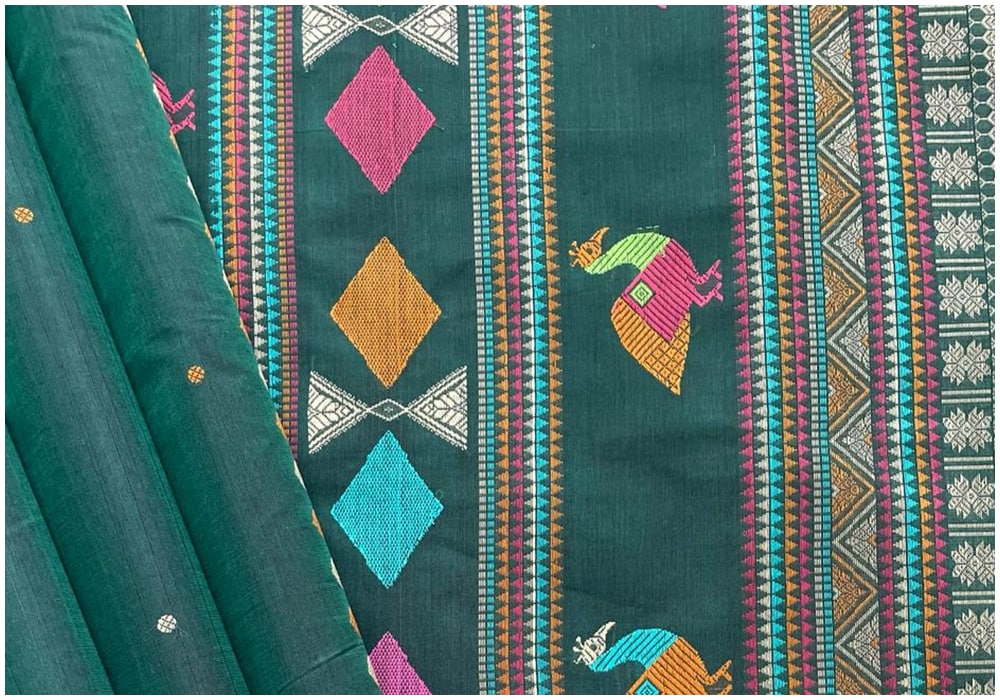
While the body of the saree is often simple, the pallu is where the weaver tells a story. Using extra weft threads (often in contrasting colors), they weave motifs directly into the fabric. This gives the design an embroidered look, even though it is woven.
Design Elements: Nature and Mythology
If you look closely at a Bomkai saree, you are looking at the culture of Odisha. The motifs are rarely random; they are deeply rooted in the local environment and beliefs.
Common motifs include:
Bitter Gourd (Karela): A symbol of local agriculture.
Atasi Flower: A beautiful local flower.
Kanthi Phool: Another floral design often seen on the border.
Peacocks and Fish: Symbols of beauty and prosperity.
Tortoise: Often used to symbolize stability.
The designs are often geometric but have a softness to them because of the thread work. The border often features rows of kumbha (temple spires) or rudraksha motifs, adding a spiritual touch to the garment.
Variations of the Bomkai Saree
While the classic Ganjam Bomkai is the original, the style has evolved as it moved across regions.
1. Pasapali Bomkai
This variation is famous for its checkerboard pattern on the body, resembling the board game of Pasa (dice). It is intricate and highly mathematical in its weaving.
2. Bapta Saree
This is a blend of silk and cotton. It offers the sheen of silk with the comfort of cotton, making it a popular choice for office wear or lighter functions.
3. Sonepuri Bomkai
Sonepur is another major hub for this weaving style. Sonepuri Bomkai sarees are often brighter and feature more elaborate Ikat patterns on the borders compared to the original Ganjam style.
Bomkai in the Modern World
For decades, the Bomkai saree was a best-kept secret of Odisha. Today, it has found a global stage.
A Wedding Favorite
In Odisha, the Bomkai is considered highly auspicious. It is a staple in the bridal trousseau. The heavy silk Bomkai with gold or silver thread work is a popular choice for weddings and religious ceremonies.
Contemporary Fashion
Modern designers are falling in love with Bomkai for its versatility.
Fusion Wear: You can now find Bomkai motifs on dupattas, scarves, and even cushion covers.
New Colors: While traditional sarees used dark, earthy tones, modern weavers are experimenting with pastels and neon shades to attract younger buyers.
Global Appeal: The saree has been showcased on international runways, celebrated for its sustainable production and intricate craftsmanship.
Why You Should Own a Bomkai Saree
In a world of fast fashion and digital prints, a Bomkai saree is a reminder of the human touch. When you run your fingers over the pallu, you can feel the texture of the extra weft threads—a tactile proof of the weaver's effort.
It is versatile enough to be worn at a boardroom meeting or a family puja. It is breathable, eco-friendly, and supports a community of skilled artisans who are fighting to keep this ancient tradition alive.
Conclusion
The Bomkai saree is more than just six yards of fabric; it is a woven narrative of Odisha’s history. From the intricate Jaala work to the humble motifs of fish and flowers, every inch of the saree celebrates life.
Whether you choose a crisp cotton Bomkai for daily wear or a luxurious silk one for a festival, you are draping yourself in a legacy that has survived for generations. As we move forward, cherishing these handloom traditions ensures that the rhythm of the handloom never stops beating.
Aza Staff is a team of writers, creators, and industry insiders who live and breathe fashion. We explore the craft, culture, and creativity behind India’s luxury design scene, bringing you stories that are equal parts stylish and soulful.