


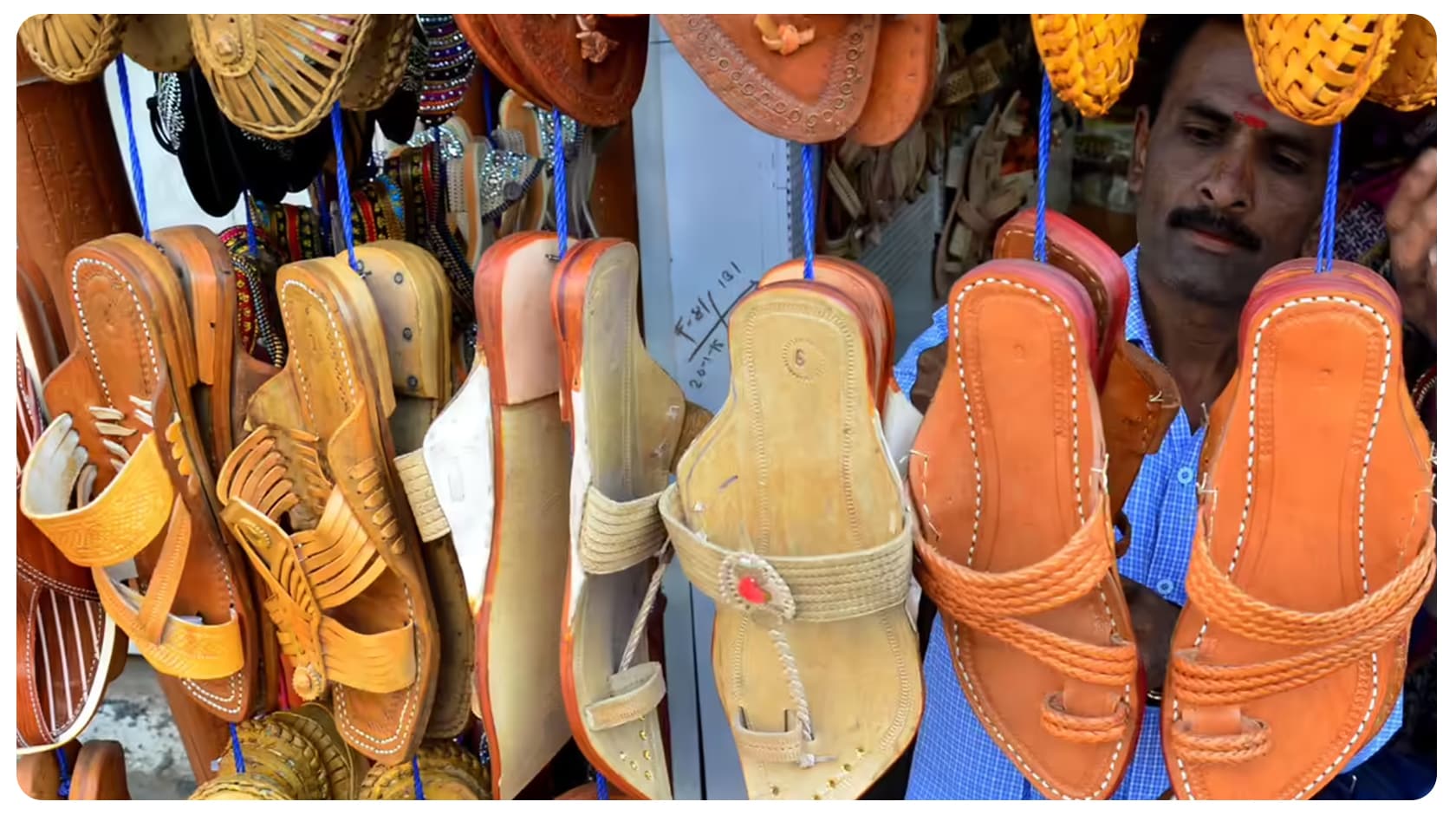

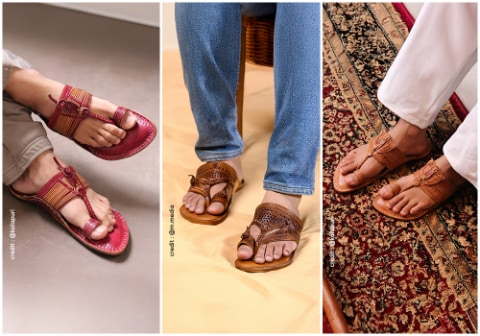
Step into a story of tradition, craftsmanship, and timeless style with the Kolhapuri chappal. Originating from the historic city of Kolhapur in Maharashtra, this iconic Indian footwear is more than just a sandal; it's a piece of cultural heritage. Handcrafted from leather and known for its rugged durability and unique design, the Kolhapuri chappal has journeyed from the villages of Maharashtra to fashion runways across the globe.
This article will walk you through the rich history of these famous chappals, explore the meticulous process behind their creation, and showcase why they remain a beloved staple in modern wardrobes.
A Walk Through History: The Origin of Kolhapuri Chappals
The legacy of Kolhapuri chappals dates back to the 13th century. It was in the small villages around Kolhapur and the neighboring state of Karnataka that artisans first began crafting this distinctive footwear. However, their popularity soared around the 18th century. Initially designed by the Saudagar family, these unique leather sandals caught the attention of the royal family, who saw their potential for everyday wear.
The chappal's journey to fame began when a prominent Mumbai shoe retailer, J.J. & Sons, discovered them. Impressed by the craftsmanship, they placed an order for 20 pairs. These sold out instantly, creating a surge in demand. This was the moment the humble "Kanwali" or "Paytaan," as it was locally known, transformed into the celebrated Kolhapuri chappal. Since then, the artisan communities of Kolhapur have been dedicated to perfecting this craft, passing down their skills through generations.
The Art of Creation: How Kolhapuri Chappals Are Made
The making of an authentic Kolhapuri chappal is a testament to the skill and patience of its artisans. The entire process is done by hand, using traditional techniques that have been refined over centuries. It's an eco-friendly process that uses natural materials, making each pair unique.
Preparing the Leather
The foundation of a true Kolhapuri is high-quality, vegetable-tanned leather, typically from buffalo, cow, or goat hide. The hides undergo a process called bag tanning, where they are soaked in a solution made from natural ingredients like babul bark and myrobalan nuts (hirada). This natural tanning process, which can take over a month, makes the leather strong and durable. It also imparts medicinal properties, which are believed to keep the feet cool.
Cutting and Stitching
Once the leather is treated and dried, artisans cut it into the required shapes for the sole, upper straps, and heel. The signature T-strap design is a key feature. What makes Kolhapuri chappals stand out is that they are assembled without the use of any nails. Instead, the leather pieces are skillfully stitched together using leather cords. This not only ensures a strong bond but also prevents any discomfort or injury to the feet.
Finishing and Embellishments
After assembly, the chappals are often embellished. Traditional designs might feature simple braided leather straps or punched patterns. Modern variations, however, are adorned with everything from vibrant threads and pom-poms to intricate gold cords (gota) and zari work. These decorative touches give the chappals a more festive and contemporary look, making them suitable for a wide range of occasions.
Why Choose Kolhapuri Chappals? More Than Just Footwear
In a world dominated by mass-produced footwear, Kolhapuri chappals offer a refreshing blend of style, comfort, and sustainability. Here are a few reasons why they deserve a place in your collection:
- Exceptional Durability: Made from genuine, thick leather and stitched by hand, these chappals are built to last. They can withstand rough use and, with proper care, can serve you for years.
- Unmatched Comfort: The leather naturally softens and molds to the shape of your foot over time, providing a custom fit. Their open-toed design allows your feet to breathe, making them perfect for warm climates.
- Eco-Friendly and Natural: The use of vegetable dyes and the absence of harmful chemicals make Kolhapuri chappals a sustainable choice. They are good for your feet and for the environment.
- Versatile Style: The beauty of Kolhapuri chappals lies in their versatility. They pair effortlessly with traditional Indian attire like kurtas and sarees, but they also complement modern, casual outfits such as jeans, shorts, and dresses.
- Supports Artisans: By purchasing authentic, handmade Kolhapuri chappals, you are supporting local artisans and helping to preserve a valuable craft that has been passed down for centuries.
Preserving a Timeless Craft
Despite their enduring appeal, the artisans behind Kolhapuri chappals face numerous challenges. Competition from cheap, machine-made imitations, rising raw material costs, and a lack of patent protection threaten their livelihood. Many skilled craftsmen struggle to earn a fair wage for their labor-intensive work.
Fortunately, various organizations and fashion houses are working to support these artisan communities. By promoting authentic Kolhapuri chappals and ensuring fair trade practices, they are helping to sustain this beautiful art form. As consumers, we can play a part by choosing genuine, handcrafted products over mass-produced copies.
Step into Tradition with Aza Fashions
The Kolhapuri chappal is a perfect example of how traditional craftsmanship can find its place in the modern world. It represents a piece of India's rich heritage, offering a unique combination of style, comfort, and authenticity.
Ready to add this timeless classic to your footwear collection? Explore an exquisite range of authentic and beautifully designed Kolhapuri chappals at Aza Fashions. Discover pairs that celebrate both tradition and contemporary style, and embrace the legacy of this remarkable Indian craft.

