
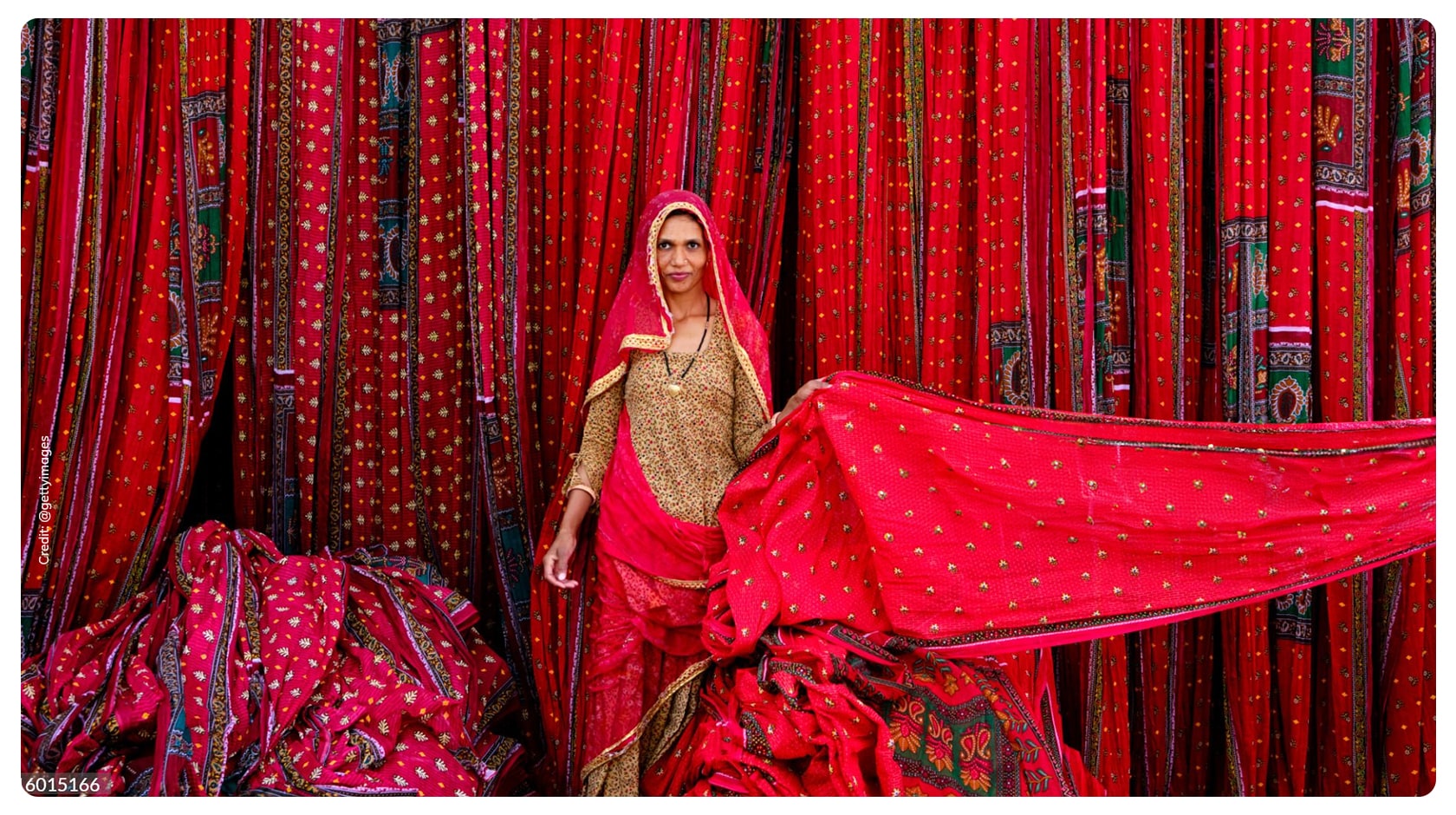
Language is more than words. It carries memory, identity, and belonging. On International Mother Language Day, observed every year on February 21st, conversations usually centre on spoken and written languages. But in India, language has always existed beyond speech. It is woven, dyed, embroidered, and worn.
Indian textile heritage reflects this beautifully. From Bandhani to Ikat to Chanderi, traditional Indian fabrics speak their own mother tongues. Motifs act like symbols, colors carry emotion, and weaving techniques follow rules as precise as grammar. Together, they form a living archive of India’s cultural diversity.
Just as languages change every few hundred kilometres in India, so do textiles. The drape, texture, and design vocabulary shift with geography, climate, and community. This exploration of Indian textiles looks at how fabric itself becomes language, expressing identity through craft.

Bandhani: The Dotted Dialect of the Desert
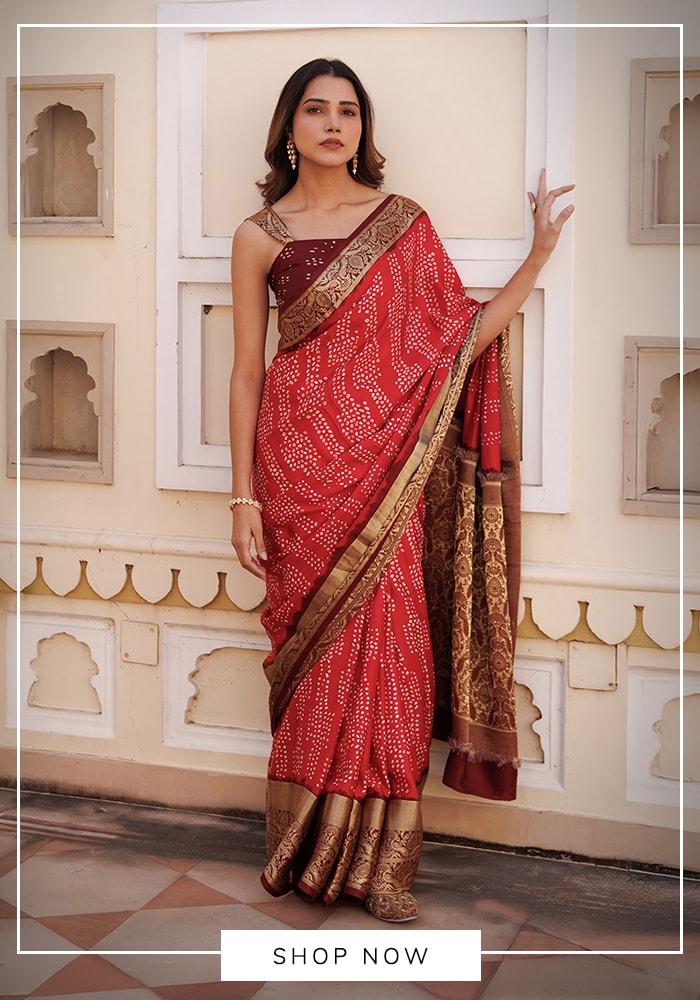
Rooted in Gujarat and Rajasthan, Bandhani is one of the most recognisable traditional Indian fabrics. Derived from the Sanskrit word bandh, meaning to tie, Bandhani fabric meaning is found in its dots, each one tied by hand before dyeing.
Historically, Bandhani sarees and dupattas marked life events. Red Bandhani for weddings, yellow for childbirth and rituals, specific motifs to indicate community and region. Thousands of knots come together to form patterns that feel rhythmic and alive.
Bandhani doesn’t merely decorate the body. It communicates emotion, celebration, and social identity. To wear Bandhani is to participate in a visual language that has endured for centuries.
Ikat: The Language Written Before It’s Spoken
Ikat weaving techniques are among the most complex in the world. Practised across Odisha, Telangana, and Gujarat, Ikat derives its name from the Malay word mengikat, meaning to bind. Unlike most textiles, the design is created on the yarn before weaving begins.
This results in the signature blur seen in Patola Ikat and Sambalpuri Ikat, where motifs appear fluid rather than sharp. The softness represents cultural continuity, the way traditions adapt and evolve like spoken language over time.
Ikat speaks in layers. It rewards attention. Each thread carries memory, calculation, and inherited knowledge.
Chanderi: Whispered Verses in Silk
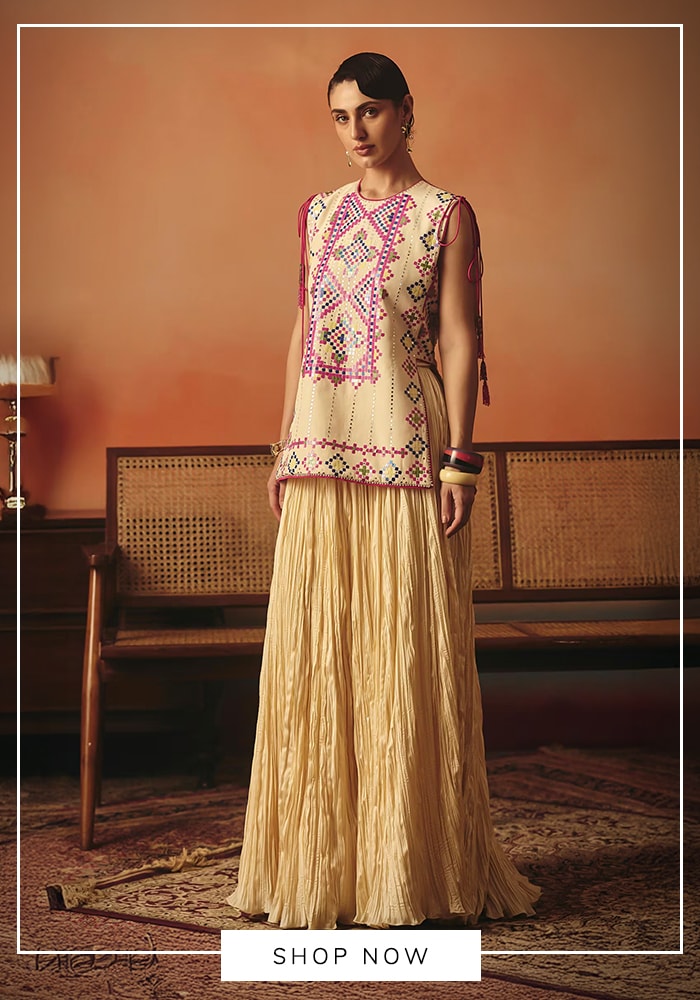
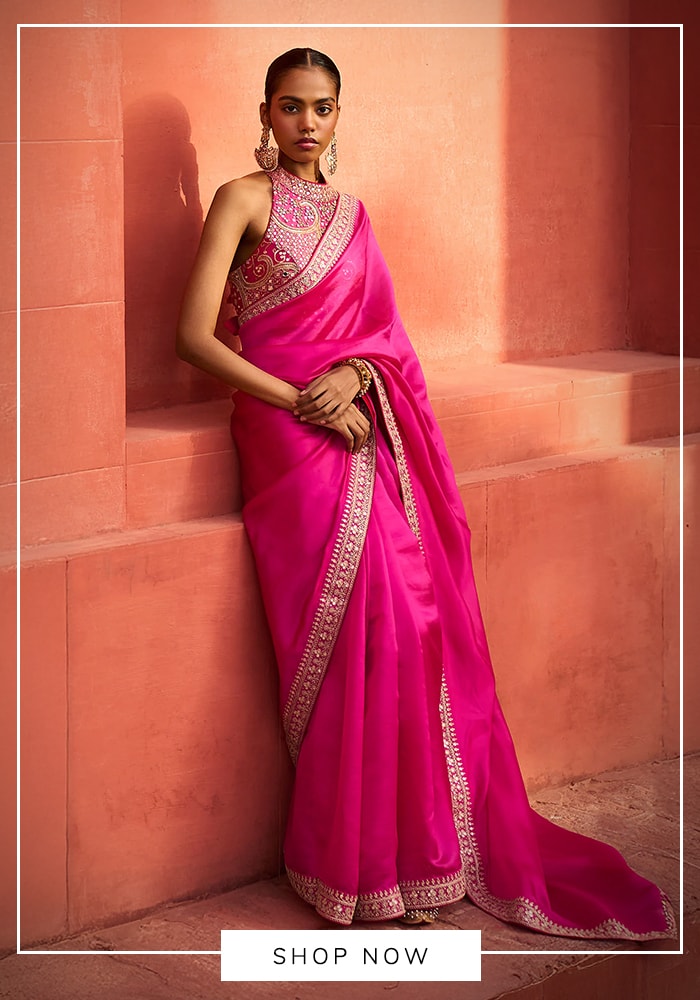
Chanderi sarees from Madhya Pradesh are known for their lightweight silk texture and subtle sheen. Historically patronised by royalty, Chanderi was never meant to overpower. It was designed to enhance.
Motifs such as coins, florals, and peacocks reference regional stories and folklore. These lightweight silk fabrics feel poetic, almost conversational. Chanderi speaks softly, but with confidence.
In a landscape of ornate textiles, Chanderi reminds us that elegance often lies in restraint.
Kanjeevaram: The Grand Epic of the South
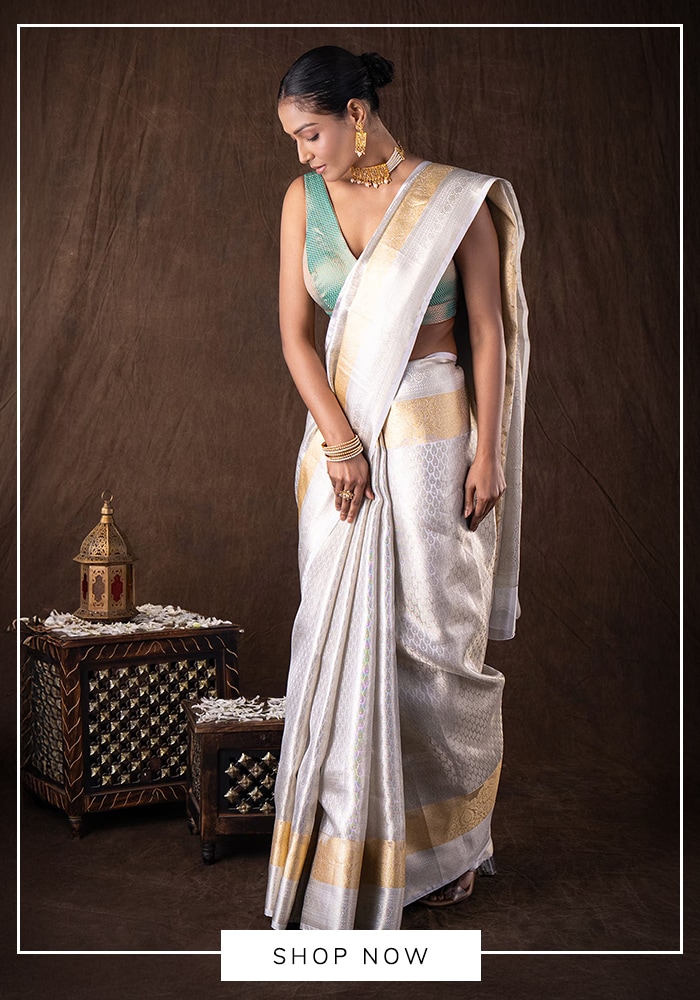
Kanjeevaram silk sarees from Tamil Nadu speak in bold, ceremonial tones. Woven from pure mulberry silk and finished with rich gold zari, they feature motifs inspired by temple architecture and mythology.
Often chosen as South Indian bridal sarees, Kanjeevarams are reserved for milestones and celebrations. Their visual language is expansive and deliberate, reflecting the depth of classical Tamil culture.
This is textile as epic, rich, expressive, and enduring.
Pochampally: The Rhythms of Telangana
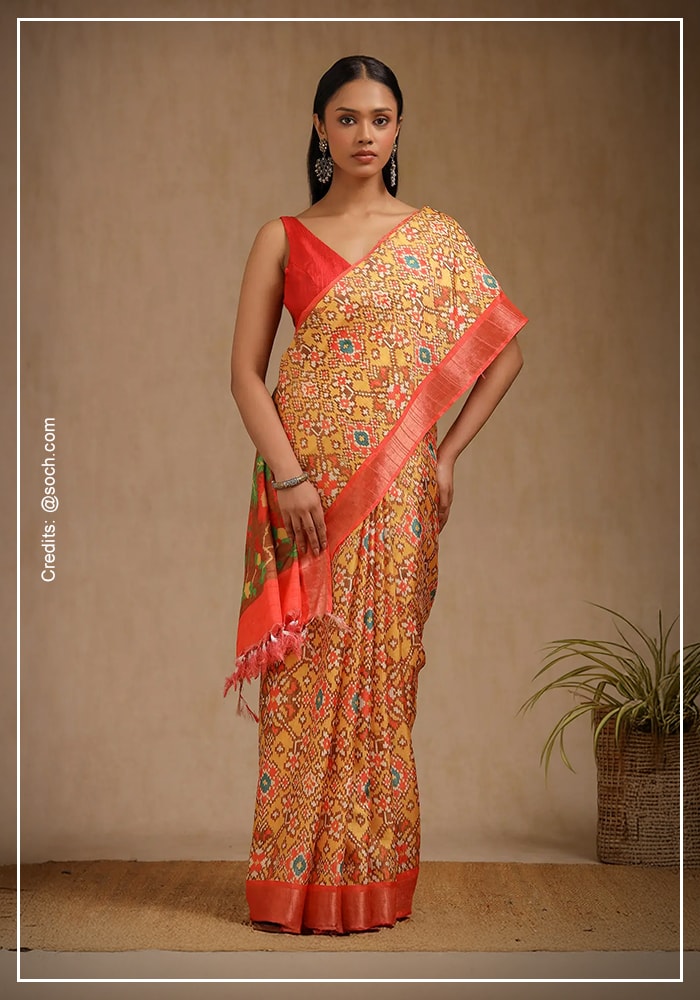
Pochampally Ikat from Telangana’s Nalgonda district is instantly recognisable for its sharp geometry and striking colour contrasts. As a celebrated Telangana handloom, it reflects both precision and creativity.
Patterns are inspired by local flora and folklore, resulting in textiles that feel rhythmic and confident. Wearing Pochampally Ikat is wearing a language built on discipline and movement.
Kalamkari: Stories Painted, Not Spoken
Kalamkari art from Andhra Pradesh and Telangana transforms fabric into narrative. Using hand-painting and block printing, artisans depict mythological scenes, epics, and village life on cloth.
These hand-painted textiles use natural dyes and intricate brushwork, turning each piece into a visual manuscript. Kalamkari bridges oral storytelling, visual art, and textile tradition.
It doesn’t just speak. It narrates.
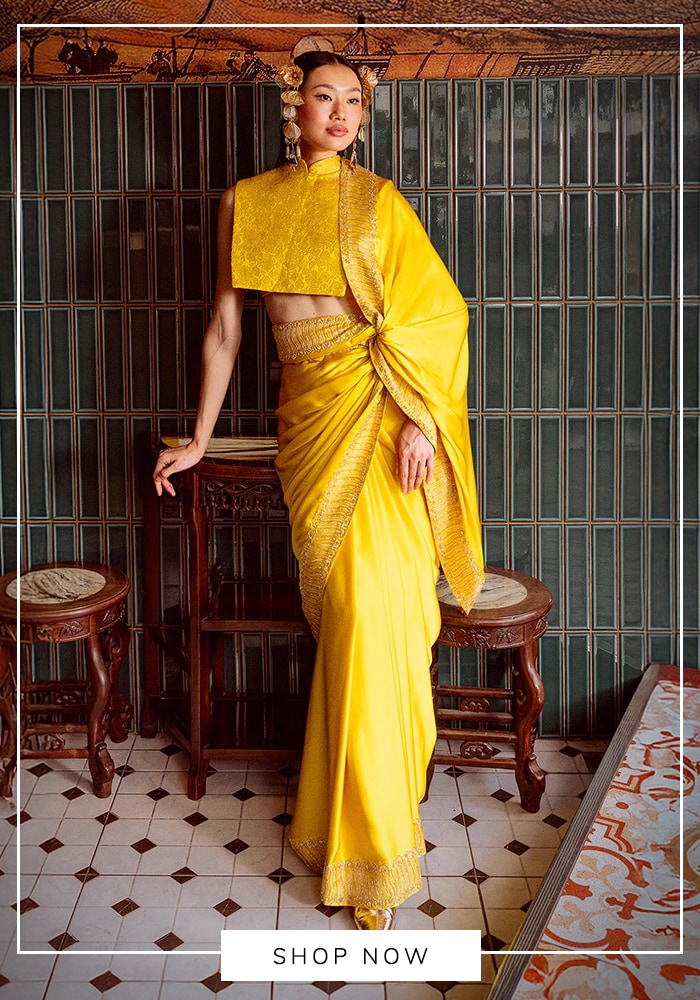
Banarasi: The Language of Regal Eloquence
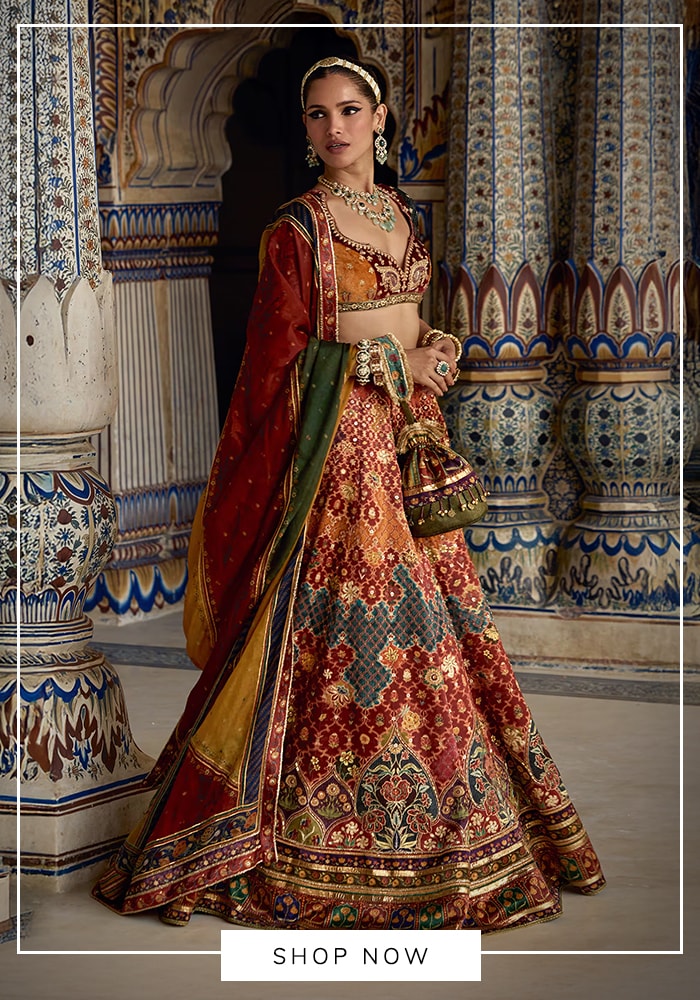
Banarasi sarees from Varanasi are synonymous with opulence. Crafted in silk and adorned with gold and silver zari, they feature Mughal-inspired motifs such as florals and jaal patterns.
Often chosen as bridal silk sarees, Banarasi weaves function like formal proclamations. They communicate tradition, devotion, and centuries of craftsmanship rooted along the Ganges.
Phulkari: Embroidered Poetry of the North
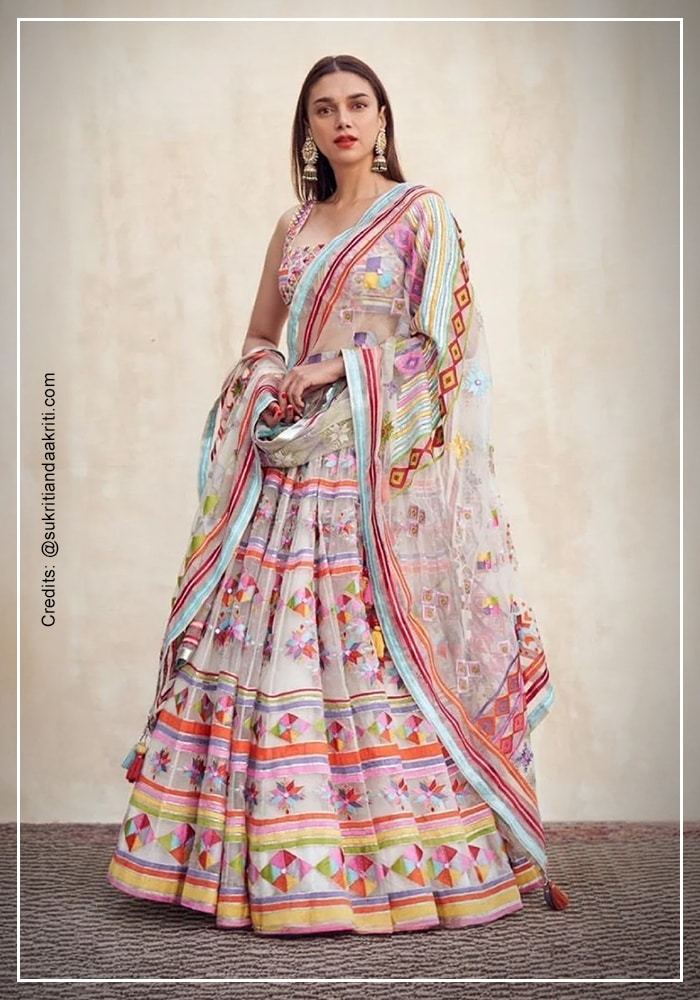
Phulkari embroidery from Punjab is deeply personal. Traditionally stitched by women on khaddar fabric, these Punjabi textiles were created for family milestones rather than trade.
Each motif carries blessings, memories, and affection. Passed down through generations, Phulkari acts as a visual diary, stitched slowly and intentionally.
It is a mother’s language, expressed through thread.
Bhagalpuri Silk: Bihar’s Earthy Accent
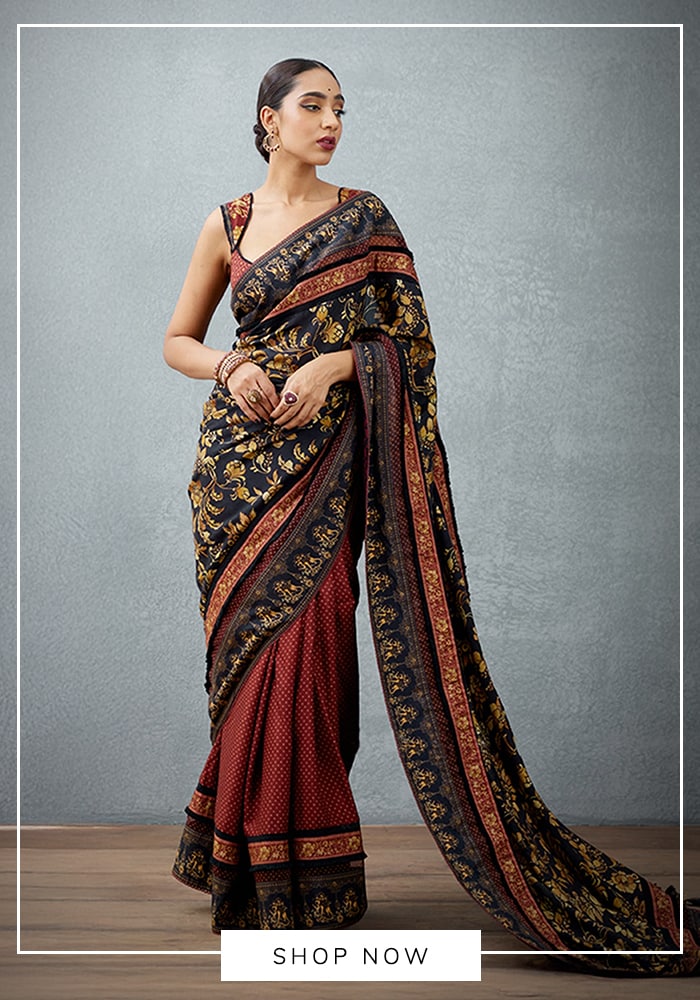
Bhagalpuri silk, also known as Tussar silk, originates from Bhagalpur in Bihar. Known for its natural texture and muted sheen, Bhagalpuri silk sarees reflect a grounded aesthetic.
Inspired by landscapes and local traditions, this textile speaks in an understated dialect. Quiet, resilient, and timeless.
Ajrakh: Geometry as Grammar
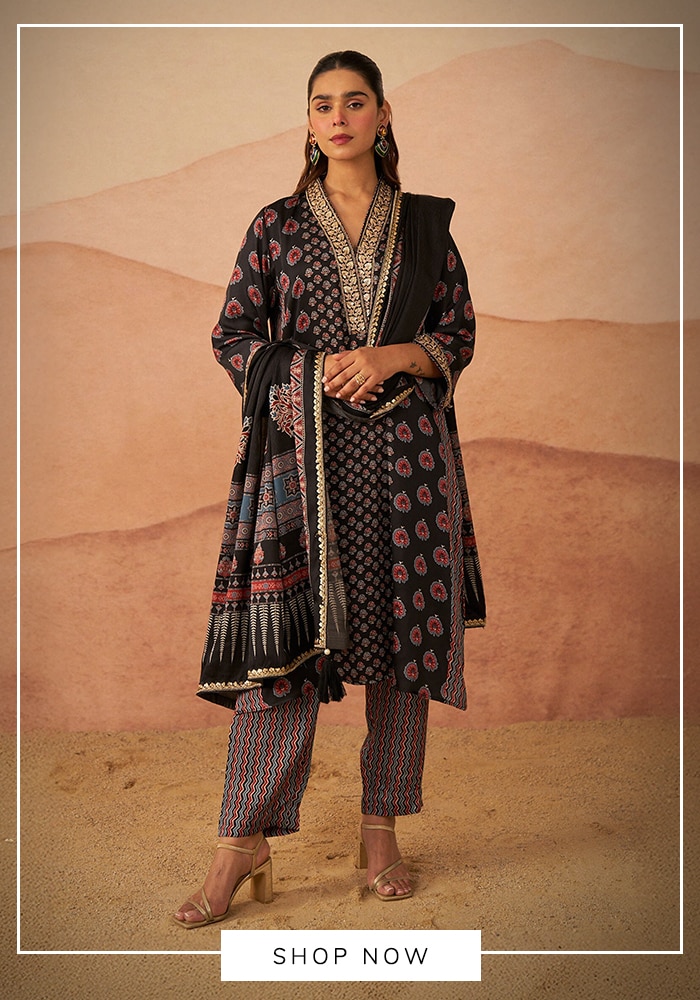
Ajrakh prints from Kutch and Rajasthan are defined by symmetry and repetition. Created using natural dye textiles and resist-printing techniques, Ajrakh follows a strict visual structure.
Traditionally worn by pastoral communities, Ajrakh speaks of balance, sustainability, and belonging. Its patterns function like grammar, measured and intentional.
Kasavu: The Power of Restraint
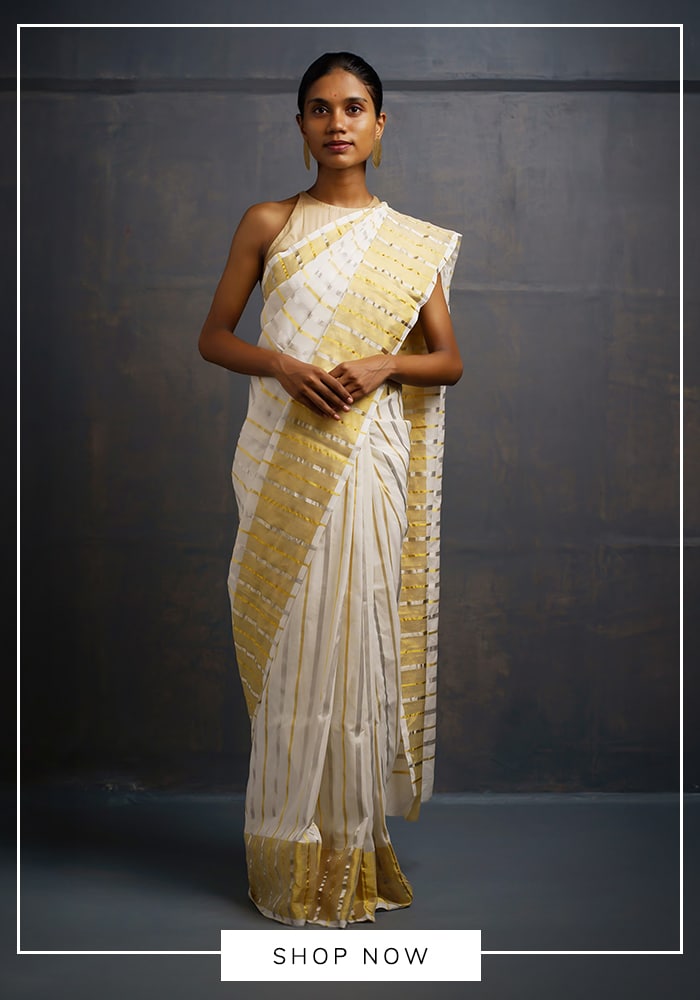
Kasavu sarees from Kerala are instantly recognisable by their ivory body and gold border. As a hallmark of Kerala handloom, Kasavu is worn during Onam and ceremonial occasions.
Its strength lies in minimalism. No excess, no ornamentation. Just clarity and cultural continuity.
Kasavu proves that some mother tongues are spoken best in silence.
Paithani: Maharashtra’s Ceremonial Script
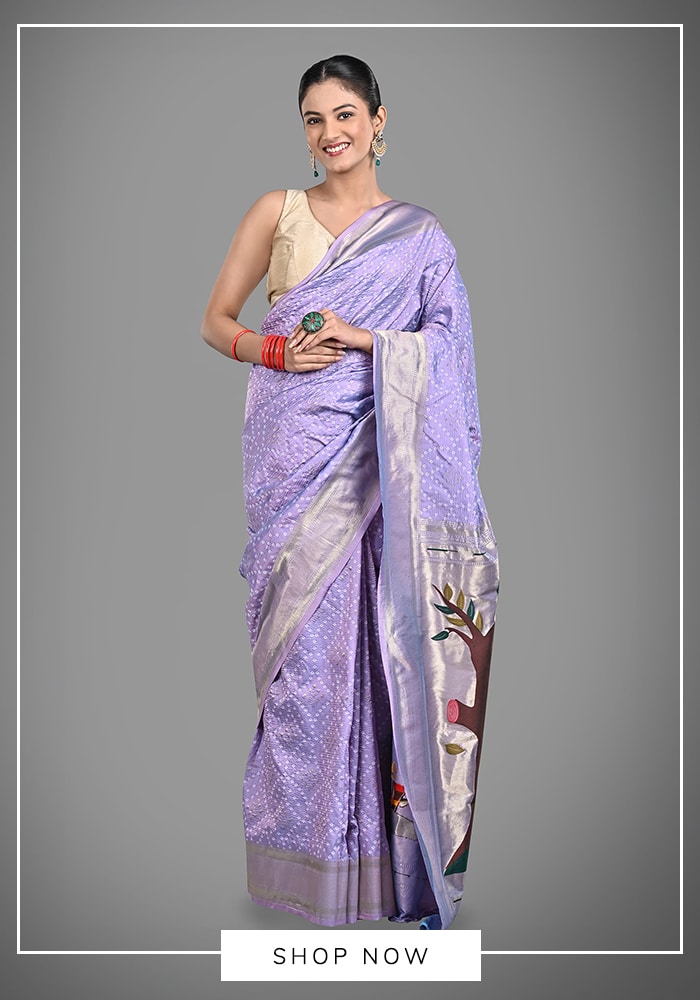
Paithani sarees from Maharashtra are woven like heirlooms. Known for their rich silks and intricate zari work, they feature signature peacock and lotus motifs.
These Maharashtrian silk sarees are reserved for significant moments. Each pallu unfolds like a narrative panel, speaking in a formal, celebratory language.
Wearing Your Heritage
International Mother Language Day reminds us to protect linguistic diversity. Indian textiles extend that reminder into fashion. Choosing handloom, wearing regional crafts, and supporting artisans keep cultural languages alive.
Styling Ikat with modern silhouettes, reimagining Bandhani beyond tradition, or investing in authentic Chanderi and Ajrakh turns clothing into conversation.
Listen to What You Wear
Indian textiles speak. Through colour, weave, and motif, they tell stories words cannot. This February 21st, celebrate not just spoken language, but the cultural eloquence woven into fabric.
Every time you drape Bandhani, Ikat, Chanderi, or any regional textile, you wear heritage. You wear identity. You wear a mother tongue that endures.