
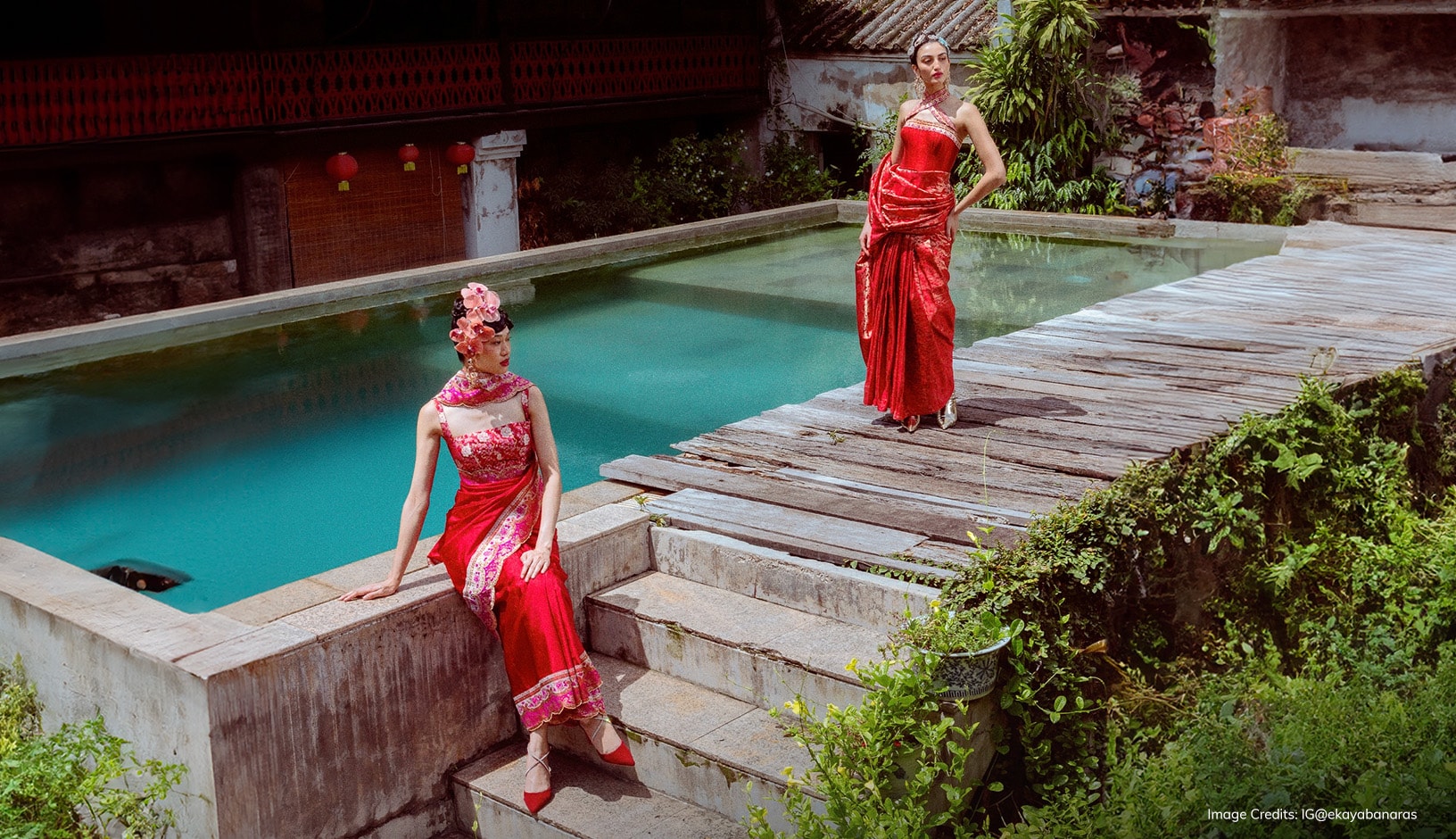
The saree is more than just a piece of clothing; it's a six-yard story woven with threads of culture, history, and tradition. Each region in India has its own unique way of creating this iconic garment, resulting in a breathtaking variety of textiles. From the looms of Banaras to the coastal villages of Kerala, exploring Indian saree traditions is a journey through the country's rich artistic heritage. This guide will walk you through the diverse and beautiful regional sarees of India, each with its own special identity.

Banarasi Silk Saree - Uttar Pradesh
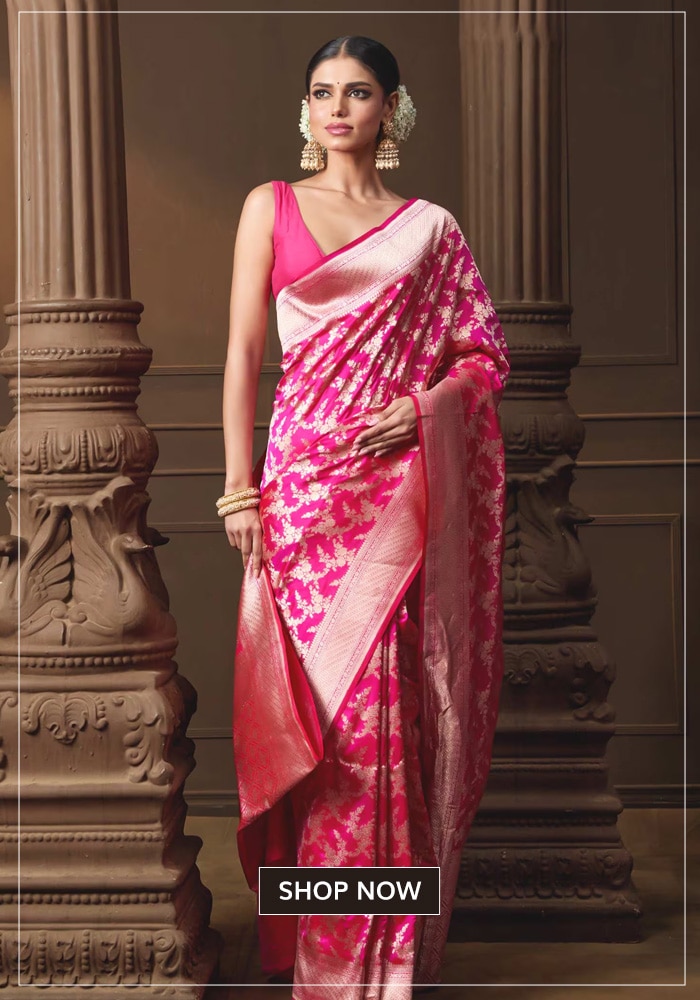
When you think of a bridal saree, the Banarasi often comes to mind. Hailing from Varanasi in Uttar Pradesh, these sarees are renowned for their opulence and grandeur. They are traditionally made from finely woven silk and decorated with intricate designs using real gold and silver threads, a technique known as Zari.
The designs on a Banarasi saree are typically inspired by Mughal art, featuring elaborate floral motifs, foliate patterns, and a distinct string of upright leaves called jhallar at the outer edge of the border. Crafting a single Banarasi can take anywhere from 15 days to six months, depending on the complexity of the design. This makes it one of the most cherished traditional sarees for weddings and festive occasions.
Kanjeevaram Silk Saree - Tamil Nadu
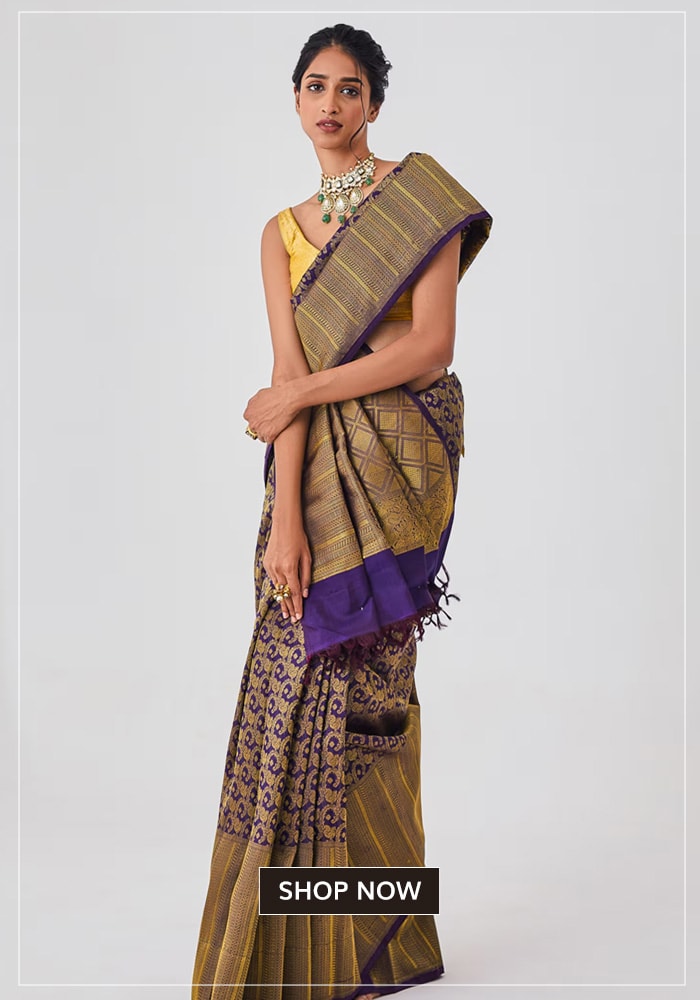
From the temple town of Kanchipuram in Tamil Nadu comes the magnificent Kanjeevaram or Kanchipuram saree. Known for its rich colors, heavy silk, and contrasting borders, it is a symbol of elegance and grace in South India. These sarees are woven from pure mulberry silk threads.
A unique feature of the Kanjeevaram is its distinctive weaving technique. The body, border, and pallu (the decorative end piece) are often woven separately and then interlocked together with a strong zig-zag stitch called korvai. The designs frequently draw inspiration from temple architecture, nature, and ancient paintings, featuring motifs like peacocks, parrots, and suns. A genuine Kanjeevaram is durable and can last for generations, making it a precious heirloom.
Paithani Saree - Maharashtra
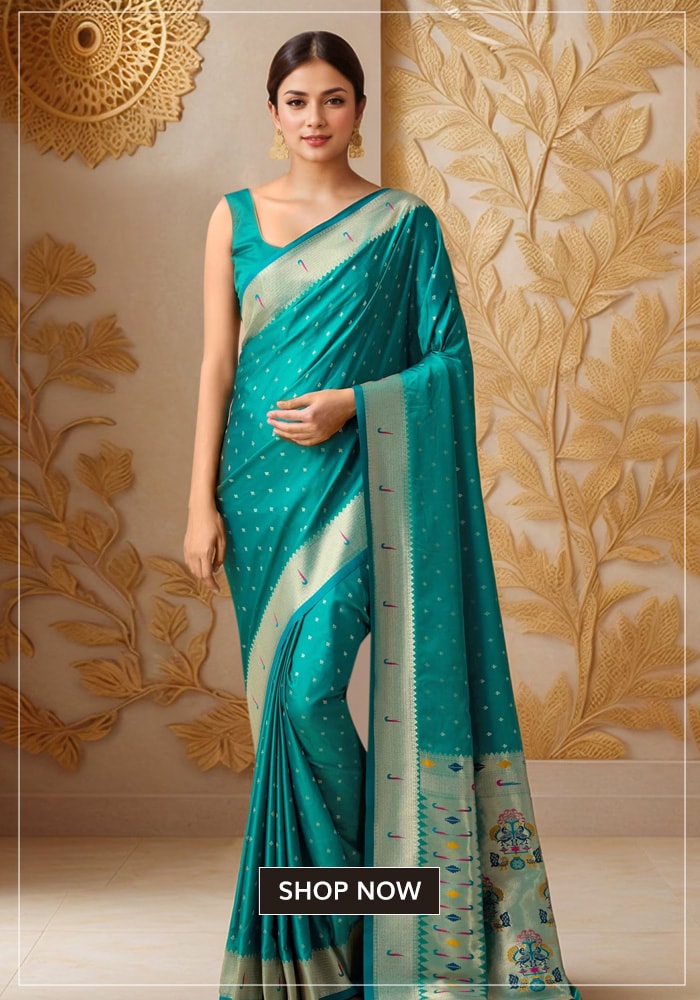
Originating from Paithan in Maharashtra, the Paithani saree is a masterpiece of handwoven silk. It is often called the "Queen of Silks" and is characterized by its kaleidoscopic effect, achieved by using one color for the lengthwise weave and another for the widthwise weave.
The most striking element of a Paithani is its pallu, which is adorned with peacock, flower, or vine motifs woven in vibrant silk threads. The borders are typically oblique and square, adding to its unique look. This saree represents the rich cultural tapestry of Maharashtra and is a staple at weddings and important ceremonies.
Bandhani Saree - Gujarat & Rajasthan
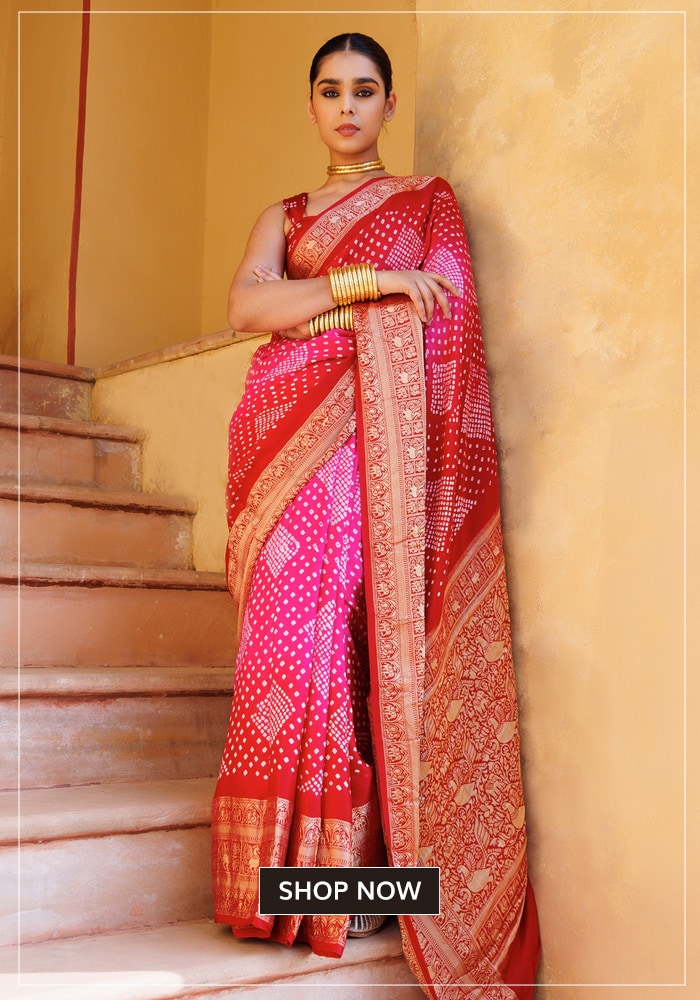
The Bandhani saree, also known as Bandhej, is a vibrant testament to the tie-dye traditions of Gujarat and Rajasthan. The name comes from the Sanskrit word bandha, which means "to tie." The process involves tying thousands of tiny knots on a piece of fabric before dyeing it. When the knots are untied, they reveal intricate patterns like dots, squares, and waves.
Bandhani sarees are usually made from fine cotton, silk, or georgette and come in a riot of bright colors like red, yellow, green, and blue. The patterns often symbolize different things; for example, a bridal Bandhani might feature specific motifs believed to bring good fortune.
Chanderi Saree - Madhya Pradesh
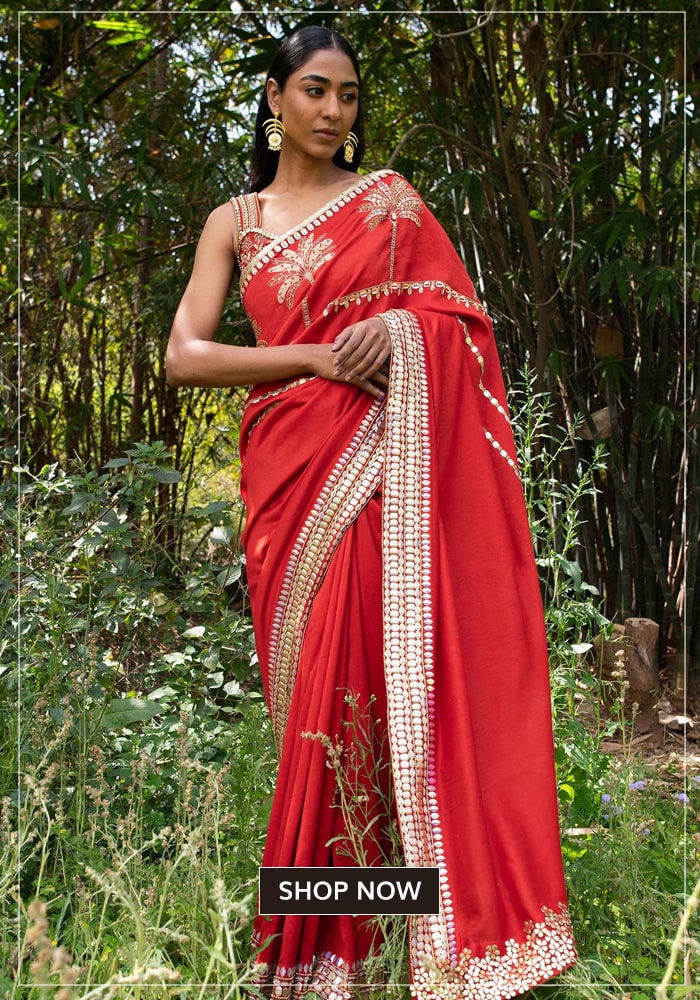
Lightweight, sheer, and elegant, the Chanderi saree from Madhya Pradesh is a blend of comfort and style. Traditionally, these sarees were woven using silk and cotton, creating a unique texture that is both soft and glossy. Modern Chanderi sarees are also made from pure silk or pure cotton.
The beauty of a Chanderi lies in its simplicity and sophisticated motifs. Weavers create delicate patterns of coins, peacocks, and geometric shapes on the fabric. The sheer texture makes it perfect for warmer climates, and its understated elegance has made it a favorite for both casual and formal wear.
Sambalpuri Ikat Saree - Odisha
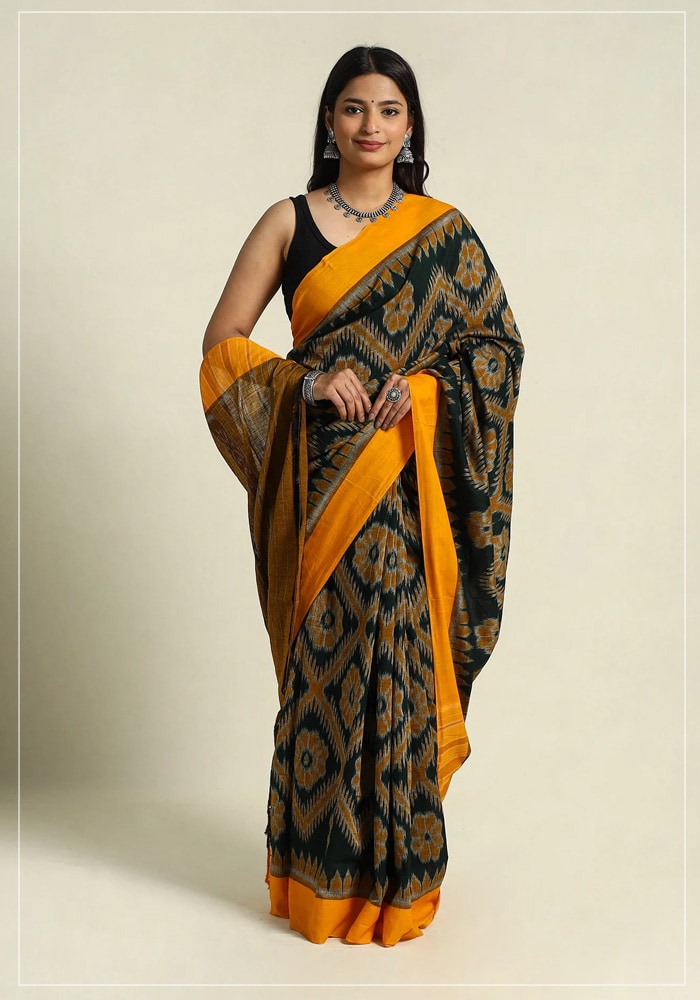
The Sambalpuri saree from Odisha is a work of art created using the Bandha-Kala or Ikat technique. In this method, the threads are tie-dyed before they are woven, a complex process that requires immense skill and precision. This pre-weaving dyeing results in patterns that appear feathered or hazy, a signature look of Ikat.
Sambalpuri sarees are known for their traditional motifs inspired by nature and mythology, such as shells (shankha), wheels (chakra), and flowers (phula). These sarees can be made from both silk and cotton and are celebrated for their rich symbolism and masterful craftsmanship.
Muga Silk Saree - Assam
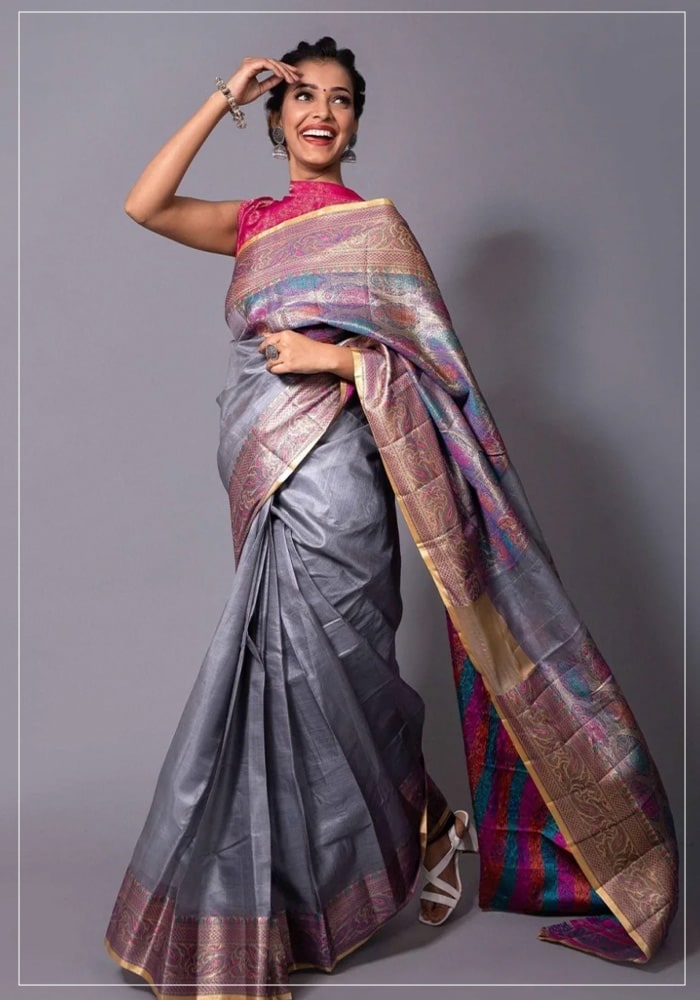
From the northeastern state of Assam comes the Muga silk saree, a garment prized for its natural golden sheen and extreme durability. Muga silk is produced by a semi-domesticated silkworm found only in Assam, making this textile incredibly rare and exclusive.
One of the most remarkable properties of Muga silk is that its luster increases with each wash. The sarees are often decorated with intricate embroidery in red, black, or green threads, featuring motifs from the local flora and fauna. A Muga silk saree is not just an outfit; it's an investment and a symbol of Assamese heritage.
Kasavu Saree - Kerala
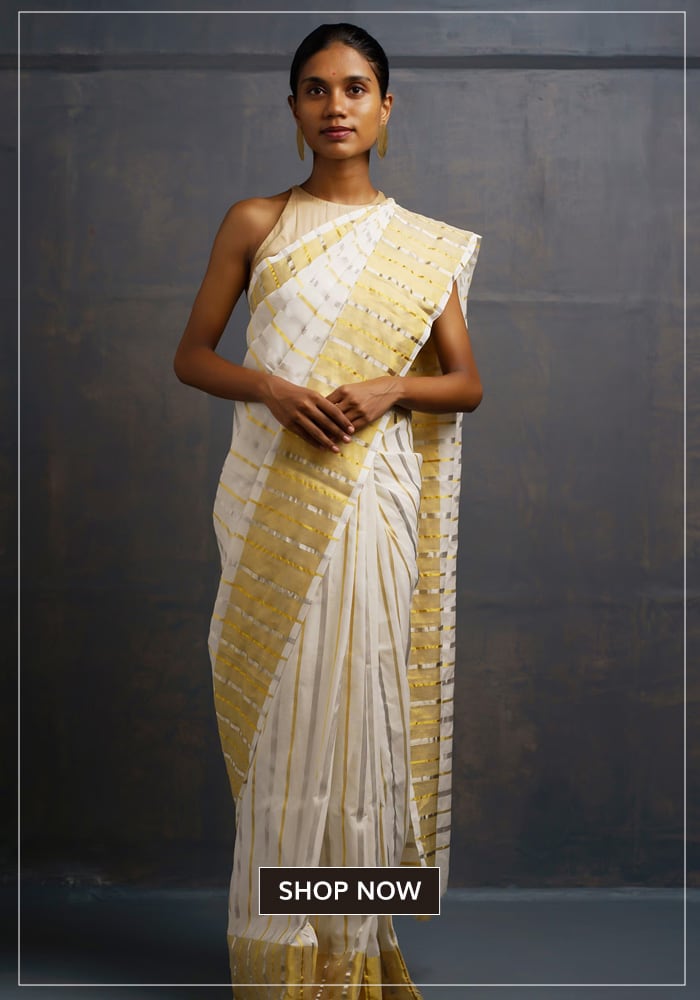
The Kasavu saree is the traditional attire of women in Kerala, easily recognizable by its elegant off-white or cream color with a golden border, known as the kasavu. Originally, the border was made with real gold threads, but today it is often made with gold-colored Zari.
This saree embodies simplicity and grace. Its minimalistic design makes it suitable for all occasions, from daily wear to religious ceremonies and festivals like Onam. The beauty of the Kasavu saree lies in its understated elegance, proving that style does not always need to be loud.
Baluchari and Kantha Sarees – West Bengal
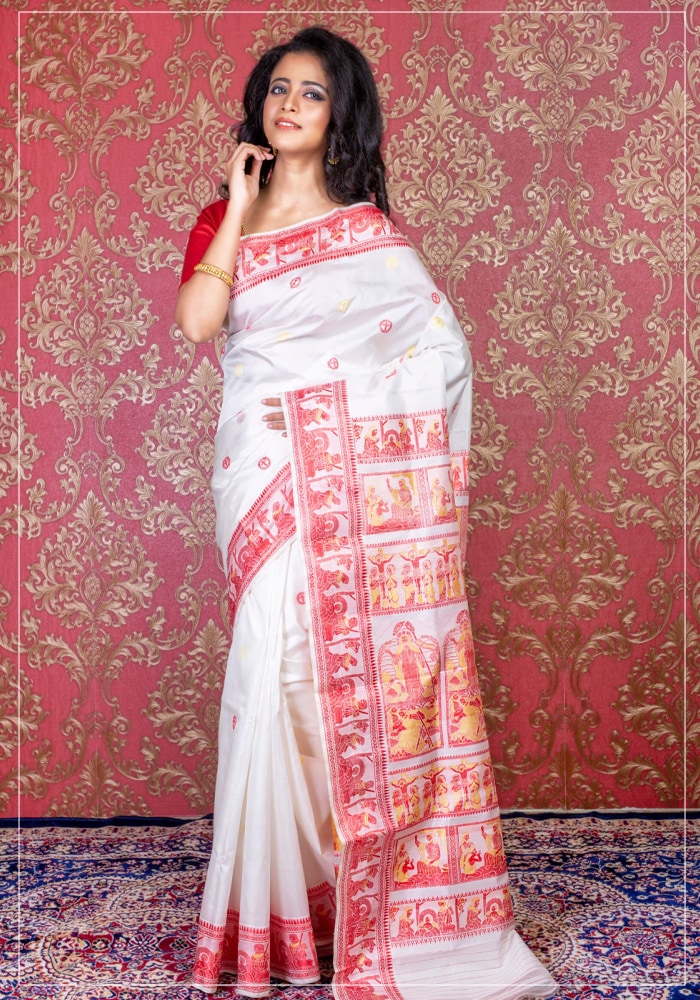
West Bengal is famous for its elegant Baluchari sarees, which are woven from luxurious silk and feature intricate mythological scenes and floral motifs on the pallu, often inspired by stories from epics like the Mahabharata and Ramayana. The process involves detailed craftsmanship, and these designer sarees are considered symbols of tradition and sophistication.
Another cherished saree from Bengal is the Kantha saree, known for its signature hand-embroidered patterns. Using a simple running stitch, artisans create motifs of flowers, animals, and folk tales. Kantha sarees are made from cotton or silk and showcase Bengal’s heritage of storytelling through needlework.
Ilkal and Mysore Silk Sarees – Karnataka
Karnataka boasts several celebrated saree traditions. The Ilkal saree, from the town of Ilkal, blends cotton and silk and is easily recognized by its signature red "tope teni" border and pallu adorned with distinctive patterns. These sarees are everyday favorites in northern Karnataka for their comfort and striking look.
Equally renowned is the Mysore Silk saree, noted for its purity, subtle sheen, and rich, vibrant colors. Woven from pure mulberry silk, Mysore Silk sarees often feature delicate gold Zari borders and minimalistic elegance, making them perfect for both festive occasions and formal events.
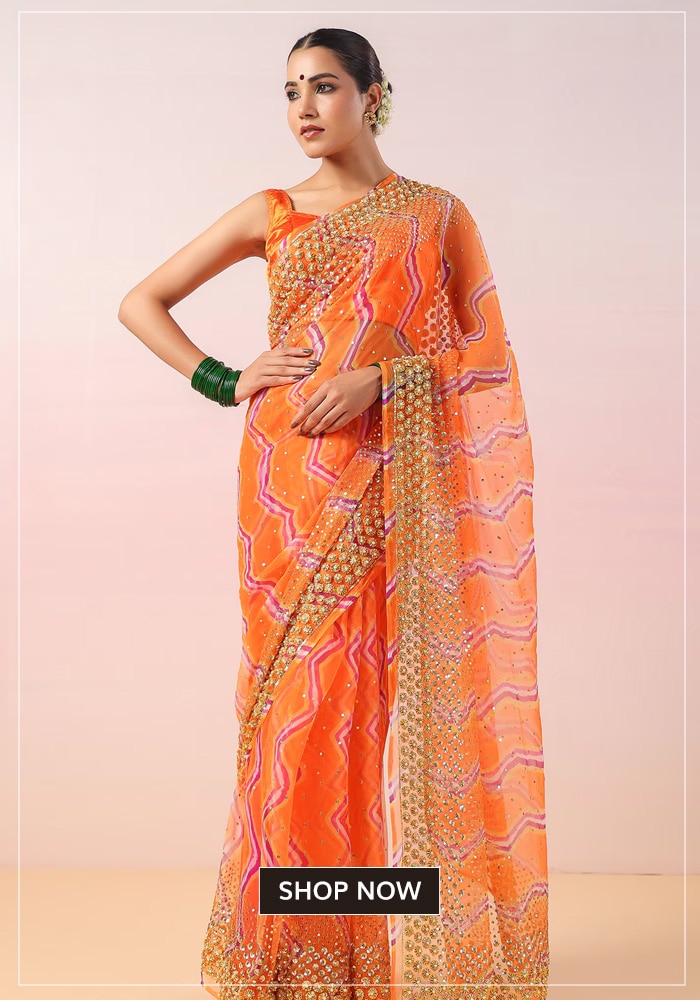
Lehriya Saree – Rajasthan
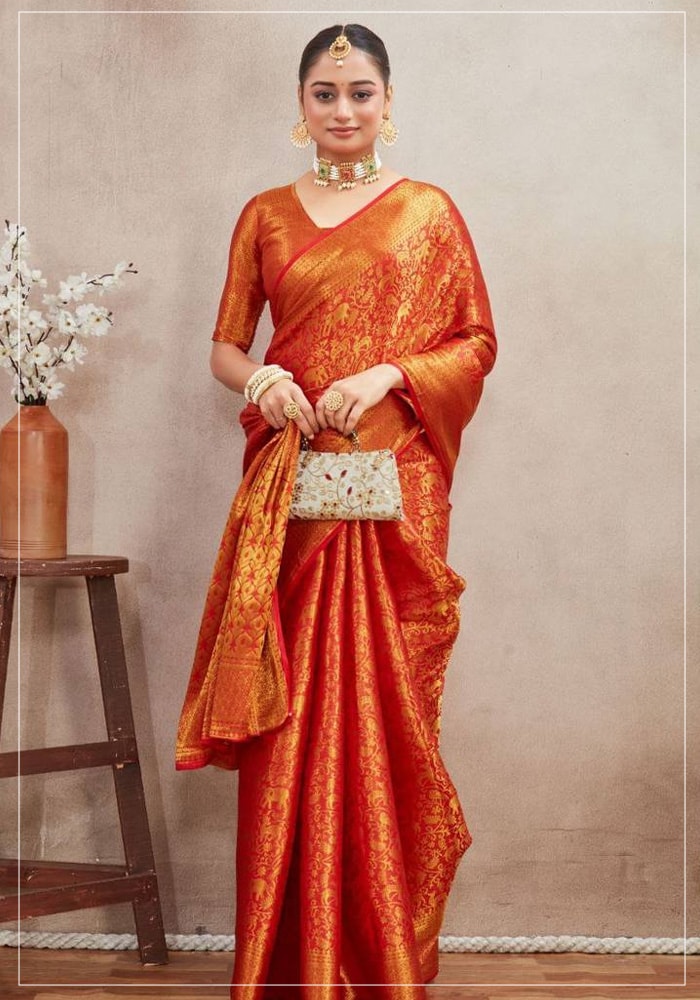
Distinct from Bandhani, the Lehriya saree is a tie-dye tradition famous in Rajasthan, especially during the monsoon festival of Teej. The name "Lehriya" refers to the wave-like patterns created on brightly colored, lightweight fabrics such as chiffon, silk, or cotton. Artisans achieve these patterns by rolling the fabric diagonally and tying it at intervals before dyeing. The finished saree is playful, vivid, and carries the spirit of Rajasthan’s vibrant culture.
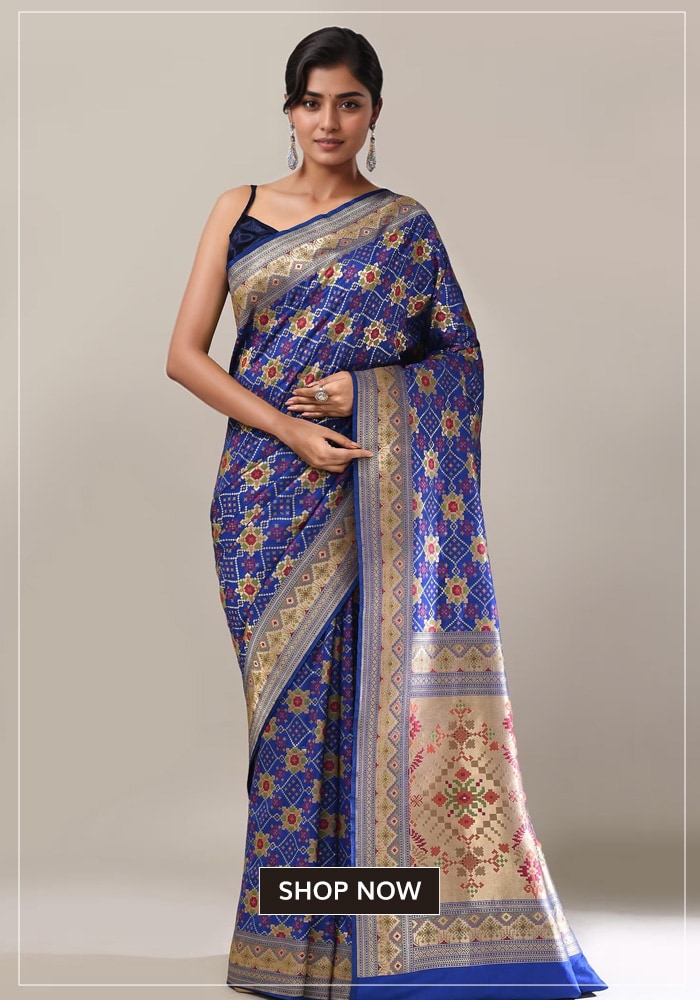
Patola Saree – Gujarat
Patola sarees from Patan, Gujarat, are an extraordinary example of double Ikat weaving—one of the most complicated textile techniques in the world. Both warp and weft threads are precision-dyed before weaving to create elaborate geometric or floral designs, with blurring at the boundaries representing the skill-intensive artistry. Once reserved for royalty, Patola sarees remain symbols of prestige, cherished for their intricate patterns and radiant colors.
Each saree is a reflection of its region's history, environment, and artistic soul. Understanding these different saree weaving techniques and traditions helps us appreciate the skill and dedication that goes into creating every single piece. Whether you are a connoisseur or simply an admirer, the journey through India’s saree traditions is a colorful and rewarding one.