


Zari has long been an integral part of women's closet, weaving its way through generations of elegance and traditions. From timeless kanjeevarams and banarasi silk sarees to contemporary favorites like tissue and organza sarees, intricate zari craftmanship continues to elevate Indian bridal and festive wear through its radiance.
A delicate process, real zari is crafted by wrapping a silk thread with high quality silver and electroplating it with gold. This delicately slow and detailed process is conducted over multiple stages to make the metals supple enough to be woven into fabrics. This is one of the reasons, zariwork has now become a rare luxury.
However, in today’s market, inexpensive alternatives are quickly replacing the original. Faux zari, often made from copper-core threads coated with thin silver linings or lurex (a type of metallic plastic film), can stiffen fabrics and diminish their grace over time. These imitations tend to lose their shine, fade in colour, and ultimately strip garments of their heirloom quality.
So how do you identify real zari? Unfortunately, the naked eye is unable to spot the difference. But there are few ways you can spot fake zari while shopping for it. Not just at Aza Fashions, you can use these tips everywhere to ensure that you are making an informed, enduring purchase.
6 Tips to Spot Real Zari
Fake or real, these six tricks will help find original zari work.

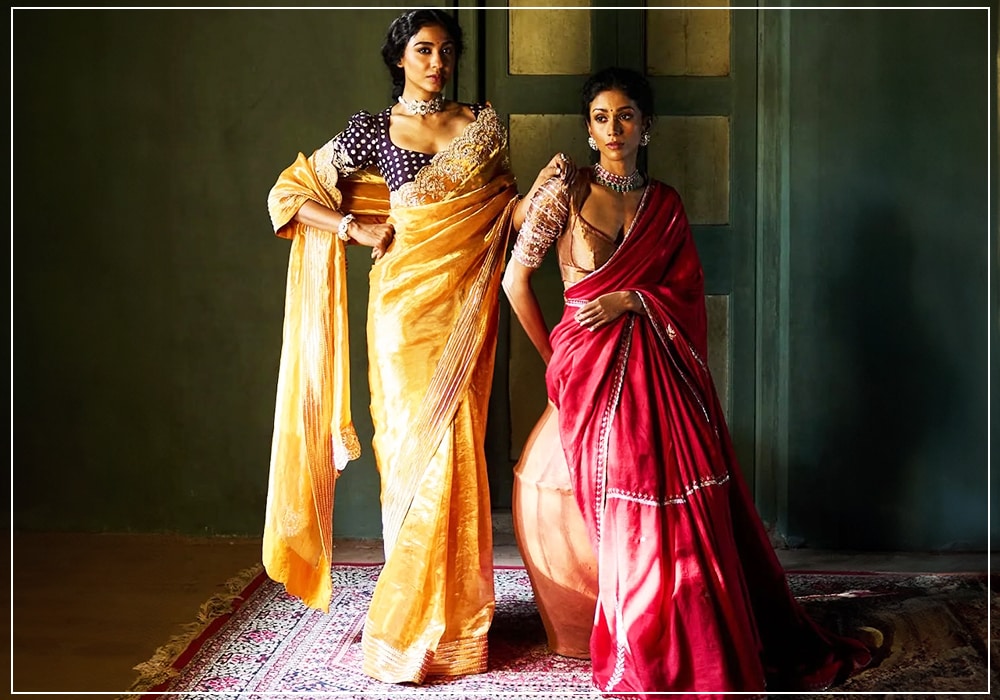
Weight Assurance
One of the easiest ways to spot real zari: Check the weight to see is its heavy. Pur zari is made from silver and gold metals which add a significant amount of weight to the fabric. If the garment feels too light despite intricate zari work, then voila! You have come across a faux zari.
The Glow check
Authentic zari is made from gold and silver threads that give them a subtle yet understated shine. The metallic threads will have a deeper, warm finish that isn’t too reflective, a telltale sign of genuine craftsmanship.

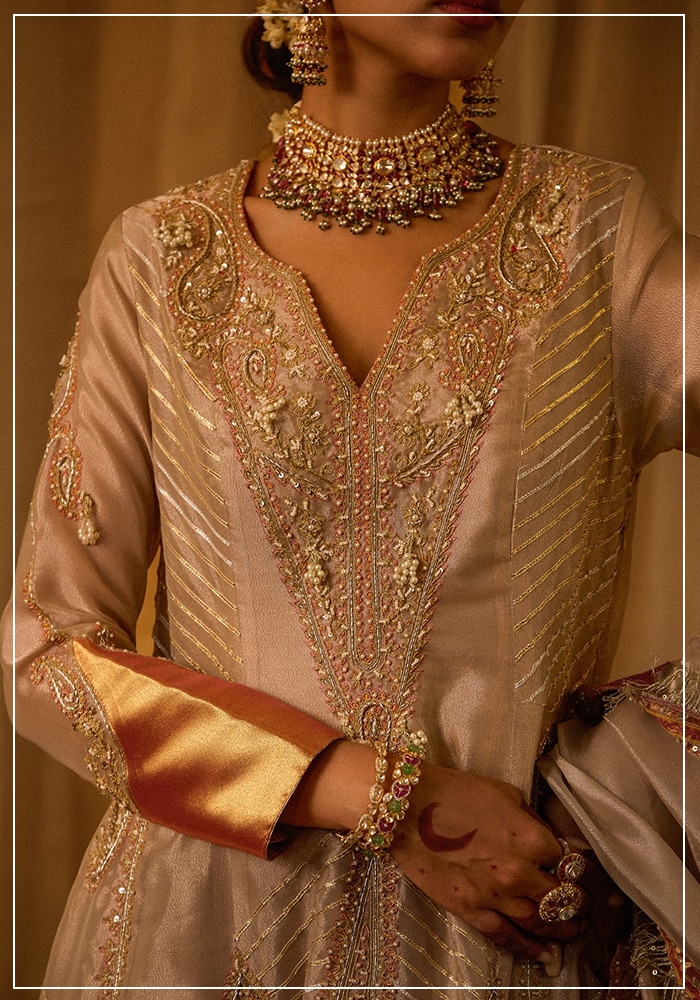
The Burn Test
A small thread (from the inside hem) can be pulled out and burnt carefully. Real zari emits the smell of burning metal and leaves behind ash. In contrast, imitation zari made of synthetic fibers will melt like plastic and give off a chemical odor.
Warning: Do this test only with expert guidance or from an unused thread, and preferably not on new or expensive sarees.
Rubbing for authenticity
Rub the zari gently between your fingers. If it starts to fade to reveal a red, green, or plastic-like base underneath, it’s most likely fake zari. Real zari will retain its structure and color even after light rubbing.
Ask for Certification
Most genuine real zari Banarasi sarees come with a Silk Mark and Zari authenticity certificate issued by authorized weavers and organizations. So always make sure to request proper documentation when purchasing a high-value saree.
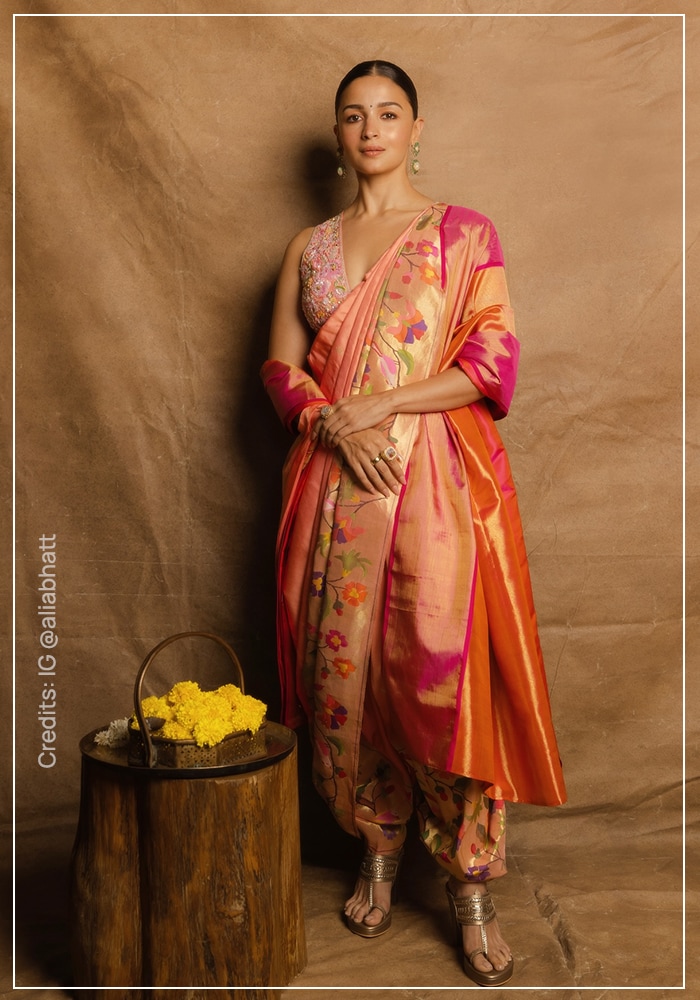
Weaving evaluation
In real zari sarees, the metallic thread is seamlessly integrated into the fabric and reflects uniformity in design. Imitation zari sarees, on the other hand may appear uneven or loosely finished.
Whether you’re eyeing a zari silk saree for your bridal trousseau or a pure zari Banarasi for Diwali, knowing how to verify real zari helps you appreciate the value and artistry behind each piece. If you are shopping online, purchase from trusted sites like Aza Fashions, to be ensured that the saree delivered to you is not faux in design and in authenticity.