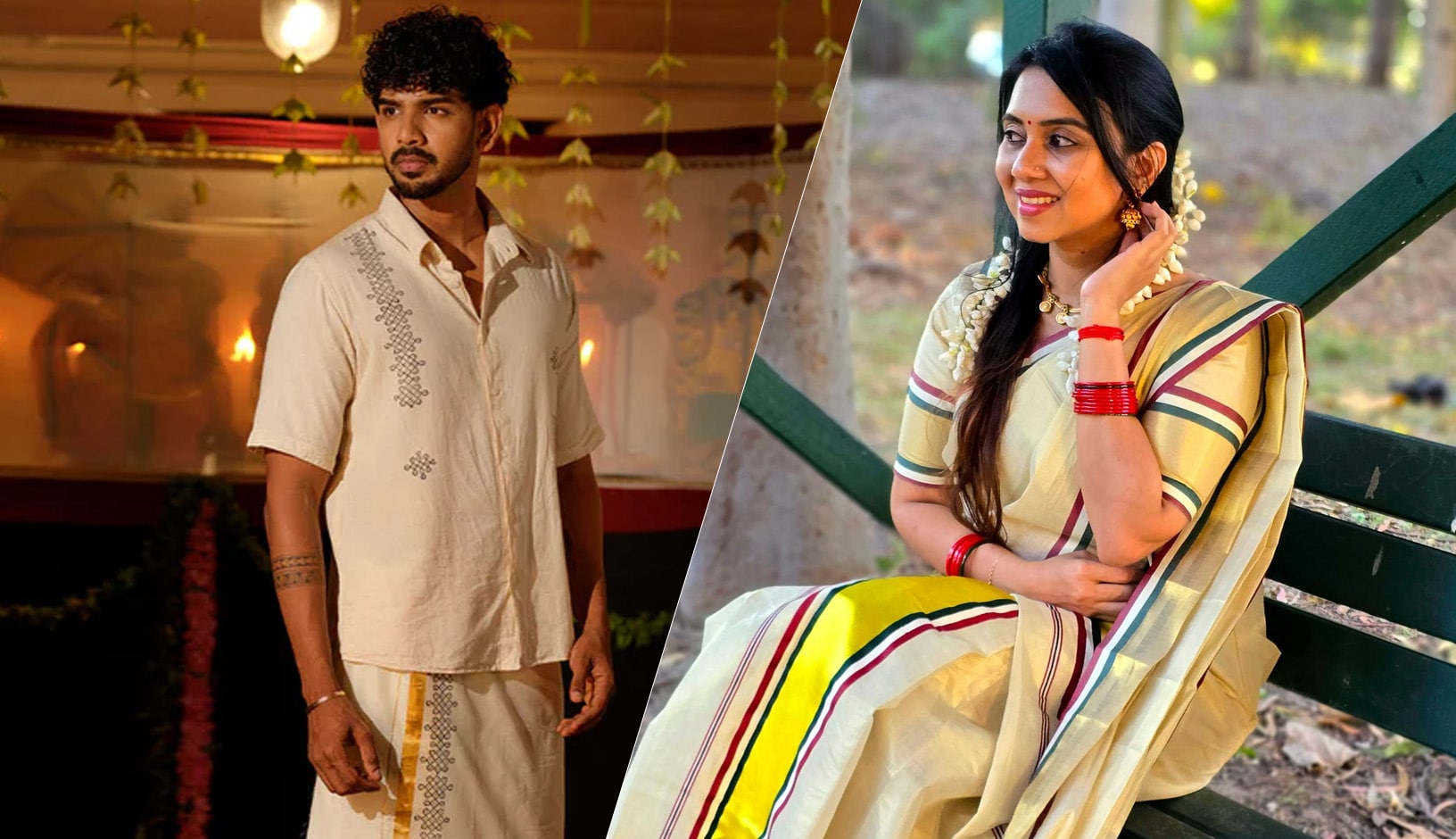
Instantly recognizable, this handloom attire is more than just clothing. It is a legacy passed down through generations, worn during festivals, weddings, and ev
There is a simple elegance to the textiles of Kerala, a state often called "God's Own Country." At the heart of this tradition is the Kasavu Mundu, a beautiful white and gold garment that represents purity, simplicity, and cultural pride.
Instantly recognizable, this handloom attire is more than just clothing. It is a legacy passed down through generations, worn during festivals, weddings, and every significant life event. Its timeless appeal has traveled far beyond the borders of Kerala, capturing the imagination of fashion lovers everywhere.
In this guide, we will explore the rich history behind the Kasavu Mundu, understand the intricate process of its creation, and see how it continues to charm the modern world.
What is a Kasavu Mundu?
At its simplest, Kasavu Mundu is a traditional garment from Kerala. The name itself breaks down into two parts:
Kasavu: Refers to the golden zari thread that forms the signature border.
Mundu: Refers to the unstitched lower garment, similar to a dhoti or sarong.
Traditionally, the attire comes as a two-piece set called the 'mundum neriyathum'. The 'mundu' is draped around the lower body, while the 'neriyathu' is a smaller piece of cloth worn over the shoulder, covering the blouse. When this is woven into a single six-yard piece, it becomes the famous Kerala Kasavu Saree.
The fabric is typically off-white or cream-colored, handwoven from fine cotton, making it perfect for Kerala's humid climate. This striking contrast between the plain cotton body and the shimmering gold border is what gives the Kasavu its unique and sophisticated look.
The Royal Origins of the Kasavu Mundu
The story of the Kasavu Mundu is woven into the very fabric of Kerala's history. Its origins can be traced back to the Buddhist era, where ancient texts mention a similar garment called 'Sattika'.
However, the real momentum for this handloom industry began in the early 19th century under the rule of Maharaja Balarama Varma of Travancore. He and his chief minister, Ummini Thampi, were visionaries who wanted to revolutionize the local textile industry. They invited a community of highly skilled weavers, known as the 'Shaaliyar,' from Nagercoil in modern-day Tamil Nadu to settle in Kerala.
As a gesture of gratitude to the royal family, these weavers created unique handwoven cotton garments for them using local materials. The royal family adored these fine, breathable fabrics, and soon, the demand for them grew among the upper classes.
The arrival of European traders like the Portuguese and Dutch also played a role. Gold was often exchanged for spices in a barter system. The royal women found a new way to showcase their wealth: by weaving this gold into the borders of their clothes. This is how the iconic golden 'Kasavu' border was born.
The Art of Weaving: How is a Kasavu Mundu Made?
Creating a Kasavu Mundu is a meticulous process that requires skill, patience, and a deep understanding of traditional techniques. It all happens by hand, from spinning the yarn to weaving the final fabric.
1. Preparing the Yarn
The journey begins with sourcing the raw materials. The fine cotton yarn often comes from Salem in Tamil Nadu, while the zari threads are procured from Surat in Gujarat.
The raw cotton is hand-spun into yarn.
These yarn rolls are then soaked in a mixture of water and kanji (rice starch) for about a week. This process softens the yarn and removes any impurities. Weavers often stomp on the yarn bundles to ensure they are thoroughly cleaned.
After a week, the yarn is taken out and prepared for the loom.
2. Setting Up the Loom
This is a crucial step that is traditionally done in the early morning hours, between 4 AM and 7 AM, when the climate is cool and has the right amount of humidity.
The yarn is stretched to create the warp (the vertical threads on a loom).
It is re-starched and brushed with a comb made from coconut fiber to make it smooth and strong.
The prepared warp is then carefully knotted onto the loom, and the weavers use melted wax on their fingers to get a better grip while tying the fine threads.
3. The Weaving Process
The weaving itself takes place on a traditional pit loom or handloom. The weaver sits with their feet in a pit, operating the pedals to move the heddles that lift and lower the warp threads. The weft thread (the horizontal thread) is passed through, slowly creating the fabric line by line.
The golden Kasavu border is woven in last. The zari threads are carefully integrated into the fabric's edge, creating the signature design. While much of the weaving is still done on handlooms, some production has moved to power looms to meet demand, though connoisseurs can tell the difference in texture.
Design Elements and Modern Evolution
The beauty of a traditional Kasavu Mundu lies in its minimalism. For centuries, the design was simply a plain cream body with a pure gold border. However, the garment has gracefully evolved over time.
Traditional Motifs
While the body remains largely unadorned, weavers sometimes add small, subtle motifs or 'butis' to the fabric. Popular traditional designs often appear on the pallu or corners and include:
Peacocks
Temple designs
Mango paisleys
Trees and flowers
The Splash of Color
A significant evolution is the introduction of color. Modern Kasavu borders are not just limited to gold. You can now find them in vibrant shades of green, red, orange, and maroon, often with a gold outline. This adds a contemporary flair while preserving the traditional feel. The blouse paired with the Kasavu is often a bright color, creating a beautiful contrast.
The Kasavu Mundu in Today's World
The Kasavu Mundu is far from being a historical artifact. It is a living, breathing part of Keralite culture and a growing trend in Indian fashion.
Cultural Significance
The Kasavu is the official festive wear of Kerala. You will see both men and women proudly wearing it during:
Onam: The state's largest harvest festival.
Vishu: The Malayali New Year.
Weddings: The Kasavu saree is a classic choice for brides and wedding guests.
Temple Visits: The white and gold is considered pure and appropriate for religious occasions.
A Fashion Statement
The Kasavu's elegant and understated aesthetic has made it popular across India and beyond.
Designer Collections: Top designers have reinterpreted the Kasavu, adding modern prints, elaborate embroidery, and contemporary drapes.
Red Carpet Style: Celebrities often choose Kasavu sarees for red carpet events, showcasing their timeless appeal.
Global Popularity: Its simplicity and comfort have made it a favorite among those who appreciate sustainable, handcrafted fashion.
Conclusion
The Kasavu Mundu is a perfect example of how tradition and modernity can coexist beautifully. It is a garment that tells a story of royalty, craftsmanship, and cultural identity. From the skilled hands of the Shaaliyar weavers to the festive celebrations of Onam, every thread is infused with history.
Owning a Kasavu Mundu is like owning a piece of Kerala's soul. It represents a connection to a rich heritage while remaining effortlessly stylish. So, the next time you see that elegant sweep of cream and gold, you will know you are looking at more than just a piece of clothing—you are looking at a masterpiece of Indian handloom.
Aza Staff is a team of writers, creators, and industry insiders who live and breathe fashion. We explore the craft, culture, and creativity behind India’s luxury design scene, bringing you stories that are equal parts stylish and soulful.