
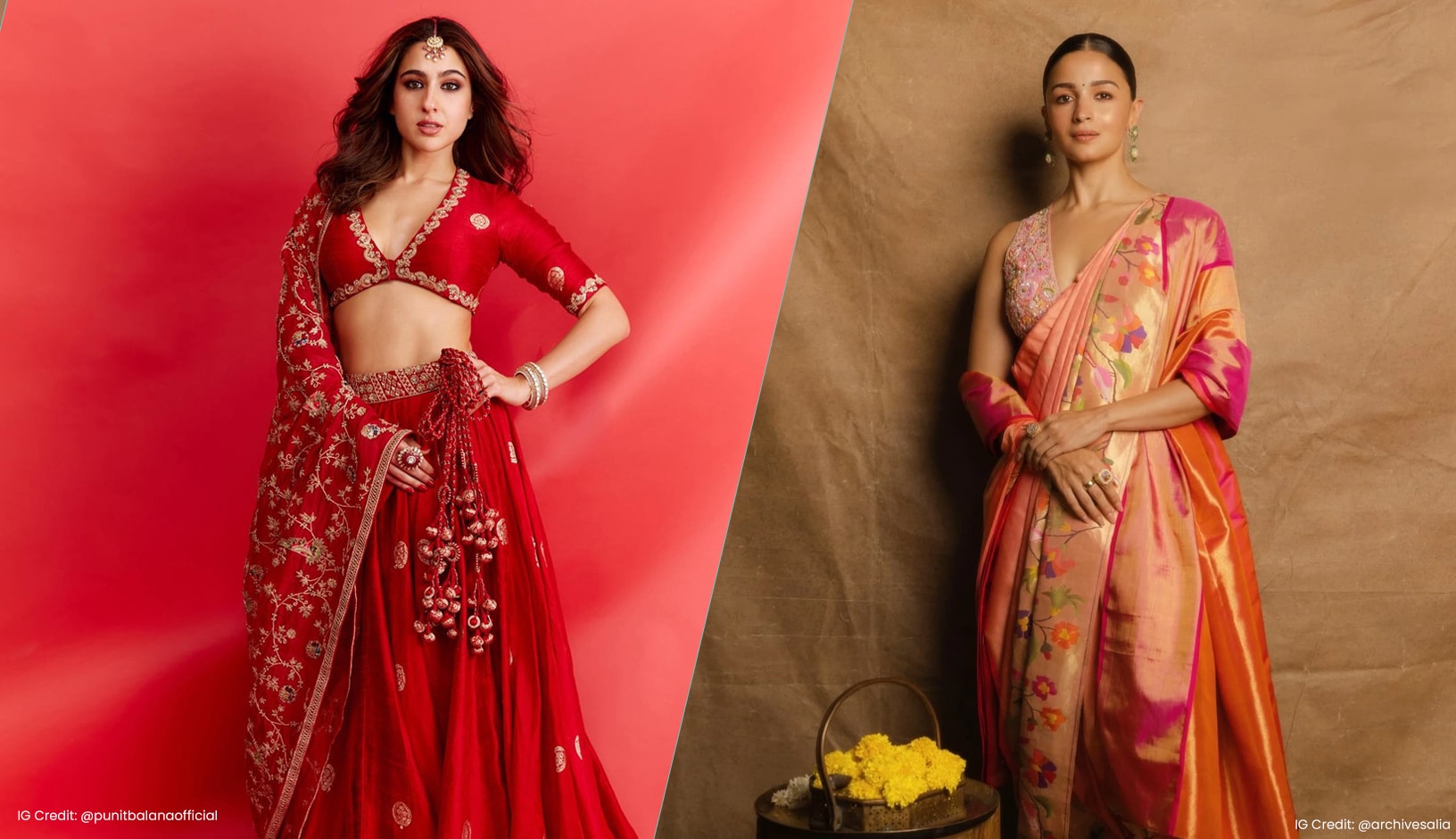
In the world of Indian ethnic fashion, the lehenga and the saree are the two undisputed stars. Both are deeply rooted in tradition, endlessly versatile, and capable of making any woman feel extraordinary. But choosing between them especially for a wedding, festival, or major celebration can feel like one of the hardest style decisions you will make.
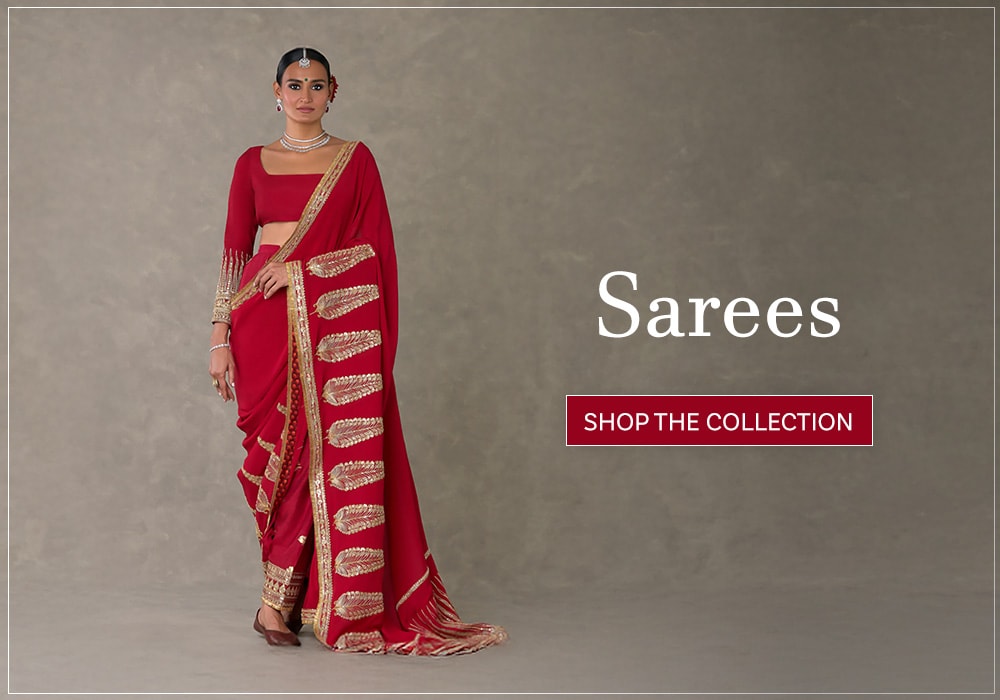
India’s unwavering love affair with the ever-timeless saree and lehenga is what makes them the two unrivalled stars of Indian ethnic fashion. In the lehenga vs saree debate, both hold a place of pride and sentiment in a woman’s wardrobe Sari draws its name from the Sanskrit origin, which translates to ‘a piece of cloth,’ but has, however, transcended the meaning of its name. Today, it embodies femininity and womanhood. With most coming-of-age women desiring to express their emotions as well as their bodies, the saree is viewed as a means to reflect their cultural roots, heritage, and identity.

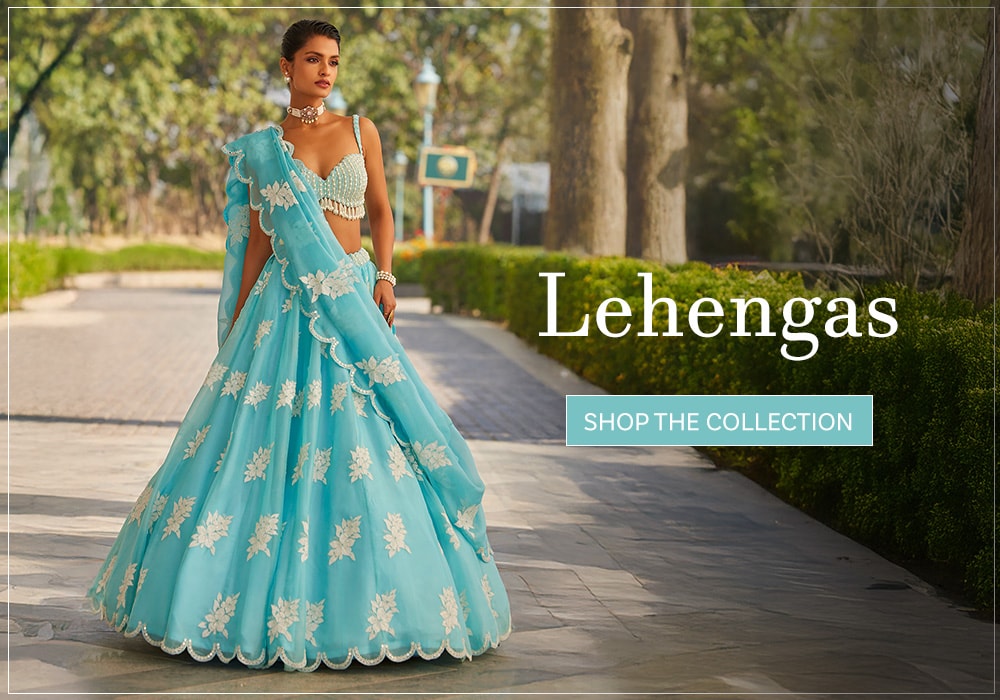
The lehenga, on the other hand, is an indispensable staple in every woman’s wedding trousseau. The timeless appeal of the lehenga choli still fascinates the entire country with its Mughal-era-inspired detailed finery and exquisite craftsmanship. Through centuries, it has successfully retained its essence while also adapting to the style preferences of the succeeding generations.
Like the two timeless divas in India’s sartorial saga, the saree and the lehenga each claim their own stage. While the saree flows like poetry with six yards of grace that whisper tales of heritage, the lehenga dances like a celebration and carries a whirl of colour and craftsmanship with it, dipped in Mughal-era opulence. The saree drapes tradition gracefully, and the lehenga twirls with festive grandeur, making them the twin pillars of Indian occasion wear.
Lehenga or Saree: The Ultimate Showdown
No matter the celebration, there’s one question that bothers every woman: should you dance away in a twirl-worthy lehenga or drape yourself in a generational heirloom saree? Deciding between these two outfits is more than just a style choice but a reflection of the personality, comfort, tradition, and also the mood of the event. The decision boils down to the type of occasion that you are attending or will be a part of, your comfort level, body type, and your budget.
Let’s help you compare the two choices across all the factors that matter, including the latest fashion trends, your style preference, comfort, occasion, and more.
What is the Difference Between a Lehenga and a Saree?
Here’s a breakdown of how lehengas and sarees differ in style, comfort, occasions, and more to help you decide which suits you best.
Ease of Wearing
Lehengas come with ready-to-wear blouses and lehenga skirts featuring zippered or drawstrings, making them a hassle-free choice when you simply want to slip into an occasion wear and head out. Sarees, on the other hand, need you to ace draping skills but with more and more women leaning towards fuss-free silhouettes, the pre-draped or readymade sarees are gaining huge momentum.

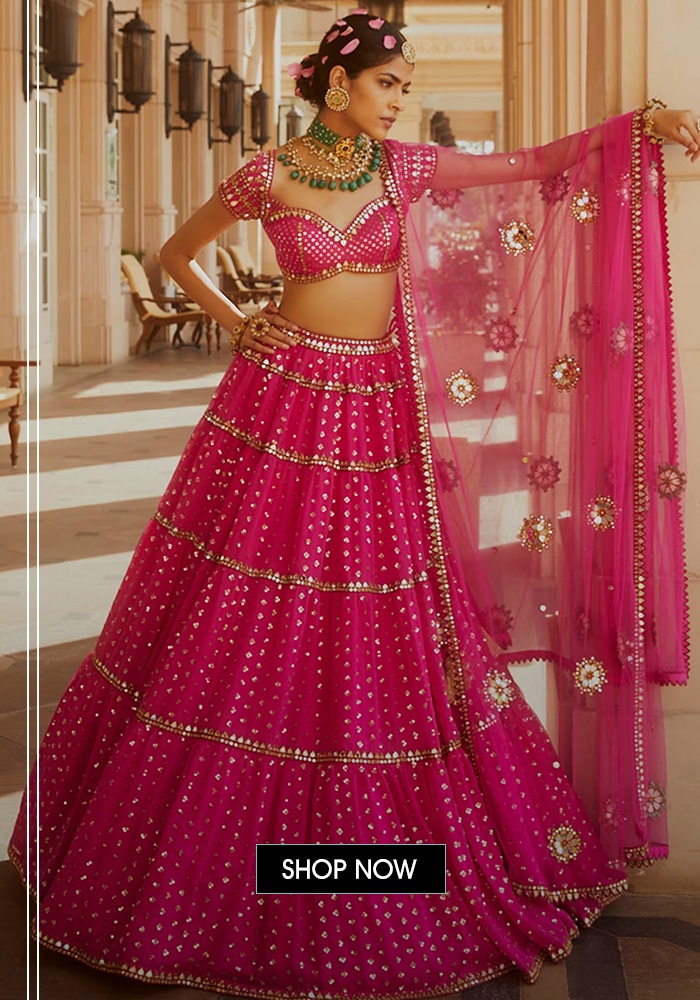
Comfort
The level of comfort that you want will depend on the fabric and the choice that you make. Lightweight handloom and chiffon sarees will be as comfortable as the flowy lehengas, but sarees can restrict your movement if you fail to drape them well.
Occasions
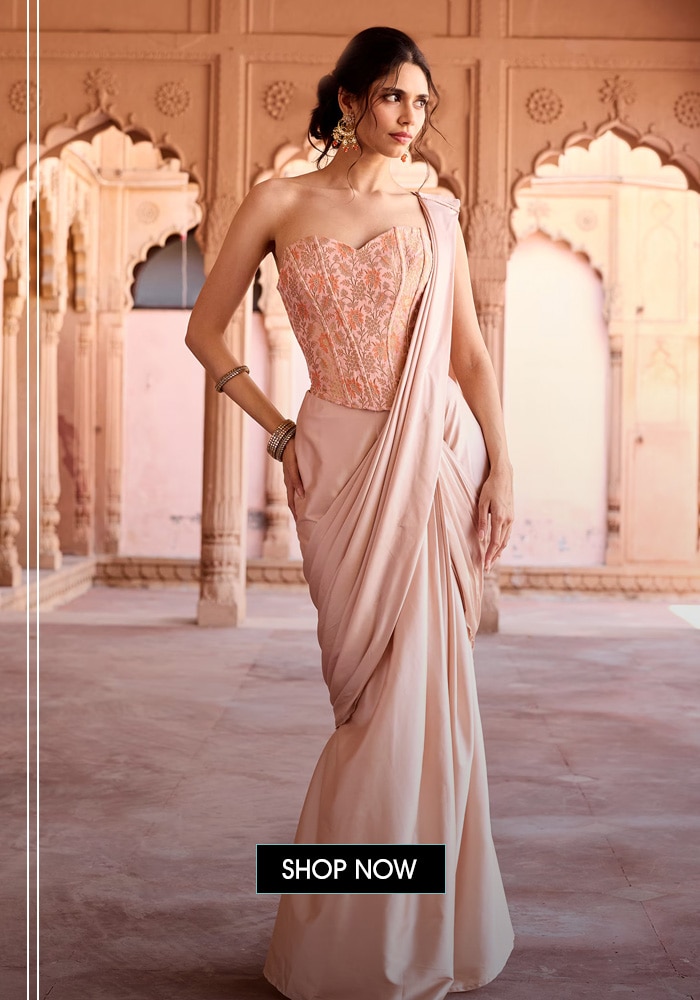
Lehengas are a go-getter for weddings, sangeet nights, and reception parties, whereas sarees serve well for formal gatherings, festivals, and traditional ceremonies.
Styling Versatility
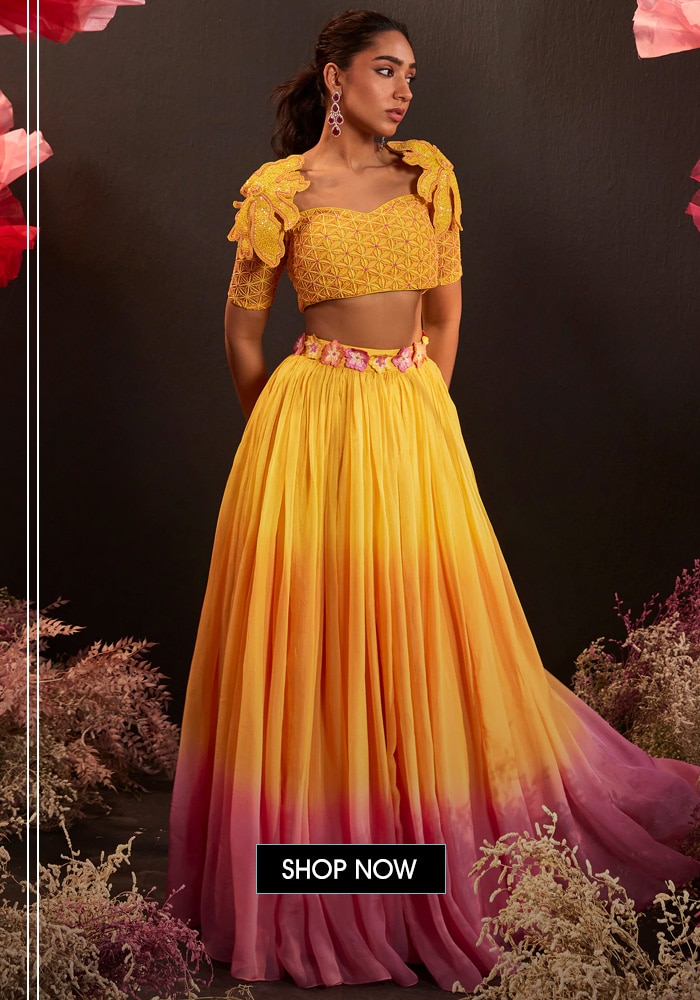
Sarees come with endless draping styles. What’s more? You can restyle them too for versatile looks. But lehengas rely heavily on what the design of the dupatta or blouse is. Even the skirt silhouette determines the look and style of your lehenga.
Trend Factor
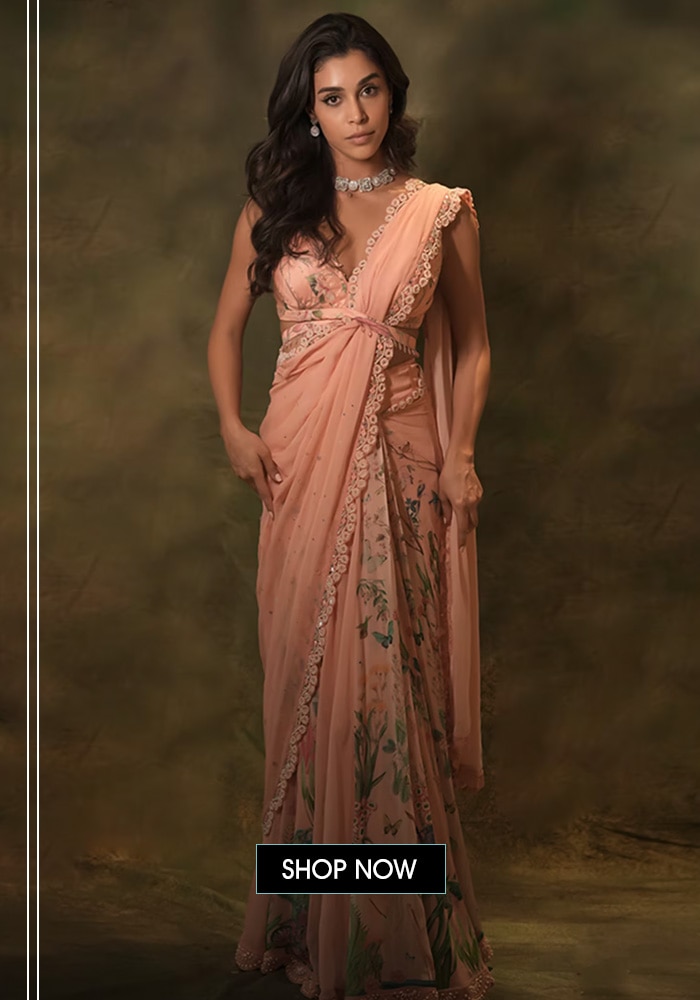
Lehengas highlight the current fashion trends that are defined by bold embroidery, contemporary cuts, and fusion elements. The saree, on the other hand, is an evergreen wardrobe staple with seasonal prints or fabric updates.
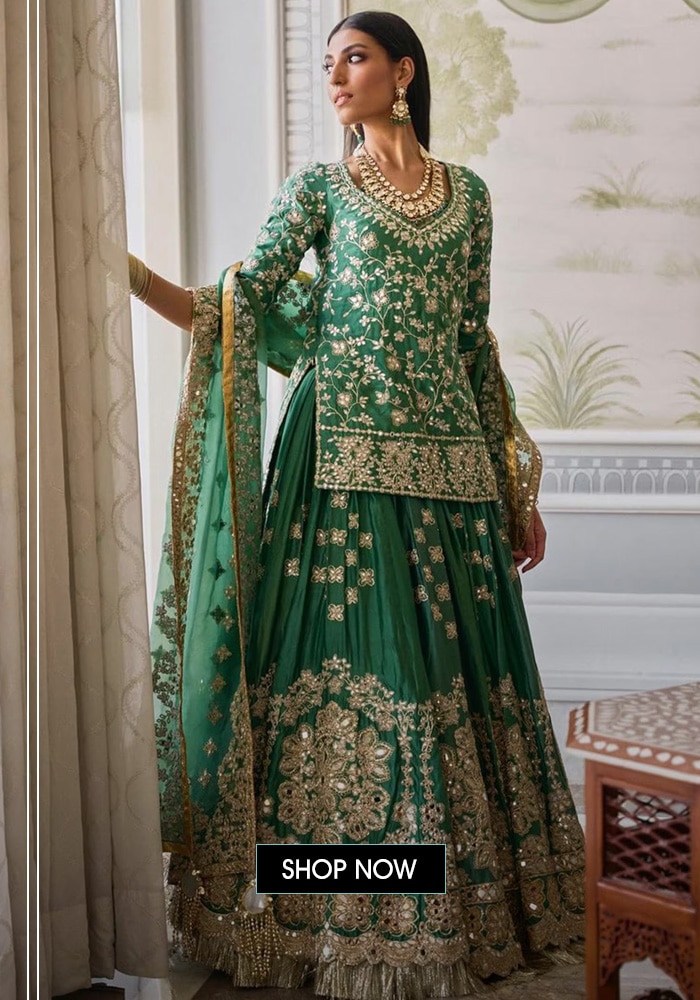
Body Type Suitability
A-line and flared lehengas are flattering options for almost every body type, while sarees can be draped to balance or accentuate proportions based on the pleating and fabric.
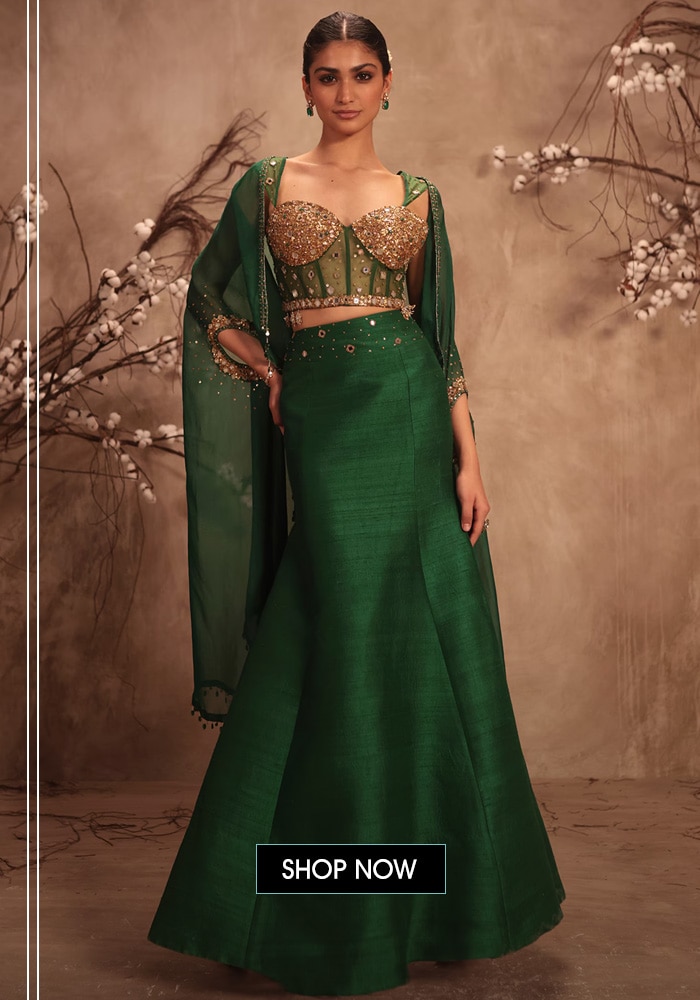
Budget
Both lehenga and the saree can range from being affordable to couture-level luxury. Designer lehengas featuring intricate detailing and bridal lehengas with heavy craftsmanship usually have a higher price range, while sarees can offer premium value for their reusability.
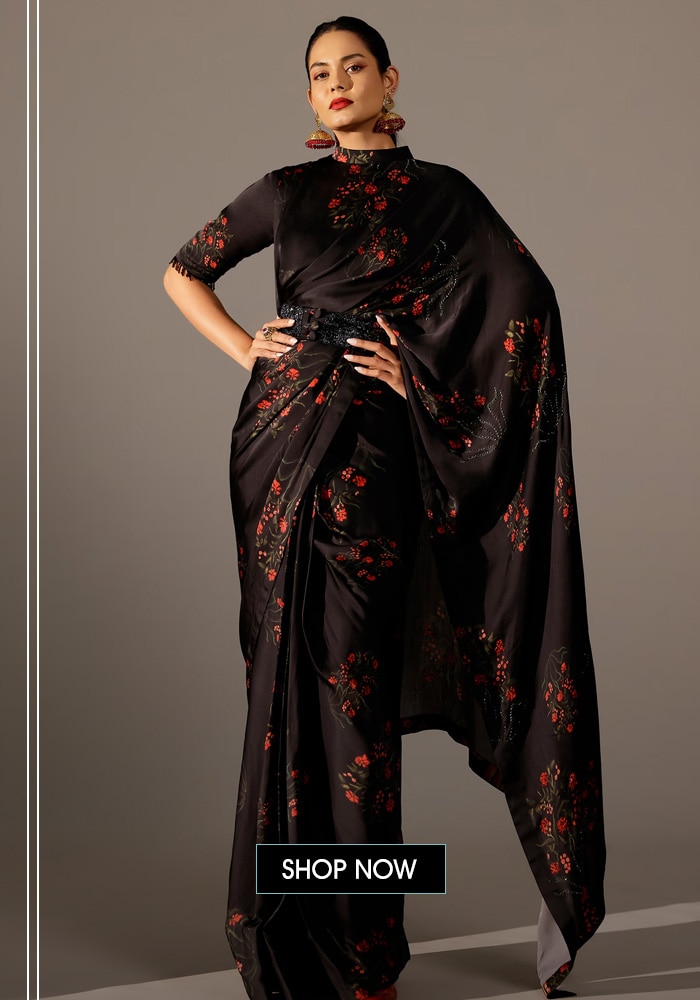
Maintenance & Storage
Sarees, especially the ones made from luxe silks need meticulous folding and careful storage to avoid creases, while lehengas require a considerable close space and special care for embellishments
Let’s Talk Lehengas
Cultural Heritage & Origins
Lehengas find their origins back in the Mughal era, where they were embraced as a nobleman’s attire of choice. Traditionally made from premium silk fabrics, velvets and brocades, these outfits were lavishly embellished with detailed zardozi, resham, and gota work. Over centuries, the lehengas witnessed a significant evolution, soaking in regional artistry and modern tailoring while also preserving their cultural charm.
Beloved Designs
Lehengas today come in a bespoke variety of silhouettes, suiting different preferences and occasions.
- A-Line Lehengas: These styles are preferred for their flattering flow, which can suit most body types.
- Mermaid-Cut Lehengas: Lehengas in a fish cut silhouette hug the body and dramatically flare at the hem, creating a bold statement.
- Sharara Style Lehengas: Lehengas in the sharara style blend the styling of a traditional skirt with the elements of flared trousers, offering utmost comfort with a fashionable twist.

Modern age designers have begun swapping dupattas with capes and incorporating jacket blouses to give a uber-stylish edge.
Where it Shines
Lehengas are a fail-proof option for grand occasions. You can wear them to pre-wedding festivities such as sangeet for their movement-friendly flares. Richly embroidered lehengas can work for receptions and are an excellent choice for destination weddings where lightweight fabrics like organza and georgette can blend in with the warm-weather festivities.
Advantages & Limitations
Pros: They are easy to wear, unlike sarees, and come in a variety of cuts, colors and styles that easily adapt with the trends.
Cons: Lehengas with heavy embellishments can come at a higher price range and need you to store them carefully. Besides, trends can shift rapidly, making certain designs look outdated.
The Saree Story
The Cultural Story
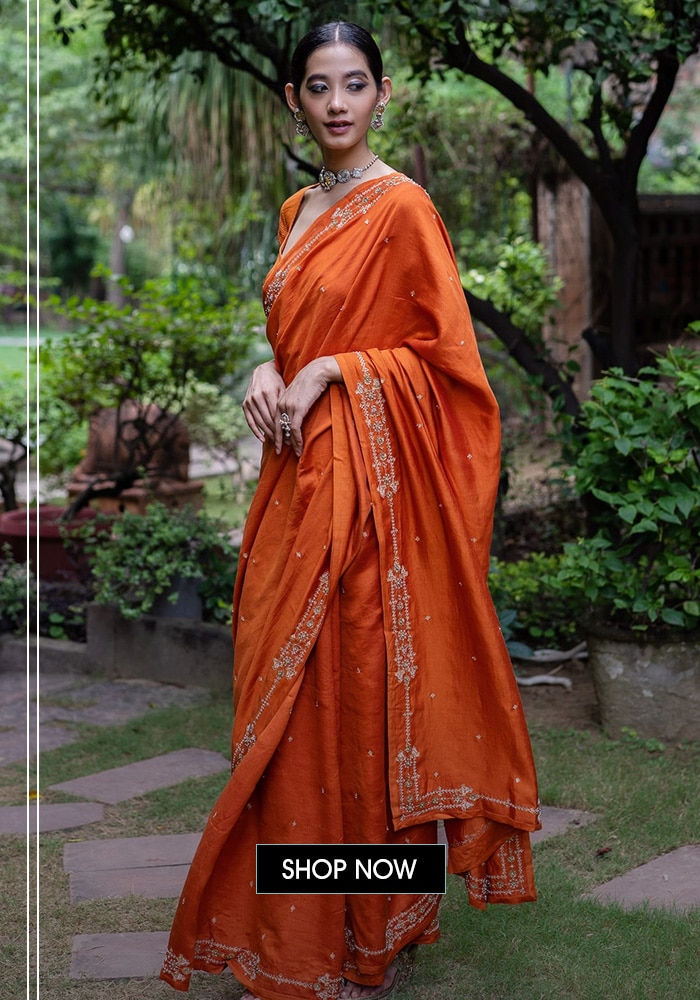
In India, the saree is a timeless emblem of cultural heritage. Worn and draped in countless variations, sarees carry with it centuries of storytelling, artistry, and tradition. From the opulent Kanjivaram silks of Tamil Nadu to the breezy cotton Tant sarees of Bengal, each weave highlights a region’s culture, craft, and climate. The adaptability of a saree is what makes it timeless, whether you need it for a bride, a festival-goer, or a professional event.
Iconic Ways to Wear It
The beauty of the saree is in how it can be worn in different ways:
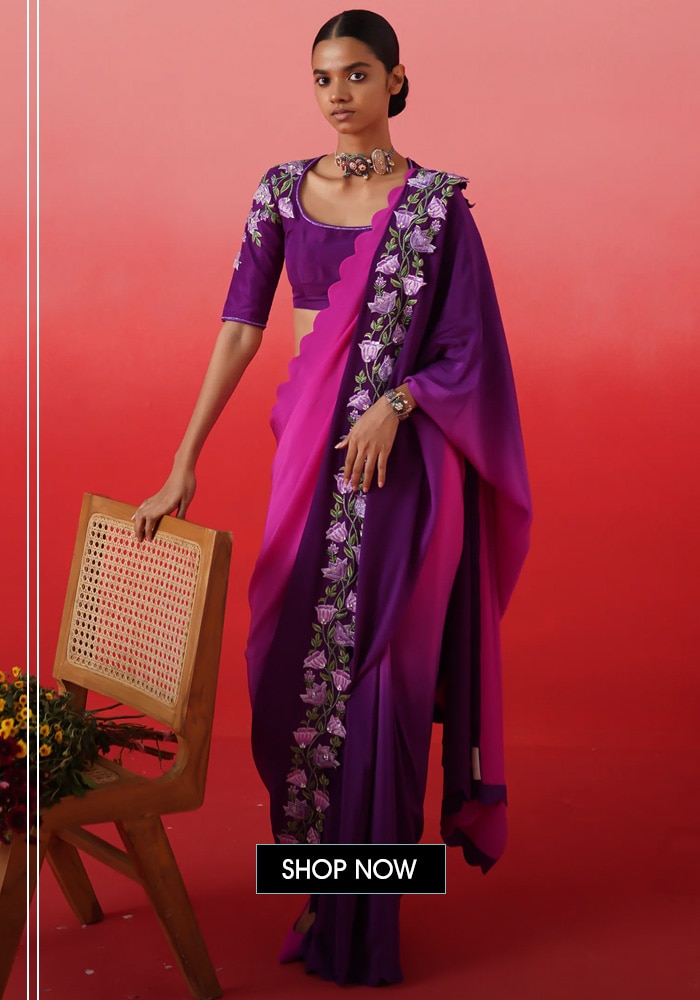
- Nivi Style –The most common drape, originating in Andhra Pradesh, featuring neatly pleated pallu over the shoulder.
- Bengali Draping –Wide pleats and a pallu thrown over both shoulders, often paired with traditional red-and-white sarees during festivities.
- Maharashtrian Nauvari –A nine-yard saree draped like dhoti pants for ease of movement, perfect for traditional dances and rituals.
- Pre-stitched Sarees – Modern ready-to-wear versions that make draping effortless while maintaining elegance.
Made for Moments Like These
Sarees are just what you need to slay all the Indian festivals, such as Ganesh Chaturthi, Diwali, Durga Puja. They are equally perfect for traditional weddings where cultural authenticity is valued and on formal events where understated elegance is key. Based on the drape and fabric, the six-yards can transition seamless from day to night,
The Good and The Not-So-Good
Pros: They have unmatched versatility and can be draped in numerous ways. Additionally, sarees are a sustainable choice because you can rewear and restyle them for years.
Cons: Mastering the art of draping requires time and patience, something which beginners might find difficult to get a hold on. Heavy silk sarees might feel warm and restrictive in certain climates.
Dressing the Occasion: Saree or Lehenga?
When it comes to what to wear for an Indian wedding, both lehengas and sarees have their own unique charm and your choice often depends on the time, setting, and theme.
Weddings
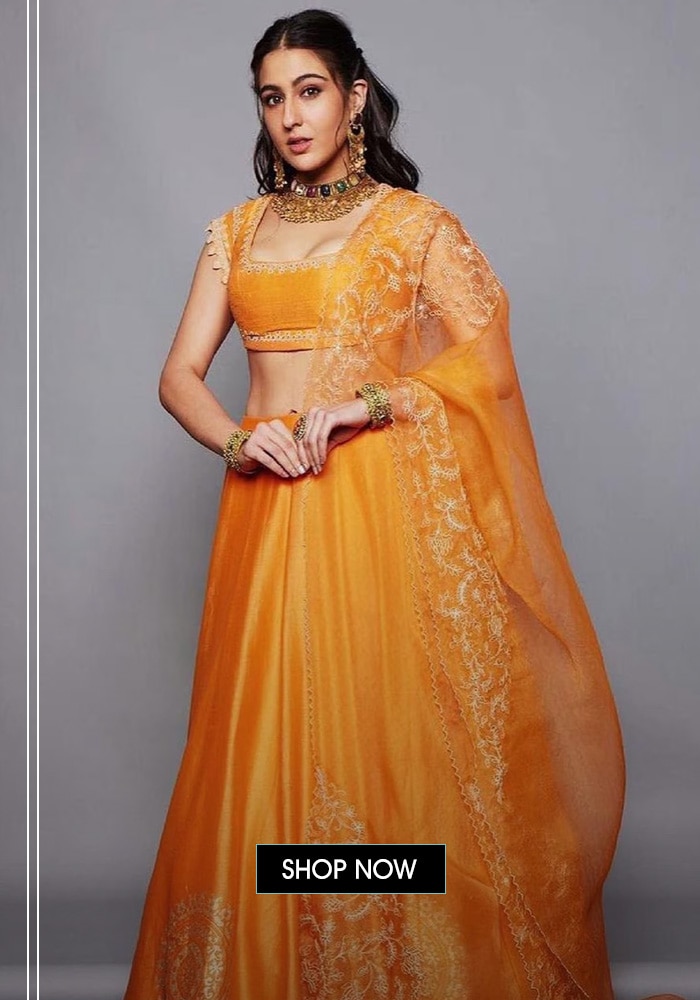
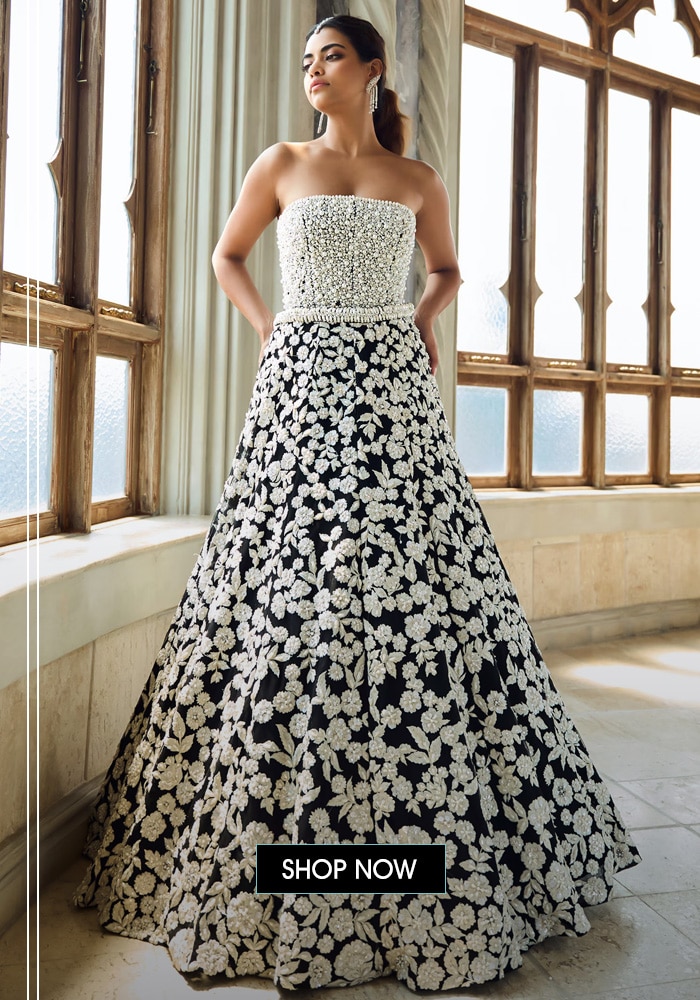
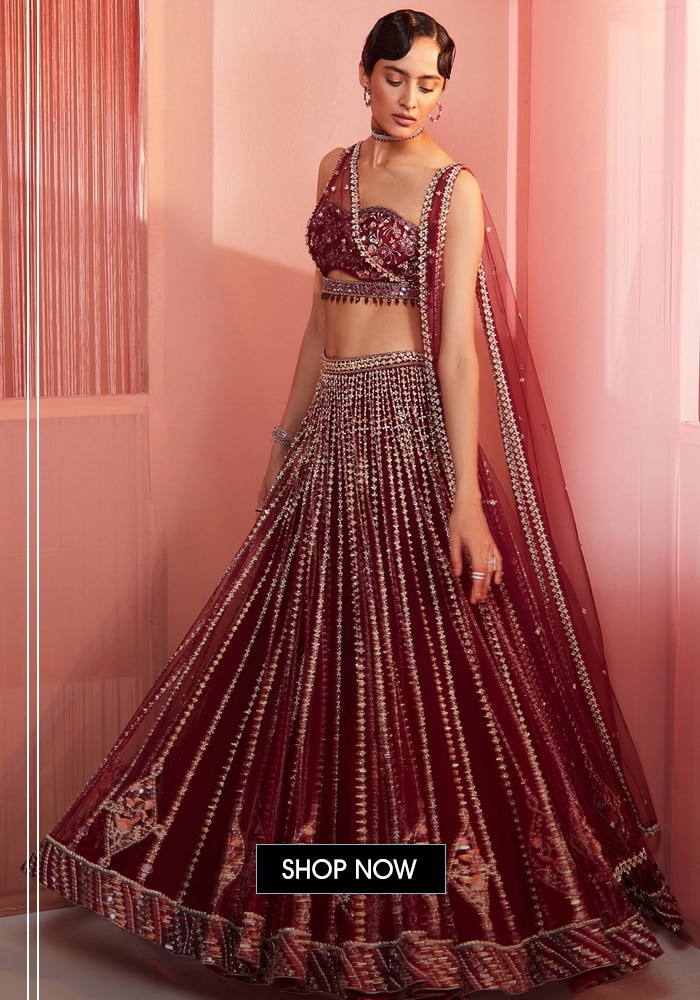
Day weddings and lightweight fabrics such as georgette, chiffon and organza is a match made in heaven. Lean towards a floral organza lehenga or a silk saree to keep your look fresh and photogenic under the natural light. For night weddings however, deeper jewel tones and rich embellishments work the best, think velvet lehengas or Banarasi silk sarees.

Destination Weddings
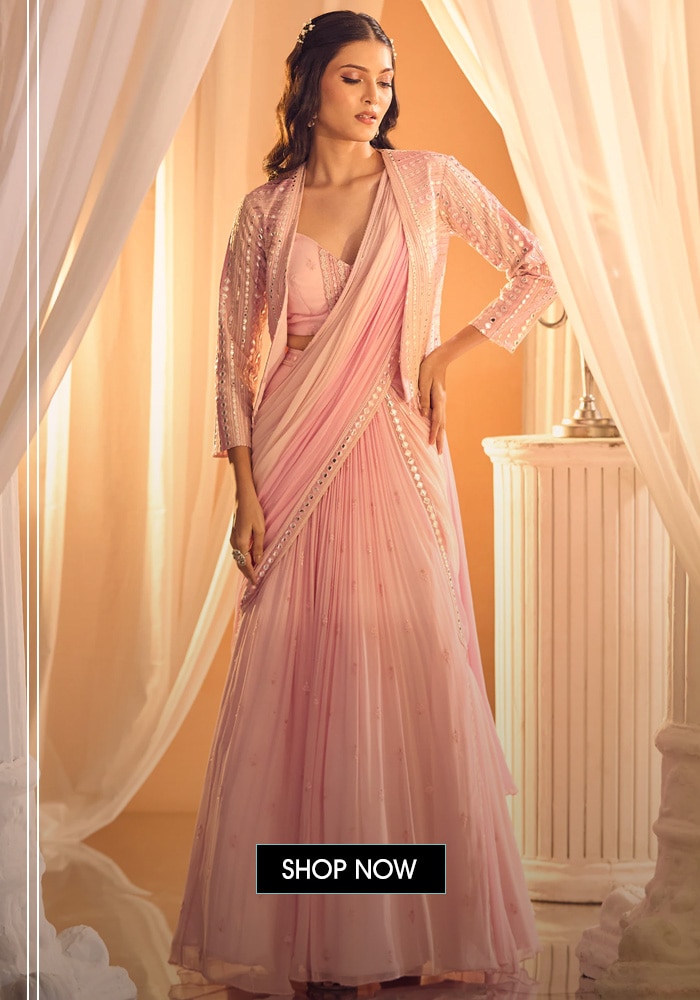
In destination weddings, lehengas in breathable fabrics such as chiffon or crepe are easy to travel with and style, while pre-stitched sarees or lighter drapes suit tropical or beachside settings. In traditional temple weddings, handloom sarees or heritage-inspired lehengas honour the cultural sentiment beautifully.
Festivals
Lehengas are often picked for festivals such as Navratri and Diwali because of how they offer equal amounts of comfort and style for the celebrations. Sarees in brighter tones like fuschia, yellow and red are a welcome choice for traditional charm. For long festive days, turn towards lightweight saree fabrics or breezy cotton versions.
Choosing Based on Body Type & Comfort
The beauty of both lehenga and saree lies in how well you can style them to flatter your body shape. Knowing what you are looking for can help you in picking your dream outfit.
- For petitte frames, sarees work the best in breezy and feather-light fabrics like georgette and chiffon with barely-there borders. Go for vertical prints or even single-tone drapes to create an elongated look. In lehengas, you might have to pair a high-waist skirt with a shorter and well-fitted blouse to visually add height.
- For tall women, both sarees and lehengas offer endless options. Bold borders, layered lehengas and wide prints can beautifully balance proportions. Tall frames can also pull off the dramatic style of heavily flared lehengas and mermaid-cut styles effortlessly.
- For curvy or plus-size body types, the trick is to balance structure with flow. A lehenga for plus size should have a mid-flare A-line silhouette to skim the body without clinging, paired with a blouse that offers good support. Darker colours with delicate embroidery can enhance elegance. In sarees, soft silks or crepes with smaller motifs and neatly pinned pleats create a streamlined look without adding bulk.
Above all, comfort matters as much as style. Lehengas tend to feel easier to wear for long hours, especially for those unfamiliar with saree draping. However, pre-stitched sarees offer the same ease without sacrificing tradition. The key is to choose fabrics,
Current Fashion Trends
This season, trending colours are moving towards soft romantic pastels like blush pink, pistachio green, and powder blue for daytime celebrations, while jewel tones like emerald, ruby, and midnight blue dominate evening events. Embroidery styles such as 3D floral appliqué, mirror work, and tone-on-tone threadwork are making waves, offering both statement-making detail and modern elegance.
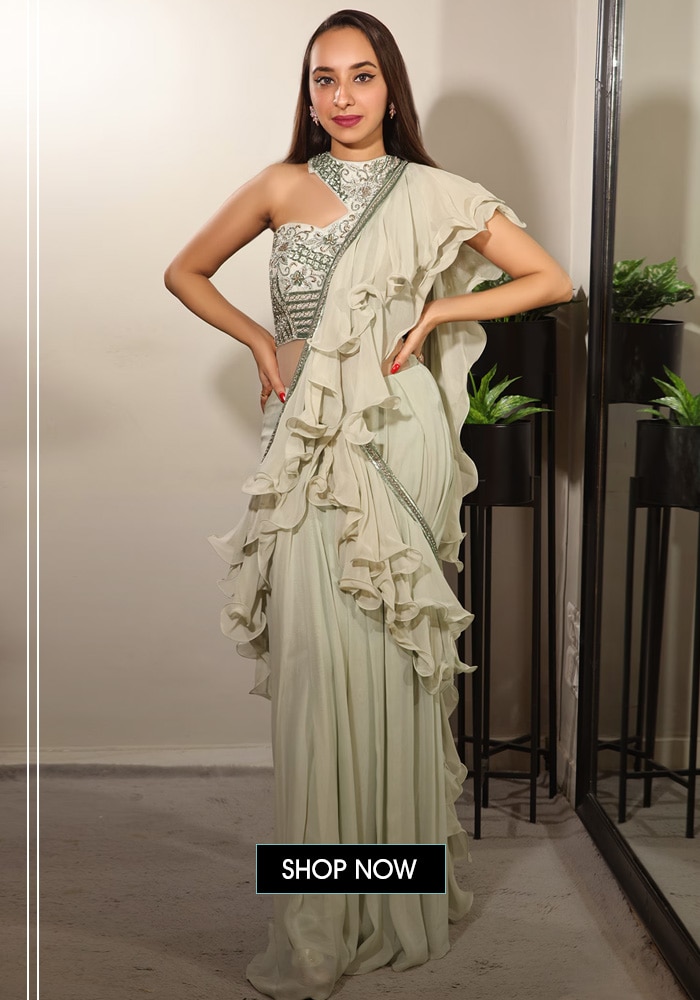
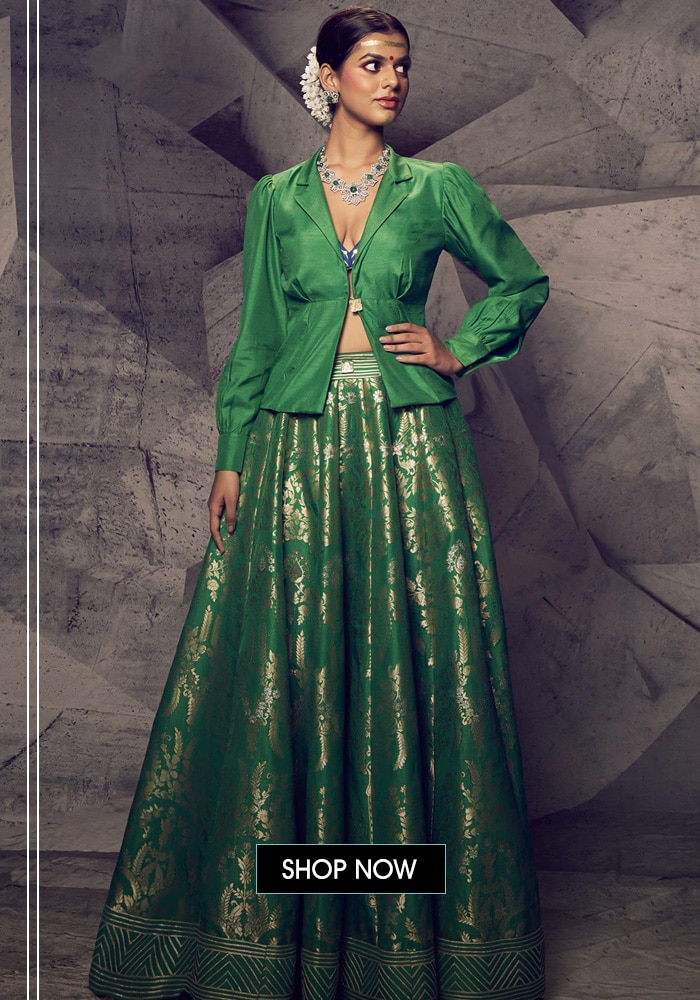
Fusion designs are also gaining momentum with lehenga-saree hybrids combining the elegance of a saree’s drape with the ease of a lehenga’s skirt, making them perfect for destination weddings or quick changes between events. Layered skirts, jacket lehengas,cape dupattas, and belted pallus are redefining traditional silhouettes for a fresh, youthful edge.
2026 Trends to Watch
Pastel Lehengas: Soft pinks, lavenders, and sage greens are replacing traditional reds for millennial and Gen-Z brides.
Dupatta-Over-Saree: The biggest saree trend of 2026 adding a flowing dupatta for cinematic drama.
Minimal Lehengas: Clean lines, subtle embroidery, and solid colours for a modern, less-is-more bridal aesthetic.
Organza Everything: Both sarees and lehengas in crisp organza are dominating festive and wedding wear.
Frequently Asked Questions
Which is more comfortable: a lehenga or a saree?
For most people, a lehenga is more comfortable as it requires less adjustment throughout the day. However, a well-pinned saree in a lightweight fabric can be equally comfortable once you are accustomed to wearing one.
Can I wear a lehenga to a temple or puja?
Yes, but choose a modest design longer blouse, full sleeves, and drape the dupatta for coverage. Sarees are generally considered more appropriate for religious settings.
Which is better for a first-timer: lehenga or saree?
A lehenga is easier for first timers as the stitched components require minimal draping skill. If you prefer a saree, start with a pre-stitched or pre-draped version.
Can I wear a saree to a sangeet?
Absolutely. Opt for a lightweight chiffon or georgette saree and pin it securely for dancing. Many modern brides choose sarees for their sangeet for a change from the traditional lehenga.
Explore Sarees and Lehengas at Aza Fashions
From bridal Kanjeevaram silks to contemporary organza lehengas, Aza Fashions curates both sarees and lehengas from India’s top designers. Explore the collection at azafashions.com.