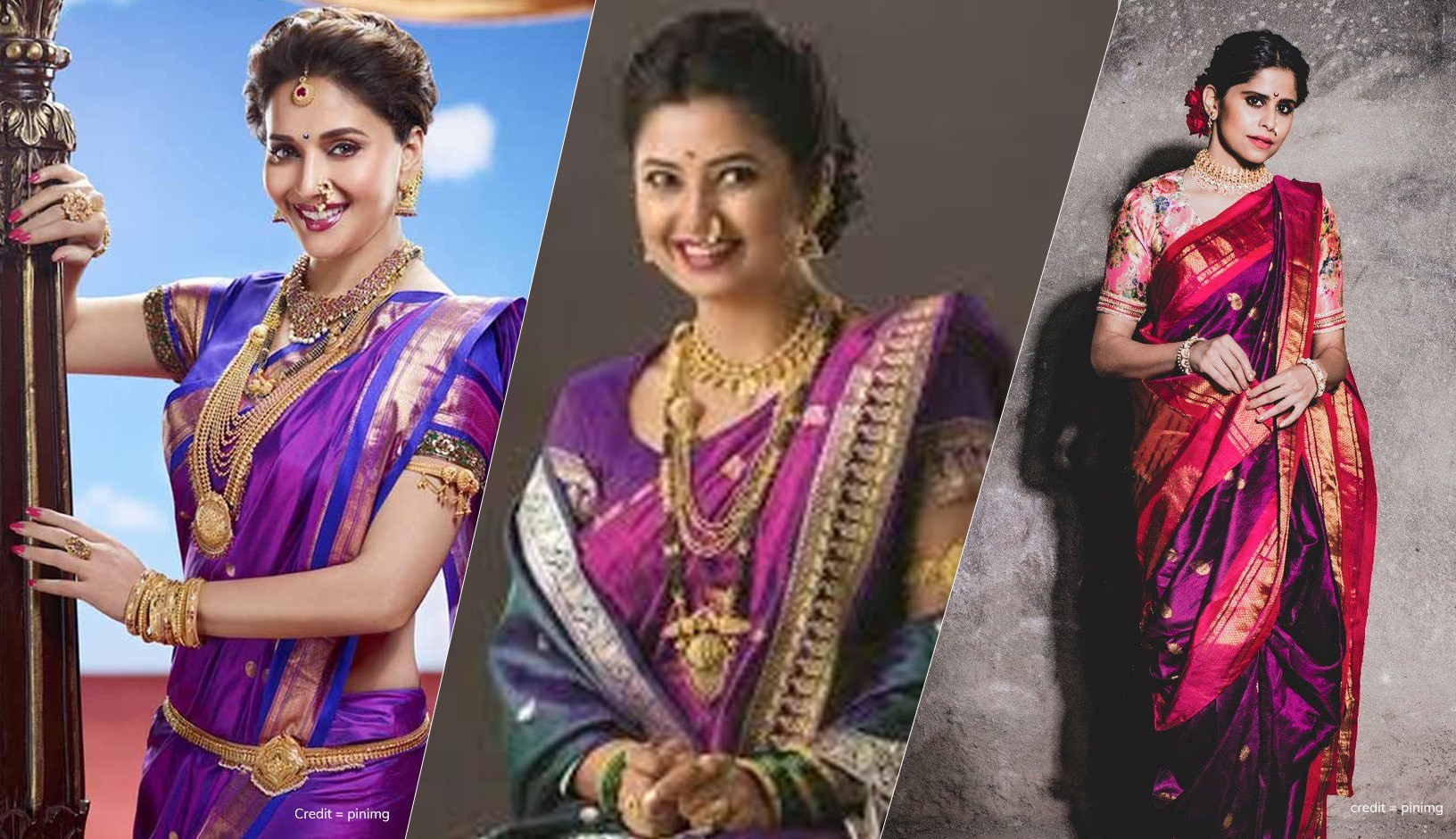
Unlike traditional sarees that restrict movement, the Nauvari is designed for action. It is draped like a trouser, allowing women to ride horses, work in fields
When you think of a saree, you usually picture a six-yard fabric draped elegantly over a petticoat. But in the vibrant state of Maharashtra, the saree takes on a fiercer, more dynamic form. This is the Nauvari Saree, a nine-yard marvel that challenges the conventional definition of Indian ethnic wear.
Unlike traditional sarees that restrict movement, the Nauvari is designed for action. It is draped like a trouser, allowing women to ride horses, work in fields, and even fight battles. Today, it stands as a symbol of strength and tradition, worn with pride by Maharashtrian brides and women during festivals like Ganesh Chaturthi.
In this guide, we will explore the fascinating history of the Nauvari saree, the secrets behind its unique draping style, and how it has evolved from a warrior's attire to a modern fashion statement.
What is a Nauvari Saree?
The word "Nauvari" translates to "nine yards." While a standard saree is six yards long, the Nauvari requires an extra three yards to achieve its distinct draping style.
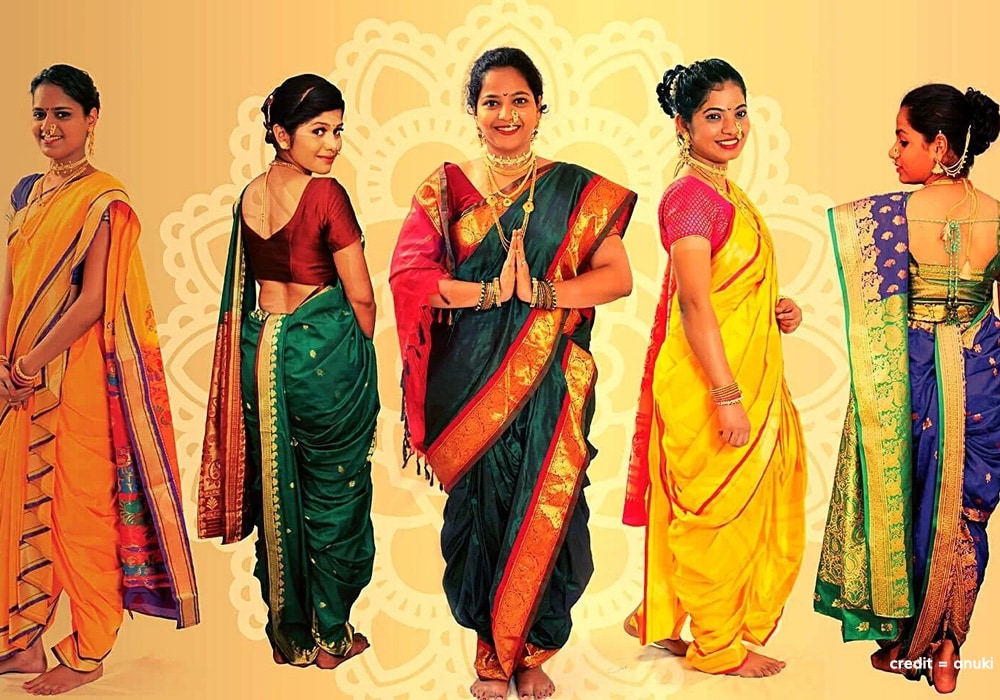
What makes it truly unique is that it is worn without a petticoat. Instead, it is draped in a style called Kashta, where the pleats are tucked at the back. This gives the saree a trouser-like appearance, similar to a male dhoti. This practical design offers unmatched freedom of movement, making it one of the most comfortable traditional outfits in India.
A Warrior’s Legacy: Tracing the History
The origin of the Nauvari saree is steeped in the history of the Maratha Empire. During the Peshwai rule, women were not just confined to their homes; they were active participants in society and, during times of crisis, even in warfare.
It is said that the style was popularized by Maratha warrior princesses. To fight alongside men on horseback, they needed an outfit that allowed them to straddle a horse comfortably while maintaining their modesty. The flowing skirts of a regular saree would have been impractical. Thus, the trouser-style drape was invented.
This utilitarian spin on the saree allowed women to be fierce warriors without giving up their traditional attire. Over time, this drape became the standard attire for Marathi women, symbolizing capability and equality.
The Art of Draping: How to Wear a Nauvari
Draping a Nauvari is an art form. Unlike regular sarees, you don't need a petticoat. Instead, many modern women wear comfortable cycling shorts or leggings underneath.
The Classic Kashta Drape
The Center Tuck: The saree is first wrapped around the waist and tied at the center, just below the navel.
The Legs: The lower part of the saree is pulled between the legs from front to back. This is the crucial step that creates the trouser effect.
The Pleats: The remaining fabric is pleated and tucked in at the waist in the front.
The Pallu: The decorative end of the saree (pallu) is draped over the left shoulder and brought around to the right side.
Regional Variations
While the Kashta style is the most famous, different communities in Maharashtra have their own unique twists:
Brahmin Style: Often features a metallic or zari border visible on both the front and back.
Aagri Community: Women from the Raigad district wear a knee-length version called adwa patal, which is practical for working in water or fields.
Koli Community: The fisherwomen (Kolis) wear the saree in two pieces—one wrapped around the waist and another covering the upper body—allowing for maximum mobility while working at sea.
Kunbi Tribe: They drape the saree in a style called uprati, which involves wearing the drape upside down.
Evolution of the Nauvari
Originally, Nauvari sarees were strictly made from cotton. Cotton was breathable, durable, and perfect for the hot climate and hard labor of the region.
However, as the Maratha empire grew in wealth and stature, so did the saree.
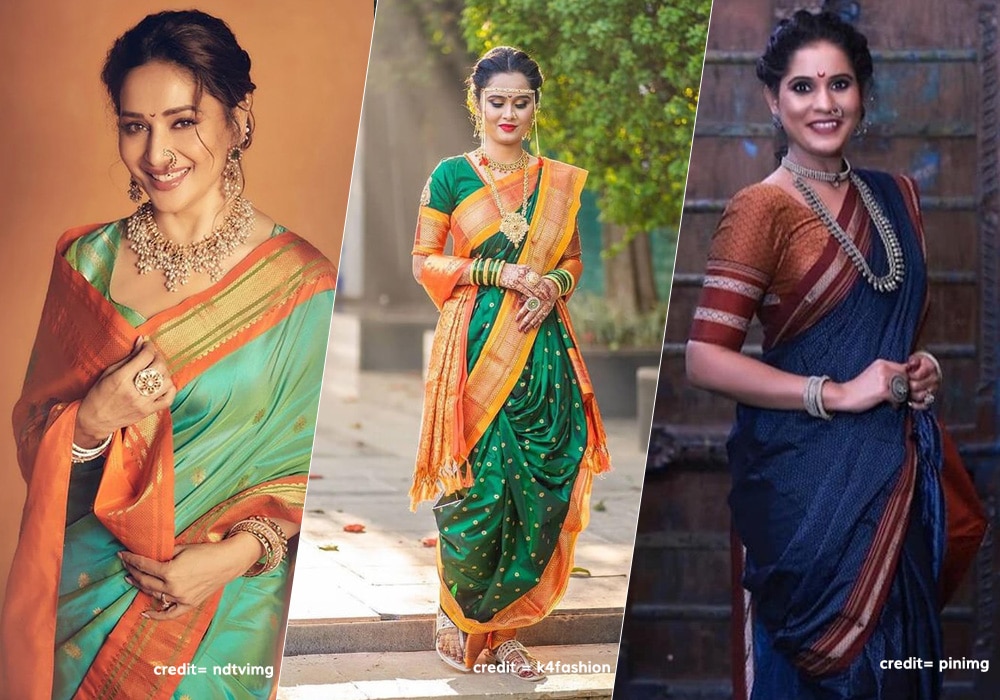
Fabrics: Today, you can find Nauvari sarees in rich Paithani silks, glistening satins, and blended fabrics.
Blouses: The traditional 3/4th sleeve blouse has given way to a variety of modern styles. From sleeveless cuts to designer back patterns, the blouse has become a way to personalize the look.
Ready-to-Wear: Recognizing that draping nine yards of fabric can be tricky for beginners, many designers now offer "stitched Nauvari" sarees. These are pre-stitched like trousers, allowing you to simply step into them and drape the pallu—perfect for the modern woman on the go.
Significance and Symbolism Today
The Nauvari saree is more than just clothing; it is a cultural icon. It represents the "shakti" (power) of the Indian woman.
In modern Maharashtra, the Nauvari has seen a massive revival.
Weddings: It is the bridal attire of choice. A Maharashtrian bride wearing a yellow or green silk Nauvari, adorned with traditional jewelry like the Nath (nose ring) and Mundavalya (forehead ornament), is a sight to behold.
Festivals: During Gudi Padwa (Maharashtrian New Year) and Ganesh Chaturthi, streets are filled with women riding motorbikes while clad in Nauvari sarees and sunglasses—a perfect blend of tradition and modern swagger.
Dance: It is the standard costume for Lavani, the energetic folk dance of Maharashtra. The trouser-style drape allows dancers to perform complex footwork with ease.
Conclusion
The Nauvari saree is a stunning example of how fashion evolves to meet human needs. It started as a solution for women warriors who needed to ride horses and transformed into a symbol of elegance and cultural pride.
Whether you are wearing it for a wedding or watching a Lavani performance, the Nauvari commands respect. It reminds us that femininity and strength are not opposites; in fact, they can be draped together in nine yards of beautiful silk. So, if you ever get the chance, try the Nauvari drape—it might just make you feel like a warrior princess yourself.
Aza Staff is a team of writers, creators, and industry insiders who live and breathe fashion. We explore the craft, culture, and creativity behind India’s luxury design scene, bringing you stories that are equal parts stylish and soulful.