


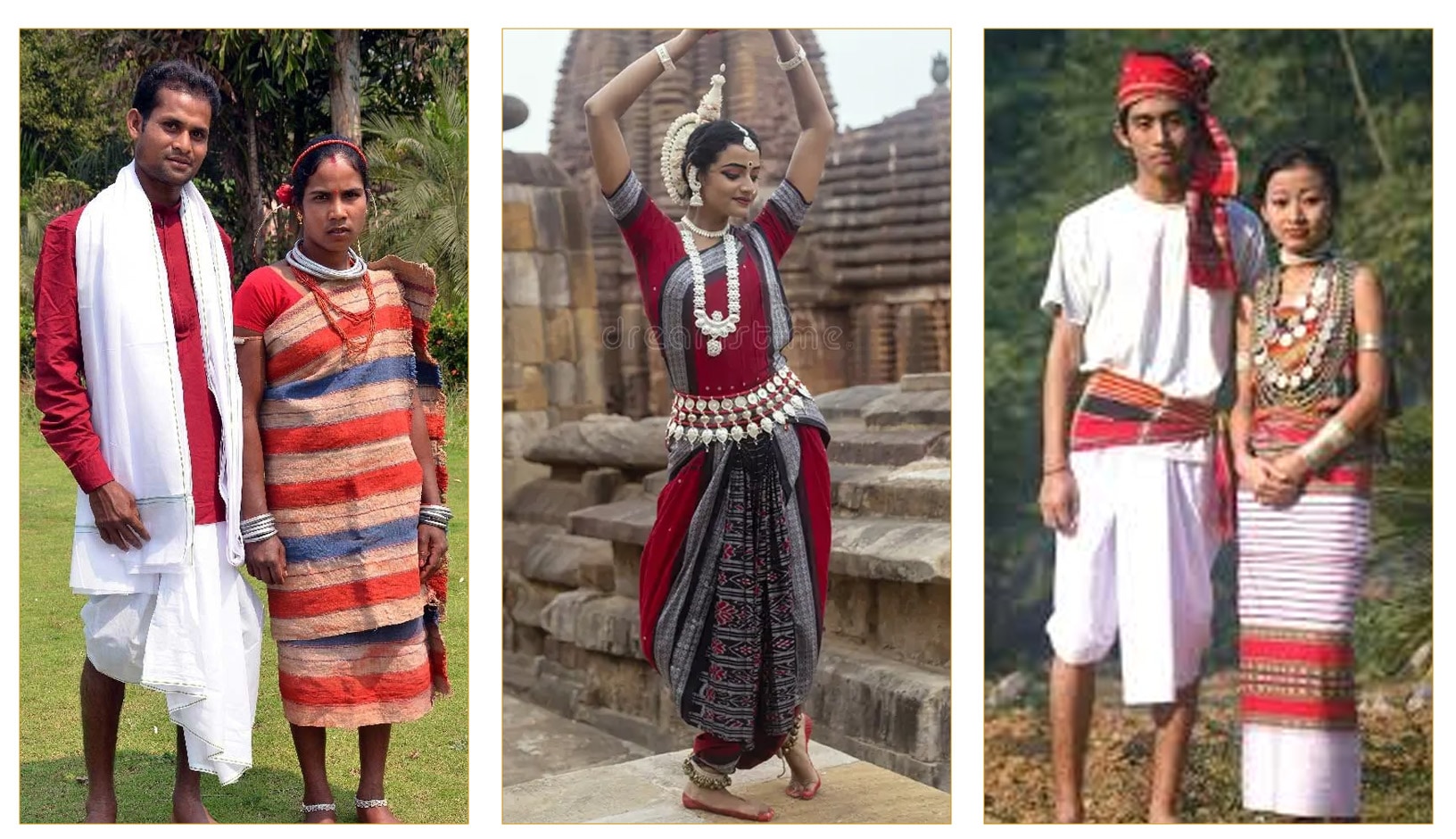
Odisha, historically known as Kalinga, is a land where stone speaks and fabric sings. Nestled along India's eastern coast, it is a state defined by the rhythmic crashing of waves at Puri, the architectural majesty of the Konark Sun Temple, and the vibrant, sacred chaos of the Rath Yatra. But beyond its spiritual and architectural grandeur lies a rich, tactile heritage woven into the very soul of its people a legacy celebrated through its intricate handlooms and the timeless beauty of the Indian saree.

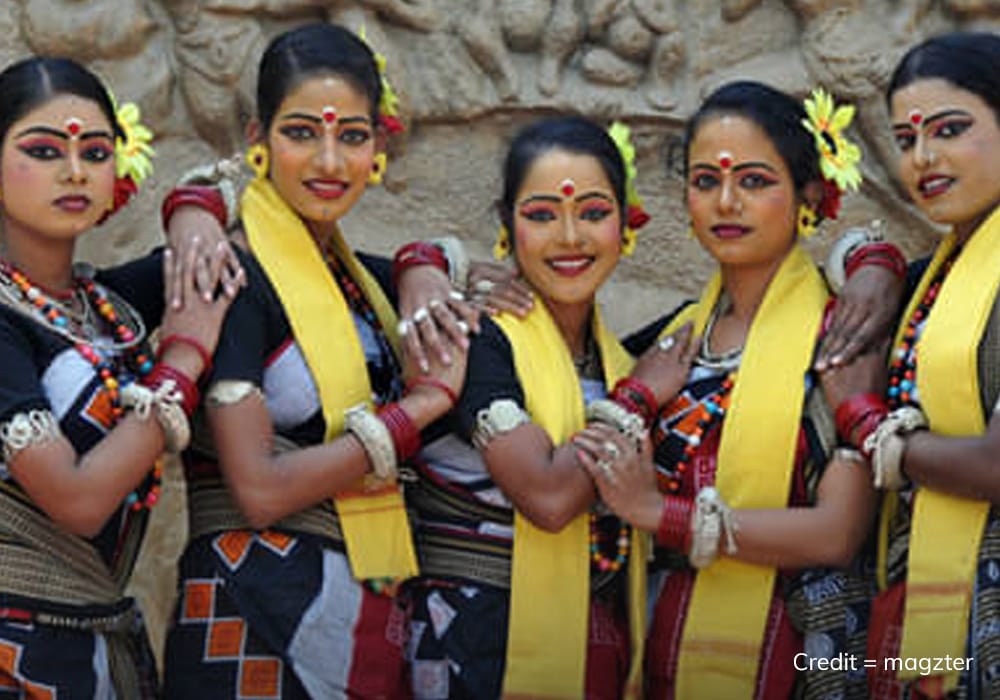
This is a land of unparalleled artistry, where weavers tie-dye yarn with mathematical precision to create the magic of Ikat, and where artists paint stories of gods and nature on palm leaves. Odisha’s unique identity is stamped onto its textiles vibrant, geometric, and deeply symbolic. The humid, tropical climate has historically dictated a preference for breathable cottons and silks, resulting in garments that are as comfortable as they are spectacular.
The weaving traditions here are not just crafts; they are a language. From the chessboard patterns of Pasapalli to the intricate fish motifs of Bomkai, every thread tells a story of coastal life, temple rituals, and tribal wisdom. Today, the timeless elegance of Odisha’s handlooms is transcending its rural roots to inspire global fashion, proving that true style is ageless.
Traditional Clothing / Ethnic Wear
Odisha’s traditional attire is a celebration of bold colors and intricate weaves. The clothing is designed to be practical for the coastal climate while serving as a canvas for the state’s sophisticated textile arts.
Women’s Attire
The saree is the quintessential garment for Odia women, and the variety available is staggering.
- Sambalpuri Saree: Perhaps the most famous export of Odisha, these sarees are renowned for their Bandhakala (Ikat) craftsmanship. The yarn is tie-dyed before weaving, creating hazy, feather-like patterns. Classic motifs include the shankha (conch shell), chakra (wheel), and phula (flower).
- Bomkai Saree: Also known as Sonepuri sarees, these originate from the Ganjam district. They are characterized by intricate thread work in the border and pallu, often featuring motifs like fish, lotuses, and tortoises. Unlike Sambalpuri, Bomkai focuses more on thread embroidery-like weaving rather than just tie-dye.
- Pasapalli Saree: Named after the game of Pasa (chess/gambling games), these sarees feature a distinctive checkerboard pattern in contrasting colors like black, white, and red. They are bold, geometric, and visually striking.
- Fabrics: Cotton is the staple for daily wear due to the heat, while Tussar silk and pure silk are favored for weddings and festivals.
Men’s Attire
Men’s traditional fashion in Odisha is simple yet dignified, rooted in comfort and cultural identity.
- Dhoti and Kurta: The standard attire is the Dhoti, a draped lower garment, often paired with a Kurta. For religious ceremonies, the dhoti is often worn with a Gamchha (a traditional cotton towel) draped over the shoulder.
- Sambalpuri Kurta: In recent times, kurtas made from Sambalpuri Ikat fabric have become immensely popular. These feature the signature geometric patterns and vibrant colors of the region.
- Headgear: In tribal areas and during folk performances like the Gotipua dance, elaborate headgear is worn, though in daily urban life, it is less common.
Jewelry & Accessories
No Odia ensemble is complete without its distinctive jewelry, particularly the silver work that the state is famous for.
- Tarakasi (Silver Filigree): Cuttack is known as the Silver City for its world-class filigree work. Artisans twist extremely fine silver wires into delicate lace-like patterns to create earrings, necklaces, and bangles.
- Tribal Jewelry: The tribal belts of Odisha produce stunning, chunky jewelry made from brass, white metal, and beads, often featuring coin necklaces and heavy anklets.
Crafts, Textile Techniques & Prints
The soul of Odisha’s aesthetic lies in its hands the hands of weavers, painters, and sculptors who have kept ancient techniques alive.
Ikat Weaving (Bandhakala)
Odisha Ikat is distinct from other forms of Ikat in India. It often employs the "double ikat" technique, where both the warp and weft yarns are tie-dyed before weaving. This requires immense skill to ensure the patterns align perfectly on the loom. The resulting design has a soft, curvilinear quality that is prized worldwide.
Pattachitra Painting
One of the oldest art forms in Odisha, Pattachitra involves painting intricate mythological narratives on cloth canvases (Patta). The colors are natural, derived from minerals and vegetables. While traditionally wall art or scroll paintings, Pattachitra motifs are now hand-painted onto Tussar silk sarees, creating wearable art that depicts scenes from the life of Lord Krishna or the Ramayana.
Pipili Appliqué Work
The town of Pipili is famous for its vibrant appliqué craft. Originally used to make canopies and umbrellas for the deities during the Rath Yatra, this technique involves stitching brightly colored fabric patches onto a base cloth in geometric or floral shapes. Today, it is used for bags, wall hangings, and even blouse designs.
Cultural Context – Lifestyle, Tradition & Heritage Influences
The fashion of Odisha is deeply intertwined with its geography and spirituality. The hot, humid weather necessitates the use of fabrics that breathe. This is why the handloom cottons of Odisha are woven loosely enough to allow air circulation but tightly enough to hold the intricate Ikat designs.
The temple culture, particularly the worship of Lord Jagannath, influences everything. The colors used in textiles often mirror the colors found in temple rituals auspicious reds, turmeric yellows, and bright whites. The "Khandua" saree, a type of silk Ikat, has verses from the Gita Govinda woven into it and is traditionally offered to Lord Jagannath.
Social norms of modesty are reflected in the drape of the saree, which covers the body elegantly while allowing for movement. Historically, the royal patronage of the Gajapati kings ensured that these crafts flourished, transforming village weaving into a refined art form fit for deities and royalty alike.
When & How These Styles Are Worn Today
While modern western wear is prevalent in cities like Bhubaneswar, traditional textiles hold a sacred place in the Odia wardrobe.
- Everyday vs. Special Occasions: A simple cotton Sambalpuri or Maniabandha saree is a common choice for working women, teachers, and officials due to its comfort and professional look. For weddings, however, the heavy silk Bomkai or the luxurious Khandua silk is the standard.
- Modern Reinterpretations: Designers are reimagining Odia textiles for the contemporary world. You can now find Sambalpuri fabrics tailored into structured blazers, crop tops, and even formal trousers. Pattachitra art is adorning denim jackets and tote bags, merging ancient folklore with street style.
- Styling Tips:
-
- Corporate Chic: Pair a geometric Pasapalli cotton saree with a solid black blouse and silver filigree earrings for a powerful boardroom look.
- Boho Fusion: Wear a Sambalpuri Ikat kurta as a dress, cinched with a belt, or pair a Pipili appliqué tote bag with jeans and a white tee.
- Jewelry focus: Let a delicate Tarakasi necklace be the statement piece against a solid-colored dress to highlight the intricacy of the silver work.
Why It Matters – Heritage, Identity & Fashion Inspiration
Preserving the crafts of Odisha is about saving a unique cultural vocabulary. Every time you buy a handloom saree, you support a weaver in Bargarh or Nuapatna who is fighting to keep an ancestral skill alive against the tide of power looms.
Odisha’s style matters because it champions "slow fashion." The production of a double Ikat saree can take weeks. The natural dyes used are eco-friendly. In a world obsessed with fast, disposable trends, the textiles of Odisha offer a lesson in patience, sustainability, and depth. They inspire global fashion by showing that complex geometric patterns and vivid storytelling can coexist on a single piece of fabric.

