


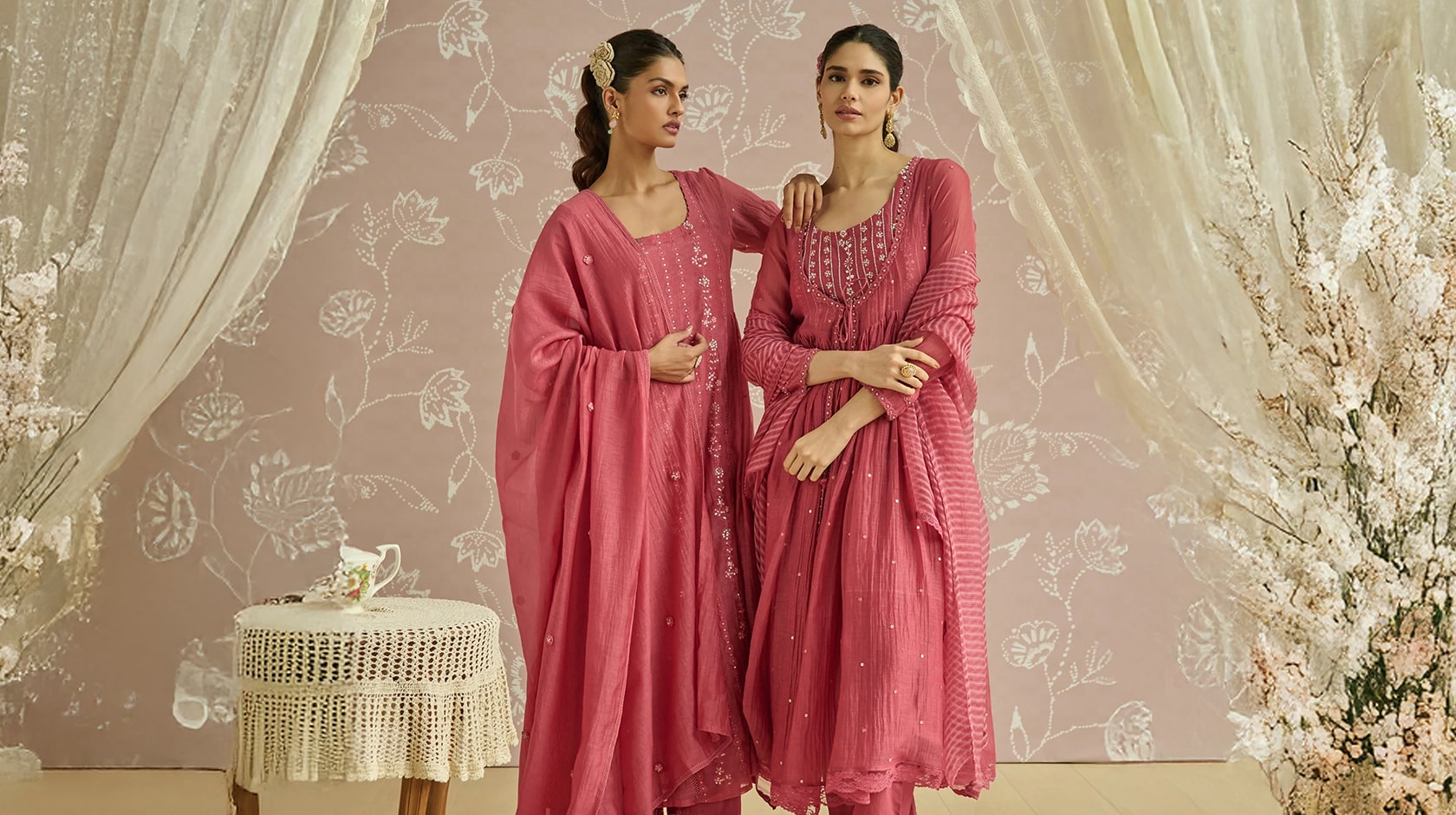
Introduction: The Essence of Indian Ethnic Wear

Indian ethnic wear has captivated the global fashion scene with its vibrant colors, intricate designs, and timeless elegance. From high-fashion runways to everyday street style, these garments offer a unique blend of tradition and modernity. Among the most popular choices are the salwar kameez and the kurta, two staples that are often spoken of interchangeably. However, they are distinct garments, each with its own history, structure, and cultural significance.
This guide is here to clarify the confusion and explore the core difference between a kurta and a salwar kameez. We will break down their unique characteristics to help you choose the perfect traditional Indian outfit based on style, comfort, and the occasion you're dressing for. Both hold deep cultural roots across South Asia, yet each offers a unique expression of heritage and personal style.
What Is a Kurta?
A kurta is a versatile, standalone tunic that is a cornerstone of South Asian fashion. Its origins trace back to Persian attire, and it has been a traditional garment worn across India, Pakistan, and Bangladesh for centuries by both men and women.
The primary appeal of the kurta lies in its simplicity and comfort. Here are its key characteristics:
- Length: A kurta is typically knee-length but can range from mid-thigh to calf-length or even longer.
- Gender: It is a unisex garment, making it a popular choice for everyone. (Link to: Kurta for men category)
- Design Features: Most kurtas feature a simple neckline, either without a collar or with a straight, flat "band" or "Mandarin" collar. The sleeves are usually straight and full-length.
- Fit: Designed for hot climates, the fit is generally relaxed, straight-cut, and airy, allowing for maximum breathability and ease of movement. (ALT: A man wearing a simple blue cotton traditional men’s kurta)
One of the kurta's greatest strengths is its adaptability. It is not sold as a complete outfit, giving you the freedom to style it in numerous ways. Kurtas can be paired with traditional bottoms like churidars, dhotis, or pajamas, as well as modern options like jeans, trousers, or palazzos for a fusion look. This versatility makes the kurta suitable for a wide range of occasions, from casual daily wear and office attire to semi-formal functions and festive gatherings. (Link to: Styling kurtas with jeans guide)
In short, a kurta is:
- A single-piece, long tunic.
- Unisex, worn by both men and women.
- Loose, comfortable, and breathable.
- A versatile garment that can be paired with various bottoms for different occasions.
What Is a Salwar Kameez?
A salwar kameez is a complete, coordinated three-piece outfit that is a symbol of grace and tradition, especially for women. Its origins are deeply rooted in the Punjab region of the Indian subcontinent and parts of Central Asia. Over the decades, it has become a beloved and widely worn outfit across South Asia and by the diaspora globally.
Unlike the kurta, the salwar kameez is a full ensemble consisting of:
- Kameez: This is the long tunic or top, similar in concept to a kurta but often designed with a specific fit and cut to match the bottoms.
- Salwar: These are the loose, pleated trousers that are wide at the hips and taper down to a narrow cuff at the ankles.
- Dupatta: A long scarf or shawl, the dupatta completes the look and is draped over the shoulders or head, adding a layer of elegance. (Link to: How to style dupattas)
The salwar kameez is generally more structured and tailored than a standalone kurta. The kameez length often varies from mid-thigh to knee, and its fit is typically more defined, sometimes slightly body-hugging, to create a polished silhouette. This coordinated nature makes the salwar kameez an ideal choice for festive events, weddings, religious ceremonies, and semi-formal occasions where a complete, traditional look is desired. (Link to: Festive salwar kameez collection)
To put it simply, here is a quick comparison:
| Feature | Kurta | Salwar Kameez |
|---|---|---|
| Garment Type | Standalone tunic | Full outfit (kameez + salwar + dupatta) |
| Fit | Loose and airy | More structured and fitted |
| Gender | Unisex | Primarily women’s wear |
| Occasions | Casual / Semi-formal | Formal / Festive |
| Origin | Persian influence | Central Asian / Punjabi roots |
Understanding the core differences between a kurta and a salwar kameez helps you choose the right outfit with confidence. Here is a direct comparison focusing on the key distinctions.
A. Structure & Components
- Kurta: A single garment. It is just the tunic, and you must select bottoms to wear with it separately.
- Salwar Kameez: A complete three-piece set. It includes the kameez (tunic), the salwar (bottoms), and the dupatta (scarf), designed to be worn together.
B. Fit & Styling
- Kurta: Characterized by its loose, straight, and comfortable fit. It offers styling freedom, allowing you to mix and match with different types of pants, from traditional pajamas to modern denim.
- Salwar Kameez: Features a more tailored and structured fit. The kameez is often cut to complement the salwar, creating a cohesive and traditionally polished look. The styling is self-contained within the set. (ALT: woman wearing Indian salwar kameez with intricate embroidery)
C. Gender & Usage
- Kurta: A truly unisex garment. Men and women across South Asia wear kurtas for various occasions. (Link to: Unisex kurta designs)
- Salwar Kameez: Predominantly a women's outfit. While men in certain regions wear a variation (sometimes called the Pathani suit), the classic three-piece salwar kameez is almost exclusively associated with women's fashion.
D. Occasion Suitability
- Kurta: Its versatility makes it perfect for everyday wear, casual outings, and office settings. Heavier, embroidered kurtas are also suitable for semi-formal and festive events.
- Salwar Kameez: Generally considered more formal. It is the go-to choice for weddings, religious functions, festivals, and family celebrations where a complete traditional Indian outfit is preferred.
E. Regional Popularity
- Kurta: Has pan-India popularity and is a staple in both men's and women's ethnic fashion across the entire subcontinent.
- Salwar Kameez: While now worn everywhere, its cultural roots are deepest in Punjab and Northwestern India. Different regions have since adapted it into unique styles.
Indian VS Pakistani Salwar Kameez: A Cultural Twist
While the salwar kameez is a shared heritage, its expression varies beautifully across borders. The difference between Indian and Pakistani suits highlights unique cultural aesthetics and design philosophies.
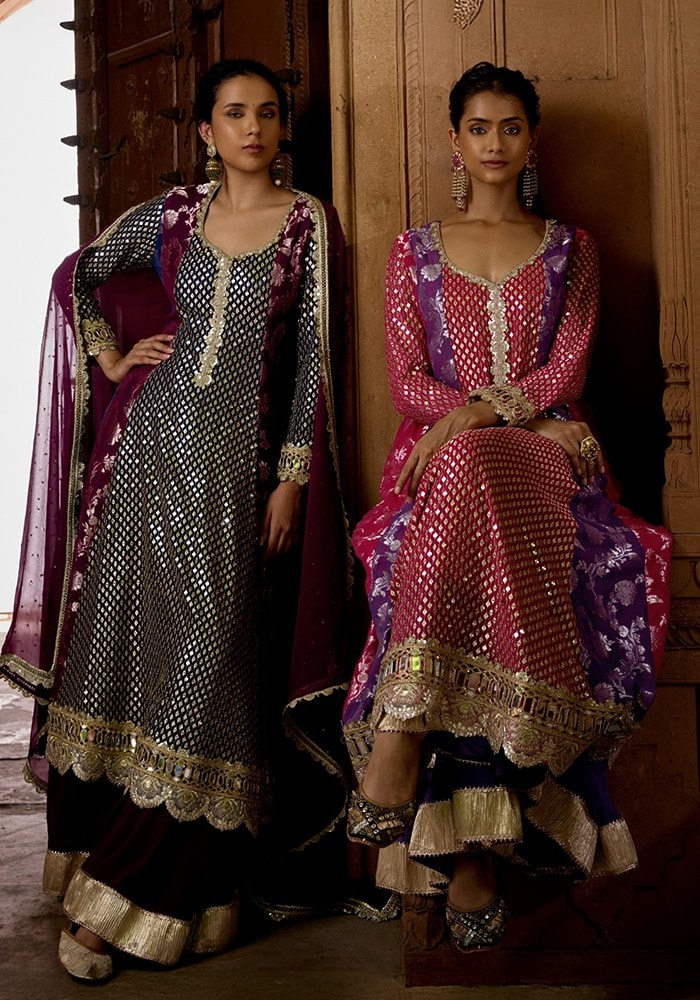
- Indian Salwar Suits: These are often characterized by bold, vibrant colors and heavy embellishments. Zari (gold and silver threadwork), intricate embroidery, mirror work, and sequins are common features. The silhouette can vary widely, from classic Anarkalis to shorter, straight-cut kameez styles. Indian suits are designed to make a statement, especially for celebratory occasions. (Link to: Indian salwar suit collection)
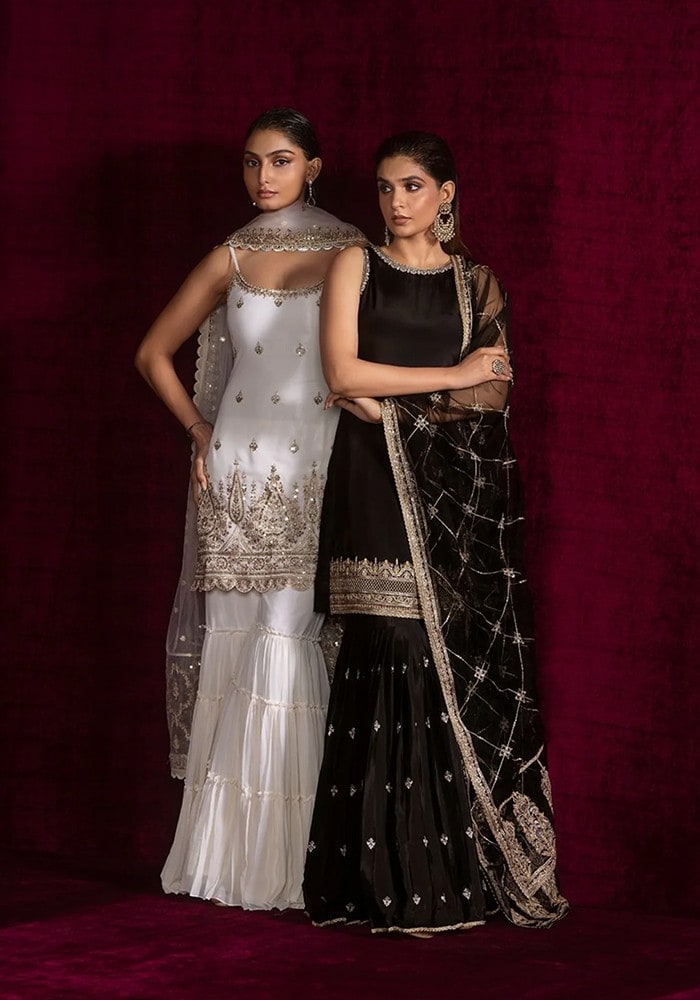
- Pakistani Salwar Suits: These tend to favor a more subtle and refined elegance. The color palette often leans towards pastels, earthy tones, and monochromatic schemes. Designs frequently feature delicate lacework, fine thread embroidery, and printed motifs. A key characteristic of modern Pakistani suits is the longer kameez length, often paired with straight-cut trousers or palazzos. The emphasis is on graceful silhouettes and understated artistry.
Though distinct, both styles represent regional elegance and the incredible craftsmanship of South Asian artisans.
While the salwar kameez is a shared heritage, its expression varies beautifully across borders. The difference between Indian and Pakistani suits highlights unique cultural aesthetics and design philosophies.
- Indian Salwar Suits: These are often characterized by bold, vibrant colors and heavy embellishments. Zari (gold and silver threadwork), intricate embroidery, mirror work, and sequins are common features. The silhouette can vary widely, from classic Anarkalis to shorter, straight-cut kameez styles. Indian suits are designed to make a statement, especially for celebratory occasions. (Link to: Indian salwar suit collection)
- Pakistani Salwar Suits: These tend to favor a more subtle and refined elegance. The color palette often leans towards pastels, earthy tones, and monochromatic schemes. Designs frequently feature delicate lacework, fine thread embroidery, and printed motifs. A key characteristic of modern Pakistani suits is the longer kameez length, often paired with straight-cut trousers or palazzos. The emphasis is on graceful silhouettes and understated artistry.
Though distinct, both styles represent regional elegance and the incredible craftsmanship of South Asian artisans.
Choosing Between Kurta and Salwar Kameez: What Suits You Best?
Your choice depends on your personal style, comfort needs, and the event you're attending.
Tips for Men:
- Go for a kurta if you prioritize comfort, versatility, and simplicity. A simple cotton or linen kurta is perfect for daily wear. (Link to: Men’s daily wear kurtas)
- For festive events or weddings, choose an embroidered kurta made from silk, jacquard, or brocade. Asymmetric cuts and unique draping can add a modern flair. Pair it with a churidar and mojris for a classic look.
Tips for Women:
- Pick a salwar kameez when you want to embrace traditional grace for a formal or festive occasion. The complete set offers an effortless, put-together look.
- For daily comfort, work, or casual outings, a kurta is an excellent choice. Cotton, rayon, or georgette kurtas are breathable and stylish. (Link to: Salwar suit fabrics guide)
- Experiment with fusion looks by pairing a kurta set with different bottoms. A short kurta with jeans, a long straight kurta with a skirt, or an A-line kurta with palazzo pants are all chic and modern options.
Styling Ideas & Modern Trends
The beauty of Indian ethnic wear is its ability to evolve. Here are some contemporary ways to style your kurtas and salwar suits:
- For a sharp, contemporary look, men can layer a Nehru jacket over a plain kurta. Pairing a kurta with fitted denim and loafers creates a smart casual outfit.
- Women can adapt salwar suits for the office by choosing Indo-Western sets with straight-cut pants and minimal prints. (Link to: Office wear ethnic collection)
- Fabric trends are constantly updating the look of these traditional garments. Linen kurtas are perfect for summer, while organza kameez and chiffon dupattas add a delicate, modern touch to salwar suits for evening events.
Conclusion
At their core, the kurta and the salwar kameez serve different purposes while embodying the same rich cultural heritage. The key takeaway is simple: a kurta offers versatile comfort, while a salwar kameez delivers structured elegance.
The kurta is a standalone tunic, a flexible building block for countless outfits, loved by all for its ease and adaptability. The salwar kameez, in contrast, is a complete, coordinated ensemble that provides a polished and traditional look with minimal effort. Whether you love the easy-going grace of a kurta or the timeless charm of a salwar kameez, both are beautiful expressions of Indian fashion that continue to inspire and evolve.
FAQs
Q1: Is a kurta the same as a kameez?
No. A kurta is a standalone tunic that can be styled in many ways. A kameez is the tunic component of a three-piece salwar kameez set and is designed to be worn with its matching salwar and dupatta.
Q2: Can men wear salwar kameez?
Traditionally, the three-piece salwar kameez is a woman's garment. However, men in some regions wear kameez-style tunics with salwars, often referred to as Pathani suits. Generally, kurtas paired with pajamas or churidars are more common in men's ethnic fashion.
Q3: Which is more comfortable – kurta or salwar kameez?
Comfort is subjective, but kurtas are generally considered more relaxed due to their loose, airy fit. Salwar kameez can also be very comfortable, but their tailored structure offers a more formal feel compared to the casual ease of a kurta.
Q4: What occasions are best for each?
Kurtas are ideal for daily wear, office settings, and casual to semi-formal events. A heavily embroidered kurta can also be worn to festive occasions. Salwar kameez are best suited for more formal and traditional events like weddings, religious ceremonies, and festivals.

