


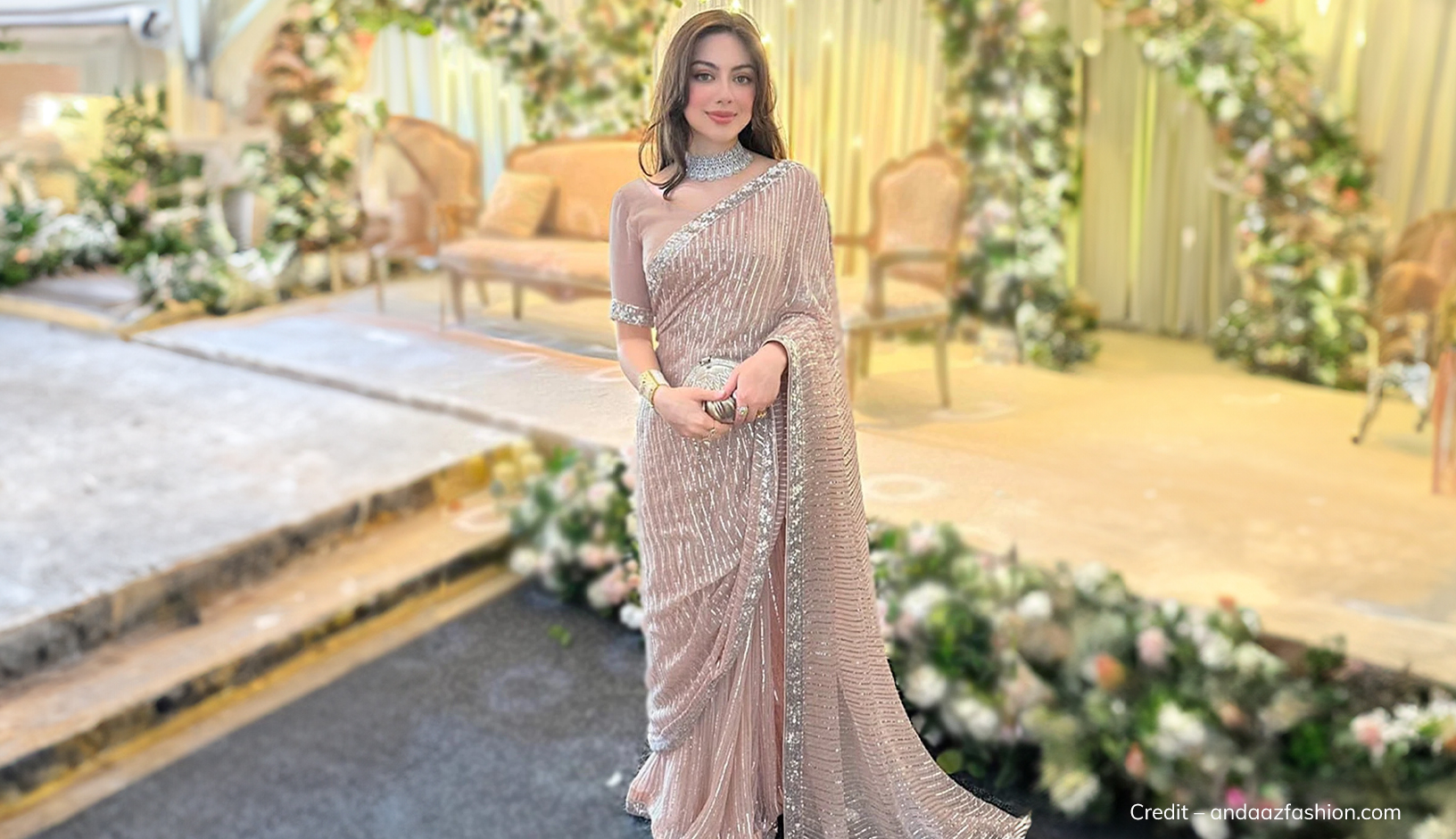
Music and dance form the heartbeat of Indian weddings. Among all the events that make up a grand celebration, one night stands out for its pure, unadulterated joy. The Sangeet ceremony is the ultimate musical extravaganza that brings two families together on the dance floor.
If you are attending an upcoming wedding or planning your own, understanding the traditions makes the event much more enjoyable. A Punjabi Sangeet is famous for its high energy, rhythmic dhol beats, and spectacular performances.
This guide will walk you through the rich cultural significance of the Sangeet ceremony. We will explore the traditional practices that make it so special and trace how the event has evolved over the years. Finally, we will share tips on choosing the perfect wedding outfits and how Aza Fashions ethnic wear can make you look spectacular on the dance floor.
What is the Sangeet Ceremony?
The word "Sangeet" literally translates to music sung together. In the context of a wedding, it is an entire evening dedicated to celebrating the upcoming marriage through song and dance.
Historically, this event was a much smaller, intimate gathering. It usually takes place at the bride's home a few days before the wedding. Only the women of the family and close female neighbors would attend. They would sit together in a circle, play traditional instruments, and sing folk songs. These songs ranged from emotional melodies about the bride leaving her home to playful, teasing tunes about the groom and his family.
Today, the Sangeet ceremony has transformed into a massive, grand celebration. Families now host joint events where both the bride's and groom's sides come together. Men and women participate equally, turning the night into a grand party filled with choreographed dances, professional DJs, and lavish feasts. Despite this modern upgrade, the core remains the same: celebrating love and unity through music.
The Cultural Significance Behind the Music
Punjabi wedding traditions place a massive emphasis on community bonding. The Sangeet serves a very specific and beautiful purpose in this regard.
First and foremost, it breaks the ice. Weddings can be stressful, and the two families might not know each other very well. A night of singing and dancing removes formalities. When aunts, uncles, and cousins perform together, they build lasting memories and comfortable relationships.
Second, the songs act as a form of oral history and cultural preservation. The traditional Punjabi folk songs, known as Suhaag (sung for the bride) and Ghorian (sung for the groom), contain generations of wisdom. They express the fears, hopes, and blessings of the elderly. Singing these songs passes cultural values down to the younger generation.
Finally, the Sangeet ceremony acts as a massive stress reliever for the couple. After months of intense wedding planning, this night gives them permission to simply let go. They can laugh, dance with their friends, and enjoy the spotlight before the serious religious rituals begin.
Traditional Practices at a Punjabi Sangeet
While many families now host large-scale productions, traditional Punjabi practices still hold a special place during the event. Understanding these customs adds depth to the celebration.
The Power of the Dholki
You cannot have a Punjabi Sangeet without a dholki. This traditional two-sided hand drum provides the rhythm for the entire evening. Traditionally, an elder woman in the family takes charge of the dholki. Other women sit around her with spoons or small sticks, tapping on the wooden sides of the drum to create a faster, supporting beat. The rhythmic thumping sets a joyous, energetic mood that makes it impossible to sit still.
Singing Boliyan and Tappe
Boliyan and Tappe are short, energetic Punjabi folk verses. They often involve a call-and-response format. One group of women will sing a teasing verse aimed at the groom's family, and the other side will sing a clever, rhyming response. This playful banter is the highlight of the night. It creates a fun, competitive atmosphere that ends in loud laughter and cheering.
The Jaago Celebration
In many Punjabi families, the Sangeet night merges with the Jaago ceremony. "Jaago" means waking up. Historically, relatives would balance a decorated brass jug covered in lit oil lamps on their heads. They would walk through the village at night, singing loudly to wake everyone up and invite them to the wedding. Today, families performed the Jaago dance inside the banquet hall. They pass the glowing, decorated jug around, dancing vigorously to heavy dhol beats.
Planning a Modern Sangeet Night
Modern couples love to blend these ancient traditions with spectacular new elements. A contemporary Sangeet ceremony often feels like a professional stage show or a Bollywood movie sequence.
Families usually hire choreographers' months in advance. They prepare elaborate dance routines for different groups. You will see a fun performance by the bride's friends, a romantic duet by the couple, and often a surprising, energetic dance by the parents.
Event planners transform banquet halls into magical spaces. They use massive LED screens, dramatic lighting, and elaborate stage designs. Food also plays a starring role, featuring massive buffets with live street food counters, traditional Punjabi delicacies, and extravagant dessert stations.
If you are planning your own Sangeet, focus on keeping the energy high. Make sure your DJ understands your crowd and mixes traditional Punjabi tracks with modern dance hits. Most importantly, ensure that you have plenty of space on the dance floor for everyone to join in.
Finding the Perfect Wedding Outfits

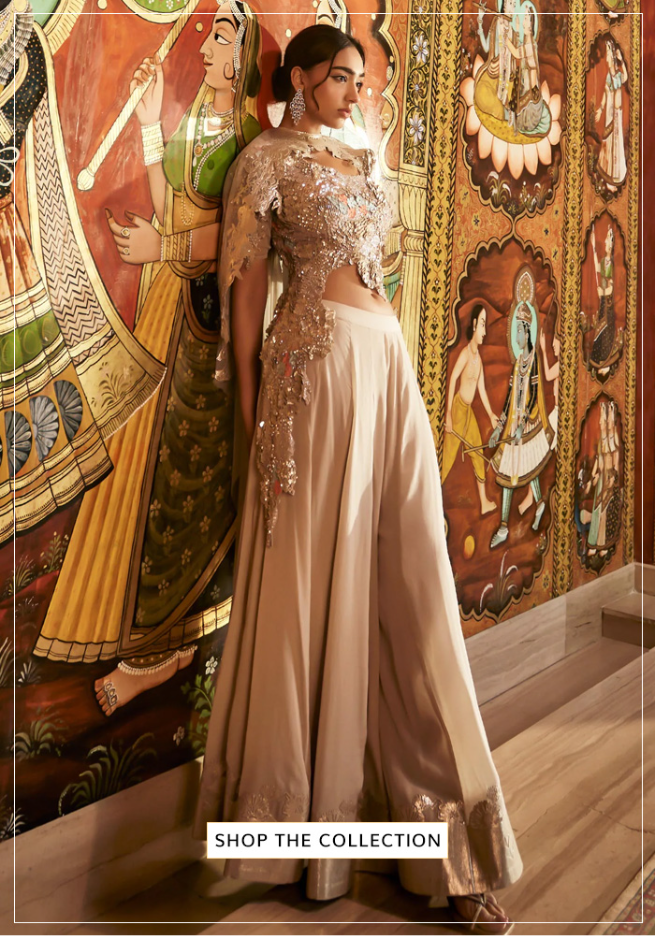
Because the Sangeet ceremony involves hours of continuous dancing, your clothing choices are crucial. You need wedding outfits that look incredibly glamorous but also allow you to move freely. Stiff fabrics and overly heavy borders will only hold you back.
Aza Fashions ethnic wear offers an exceptional collection of designer outfits crafted specifically for celebratory nights like this. Here is how you can find the perfect look for the dance floor.
Stunning Looks for the Bride
The Sangeet is the bride's night to shine and have fun. While you might save the traditional red for the wedding day, the Sangeet allows you to experiment with bold, dazzling colors. Deep emerald greens, rich midnight blues, and vibrant jewel tones look spectacular under stage lighting.
A lightweight designer in Lehenga is the most popular choice. Look for outfits made from breathable fabrics like georgette, chiffon, or soft net. Instead of heavy stonework, opt for outfits featuring intricate mirror work (Abhla), shimmering sequins, or metallic foil embroidery. These embellishments catch the light beautifully when you spin but weigh significantly less than traditional Zardozi work.
If you want something easier to manage while dancing, consider a stunning Sharara suit or a contemporary cape set. These Aza Fashions ethnic wear silhouettes give you the volume and drama of a lehenga without the hassle of managing a heavy dupatta.
Dapper Styles for the Groom
The groom needs an outfit that looks sharp but offers plenty of flexibility for those energetic Bhangra moves. A heavily constructed sherwani is usually too stiff for the Sangeet ceremony.
Instead, explore the range of modern Kurta sets and Indo-western outfits. A well-tailored Kurta paired with a stylish Nehru jacket strikes the perfect balance. You can choose a jacket with subtle thread work or soft sequins to match the festive mood.
Many modern grooms opt for an asymmetrical hemline or a draped Kurta for a more contemporary look. Dark colors like navy, maroon, and charcoal grey are excellent choices for an evening event. Pair your outfit with comfortable, well-fitted trousers or churidars, and make sure your traditional footwear is broken in before the big night.
Aza Fashions Ethnic Wear for the Guests
If you are attending a Sangeet as a guest, prepare to dance. Comfort is your best friend.
For women, pre-draped sarees and festive Anarkali suits are fantastic choices. A pre-draped saree gives you the elegant silhouette of a traditional drape without the fear of the pleats coming undone during a fast dance routine. Explore the Aza Fashions ethnic wear collections for vibrant, playful designs featuring bold floral prints or elegant gota patti work.
Male guests can never go wrong with a crisp, solid-colored Kurta set. Add a printed pocket square or a contrasting jacket to elevate the look. Stay away from heavy fabrics like velvet, as the dance floor tends to get very warm.
Accessorizing for the Dance Floor
Your jewelry and accessories should complement your outfit without getting in the way. Heavy, dangling earrings might look beautiful, but they can become painful after an hour of dancing.
Opt for a statement choker necklace that sits securely against your neck. If you prefer earrings, choose lightweight Chaandbalis or secure studs. Keep your hands relatively free of heavy bangles that might clink too loudly or get caught in your clothing. Instead, wear a single, striking cocktail ring.
For your footwear, consider elegant embellished wedges or traditional Juttis with soft cushioning. Stiletto heels easily sink into carpets and make dancing difficult, so flat or block-heeled options will keep you comfortable all night long.
Final Thoughts on the Celebration
The Sangeet ceremony is a beautiful, loud, and incredibly joyful expression of love. It takes the nervous energy of wedding planning and transforms it into pure celebration. By honoring Punjabi wedding traditions, families create an environment where two sides can truly become one.
As you prepare for this unforgettable night, remember that your main goal is to have fun. When you wear high-quality, comfortable wedding outfits, you do not have to worry about adjusting your clothes or feeling restricted. You can simply lose yourself in the music.
Ready to find an outfit that makes you look and feel like a star? Explore the breathtaking collections of Aza Fashions ethnic wear today. Discover the perfect designer ensemble that will keep you glowing, comfortable, and dancing until the sun comes up.

