
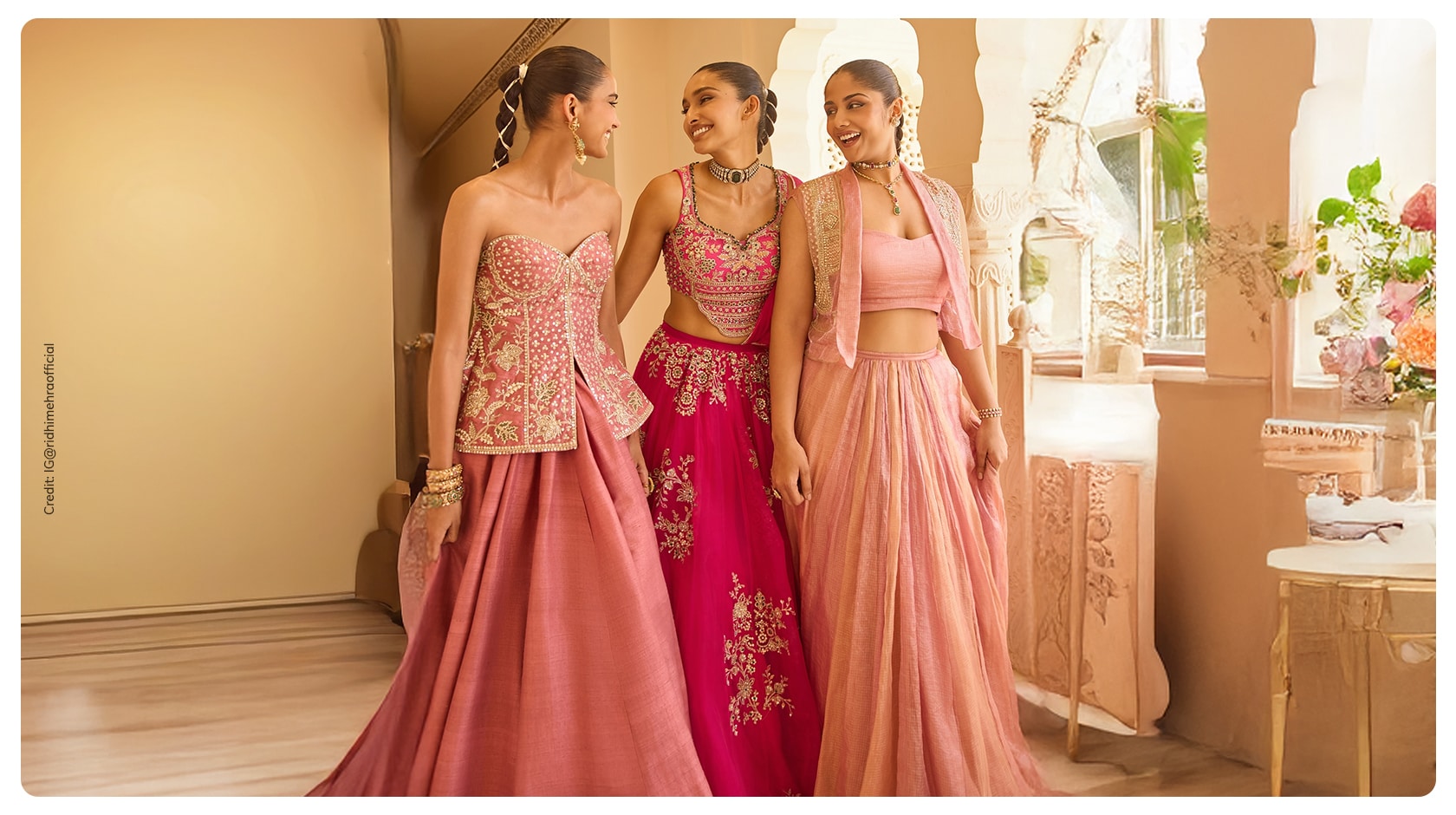
Have you ever wondered why Indian weddings are a riot of red, or why yellow takes center stage at pre-wedding ceremonies? In the vast landscape of global style, Indian fashion stands apart for its fearless and profound use of color. It isn't just about aesthetics or following the Pantone color of the year; in traditional Indian attire, every hue plays a specific role. Color is a language of its own—a silent storyteller that conveys marital status, spiritual beliefs, seasonal changes, and emotional intent.
For the modern fashion enthusiast, understanding these roles adds a rich layer of depth to your wardrobe. It transforms a simple outfit choice into a culturally resonant statement. Whether you are draping a Kanjeevaram saree or twirling in a designer lehenga, knowing the history behind the hue makes the experience infinitely more meaningful.
Let’s journey through the spectrum of Indian fashion and uncover the deep-seated roles that different colors play in our traditional wear.

Red: The Core of Auspiciousness
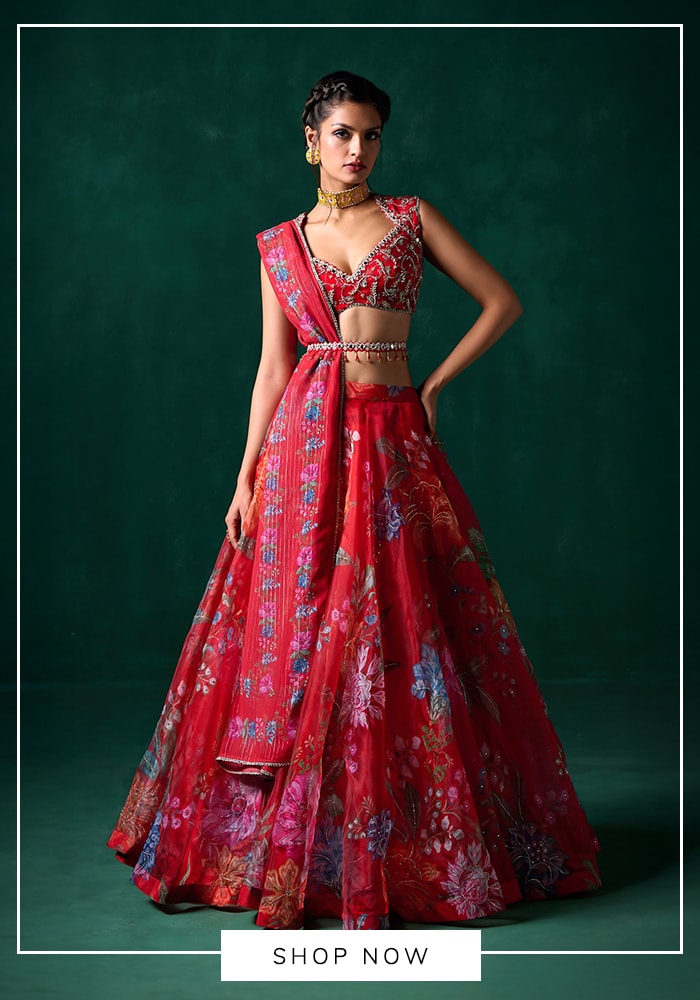
Red is the backbone of Indian occasion wear. It represents fertility, prosperity, strength, and new beginnings. Spiritually associated with Shakti, the feminine life force, red marks moments of transformation, most notably marriage.
From sindoor to bridal lehengas, red signals commitment and continuity. Red commands attention and celebrates vitality. Today, red has expanded beyond bridal wear. It appears in festive sarees, embroidered anarkalis, and structured jackets, retaining its authority while adapting to modern silhouettes.
How to wear it now:
Balance is key. Deep crimson paired with ivory, antique gold, or muted neutrals feels refined rather than overwhelming. Think red silk lehengas softened with tonal embroidery or layered with understated dupattas.
Yellow: Ritual, Renewal, and Joy
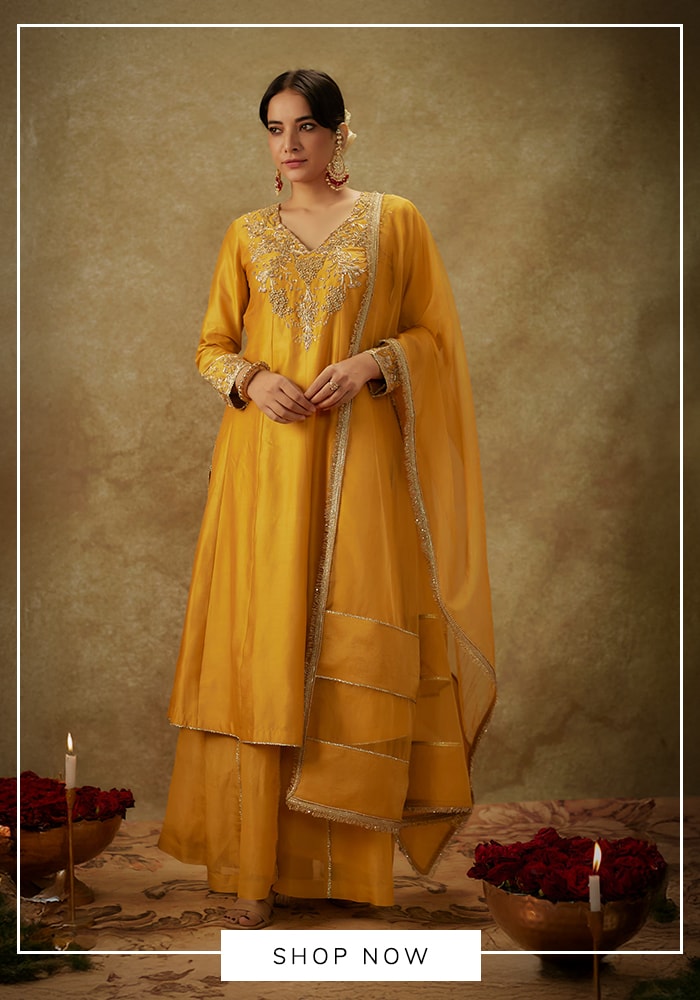
Yellow plays a functional role rooted in rituals. Closely tied to turmeric, it represents purification, protection, and wisdom. That’s why it dominates pre-wedding ceremonies like Haldi, where the color itself is believed to invite positivity and glow.
Beyond ceremonies, yellow symbolises sunlight, learning, and optimism. It marks beginnings and seasonal shifts, especially spring.
How to wear it now:
Mustard, marigold, and muted ochres feel contemporary and flattering. Yellow works best in breathable fabrics like cotton silk, organza, and chanderi. Pair with silver or oxidized jewellery for an effortless daytime festive look.
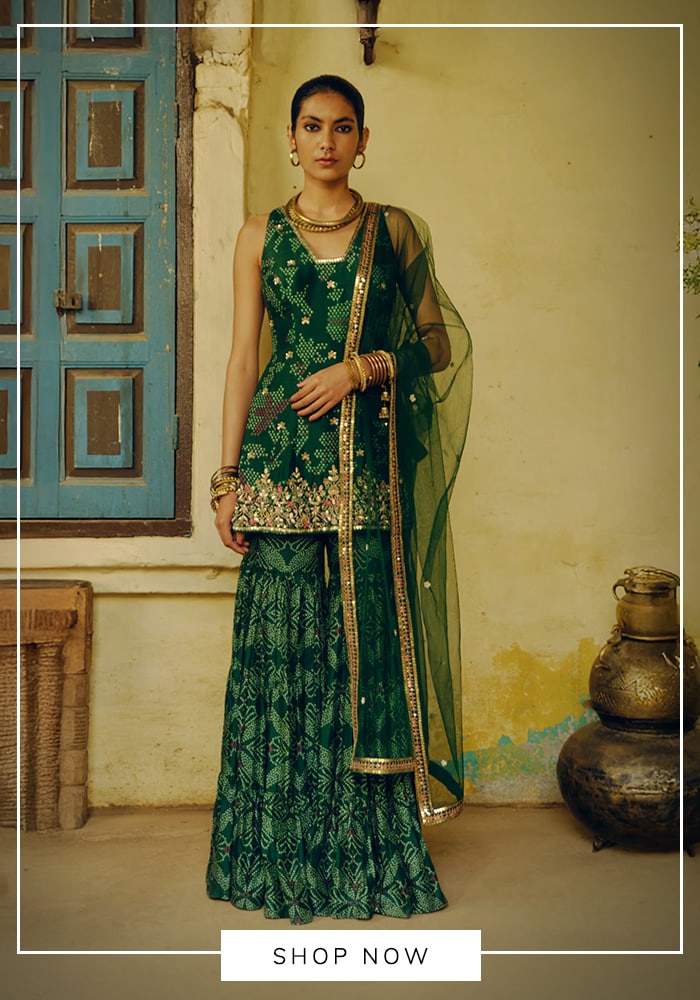
Green: Life, Growth, and Balance
Green reflects India’s agrarian roots. It symbolizes fertility, harmony, and renewal. In many regions, green is essential to bridal trousseaus, representing the bride’s role as a nurturer and stabilizing force.
Spiritually, green is calming and restorative. It’s also deeply significant in Islamic traditions, where it represents peace and paradise, making it a key color for celebrations like Eid.
How to wear it now:
Jewel greens like emerald and bottle green feel rich and ceremonial, especially in velvet or silk. Softer shades like mint and sage work beautifully for daytime weddings and summer festivities. Pearls and minimal gold complement green best.
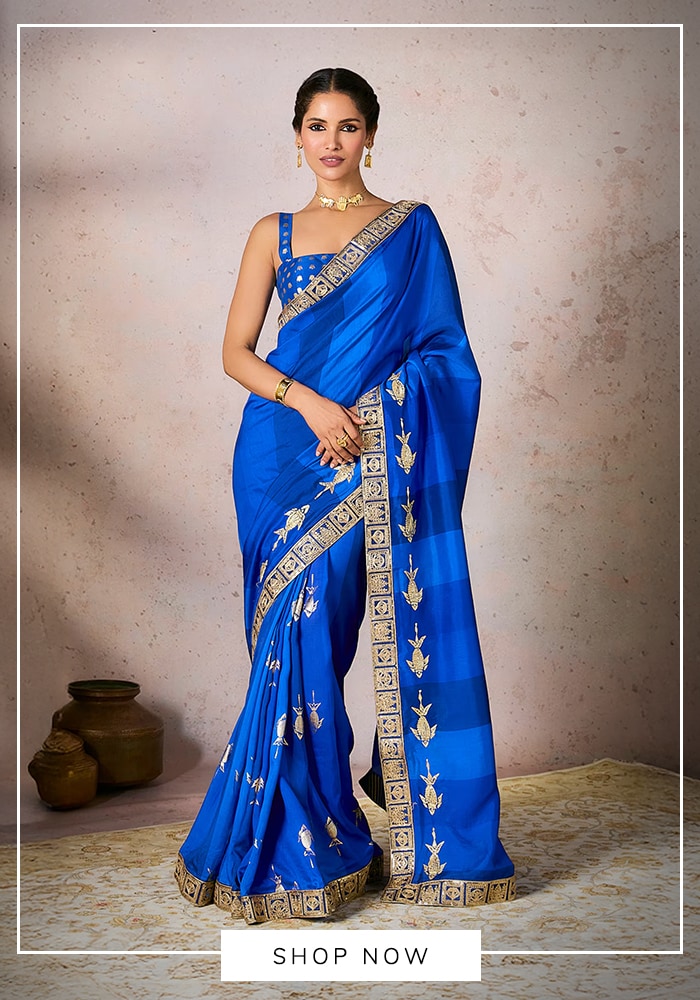
Blue: Divinity, Depth, and Modern Royalty
Blue holds a layered place in Indian fashion. While historically avoided in some orthodox traditions due to dye-making processes, culturally it is deeply revered as the color of the divine, associated with Lord Krishna and the infinite sky.
In modern ethnic wear, blue represents calm authority and elegance. It offers a sophisticated alternative to black for evening occasions.
How to wear it now:
Tone-on-tone blues create depth without heaviness. Navy paired with powder blue, or indigo with silver embroidery, looks polished and contemporary. Blue silk sarees and lehengas shine best with silver or white-metal detailing.
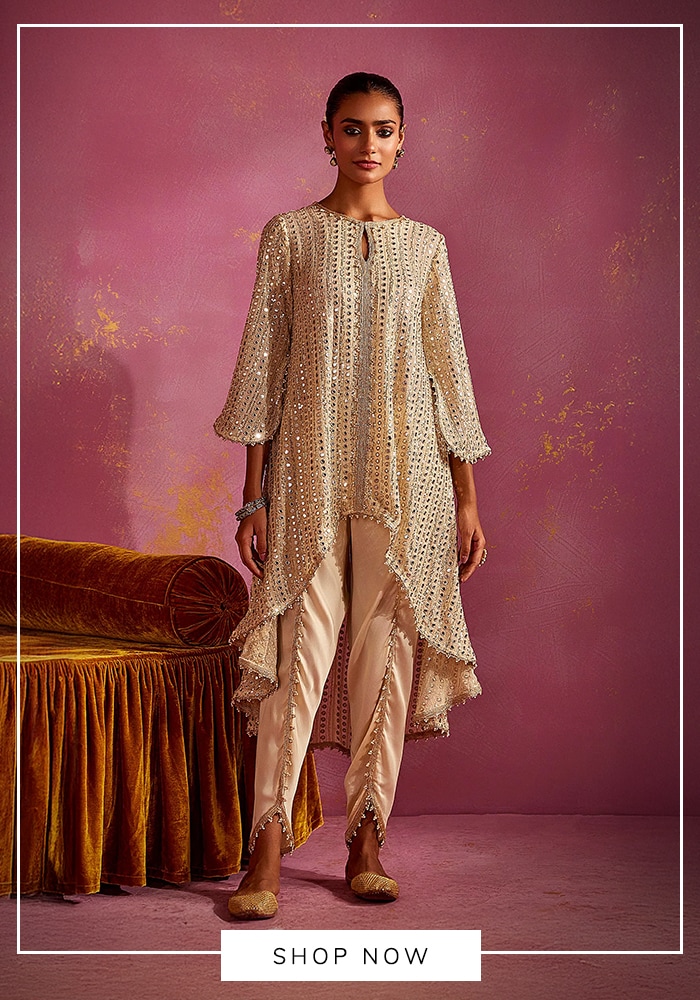
White and Ivory: From Renunciation to Refinement
Traditionally, white symbolizes withdrawal and mourning. It was the absence of worldly desire. Over time, that meaning has evolved.
Today, white and ivory represent restraint, confidence, and elevated minimalism. Influenced by regional crafts like Chikankari, Kasavu weaves, and handloom muslins, white has become a luxury statement in Indian fashion.
How to wear it now:
Texture matters more than color. Layer cotton with silk, or organza with intricate embroidery. Add contrast through jewellery, embroidered footwear, or a bold accessory to keep the look intentional rather than plain.
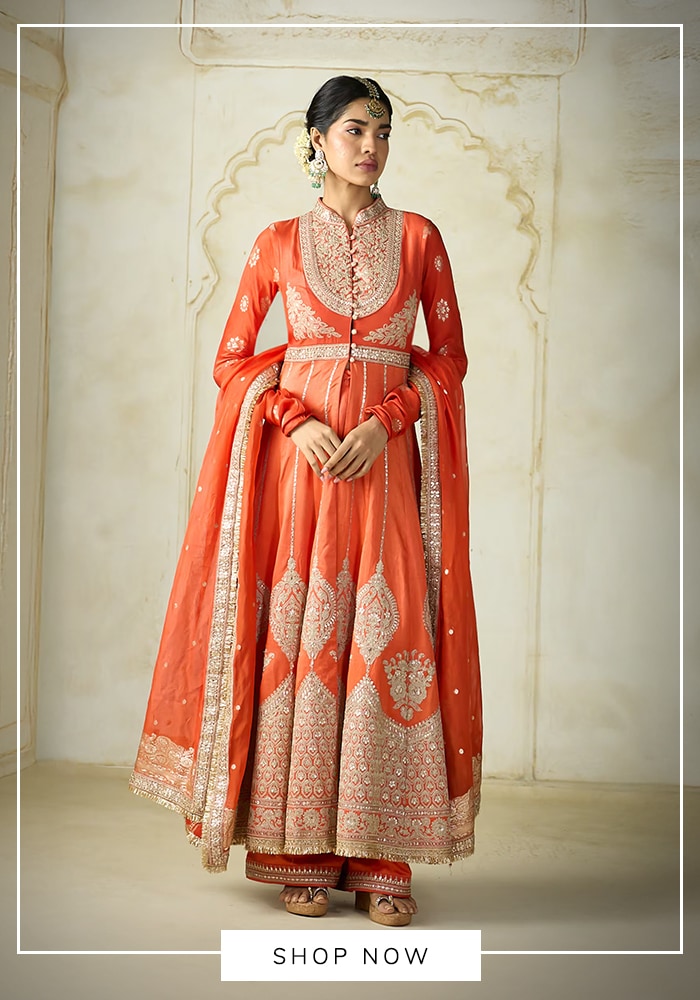
Orange and Saffron: Spiritual Energy and Celebration
Orange, particularly saffron, is sacred. It symbolizes purity, sacrifice, courage, and spiritual awakening. Seen in religious ceremonies and festivals, it carries warmth and vitality.
Unlike red, which marks personal milestones, orange often represents collective celebration and devotion.
How to wear it now:
Burnt orange, rust, and terracotta feel sophisticated and seasonless. Pair with antique gold or silver jewellery. For a contemporary twist, contrast orange with jewel tones like pink or turquoise.
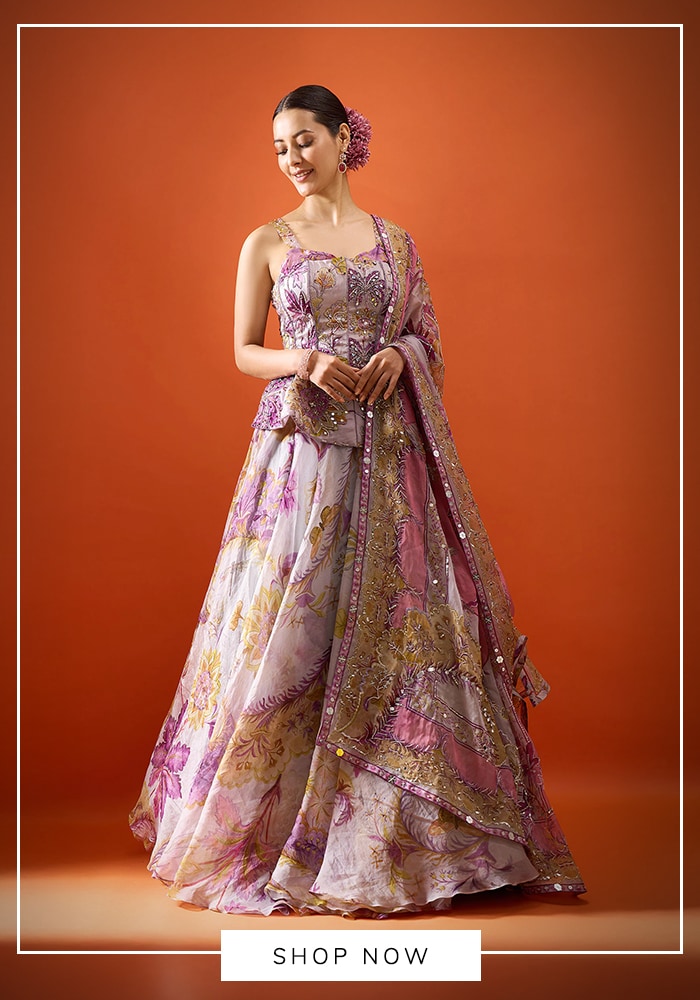
Purple: Power, Prestige, and Drama
Historically rare and expensive, purple was reserved for royalty. In Indian fashion, it continues to signal ambition, luxury, and confidence.
From deep wine shades to soft lilacs, purple adds drama without overpowering the silhouette.
How to wear it now:
Deep purples work best for evening wear and winter weddings. Pastel purples paired with ivory or blush feel modern and romantic. Metallic accents elevate purple instantly.
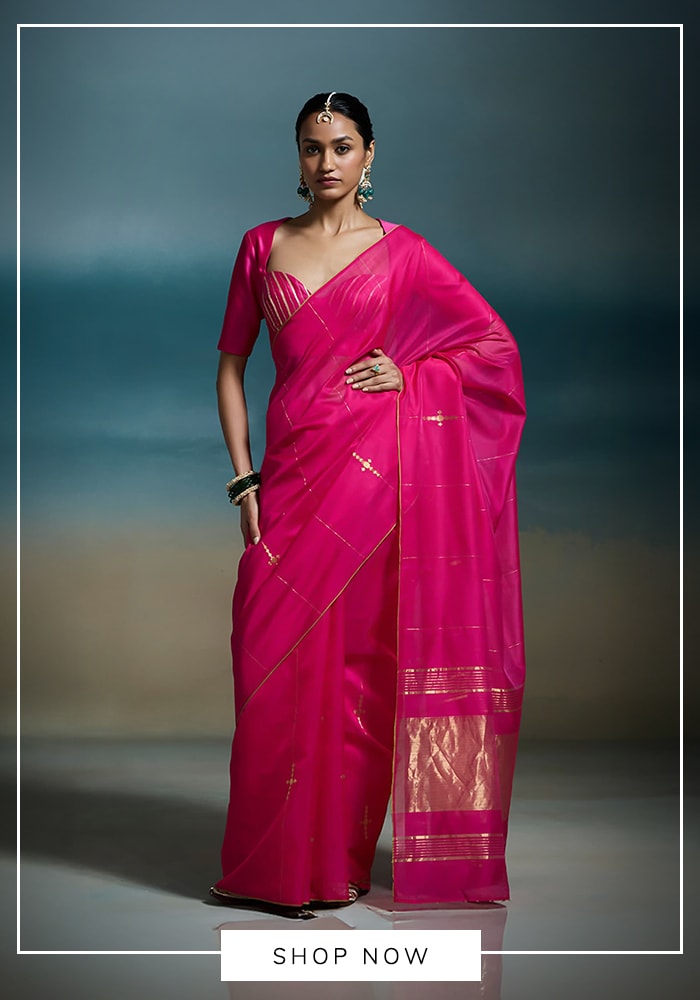
Pink: Romance, Celebration, and Ease
Pink represents affection, joy, and approachability. Traditionally associated with youth and festivity, it has evolved into a versatile staple across ages and occasions.
From blush tones to bold fuchsia, pink adapts effortlessly to Indian silhouettes.
How to wear it now:
Mix tones for dimension. Soft pinks with deeper magentas or contrasting green accessories add visual interest. Pink works especially well with mirror work lehengas, pearl details, and playful embellishments.
Black: From Avoidance to Authority
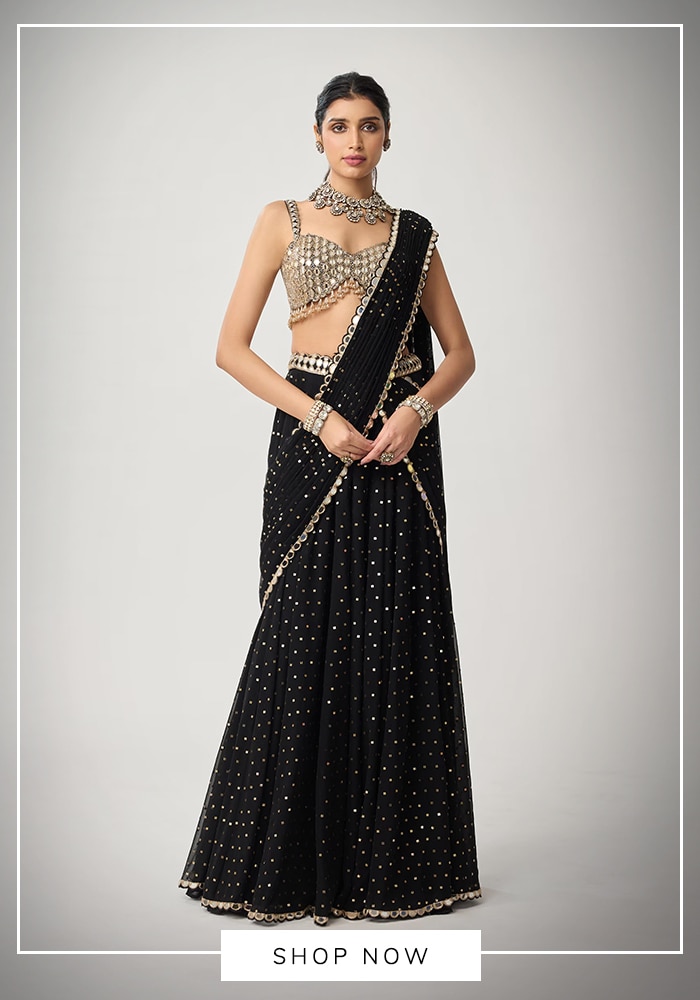
Once considered inauspicious, black has been fully reclaimed by modern Indian fashion. Today, it represents strength, elegance, and control.
Black allows craftsmanship to stand out. Embroidery, zari, and texture appear sharper against a dark base.
How to wear it now:
Choose black for receptions and evening celebrations. Pair with antique gold, silver, or tonal embroidery. Intentional styling is key to ensuring it reads powerful, not casual.
Gold: Wealth, Divinity, and Heirloom Value
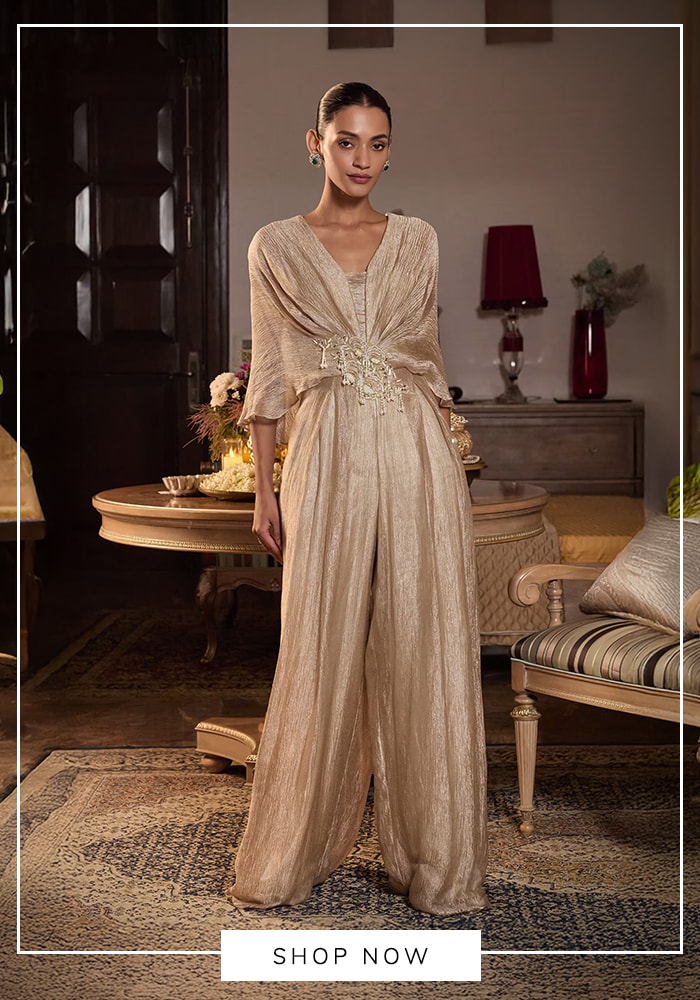
Gold isn’t just a color. It’s a cultural symbol of abundance and blessing. Associated with Goddess Lakshmi, gold appears through zari, brocade, tissue silks, and embellishments rather than flat fabric.
Gold elevates garments into ceremonial territory.
How to wear it now:
Opt for antique or muted gold finishes over high-shine. Balance gold accents with solid jewel tones or neutrals for a refined, contemporary look.
Color in traditional Indian fashion is never accidental. It is layered with history, belief, and emotion. Understanding these meanings doesn’t limit modern style. It enriches it.
When you dress with intention, you honour tradition while expressing individuality. Whether you choose red for power, green for harmony, or ivory for quiet confidence, color becomes your strongest style statement.
The next time you curate your ethnic wardrobe, don’t just ask what looks good. Ask what your colors are saying.