


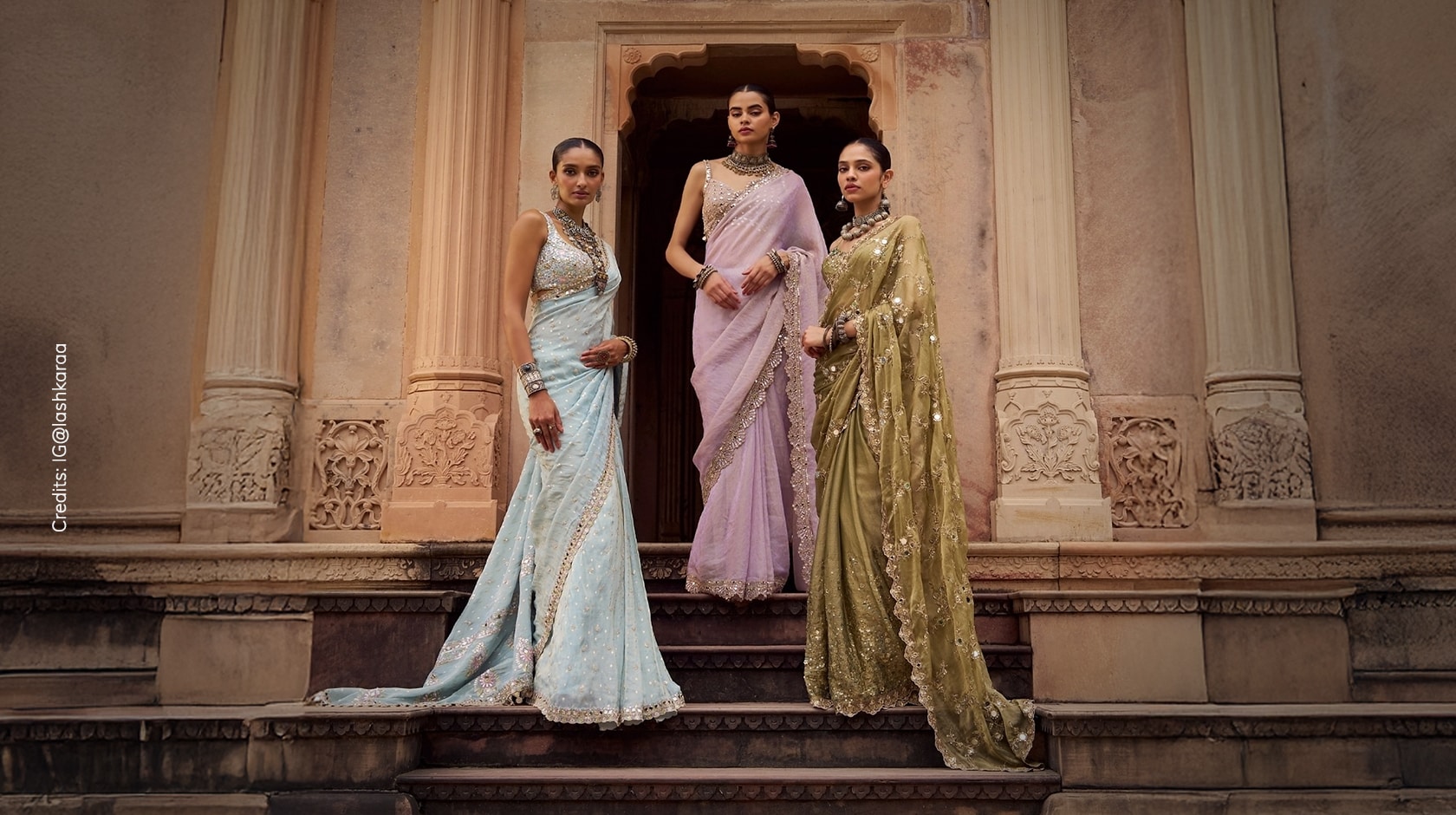
The saree stands as one of India's most iconic and enduring garments, representing centuries of tradition, craftsmanship, and cultural heritage. This six to nine-yard piece of unstitched fabric has adorned Indian women for over 5,000 years, evolving through dynasties and regions while maintaining its timeless elegance. From the opulent silk weaves of South India to the delicate cotton varieties of Bengal, each saree tells a unique story of its origin, reflecting the local culture, climate, and artistic traditions.

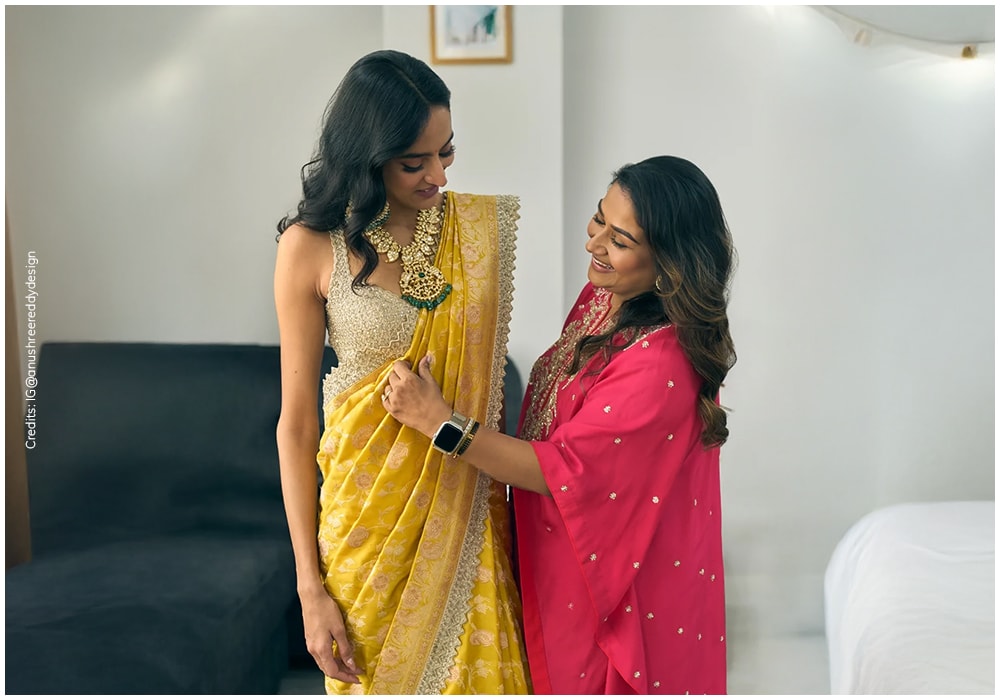
Understanding the rich diversity of Indian sarees opens a window into the country's textile heritage and regional identity. Each state and region has developed its distinctive weaving techniques, motifs, and styling methods, creating a tapestry of options that can seem overwhelming to newcomers. This comprehensive guide will navigate you through the most celebrated saree styles across India, helping you appreciate the artistry and choose the perfect drape for any occasion.
South Indian Saree Traditions
Kanjeevaram Sarees
Originating from the temple town of Kanchipuram in Tamil Nadu, Kanjeevaram sarees are considered the gold standard of South Indian silk weaving. These luxurious sarees are woven from pure mulberry silk threads and are renowned for their durability—often lasting for decades when properly cared for.
The distinctive features of Kanjeevaram sarees include their rich, lustrous silk fabric, intricate zari work using real gold or silver threads, and bold contrasting borders. Traditional motifs include temple designs, peacocks, parrots, flowers, and geometric patterns. The pallu (decorative end piece) often features elaborate designs inspired by South Indian temple architecture.
These sarees are perfect for weddings, festivals, and formal occasions, with prices ranging from moderate to extremely expensive depending on the silk quality and zari work complexity.
Mysore Silk Sarees
Karnataka's contribution to India's silk heritage, Mysore silk sarees are known for their smooth texture, vibrant colors, and elegant simplicity. Made from pure silk with minimal zari work, these sarees focus on the natural beauty of the silk itself rather than heavy embellishments.
Mysore silk sarees typically feature subtle gold borders and are available in jewel tones like deep emerald, ruby red, sapphire blue, and rich purple. They're ideal for both formal occasions and everyday wear, offering comfort without compromising on elegance.
Kerala Kasavu Sarees
The traditional white and gold sarees of Kerala, known as Kasavu sarees, embody the understated elegance of South Indian culture. These handwoven cotton sarees feature an off-white or cream base with distinctive gold zari borders, creating a timeless and sophisticated look.
Kasavu sarees are deeply connected to Kerala's cultural identity and are commonly worn during Onam celebrations, temple visits, and classical dance performances. The simplicity of design makes them versatile for both religious ceremonies and contemporary events.
Eastern India's Weaving Heritage
Banarasi Sarees
From the holy city of Varanasi in Uttar Pradesh, Banarasi sarees represent the pinnacle of Indian silk weaving artistry. These sarees are characterized by their heavy silk fabric, intricate brocade work, and elaborate Mughal-inspired designs featuring florals, paisleys, and geometric patterns.
The weaving process for authentic Banarasi sarees can take anywhere from 15 days to six months, depending on the complexity of the design. The most prized varieties include Pure Silk Banarasi, Organza Banarasi, and Georgette Banarasi, each offering different textures and weights suitable for various occasions.
Banarasi sarees are traditionally worn by brides and are considered essential for Indian weddings. The rich gold and silver zari work creates a regal appearance that's perfect for grand celebrations.
Bengali Saree

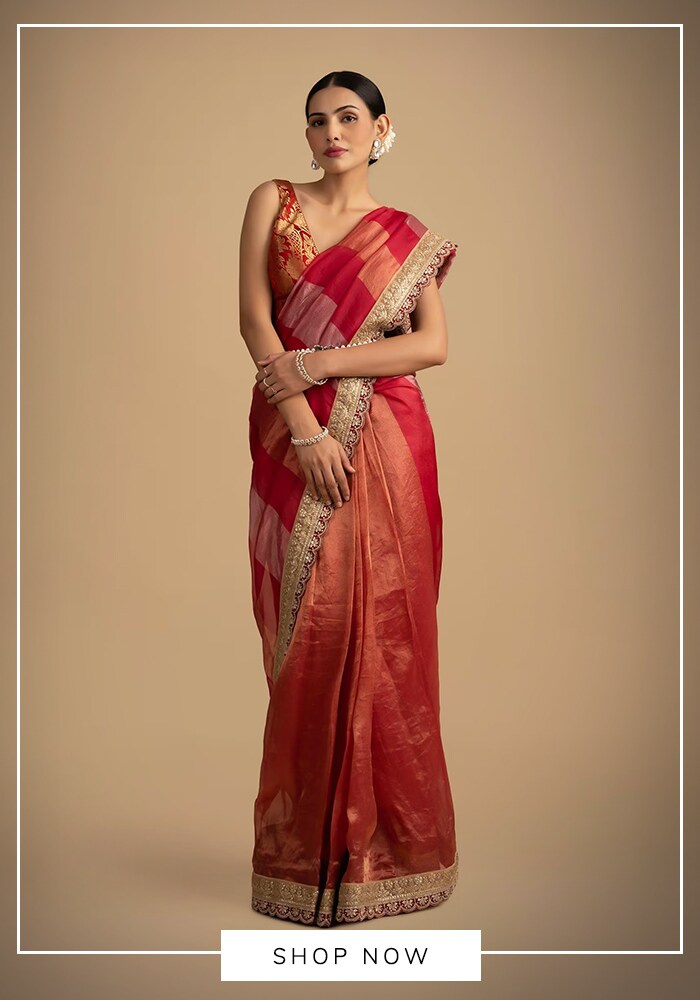
West Bengal has given India several distinctive saree styles, each reflecting different aspects of Bengali culture and craftsmanship.
Tant Sarees are lightweight cotton sarees perfect for Bengal's humid climate. Available in vibrant colors with contrasting borders, these sarees are comfortable for daily wear and are often chosen for their practicality and affordability.
Jamdani Sarees represent one of the finest forms of handloom weaving, recognized by UNESCO as an Intangible Cultural Heritage. These cotton sarees feature intricate motifs woven directly into the fabric using the supplementary weft technique, creating beautiful patterns that appear to float on the fabric.
Baluchari Sarees are known for their narrative pallus that depict scenes from Indian epics, historical events, or daily life. Originally woven in Baluchar village, these silk sarees are prized for their storytelling through textile art.
Western India's Vibrant Traditions
Bandhani Sarees
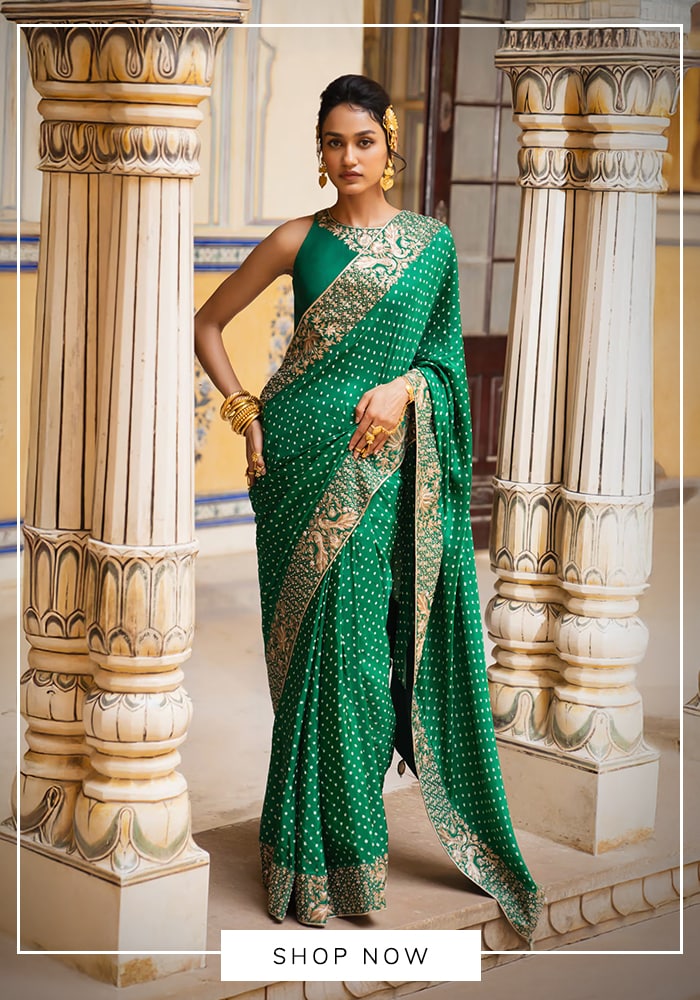
Gujarat and Rajasthan are famous for their Bandhani or tie-dye sarees, which showcase the ancient art of resist dyeing. The process involves tying thousands of tiny knots in the fabric before dyeing, creating intricate patterns of dots, waves, and geometric designs.
Bandhani sarees come in both silk and cotton varieties, with vibrant colors like red, yellow, green, and blue dominating the palette. The traditional motifs include circles, squares, waves, and strips, each carrying cultural significance and regional identity.
Paithani Sarees
Maharashtra's Paithani sarees are among India's most expensive and revered handwoven textiles. These silk sarees are known for their distinctive peacock and parrot motifs, oblique square designs, and rich color combinations.
The weaving technique involves using a tapestry method where colored silk threads are woven to create elaborate patterns. Traditional Paithani sarees feature a plain silk body with heavily decorated borders and pallu, often taking several months to complete.
Northern India's Regal Heritage
Chanderi Sarees
From Madhya Pradesh, Chanderi sarees are known for their lightweight texture, sheer quality, and subtle elegance. These sarees are woven using a combination of silk and cotton, creating a fabric that's both comfortable and lustrous.
Chanderi sarees typically feature traditional motifs like coins, floral patterns, and geometric designs woven with gold or silver zari. The transparency of the fabric gives these sarees a ethereal quality, making them perfect for daytime events and summer occasions.
Chikankari Sarees
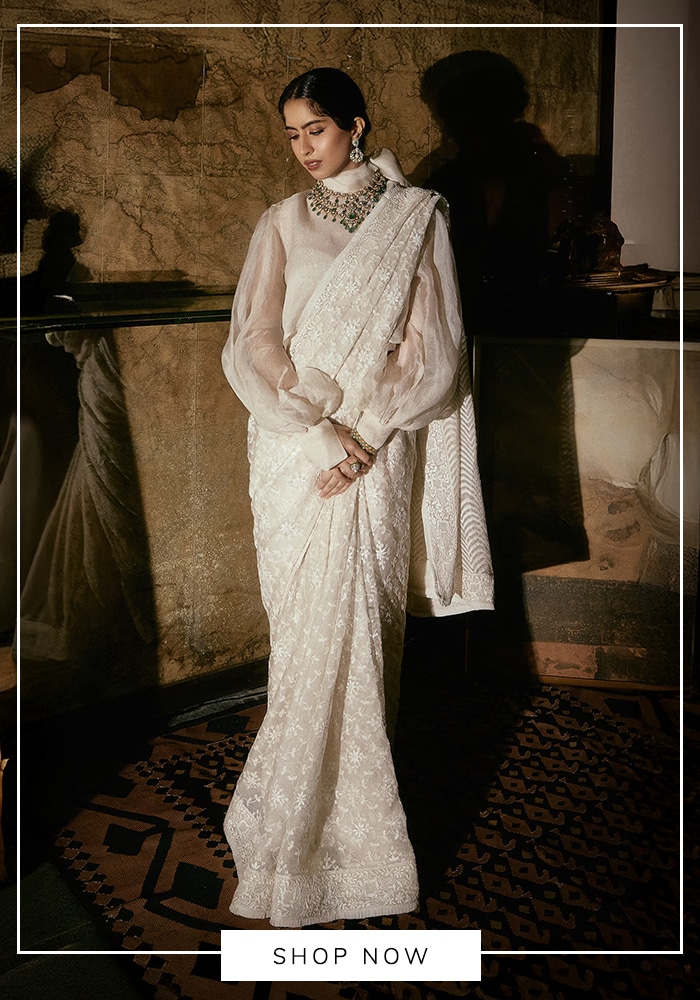
Lucknow's famous Chikankari embroidery adorns these elegant sarees, which are typically made from cotton, georgette, or chiffon. The hand-embroidered white threadwork creates delicate patterns of flowers, paisleys, and vines on pastel-colored fabrics.
Chikankari sarees are perfect for summer events and casual occasions, offering comfort and sophistication. The embroidery work can range from simple to highly elaborate, affecting both the appearance and price of the saree.
Contemporary Trends and Modern Adaptations
While traditional sarees remain popular, contemporary designers are creating modern interpretations that appeal to younger generations. These include:
Designer Sarees that blend traditional techniques with contemporary aesthetics, featuring unconventional colors, modern motifs, and innovative draping styles.
Fusion Sarees that incorporate elements from Western fashion, such as pre-stitched pleats, attached blouses, or contemporary prints.
Sustainable Sarees made from eco-friendly materials and natural dyes, appealing to environmentally conscious consumers.
Choosing the Right Saree
When selecting a saree, consider the occasion, season, your personal style, and budget. Silk sarees are ideal for formal events and celebrations, while cotton sarees work well for daily wear and casual occasions. Consider the maintenance requirements, as some sarees require special care and professional cleaning.
For beginners, start with lighter fabrics like cotton or chiffon, which are easier to drape and more comfortable to wear. As you become more comfortable with saree draping, you can explore heavier silk varieties and more elaborate designs.

