


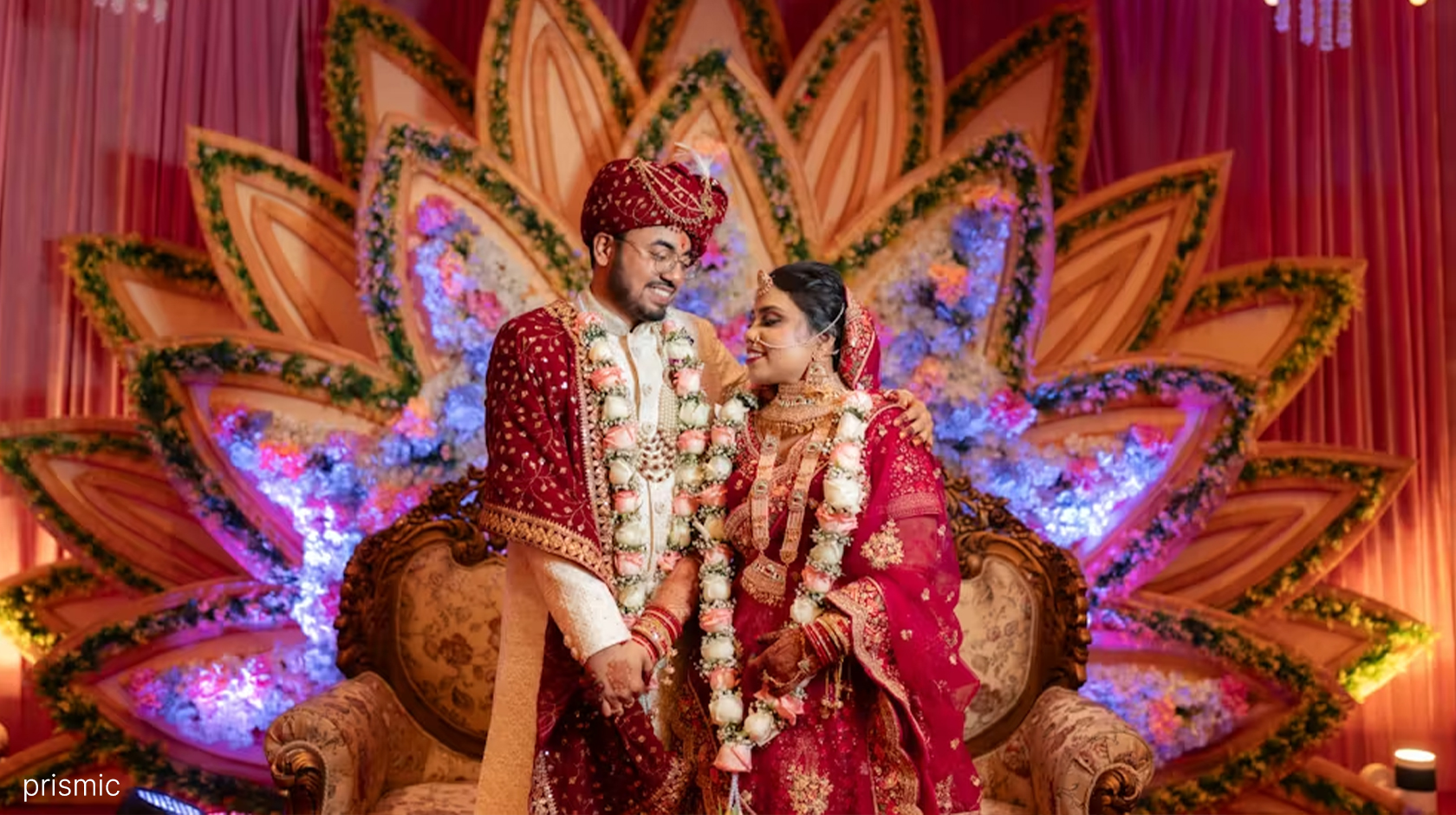
The Tilak ceremony is one of the most sacred and emotionally rich pre-wedding rituals in Bihar and Jharkhand. Long before the wedding day arrives, this ancient tradition sets the tone for everything that follows binding two families in a formal promise of marriage. Whether you are attending one for the first time or simply want to understand what makes this ritual so deeply meaningful, this guide covers everything you need to know about the Tilak ceremony in 2026.

What Is the Tilak Ceremony?
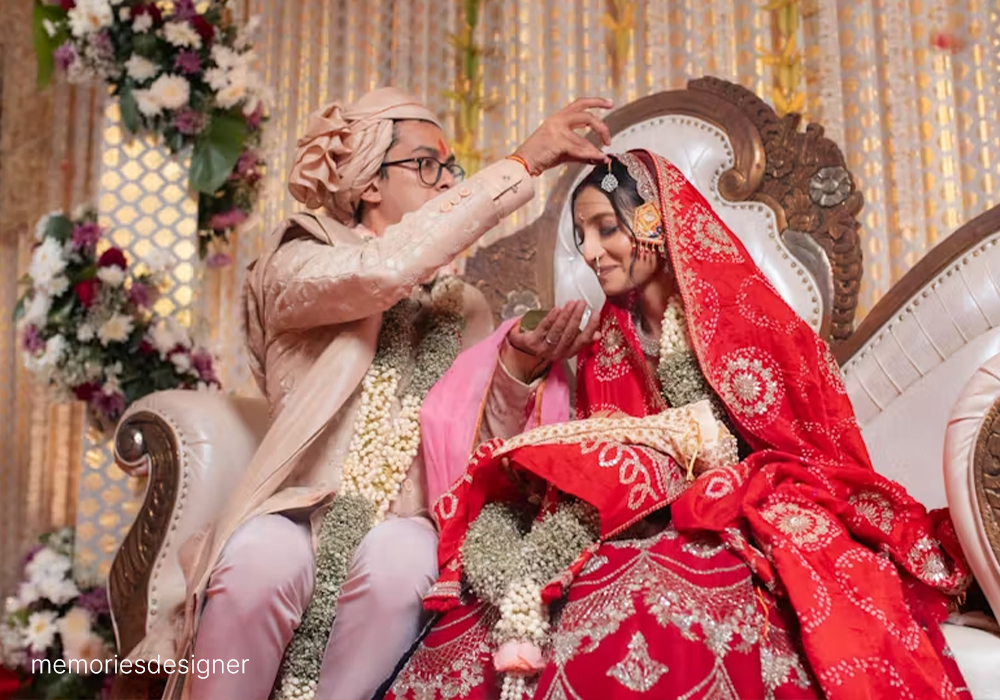
The Tilak ceremony also called Tika or Tilakot in parts of Bihar and Jharkhand is a formal engagement ritual performed by the bride's family at the groom's home. It is essentially the official announcement of a marriage alliance between two families. During the ceremony, the bride's father or elder brother applies a tilak (sacred mark, usually of vermillion or sandalwood paste) on the groom's forehead, symbolizing that he has been chosen and accepted as the future husband.
This ritual is distinct from the wedding itself, and in most households across Bihar and Jharkhand, it takes place weeks or even months before the main wedding ceremonies begin.
Historical & Cultural Roots of the Tilak Ritual
The Tilak ceremony traces its roots to ancient Vedic traditions where the forehead mark carried deep spiritual meaning. In Hindu philosophy, the forehead specifically the space between the eyebrows is considered the seat of wisdom and the third eye. Applying tilak here is an act of blessing, protection, and auspiciousness.
In Bihar and Jharkhand, the ritual evolved over centuries to become a grand social occasion that carries as much cultural weight as the wedding itself. It is rooted in the Maithili, Bhojpuri, and Magahi cultural traditions of the region, where every step of a marriage is guided by family honor, community witness, and religious observance.
Historically, the Tilak ceremony also served a practical purpose it was the point at which the two families made their commitments public and began exchanging gifts, signaling that no future withdrawal was acceptable without social consequences.
How Is the Tilak Ceremony Performed in Bihar & Jharkhand?
Step 1 Setting the Date (Muhurat)
The date and time of the Tilak ceremony are never chosen casually. Families consult a pandit (priest) to identify an auspicious muhurat based on the Hindu calendar (Panchang). The alignment of the couple's horoscopes (kundali) and planetary positions play a crucial role in finalizing the date.
Step 2 Arrival of the Bride's Family (Baraat of the Girl's Side)
The bride's family travels to the groom's home in a group often referred to as the "tilak party." This procession carries gifts, sweets, dry fruits, and traditional items that will be formally presented to the groom and his family. In many Bihar households, this procession is accompanied by traditional dhol and shehnai music, making it a festive and celebratory entry.
Step 3 Welcome & Pooja
Upon arrival, the groom's family receives the bride's family with great warmth. A short pooja is performed to invoke blessings from Lord Ganesha (the remover of obstacles) and the family deity before the main ritual begins.
Step 4 The Tilak Application
The most significant moment of the ceremony arrives when the bride's father or senior male relative (mama, chacha, or bhai) sits across from the groom. He applies tilak usually made of kumkum (vermillion), chandan (sandalwood paste), or sindoor on the groom's forehead. In some communities in Jharkhand, rice grains soaked in turmeric water are also used. This act is performed with mantras chanted by the priest and is witnessed by both families.
Step 5 Gift Exchange (Naivedya & Vardan)
After the tilak is applied, the formal exchange of gifts begins. The bride's family presents the groom with clothing (often a sherwani or dhoti-kurta), jewelry, cash, dry fruits, sweets, and household items. In return, the groom's family offers gifts for the bride and the visiting relatives. In many families, this exchange has evolved into a grand affair with extensive gift lists prepared in advance.
Step 6 Feast (Bhojan)
No major ceremony in Bihar and Jharkhand is complete without a traditional feast. The Tilak ceremony concludes with a grand meal where both families sit together and enjoy regional delicacies such as litti-chokha, kheer, pua, and various sweets. This shared meal deepens the bond between the two families.
Significance of the Tilak Ceremony
The Tilak ceremony is not merely a ritual it is a statement. Here is what makes it profoundly significant:
- Formal Acceptance of the GroomThe tilak mark on the groom's forehead is the bride's family's seal of approval. It publicly declares that they have chosen this man as worthy of their daughter.
- Sealing the Marriage AllianceOnce the tilak is applied and gifts are exchanged, the marriage is considered socially and spiritually confirmed. Both families are now bound by a commitment that carries significant social and moral weight in the community.
- Blessings for the GroomThe application of tilak is an act of blessing. It is believed to protect the groom from negative energies and invite divine grace as he prepares to enter the next chapter of life.
- Strengthening FamilyBondsThe ceremony creates an early opportunity for the two families to meet, interact, and begin building a relationship before the wedding. This social bonding is considered essential in Bihar and Jharkhand's community-oriented culture.
- Cultural ContinuityFor communities across Bihar and Jharkhand, performing the Tilak ceremony with full traditions is a way ofhonoring ancestors and passing down culture to the next generation.
Tilak Ceremony vs. Engagement: What Is the Difference?
Many people confuse the Tilak ceremony with a modern engagement ceremony, but they are distinctly different:
|
Aspect |
Tilak Ceremony |
Modern Engagement |
|
Origin |
Ancient Vedic tradition |
Western-influenced custom |
|
Performed by |
Bride's family at groom's home |
Couple exchanges rings |
|
Religious element |
Strong includes pooja and mantras |
Minimal or absent |
|
Gift exchange |
Formal and extensive |
Symbolic |
|
Social witness |
Entire community involved |
Family and close friends |
In many Bihar and Jharkhand families today, both ceremonies are performed the traditional Tilak followed by a modern ring ceremony blending old and new beautifully.
Modern Tilak Ceremonies in 2026: What Has Changed?
While the soul of the Tilak ceremony remains intact, the way it is celebrated has evolved considerably in recent years:
- Venue shift: Many families now host Tilak ceremonies at banquet halls and wedding venues rather than at home, allowing for larger gatherings.
- Professional decoration: Marigold garlands and mango leaves are now complemented by professional floral setups, LED backdrops, and themed mandap decorations.
- Photography & videography: Dedicated photographers and videographers capture every moment, creating cinematic memories of the ceremony.
- Catering upgrade: Traditional home-cooked feasts are often supplemented or replaced by professional caterers serving elaborate menus.
- Digital invitations: E-invites and WhatsApp cards have largely replaced printed invitations for Tilak ceremonies.
Despite these modern additions, the core ritual the tilak application, the priest's mantras, and the heartfelt gift exchange remains untouched in most families.
What to Wear to a Tilak Ceremony?
For the Groom: Traditional attire is preferred a dhoti-kurta, sherwani, or kurta-pajama in auspicious colors like cream, gold, or saffron. The groom is often dressed by his own family and seated at a decorated ceremonial spot.
For the Bride's Family: The bride's father and brothers typically wear formal kurta-pajama or sherwani. Women from the bride's side dress in silk sarees, lehengas, or salwar suits in bright festive colors.
For Guests: Traditional Indian wear is appropriate. Women can opt for sarees or anarkalis; men can wear kurta-pajama or sherwanis.
Frequently Asked Questions (FAQ)
Q1. What is the meaning of Tilak in a Bihar wedding? In a Bihar wedding, Tilak refers to the pre-wedding ceremony where the bride's family formally accepts the groom by applying a sacred mark (tilak) on his forehead. It signifies blessing, acceptance, and the official beginning of the marriage alliance.
Q2. Who performs the Tilak ceremony? The tilak is typically applied by the bride's father or an elder male relative such as the maternal uncle (mama) or elder brother. The ceremony is conducted under the guidance of a pandit with Vedic mantras.
Q3. What gifts are given at the Tilak ceremony? The bride's family traditionally gifts the groom clothing, jewelry, cash, sweets, dry fruits, and household items. The groom's family reciprocates with gifts for the bride and visiting relatives.
Q4. Is the Tilak ceremony the same as an engagement? No. While both mark the beginning of a marriage commitment, the Tilak ceremony is a traditional Vedic ritual with religious elements, while a modern engagement typically involves ring exchange without religious rituals.
Q5. Can women attend the Tilak ceremony? Yes. Both families including women and children are present and actively participate in the Tilak ceremony. It is a full family and community event.

