


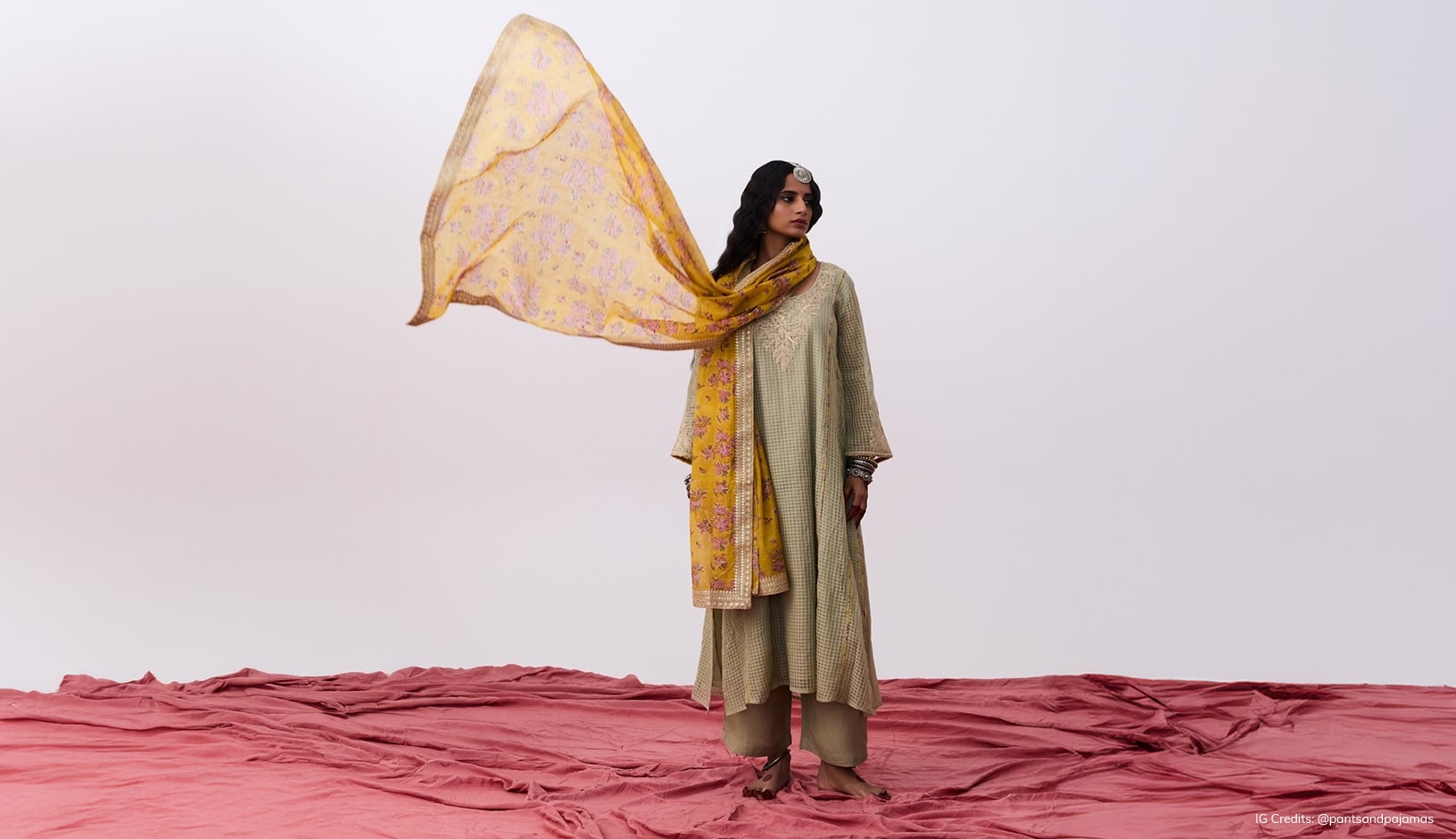
A dupatta is a long, rectangular piece of fabric typically 2 to 2.5 metres draped over the shoulders, chest, or head as part of traditional South Asian attire. Also known as an odhani, chunni, or stole depending on the region, the dupatta completes outfits like the salwar kameez, lehenga choli, and even the saree.
The word “dupatta” comes from the Hindi-Urdu combination of du (“two”) and patta (“strip of cloth”), referring to its doubled construction. While it began as a garment of modesty and cultural respect, today the dupatta is a versatile styling piece that adds colour, texture, movement, and drama to any ethnic ensemble.
The Origin and Cultural Significance of the Dupatta
The dupatta's roots can be traced back to the ancient Indus Valley Civilization, where sculptures depict figures wearing similar long scarves. Over centuries, its role evolved, becoming an integral part of South Asian attire, particularly in India, Pakistan, and Bangladesh.
Symbolism and Regional Importance
Across South Asia, the dupatta holds deep cultural and social meaning. It is often seen as a symbol of modesty and respect, especially when used to cover the head in religious settings or in the presence of elders.
- In India: The significance of a dupatta, or chunni, varies by region. In Punjab, it's a key part of the traditional salwar kameez. In Rajasthan and Gujarat, the vibrant odhani is a staple with the ghagra choli, often featuring intricate local embroidery.
- In Pakistan: The dupatta is a fundamental component of women's national dress, the salwar kameez. It is worn daily by many and is an essential part of formal and bridal wear, often showcasing elaborate craftsmanship.
- In Bangladesh: While the sari is more common, the dupatta is frequently paired with the salwar kameez, especially among younger generations and in urban areas. It adds an element of elegance and is popular for both casual and festive occasions.
Common Fabrics and Embellishments

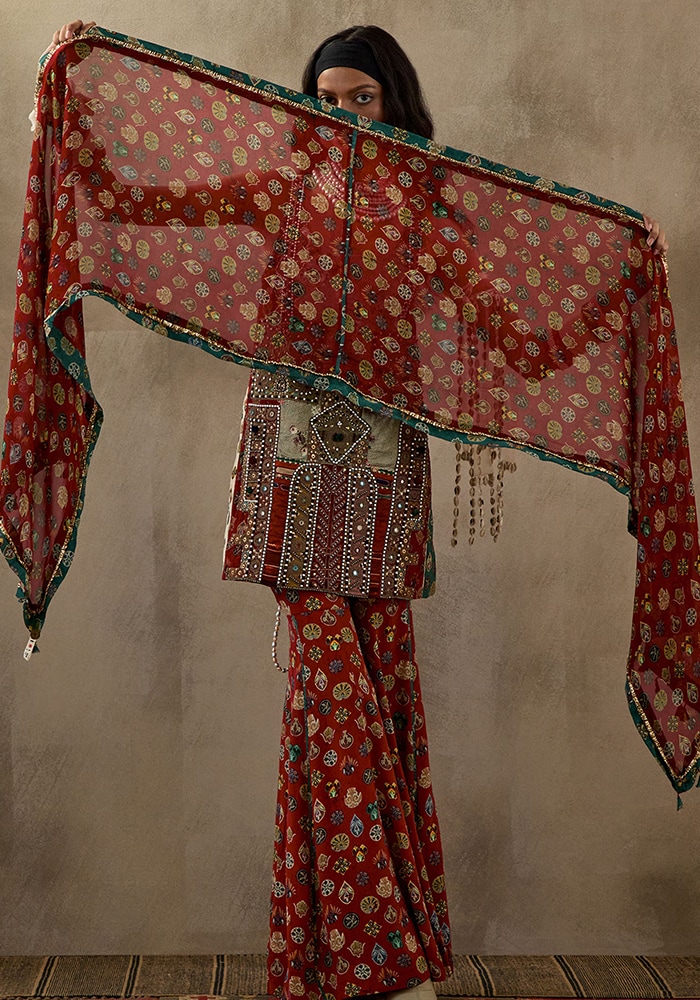
The beauty of a dupatta lies in its diversity of materials and decorative details. The choice of fabric can transform an outfit from casual to formal, while embellishments add a layer of artistry and opulence.
Popular Fabrics
- Cotton: Lightweight and breathable, cotton dupattas are perfect for daily wear and hot climates. They are comfortable and come in a wide array of prints and colors.
- Silk: Luxurious and rich, silk dupattas are reserved for weddings, festivals, and formal events. Banarasi silk, with its heavy brocade work, is especially prized.
- Chiffon: Sheer, light, and flowy, chiffon dupattas drape beautifully and add a touch of delicate elegance to any outfit.
- Georgette: Similar to chiffon but slightly heavier and more opaque, georgette is a popular choice for its graceful fall and durability.
- Organza: Crisp and airy, organza dupattas have a subtle sheen that makes them suitable for semi-formal events. They hold their shape well, creating a structured look.
Traditional Embellishments
- Bandhani: A tie-dye technique from Gujarat and Rajasthan that creates intricate patterns of dots and shapes.
- Phulkari: Meaning "flower work," this vibrant embroidery style from Punjab features colorful floral and geometric motifs.
- Chikankari: A delicate and elegant white-on-white embroidery from Lucknow, known for its subtle texture.
- Gota Patti: An appliqué technique using small pieces of metallic lace (gota) to create elaborate designs, popular in Rajasthan.
How to Drape a Dupatta: Popular Styles
Dupatta Draping Styles
Classic Shoulder Drape
The simplest and most versatile style. Pleat one end and pin it to the left shoulder, letting the fabric fall freely across the back and over the right arm. Works with salwar kameez, anarkalis, and kurta sets.
One-Shoulder Drape
Pin the dupatta to one shoulder and let the entire length cascade down one side. Creates a clean, modern look that keeps the front of your outfit fully visible. Ideal for outfits with heavy neckline or bodice embroidery.
Head Drape
Traditional and elegant. Place the dupatta over your head and let both ends fall over the front or pin one end to the opposite shoulder. Used for religious ceremonies, traditional weddings, and cultural events.
Front Pallu Drape
Bring the decorative end (pallu) of the dupatta to the front and drape it over the right shoulder. This highlights the embroidery or border work and is a popular choice for bridal lehengas.
Cape Style
Drape the dupatta over both shoulders and let it fall behind you like a cape. A contemporary, fashion-forward option that works well with structured blouses, off-shoulder tops, and Indo-Western outfits.
Belted Dupatta
Drape the dupatta in any style, then cinch it at the waist with a decorative belt (kamarbandh). Creates an hourglass silhouette and keeps the dupatta secure for long events or dance-heavy celebrations.
Double Dupatta (Bridal)
A trending bridal style using two dupattas one heavy, embroidered dupatta draped over the body and a lighter, sheer one placed on the head as a veil. Creates a layered, regal look made popular by designers like Sabyasachi.
The Modern Evolution of the Dupatta
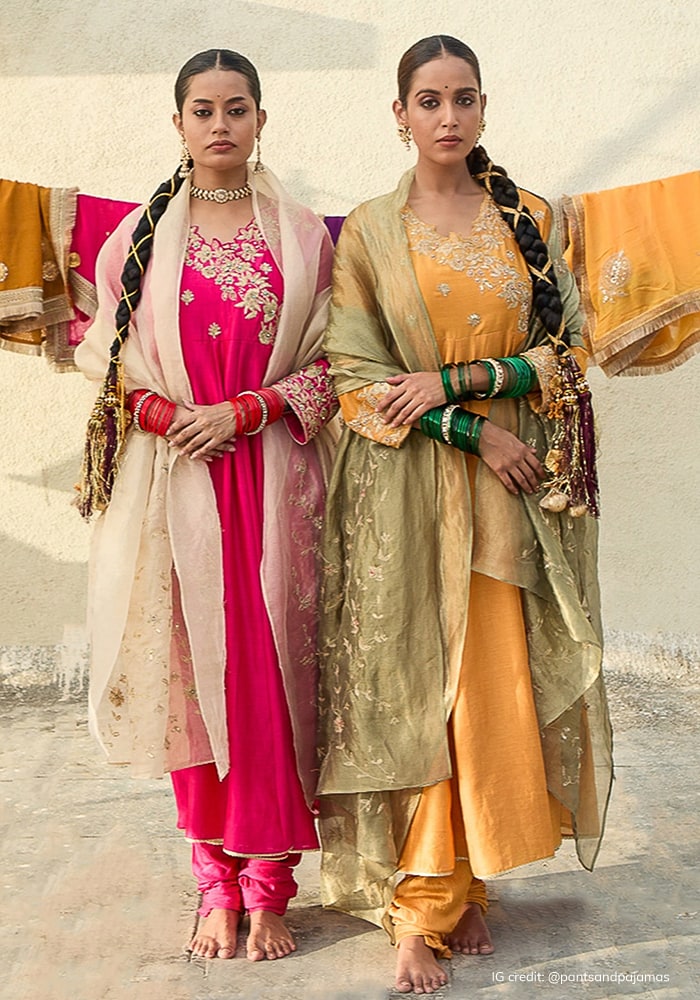
In contemporary fashion, the dupatta has transcended its traditional role. It is now a versatile accessory embraced by designers and fashion enthusiasts globally.
For Women
Modern styling has reimagined the dupatta. It is often worn as a chic scarf with jeans and a top, a stylish belt cinched at the waist of a dress, or even as a headwrap or turban. Designers experiment with unconventional drapes, shorter lengths, and contemporary prints, making it a fashion-forward accessory for any wardrobe.
For Men
Men's fashion has also adopted the dupatta, particularly in formal and wedding wear. A man might drape a silk or velvet dupatta over a classic sherwani or men's kurta set. Often called a stole, it adds a layer of sophistication and grandeur to the ensemble. It can be draped over one shoulder or wrapped neatly around the neck.
How to Choose the Right Dupatta
Selecting the perfect dupatta depends on the occasion, your outfit, and your personal style.
- By Occasion: For daily wear, a simple cotton or georgette dupatta is ideal. For weddings and festivals, opt for luxurious fabrics like silk or velvet with heavy embellishments like zari or gota patti.
- By Outfit: Contrast is key. Pair a plain outfit with a heavily decorated dupatta to make it the statement piece. Conversely, a simple, solid-colored dupatta works best with a printed or ornate outfit.
- By Body Type: If you are petite, avoid overwhelming fabrics and opt for lighter materials like chiffon or organza. Taller individuals can carry heavier fabrics and more elaborate drapes with ease.
Dupatta Trends in 2026
The Dupatta Saree: Popularised by Alia Bhatt and Janhvi Kapoor, this trend layers a flowing dupatta over a saree for added drama and movement.
Oversized Dupattas: Larger-than-standard dupattas in organza and net that create volume and a regal, cinematic effect.
Attached and Pre-Styled Dupattas: Designer lehengas with pre-pleated or pre-attached dupattas that eliminate draping guesswork.
Contrast Colour Dupattas: Using a bold contrasting dupatta against a neutral outfit for a statement look blush pink lehenga with sage green dupatta, ivory with deep maroon, etc.Caring for Your Dupatta
Proper care and storage will ensure your dupattas remain beautiful for years.
- Washing: Hand-wash delicate fabrics like silk, chiffon, and organza in cold water with a mild detergent. Cotton dupattas can typically be machine-washed on a gentle cycle. Always check the care label.
- Drying: Avoid wringing out embellished or delicate dupattas. Gently squeeze out excess water and air-dry them in the shade to prevent fading.
- Storage: Fold your dupattas neatly and store them in a cool, dry place. For heavily embroidered or silk pieces, it's best to wrap them in a muslin cloth to protect them from moisture and snagging. Hanging them can cause the fabric to stretch over time.
Frequently Asked Questions (FAQs)
What is the difference between a dupatta and a scarf?
A dupatta is typically much longer and wider than a standard scarf. It is specifically designed to be part of a South Asian outfit, like a salwar kameez, while a scarf is a more general accessory.
Can you wear a dupatta with a dress?
Yes, absolutely. In modern fashion, a dupatta can be styled as a chic wrap, stole, or scarf to accessorize a Western-style dress, adding a unique fusion element to your look.
What is the difference between a dupatta and an odhani?
The terms are often used interchangeably. Odhani is a more traditional or regional term, particularly used in areas like Rajasthan and Gujarat, while dupatta and chunni are more widely used across South Asia.

