


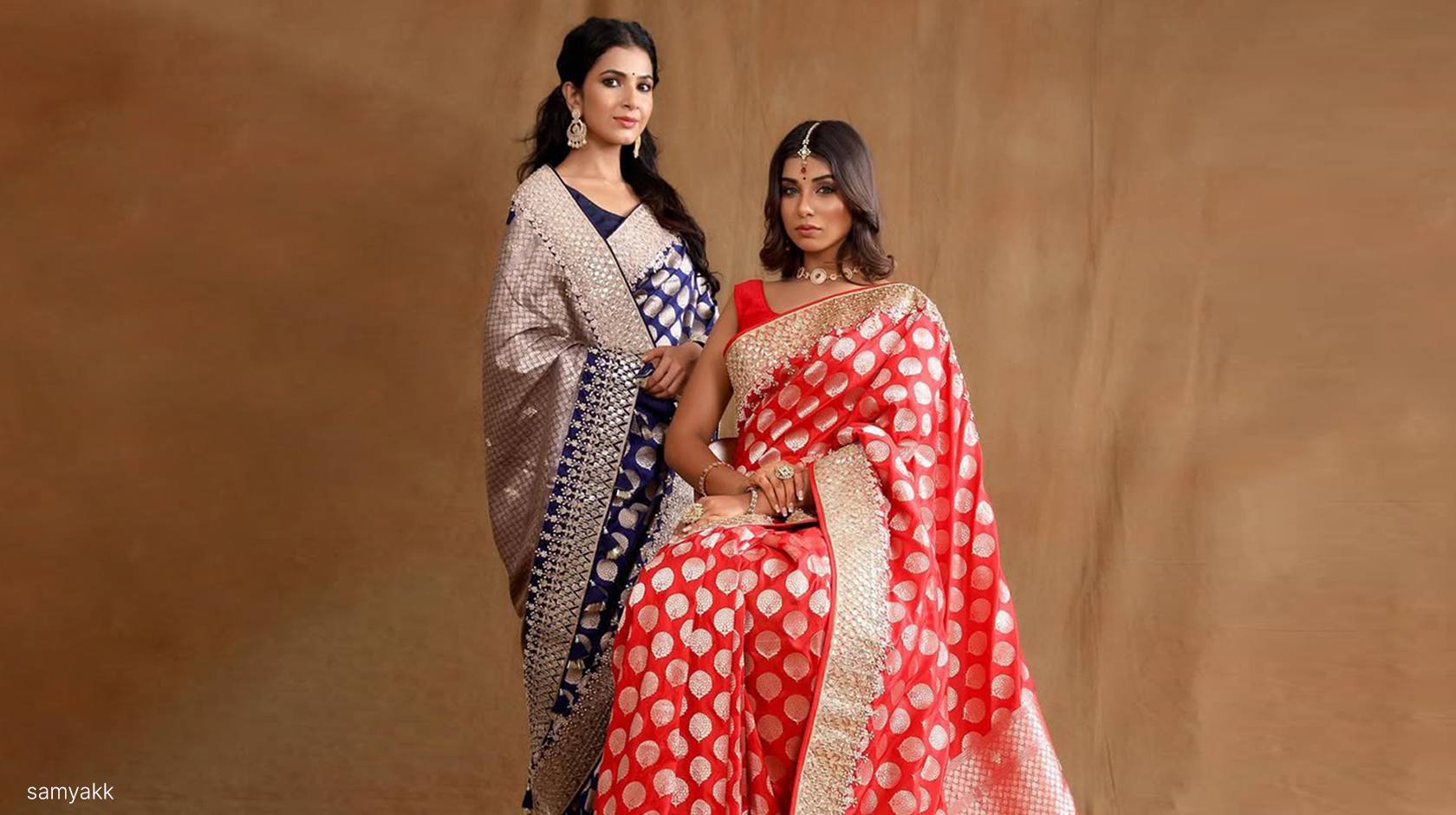
Step into any Indian wedding or grand celebration, and you will likely spot the unmistakable gleam of a rich, metallic weave. Indian handlooms carry centuries of history, but few command the same level of global respect as Banarasi silk. Known for its opulent texture and breathtaking metallic embroidery, this fabric remains the ultimate symbol of ethnic luxury.

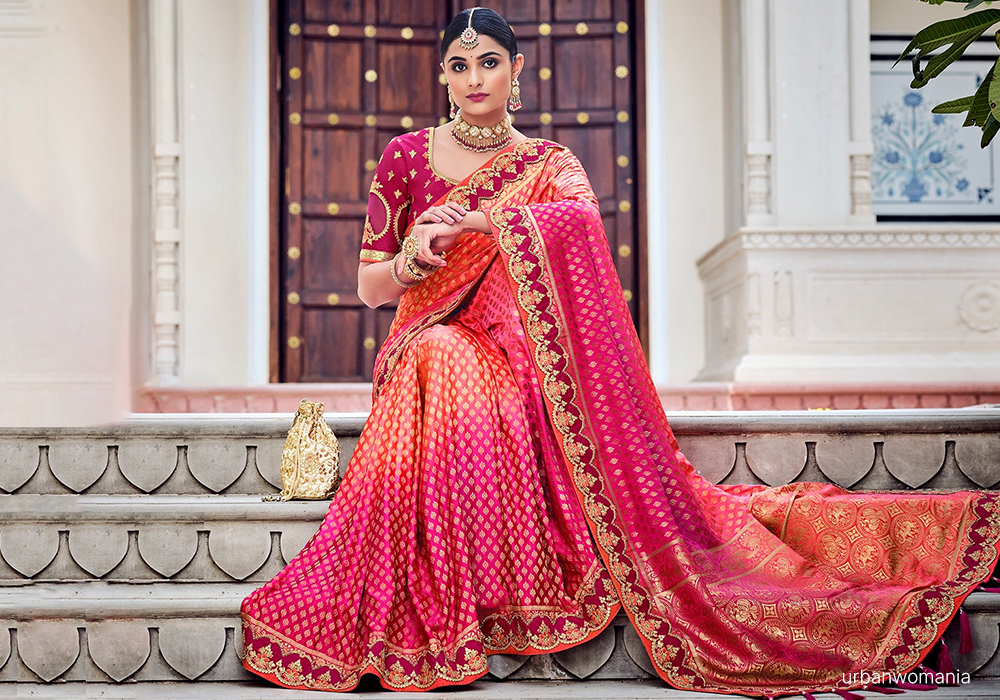
But what exactly goes into making these six yards of magic? People often use the terms "Banarasi" and "Zari" interchangeably, but they represent two distinct elements of the weaving process. If you want to understand the true value of your wardrobe, knowing the difference is essential. This guide will walk you through the history, the intricate craftsmanship, the different types available, and how this legendary weave stands out from the rest.
The Rich History of Banarasi Silk and Zari
The story of this magnificent craft begins in the ancient city of Varanasi (Banaras). Long before it became a hub for silk, the city was famous for weaving fine cotton. However, everything changed when the Mughal emperors arrived in India. They brought with them highly skilled artisans from Persia who introduced complex weaving techniques and intricate floral motifs.
The fusion of Indian aesthetics with Persian artistry birthed the Banarasi weave we know today. Royalty exclusively wore these garments, demanding fabrics woven with real gold and silver. Over the centuries, the weavers passed down their closely guarded secrets through generations. Today, owning a piece of this history is a point of pride for fashion enthusiasts and brides across the world.
Understanding Banarasi Silk: The Fabric of Royals
Banarasi silk refers to the specific weaving style and fabric produced in Varanasi. It is not just one type of material, but rather a category of handloom artistry. Weavers use high-quality silk yarn to create a strong, lustrous base. This sturdy canvas is necessary to support the heavy metallic threads that will eventually form the design.
The silk itself is incredibly soft but carries a substantial weight. When draped, it falls in crisp, majestic pleats that hold their shape beautifully. This structural integrity makes Banarasi silk sarees a favorite for grand occasions where a powerful, regal silhouette is desired.
What Is Zari? The Art of Metallic Weaving
If the silk is the canvas, zari is the paint. Zari refers to the metallic thread used to weave intricate patterns into the fabric.
Historically, artisans made zari by wrapping thin strips of pure silver around a silk core, which they then dipped in liquid gold. This process created a thread that was incredibly durable, flexible, and highly valuable. The weavers then meticulously interlaced these golden threads into the silk base to form elaborate motifs like the Kalga (upright leaves), Bel (floral vines), and Shikargah (hunting scenes).
Because pure gold and silver are incredibly expensive, modern zari comes in three main categories:
- Real Zari: Made with pure silver and actual gold plating. These garments are highly expensive and often treated as investment pieces or family heirlooms.
- Tested Zari: Made with copper wire wrapped around a silk core, then electroplated with a thin layer of gold. It offers a similar luster to real zari but at a more accessible price point.
- Imitation Zari: Made using copper or brass wires electroplated with synthetic gold colors. This type is widely used in contemporary fashion and makes beautiful handlooms accessible for regular festive wear.
The Craftsmanship: How These Masterpieces Come to Life
Creating these garments takes an immense amount of time, patience, and skill. A single piece can take anywhere from fifteen days to six months to complete, depending on the complexity of the design.
The process involves a minimum of three artisans. One weaver operates the loom, another handles the revolving ring that creates the design, and a third manages the intricate metallic threads. They use a traditional pit loom, reading complex paper blueprints (known as Naksha) that dictate exactly where every single thread must go. This level of manual precision simply cannot be replicated by factory machines, which is why authentic handwoven pieces hold such incredible value.
Types of Banarasi Silk
The weaving technique applies to several different base fabrics, allowing you to choose a garment that perfectly matches your occasion and climate.
Katan Silk
Katan is the purest and strongest form of this weave. Artisans twist multiple pure silk filaments together to create a solid, durable yarn. It provides a brilliant luster and serves as the perfect base for heavy metallic work. This type is the absolute top choice for winter weddings and grand evening events.
Georgette
If you want the heritage look without the heavy weight, georgette is an excellent alternative. It features a slightly crinkled texture and flows beautifully over the body. It is breathable and comfortable, making it perfect for summer festivities or daytime ceremonies. You can easily find breathtaking designer traditional sarees that utilize this lighter base fabric while maintaining the classic metallic motifs.
Organza (Kora)
Organza is sheer, stiff, and highly structured. Weavers create Kora silk without degumming the yarn, which gives it a crisp, glass-like finish. The metallic threads look incredibly striking against the translucent fabric.
Shattir
Shattir is a lighter, more contemporary variation. It is slightly less formal than Katan and is often used to create modernized designs and fusion wear. It is highly versatile and comfortable for long hours of wear.
How Banarasi and Zari Differ from Other Weaves
India boasts a massive variety of handloom techniques, so how does this specific style stand out from the rest?
The easiest comparison is with the famous Kanjeevaram weave from South India. While both use pure silk and metallic threads, the aesthetics differ greatly. Kanjeevaram typically features bold, contrasting borders and geometric patterns like temple borders, stripes, and checks. Banarasi, heavily influenced by Mughal art, focuses entirely on intricate floral patterns, flowing vines, and delicate, rounded motifs.
Furthermore, the metallic work in Varanasi weaves often covers the entire body of the fabric (known as Jangla or Brocade), giving the garment a solid metallic sheen. Other weaving styles tend to restrict the heavy gold work to just the borders and the pallu. When looking for the ultimate wedding sarees, the all-over metallic glow of Varanasi craftsmanship is unmatched.
Elevate Your Ethnic Wardrobe
Understanding the difference between the silk base and the zari embroidery gives you a deeper appreciation for Indian textiles. You are not just buying a piece of clothing; you are investing in a centuries-old art form that requires breathtaking skill and dedication.
Whether you choose a heavy Katan piece with real gold threads for your trousseau or a breezy georgette drape with imitation zari for a Diwali party, these garments guarantee a regal appearance. Start exploring the different motifs, feel the varying textures, and select the perfect piece of festive ethnic wear to celebrate your next big occasion in true royal style.

