


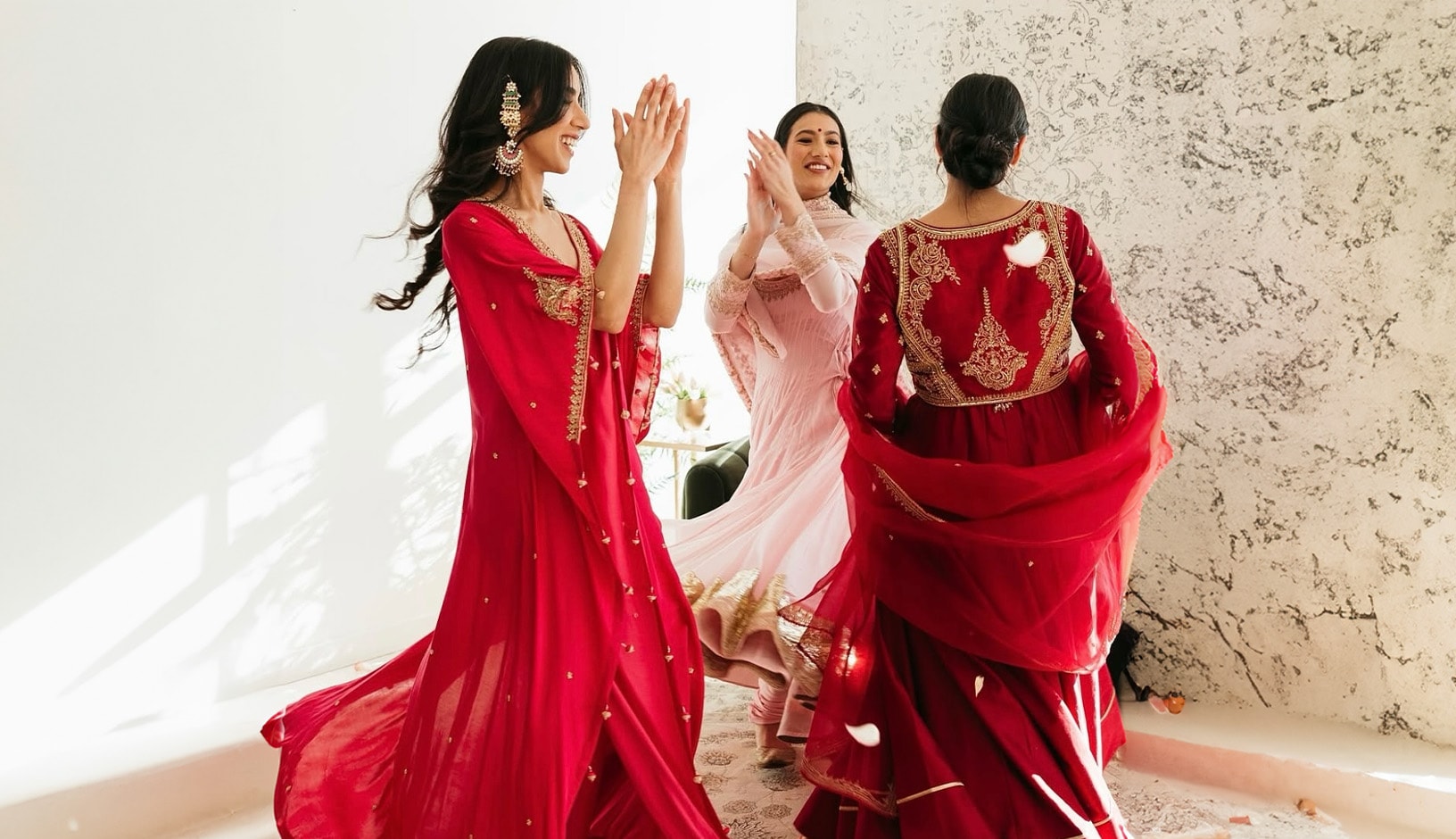
Some fabrics are just materials, but others tell a story. Muslin is one of those storytellers. You may have felt its softness in a baby’s swaddle or seen its delicate drape in a summer dress. This lightweight, breathable textile has a rich history that stretches back centuries, deeply woven into India's cultural heritage.
This guide will answer the question, "What is muslin?" We will explore its fascinating past, the different types you can find, and why it remains a beloved choice for fashion designers and style lovers today. From ancient looms to modern runways, get ready to discover one of the world's most cherished fabrics.
The Story of Muslin: A Fabric Woven with History
Muslin is a finely-woven, breathable cotton fabric. The muslin fabric meaning comes from its supposed origin in the city of Mosul, in modern-day Iraq, where European traders first encountered it. However, the true home of the finest muslin has always been Bengal, particularly around Dhaka in present-day Bangladesh.

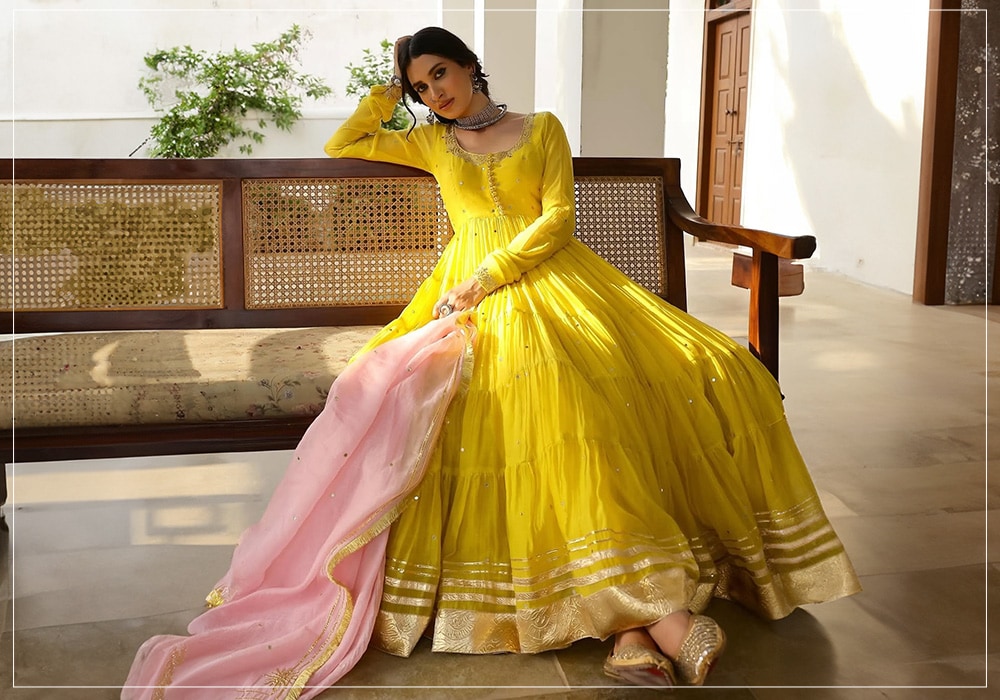
For centuries, Indian weavers perfected the art of creating incredibly fine, almost transparent muslin from a special local cotton plant known as phuti karpas. This legendary textile, often called malmal, was so delicate it was described as "woven air." It was a prized luxury, exported along ancient trade routes and worn by royalty from the Mughals to Marie Antoinette. The intricate jamdani muslin, with its woven patterns, is a testament to this incredible handloom craft, a skill passed down through generations.
Deconstructing the Fabric: Weave, Weight, and Fiber
What gives muslin its signature soft and airy feel? It all comes down to its construction.
The Muslin Weave
Muslin is made using a plain weave, which is the simplest and most common type of textile weave. The threads are woven in a basic over-and-under pattern. What makes the muslin weave special is the fineness of the yarn and the looseness of the weave. This creates tiny openings in the fabric, allowing air to pass through easily, making it one of the most breathable fabrics available.
Fiber and GSM
Traditionally, true muslin is made from 100% cotton. The quality depends on the staple length of the cotton fibers—longer fibers produce a smoother, stronger yarn. Today, you can also find muslin blended with other fibers like viscose or silk to enhance its drape or sheen.
The weight of muslin is measured in GSM (Grams per Square Meter). It can range from very light (around 60 GSM for gauze) to a more substantial weight (up to 140 GSM for utility muslin). This variation is what creates the different types of muslin.
The Many Faces of Muslin: A Guide to Its Types
Not all muslin is the same. It comes in several grades and varieties, each with its own texture and purpose.
- Gauze: This is the lightest, most open-weave type of muslin. It's extremely soft and sheer, often used for baby swaddles, medical dressings, and as a culinary cloth for straining.
- Mull: A lightweight, plain muslin that is slightly denser than gauze. It's soft and delicate, making it ideal for dress linings and summer blouses.
- Cambric: Originally made of linen, modern cambric is a fine, densely woven cotton muslin that is slightly heavier. It's less sheer and has a smooth finish, often used for shirts, dresses, and handkerchiefs.
- Jamdani Muslin: This is the jewel in the crown of handloom muslin India. It features intricate motifs that are woven directly into the fabric on the loom. This discontinuous weft technique creates patterns that appear to float on the surface. Jamdani saris are considered works of art.
- Khadi Muslin: This variety is made from hand-spun and hand-woven cotton yarn, giving it a unique, slightly irregular texture. It embodies a spirit of sustainability and traditional craft.
Competitive Insights: What Fashion & Craft Experts Say
Looking at top fashion blogs and textile resources, a clear consensus emerges. Muslin is consistently celebrated for its unmatched breathability, making it a top recommendation for lightweight summer fabrics. Most guides highlight the difference between high-end fashion muslin (like Jamdani or fine Mull) and utility muslin (used for cheesecloth or pattern-making). Experts universally advise checking the fiber content, as 100% cotton offers the best softness and breathability compared to synthetic blends.
The Versatile Uses of Muslin Cloth
Muslin's unique properties make it useful for far more than just clothing.
- In Fashion: Designers love muslin for its beautiful drape and comfort. It's a staple for summer collections, used to create everything from breezy saris and anarkalis to chic resort wear and dupattas. It is also the go-to fabric for creating initial design mock-ups, called toiles.
- For Babies: Muslin's softness and breathability make it the number one choice for baby swaddles, blankets, and burp cloths. It’s gentle on a baby’s sensitive skin and helps regulate body temperature.
- In the Kitchen: In its gauze form, muslin is used as cheesecloth for straining stocks, making cheese, and bundling herbs.
- In Theatre and Photography: Its lightweight nature makes it perfect for creating backdrops and light diffusers.
Styling Muslin: From Ethnic Elegance to Casual Chic
Muslin’s versatility shines in how it can be styled for different looks.
- Indian Wear: A handloom muslin Jamdani sari is the epitome of grace and elegance, perfect for special occasions. A simple muslin kurta paired with white trousers is a go-to for a comfortable yet polished daily look.
- Western Wear: A floaty muslin dress is a summer essential. Pair it with sandals for a day look or dress it up with wedges and statement jewelry for an evening out. A muslin button-down shirt is a great alternative to stiff poplin for a relaxed, beachy vibe.
- Fusion Look: Combine a block-printed muslin tunic with your favorite jeans for an effortless fusion outfit.
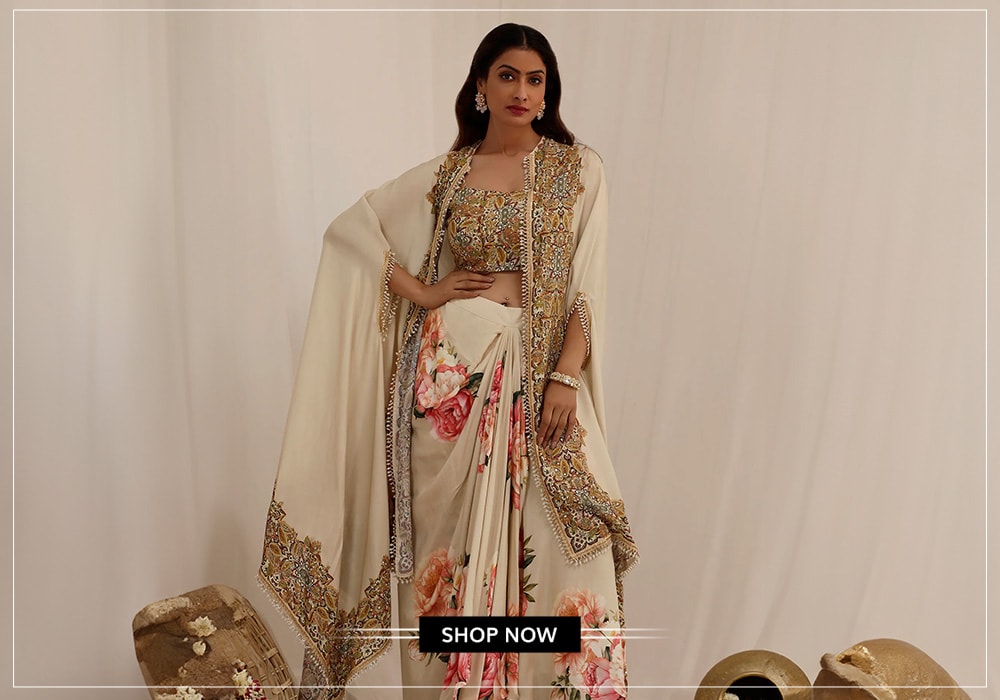
Aza Fashions, a leading e-commerce brand for buying designer wear, offers a stunning collection of muslin creations. From intricately woven Jamdani saris to contemporary muslin dresses, you can find pieces that celebrate this heritage fabric.
How to Care for Muslin
Caring for muslin is simple, but it requires a gentle touch to preserve its softness and delicate weave.
- Washing: Hand washing in cold water is always the best option. If you must use a machine, choose the delicate cycle and use a mild detergent.
- Drying: Avoid the high heat of a tumble dryer, which can cause shrinkage. Instead, air dry your muslin garments flat or on a line, preferably in the shade to prevent fading.
- Ironing: Iron on a low to medium heat setting while the fabric is still slightly damp. For delicate embroideries like on Jamdani, iron on the reverse side.
Frequently Asked Questions (FAQs)
- What is muslin fabric in simple terms?
Muslin is a lightweight, breathable cotton fabric made with a plain weave. It is known for its softness and is used for everything from high-fashion clothing and baby swaddles to culinary cloths. - What is the difference between muslin and cotton?
Muslin is a type of cotton fabric. The difference lies in the specific plain weave and the fineness of the yarn used, which gives muslin its characteristic lightweight and open texture compared to other cotton fabrics like poplin or canvas. - What is so special about Jamdani muslin?
Jamdani is a traditional handloom weaving technique from Bengal where intricate patterns are woven directly into the muslin fabric. It is a highly skilled, labor-intensive art form that creates beautiful, almost-translucent designs, making Jamdani saris and textiles a prized luxury. - Does muslin shrink when washed?
Yes, 100% cotton muslin can shrink, especially if washed in hot water or dried on high heat. To minimize shrinkage, always wash in cold water and air dry the fabric. - Is muslin fabric see-through?
The sheerness of muslin depends on its type. Gauze is very see-through, while finer dress-weight muslins like cambric are more opaque. Lighter-colored muslin garments may require a lining for full coverage. - How do I know if I'm buying good quality muslin?
Look for a soft, even texture without excessive slubs (unless it's khadi muslin). High-quality muslin should feel smooth and be made from 100% cotton for maximum breathability. For handloom muslin, look for slight, beautiful irregularities that signal it was woven by hand. - Is muslin a sustainable fabric?
Muslin made from organic cotton and produced using traditional handloom methods, like Khadi muslin, is a very sustainable choice. It supports local artisans, uses less energy, and is biodegradable.
Embrace the Woven Air
Muslin is more than just a fabric; it's a piece of history, a testament to incredible craftsmanship, and a symbol of comfort and elegance. Whether you choose a timeless Jamdani sari or a simple, breezy kurta, you are wearing a story that has been centuries in the making. Its softness, breathability, and beautiful drape make it a worthy addition to any wardrobe.

