


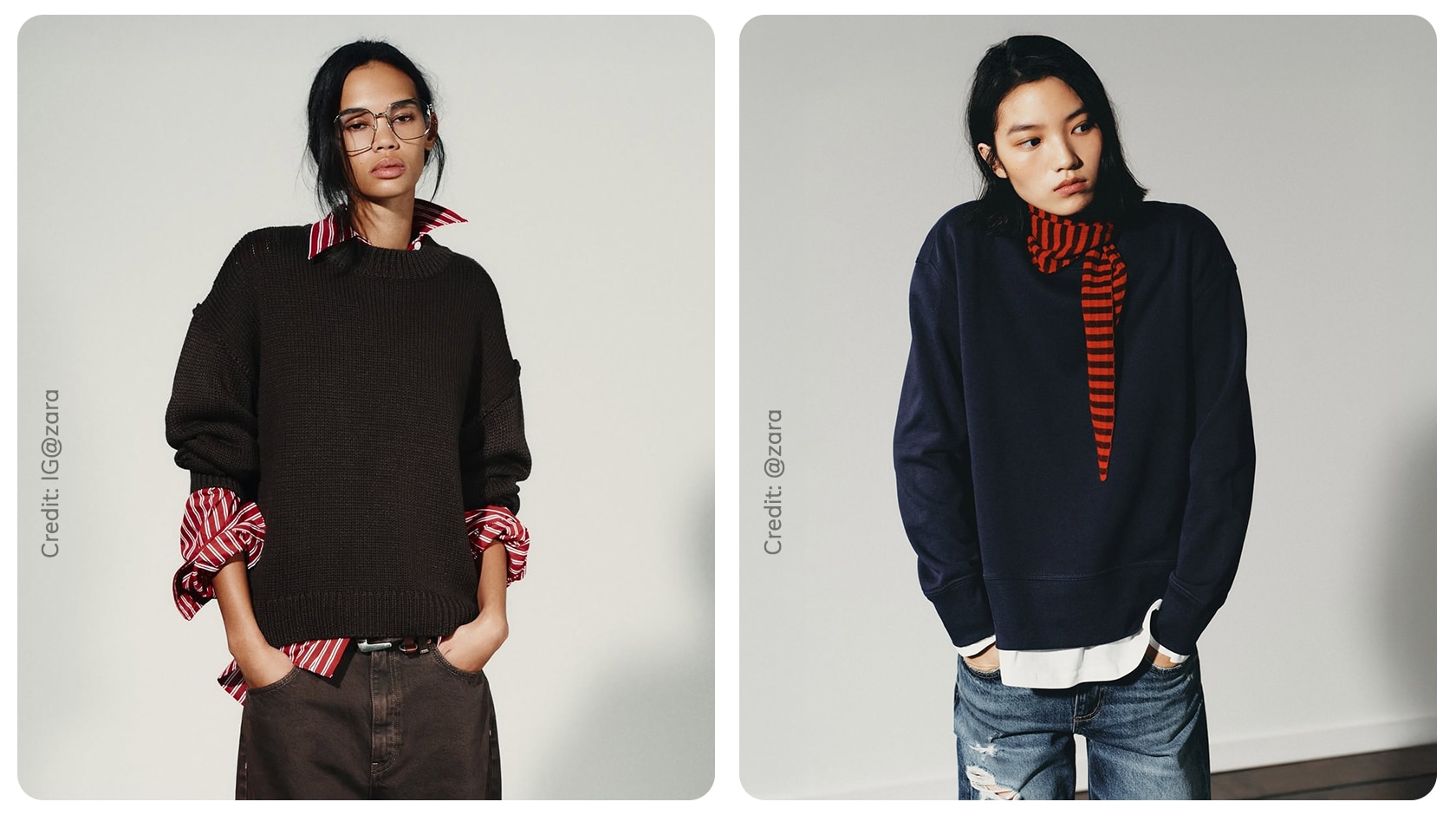
As temperatures drop and a chill fills the air, we instinctively reach for warmer, cozier clothing. Winter demands a different approach to dressing, one focused on insulation, comfort, and protection from the elements. Among the many fabrics available, one natural fiber stands out as the undisputed champion of cold weather: wool. But have you ever wondered why wool keeps us warm even in freezing temperatures?

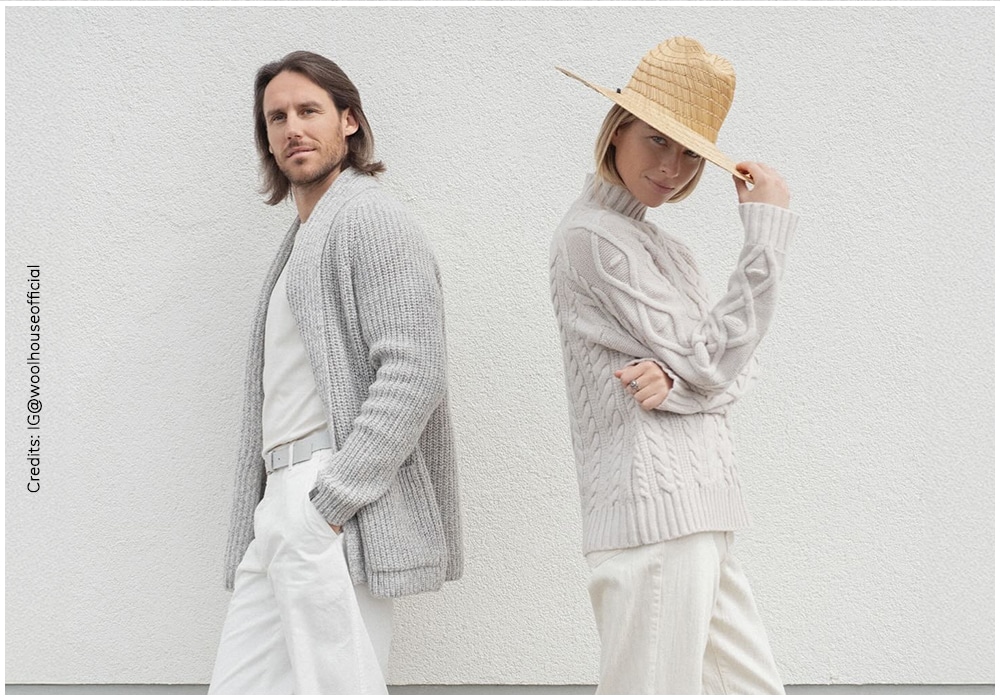
The answer lies in a combination of nature and science. Wool isn't just a thick fabric; it's a high-performance material perfected over thousands of years to protect sheep from harsh climates. This blog will explore the fascinating world of wool, from its scientific properties to practical tips on how to choose, wear, and care for your woolen garments.
What Is Wool?
At its simplest, wool is the textile fiber obtained from sheep and other animals. This natural protein fiber has been used by humans for centuries to create clothing, blankets, and other textiles. Its unique structure makes it an ideal material for cold-weather gear, which is why it's considered a premium choice for winter.
While sheep's wool is the most common, several other types are prized for their specific qualities:
- Merino Wool: Sourced from Merino sheep, this wool is exceptionally soft, fine, and breathable, making it perfect for base layers and performance wear.
- Cashmere: Obtained from cashmere goats, this fiber is known for its incredible softness, lightweight feel, and luxurious warmth.
- Alpaca: From the alpaca, this wool is silky, durable, and naturally water-resistant. It's often compared to cashmere for its softness.
- Angora: Sourced from the Angora rabbit, this fiber is hollow, giving it superior warmth and a signature fluffy "halo" effect.

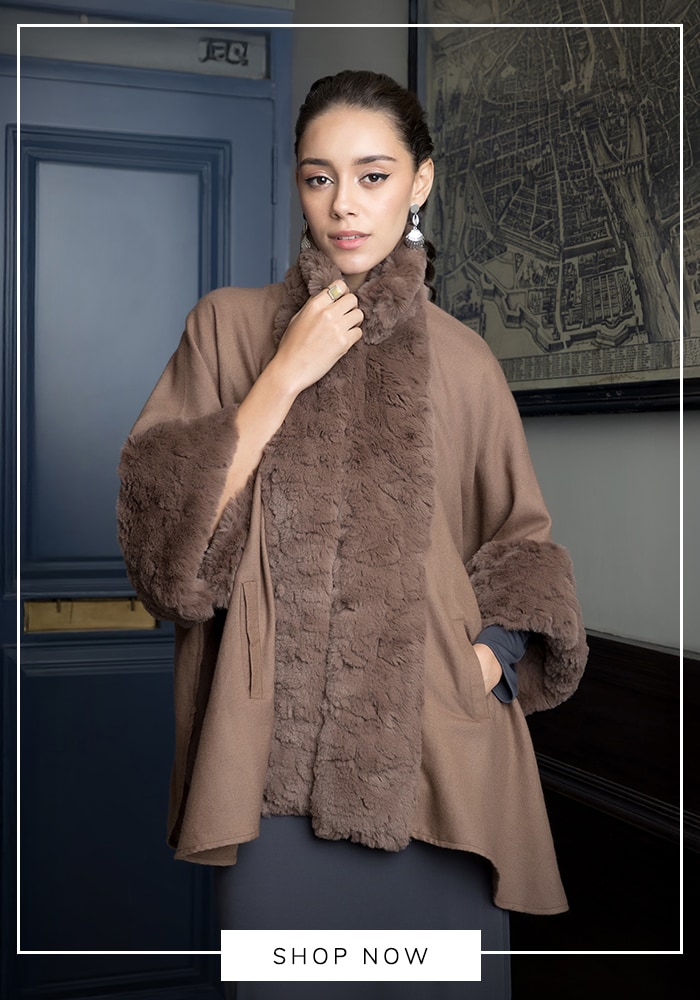
The Science Behind Wool: How It Keeps You Warm
Wool’s ability to provide warmth is not just about thickness. It’s a result of the intricate physical structure of its fibers. Here’s a simple breakdown of how it works.
- It Traps Air for Natural Insulation: Wool fibers are not perfectly straight. They have a natural crimp, or waviness, which creates millions of tiny air pockets within the fabric. This trapped air acts as a natural insulator, slowing down the transfer of heat and keeping your body’s warmth close to your skin.
- It Wicks Moisture Away: Unlike many synthetic fibers that trap moisture, wool is excellent at wicking it away from your body. It can absorb up to 30% of its own weight in moisture without feeling damp. This is crucial for staying warm, as a wet body loses heat much faster than a dry one.
- It Retains Heat Even When Wet: One of wool’s most remarkable properties is its ability to generate a small amount of heat when it absorbs moisture. This process, known as "heat of sorption," means that even if your woolen sweater gets slightly damp from snow or sweat, it will continue to provide insulation.
- It Regulates Body Temperature: Wool is a natural thermal regulator. The same properties that keep you warm in the cold also help keep you from overheating. The breathable nature of the fabric allows excess heat and moisture to escape, maintaining a comfortable microclimate around your body.
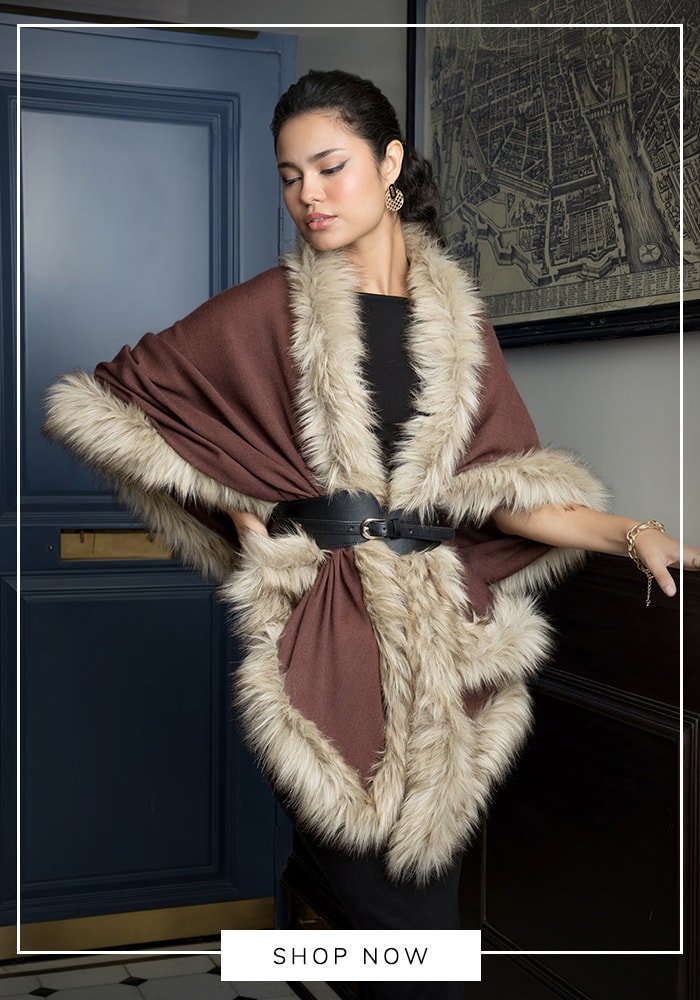
Benefits of Wearing Woolen Clothes in Winter
Beyond its scientific advantages, wool offers a range of user-friendly benefits that make it a winter wardrobe essential.
- Excellent Insulation: As explained, wool's ability to trap air makes it one of the best insulating materials available, perfect for everything from a brisk autumn day to a deep winter freeze.
- Breathable and Comfortable: The fibers allow air to circulate, preventing the clammy, stuffy feeling you can get from less breathable materials. This makes it comfortable for all-day wear, both indoors and out.
- Odor-Resistant: Wool has natural antimicrobial properties that inhibit the growth of odor-causing bacteria. You can often wear woolen garments multiple times before they need washing.
- Durable and Long-Lasting: Wool fibers are incredibly resilient and can be bent thousands of times without breaking. With proper care, a quality woolen item can last for decades.
- Eco-Friendly and Sustainable: Wool is a renewable resource that is fully biodegradable. Choosing wool supports a natural, sustainable cycle that is kinder to the planet than synthetic, oil-based alternatives.
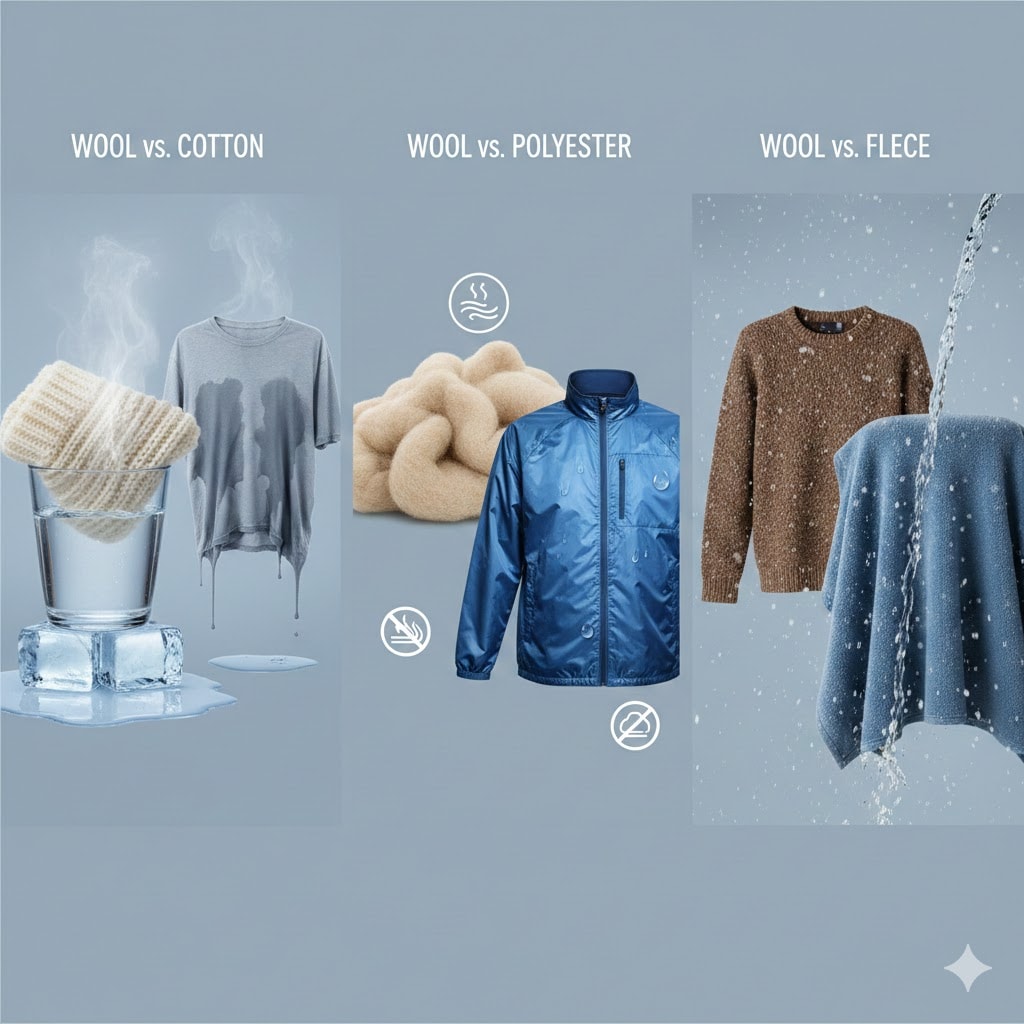
Comparison: Wool vs. Other Winter Fabrics
How does wool stack up against other common winter materials? Here’s a quick comparison.
- Wool vs. Cotton: Cotton is highly absorbent but loses all its insulating properties when wet. In fact, wet cotton against your skin can make you colder. Wool, on the other hand, insulates even when damp, making it far superior for cold and potentially wet conditions.
- Wool vs. Polyester: Polyester is a synthetic plastic fiber that is good at repelling water but is not very breathable. It can trap sweat, leading to a clammy feeling and odor buildup. Wool is more breathable and odor-resistant.
- Wool vs. Fleece: Fleece, often made from polyester, is lightweight and good at trapping air for warmth. However, it is not as breathable as wool and offers poor insulation when wet. Wool provides better temperature regulation and performance in mixed conditions.

For extreme cold, layering with a merino wool base layer and a thick wool or down outer layer is ideal. For regular winter wear, a wool sweater or coat is perfect.
When Should You Wear Woolen Clothes?
Wool's versatility makes it suitable for a wide range of winter scenarios.
- Daily Winter Wear: A merino wool sweater or a cashmere cardigan is perfect for the office or casual outings.
- Snow Trips and Holidays: For activities like skiing or snowboarding, wool base layers and socks are essential for wicking sweat and staying warm.
- Trekking or Outdoor Activities: Wool’s durability and temperature-regulating properties make it the top choice for hiking in cold weather.
- Travel to Cold Countries: A packable wool coat and a few versatile wool sweaters will keep you comfortable without taking up too much luggage space.
- Winter Weddings or Festive Occasions: Stylish woolen coats, blazers, and elegant cashmere shawls offer warmth without sacrificing style.
Types of Woolen Clothes for Your Winter Wardrobe
Building a functional winter wardrobe means investing in a few key woolen pieces.
- Woolen Sweaters, Cardigans & Pullovers: The foundation of any winter closet.
- Shawls, Mufflers & Stoles: Perfect for adding an extra layer of warmth and a touch of style.
- Woolen Coats & Trench Coats: A high-quality wool coat is a timeless investment that provides serious protection against the cold.
- Thermal Innerwear: A merino wool base layer is your first line of defense in freezing temperatures.
- Woolen Socks, Caps & Gloves: Don’t forget the extremities! Wool accessories are crucial for preventing heat loss.
How to Choose the Right Woolen Clothing
When shopping for wool, keep these pointers in mind to make the best choice.
- Check the Warmth Level: Thickness or fabric weight (sometimes measured in GSM) can indicate warmth, but the type of wool also matters. Fine wools like merino can be very warm even when lightweight.
- Pure Wool vs. Blends: 100% wool offers the best performance. Blends with synthetics can add durability or reduce cost but may compromise on breathability and warmth.
- Consider Breathability: For active use, choose breathable wools like merino. For maximum warmth in sedentary situations, thicker, heavier wools are a good option.
- For Sensitive Skin: Ultra-fine merino and cashmere are incredibly soft and generally non-irritating, even for those with sensitive skin.
- For Travel: Look for lightweight, wrinkle-resistant wools that can be worn multiple times without needing a wash.
Wool Care Tips: How to Maintain Woolen Clothes
Proper care will ensure your woolen garments last for years.
- Washing: Handwash in cold water with a mild, wool-safe detergent. Avoid harsh chemicals and fabric softeners. Some items may be machine-washable on a gentle wool cycle.
- Drying: Never wring out wool. Gently squeeze out excess water and lay the garment flat on a towel to air dry, away from direct heat or sunlight.
- Storage: Store clean woolen clothes in a cool, dry place. Use breathable garment bags or fold them with cedar balls or lavender sachets to deter moths.
- Pilling Prevention: Pilling (small balls of fiber) is natural. Use a fabric shaver or wool comb to gently remove them.
Common Myths About Wool
Let's debunk a few common misconceptions about this fantastic fiber.
- Myth: "Wool always feels itchy."
- Fact: Itchiness is caused by coarse, thick wool fibers. Modern, fine fibers like merino and cashmere are incredibly soft and comfortable against the skin.
- Myth: "Wool is too heavy for daily wear."
- Fact: Many types of wool are lightweight. A fine-gauge merino sweater can be lighter than a cotton sweatshirt while providing far more warmth.
- Myth: "Only thick wool keeps you warm.
- Fact: Warmth comes from trapped air, not just thickness. A finely woven but dense wool fabric can be warmer than a bulky, loosely knit one.
Frequently Asked Questions (FAQ)
1. Why do woolen clothes keep us warm in winter?
Wool fibers have a natural crimp that traps millions of tiny air pockets. This trapped air acts as an insulator, slowing the loss of body heat and keeping you warm.
2. Which wool is best for extreme cold?
For extreme cold, layering is key. Start with a merino wool base layer, add a mid-layer like a fleece or another wool sweater, and top it with a thick wool or down-filled coat.
3. Can wool be worn every day?
Absolutely. Lightweight wools like merino are perfect for everyday sweaters and base layers, as they are breathable, comfortable, and odor-resistant.
4. Is wool good for kids?
Yes, wool is excellent for children. Its natural temperature-regulating properties prevent them from overheating, and soft varieties like merino are gentle on their sensitive skin.
5. Why is wool better than cotton in winter?
Cotton absorbs moisture and loses its insulating ability when wet, making you colder. Wool wicks moisture away and continues to insulate even when damp, making it a much safer and warmer choice for winter.

