


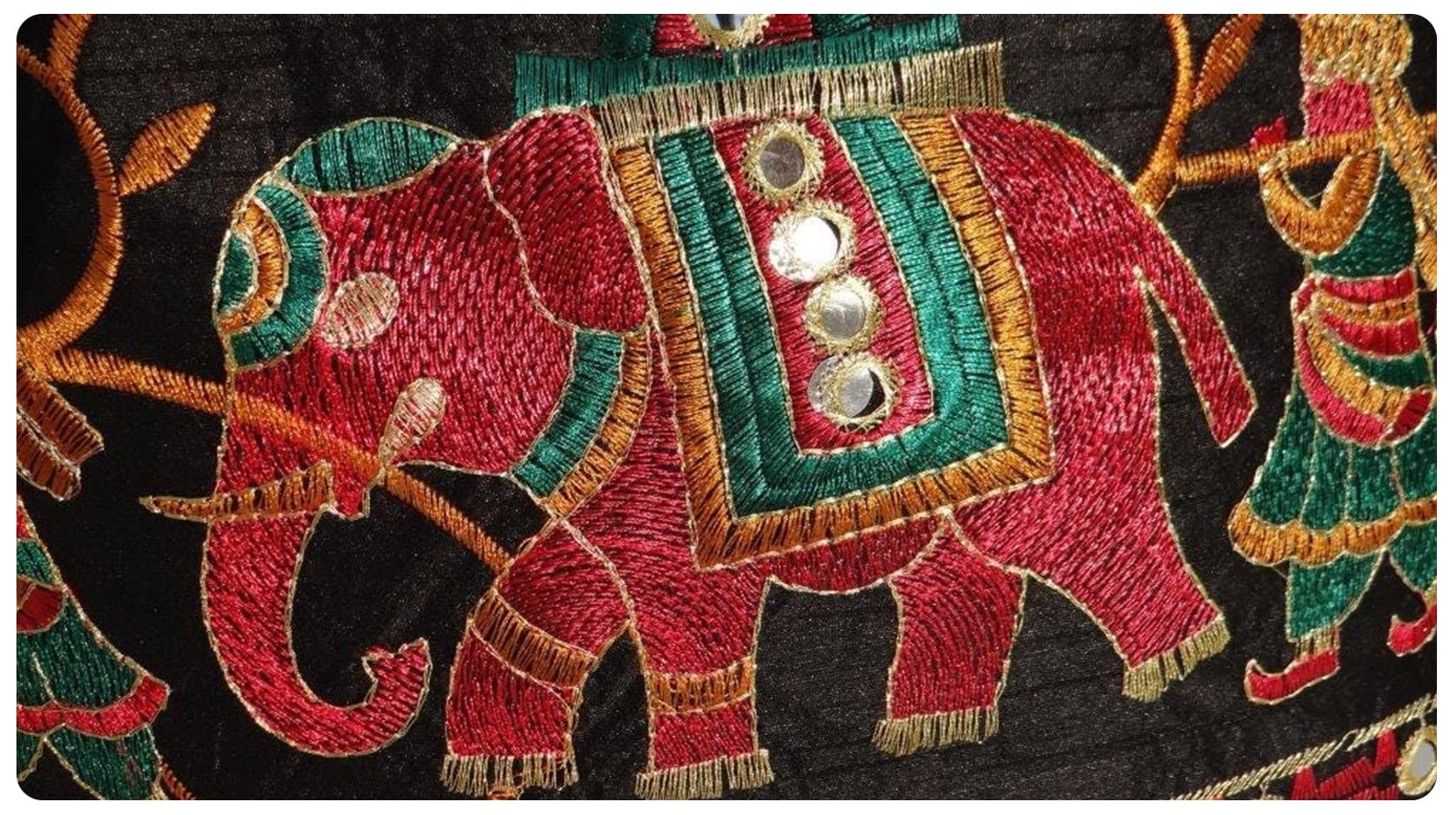

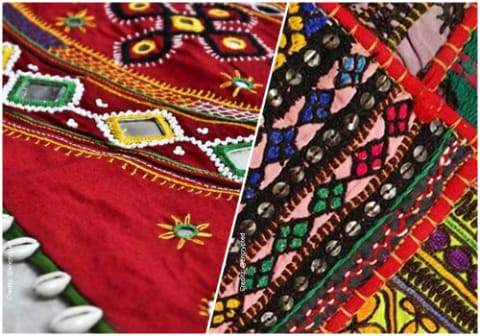
In the tapestry of Indian textiles, few forms are as vibrant, spirited, and uninhibited as Banjara Needle Craft. Known as the "gypsies of India," the Banjara community weaves their nomadic soul into every stitch of their clothing. Their attire is ariot of colors—flashing mirrors, jingling coins, and intricate embroidery that stands out starkly against the dusty landscapes they traverse.
This craft is not just decoration; it is an identity. From the arid lands of Rajasthan to the deccan plateau of Andhra Pradesh, Banjara embroidery tells stories of migration, tradition, and a fierce love for life.
In this guide, we will journey into the world of Banjara Needle Craft, exploring its wandering origins, the intricate techniques that define it, and how this ancient art is finding its place in the modern world.
What is Banjara Needle Craft?
Banjara Needle Craft is a form of traditional hand embroidery practiced by the Banjara (also known as Lambani, Lamani, or Lambadi) tribe. While the community is spread across India, the needlecraft found in Andhra Pradesh has a distinct style that sets it apart from its counterparts in Gujarat and Rajasthan.
It is characterized by its explosion of colors and the heavy use of embellishments. Unlike the delicate and subtle Chikankari of Lucknow, Banjara work is bold and robust. It typically involves covering a base fabric with geometric embroidery stitches and then adorning it with mirrors, shells, beads, and even old coins.
Tracing the Origins: A Nomadic Legacy
The history of the Banjara tribe is a fascinating tale of movement. Believed to have originated from Afghanistan, this nomadic community traveled through the centuries, eventually finding homes in various parts of India, including Rajasthan, Gujarat, Karnataka, and Andhra Pradesh.
They are known by many names—Lamani, Lambadi, Vanjara, and Gormati. Historically, they were the grain carriers of India, moving supplies across vast distances on their cattle. This nomadic lifestyle influenced their art. Their textiles needed to be durable, and their wealth was often worn on their bodies in the form of jewelry and embellished clothing.
While the tribe has settled in different states, their needlecraft remains a unifying cultural thread. The Banjara embroidery of Andhra Pradesh, in particular, has evolved into a unique souvenir of their settlement in the region, blending their ancestral techniques with local influences.
How It Is Made: Techniques and Stitches
Creating a piece of Banjara embroidery is a labor-intensive process that requires immense skill and patience. Historically, the women used whatever fabric was available—often coarse and of poor quality—transforming it into something magnificent through their needlework. Today, they primarily use mill-sourced cotton as a base.
The Stitches
The embroidery is not random; it follows a complex set of traditional stitches. Artisans employ a combination of techniques to create textured, raised patterns:
- Simple Chain Stitch: Used for outlining and filling.
- Double Herringbone Stitch: Creates a crisscross pattern that covers large areas.
- Long and Short Stitch: Used for filling shapes with color.
- Backstitch: Provides structural integrity to the designs.
The Embellishments
What truly distinguishes Banjara Needle Craft is the mixed-media approach. After the base embroidery is complete, the fabric is embellished with:
- Mirrors (Shisha): Essential to the craft, mirrors are believed to deflect the evil eye.
- Cowrie Shells: representing prosperity and connection to water.
- Ghungroos (Bells): Adding a sonic element to the textile.
- Beads and Coins: Adding weight and ornamentation.
This layering of thread, glass, and metal makes the final fabric heavy, colorful, and utterly unique.
Design Elements: Geometry and Color
The aesthetic of Banjara Needle Craft is an ode to the tribe's spirit of freedom. The designs are rarely figurative. You will seldom see realistic depictions of flowers, animals, or humans. Instead, the motifs are abstract and geometric.
Rangoli on Fabric
The designs often reflect the Rangoli or Muggu (floor art) traditions of South India. The geometric grids, triangles, and squares mirror the auspicious patterns drawn on the thresholds of homes. This abstraction allows for a sense of unity in their work; while individual creativity is encouraged, the collective visual language remains consistent.
The Color Palette
There is no room for dullness in Banjara craft. The color palette is a celebration of bright hues that contrast sharply with the earth tones of their surroundings.
- Reds and Yellows: Dominant colors representing energy and earth.
- Blues and Greens: Adding depth and contrast.
- Black and White: Used often in borders or to define spaces.
The combination of bright threads on often bright base fabrics creates a vibrating visual effect that is unmistakably Banjara.
Banjara Needle Craft Today: Fighting for Survival
Despite its breathtaking beauty, Banjara Needle Craft faces the threat of extinction. As the tribe integrates more into modern society, the younger generation is moving away from traditional attire and the time-consuming practice of hand embroidery. The volume of authentic production is decreasing rapidly.
Revival Efforts
However, the craft is not vanishing without a fight.
- Government Initiatives: Organizations like the Lepakshi Emporiums (Andhra Pradesh handicrafts) actively promote and sell Banjara crafts to a global audience.
- Hatt Fairs: The government organizes fairs pan-India where artisans can sell directly to customers, bypassing middlemen.
- Fashion World: Designers are increasingly incorporating Banjara patches and mirror work into bohemian-style clothing, bags, and accessories, giving the craft a contemporary relevance.
Conclusion
Banjara Needle Craft is more than just embroidery; it is a cultural archive. It preserves the history of a people who have walked across continents. Every mirror stitched onto a skirt reflects a legacy of resilience, and every colorful thread binds the community to its roots.
As global appreciation for "boho-chic" and handmade textiles grows, Banjara embroidery stands poised for a revival. By supporting authentic

